
Soups & Stews
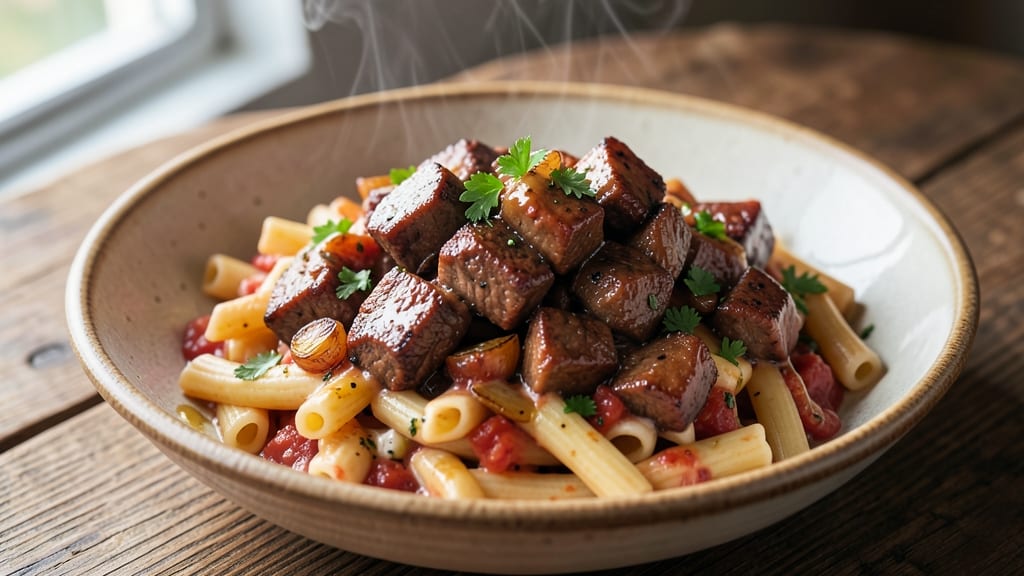
This beef cavatappi Hellofresh recipe delivers restaurant-quality comfort in one pan, where tender beef bites nestle in a velvety tomato-cream sauce with perfectly cooked cavatappi pasta.
The secret lies in browning the beef properly to develop deep flavor while the pasta cooks directly in the same skillet, creating a rich, cohesive dish that requires minimal cleanup.
I’ve refined this technique over years of testing, ensuring the beef stays juicy and the sauce achieves that ideal balance between creamy and tangy—no watery pasta or dry meat here.
The beauty of this method is its simplicity: you’ll need just 30 minutes of active time, though the flavors develop best when the sauce simmers while you finish other tasks. Start by searing the beef in batches to avoid crowding, then remove it to make room for the pasta.
The cavatappi’s unique ridges cling to the sauce beautifully, while the beef reabsorbs the flavors as it finishes cooking. This isn’t just a quick weeknight meal—it’s a foolproof way to recreate the hearty, satisfying dish you’d order at an Italian restaurant.
What you’ll end up with is a creamy, tender masterpiece where every bite delivers perfectly cooked cavatappi wrapped in a sauce that’s thick enough to coat the fork but light enough to let the beef shine.
The beef should be fork-tender with just a slight pink center, while the pasta remains al dente—no mushy textures here. Serve with a sprinkle of fresh basil and a side of garlic bread to soak up every last drop of that luxurious sauce.
This is the kind of dish that transforms a simple weeknight into a special occasion.
For those who love leftovers, this recipe reheats beautifully—just add a splash of milk or cream to restore the sauce’s velvety texture. Pair it with a crisp green salad for balance or extra bread to sop up the sauce.
The technique scales easily, so double the ingredients for a crowd. Let’s get cooking—this one-pan wonder is about to become your new go-to dinner.
Ingredients for beef cavatappi hellofresh
Restaurant-quality beef cavatappi starts with these 13 essential ingredients.
| Ingredient | Amount | Notes |
|---|---|---|
| Chuck Roast 🥩 | 1 ½ lb | Cut into 1-inch cubes |
| Cavatappi Pasta 🍝 | 12 oz | Dried, uncooked cavatappi |
| Yellow Onion 🧅 | 1 whole | Medium size, diced |
| Garlic Cloves 🧄 | 4 cloves | Peeled and minced |
| Canned Crushed Tomatoes 🍅 | 1 15 oz can | San Marzano preferred |
| Heavy Cream 🥛 | ¾ cup | Full-fat for richness |
| Whole Milk 🥛 | ½ cup | For sauce balance |
| Unsalted Butter 🧈 | 2 tbsp | For browning beef |
| Dried Italian Seasoning 🍃 | 1 tbsp | Or 1 tsp each dried oregano/basil/thyme |
| Kosher Salt 🧂 | 1 ½ tsp | Adjust to taste |
| Ground Black Pepper 🌶️ | ½ tsp | Freshly ground preferred |
| Fresh Basil Leaves 🌿 | ¼ cup | Chopped for garnish |
| Red Wine 🍷 | ¼ cup | Dry variety like Cabernet |
The chuck roast is non-negotiable—its marbling ensures tender beef bites. Costco or Whole Foods sell it pre-cubed for convenience, but if buying whole, trim excess fat and cut into 1-inch cubes for even cooking. For cavatappi, De Cecco or Barilla brands hold up best during cooking. The crushed tomatoes should be San Marzano if possible—their sweetness balances the richness. Garlic cloves should be fresh and plump, not shriveled, for maximum flavor development during the browning stage.
No red wine? Beef broth with 1 tbsp balsamic vinegar works in a pinch. Italian seasoning blends vary—check for no added salt if using pre-mixed. Fresh basil is ideal, but dried at one-third the amount suffices. Heavy cream can be swapped for half-and-half if needed, though the sauce will be slightly lighter. The cavatappi can be pre-cooked al dente and added later if preferred, though the one-pan method creates optimal texture contrast. For extra depth, toast the Italian seasoning in a dry pan for 30 seconds before adding to the sauce.
Store prepped beef cubes in the fridge for 2 days or freeze for 3 months. Pasta keeps 1 week in an airtight container. The sauce reheats beautifully—simmer with a splash of milk or cream to restore its velvety texture. Portion into containers with reserved sauce on top to prevent drying. Leftovers can be frozen for 2 months; thaw overnight in the fridge before reheating. For meal prep, double the ingredients and freeze individual portions for quick weeknight dinners.
Why You'll Love This Recipe
- One-Pot Magic: I swear by this recipe—just sear the chuck roast, toss in the onions and garlic, add the crushed tomatoes, and let it simmer while the cavatappi cooks. No extra pans, no fuss, and honestly? That’s my kind of dinner.
- Tomato-Garlic Euphoria: Between us, the crushed tomatoes and garlic cloves in this dish are chef’s kiss—sweet, tangy, and deeply savory. The cavatappi soaks up all that flavor like a sponge, turning every bite into something dangerously addictive.
- Leftovers That Don’t Suck: This recipe actually improves the next day. The beef gets even more tender, the sauce thickens just right, and reheating it takes two minutes. I’ve sent it to work lunches, packed it for road trips, and even served it cold in sandwiches—it’s that versatile.
- Budget Meal, Big Impact: Chuck roast is a steal, and a can of tomatoes stretches this into three solid meals. I’ll be real: my grocery budget thanks me every time I make this, and my family never complains about the leftovers. Win-win.
Step-by-step instructions for beef cavatappi with tender beef bites
Here's how to create a rich, creamy pasta dish with perfectly tender beef and al dente cavatappi.
Sear the Chuck Roast Cubes
Cut the 1.5 lb chuck roast into 1-inch cubes and pat them dry with paper towels. Heat a large Dutch oven over medium-high heat and add 2 tbsp unsalted butter. Once the butter foams, add the beef cubes in a single layer and let them sear undisturbed for 3-4 minutes until they develop a deep brown crust.
This browning step builds deep flavor through the Maillard reaction. After the initial sear, stir the beef and continue cooking for another 3-4 minutes until it releases from the pan easily. Remove the beef and set it aside on a plate. You'll notice the pan will have some browned bits—this is flavor you don't want to lose.
Sauté Onion and Garlic
In the same Dutch oven (no need to clean it), add the diced yellow onion and cook over medium heat for 5-6 minutes until softened and translucent. Add the 4 cloves minced garlic and cook for another 30 seconds until fragrant—don't let it brown or it'll turn bitter.
Here's where the aromatics transform into flavor. The onions should be golden at the edges, and the garlic should perfume the entire kitchen. If the onions start to stick, add a splash of red wine from the 0.25 cup to deglaze and scrape up those browned bits from the bottom of the pan.
Build the Tomato-Wine Sauce Base
Pour in the 0.25 cup red wine and let it simmer for 2-3 minutes until reduced by half. Add the 15 oz can crushed tomatoes and stir in 1 tbsp dried Italian seasoning, 1.5 tsp kosher salt, and 0.5 tsp ground black pepper. Let this mixture simmer uncovered for 10 minutes to allow the flavors to meld and the sauce to thicken slightly.
This step develops the sauce's depth. You'll see the tomatoes break down and release their juices, creating a rich, slightly chunky base. If the sauce gets too thick, you can add a splash of whole milk later to adjust the consistency.
Add Pasta and Liquid
Add the 12 oz cavatappi pasta and 1 cup water to the Dutch oven. Stir to coat the pasta evenly with the sauce. Bring to a boil, then reduce heat to medium-low, cover, and let it simmer for 12-14 minutes, stirring occasionally, until the pasta is al dente—it should have a slight bite to it.
This cooking method ensures the pasta absorbs the flavorful sauce while staying tender. You'll notice the pasta will expand as it cooks, so don't add too much water at once. If the mixture looks dry, add another ½ cup water or whole milk to keep it moist.
Finish with Cream and Beef
Return the seared beef to the Dutch oven along with the 0.75 cup heavy cream and 0.5 cup whole milk. Stir well to combine, then cover and let it simmer for 5-6 minutes until the beef is fork-tender and the sauce has thickened to a creamy consistency. The internal temperature of the beef should reach 160°F for perfect tenderness.
This final step creates the signature creamy texture. The heat from the beef will gently warm the cream, creating a velvety sauce that coats every strand of pasta and bite of beef. Taste and adjust seasoning if needed—you might need a bit more salt or pepper to balance the flavors.
Garnish and Serve
Remove the Dutch oven from heat and stir in the 0.25 cup chopped fresh basil leaves. Let the dish rest for 2-3 minutes to allow the basil to release its aroma and the sauce to thicken slightly. Serve immediately, garnished with additional basil if desired.
Each bite should deliver tender beef with a rich, creamy sauce clinging to perfectly cooked cavatappi. The combination of seared beef, tomato-wine base, and velvety cream creates a dish that's both comforting and restaurant-quality. Enjoy while warm for the best texture and flavor!
Pro Tips For Making Beef Cavatappi Hellofresh
- Sear the Roast First: That chuck roast won’t break apart like a dream if you skip this step. Hit it with a hot skillet—no oil needed—until it’s deep brown on all sides. I learned this the hard way when my first batch turned out tough as boot leather.
- Salt the Cavatappi: Toss the pasta in salted water before it hits the boiling point—yes, even if the recipe says otherwise. A pinch of salt in the pot keeps it from turning mushy later. (Your future self will notice the difference.)
- Deglaze with Tomatoes: Don’t just dump the crushed tomatoes into the pan after browning the onions and garlic. Splash in a little red wine or broth first, scrape up those browned bits—that’s where the flavor lives. The tomatoes will thank you.
- Rest the Meat Right: Pull the roast when it’s just done (195°F internal temp), tent it loosely with foil, and let it sit for 10 minutes. Skimping here means dry meat, and no one wants that in a rich, saucy dish like this. (I know, I know—you’re eager to eat.)
Creative variations of this recipe
Creamy Alfredo Twist
Swap the tomato base for a white wine and garlic sauce thickened with ½ cup heavy cream and ¼ cup grated Parmesan. Deglaze with ½ cup white wine instead of red, then add 1 cup whole milk and 2 tbsp butter while simmering the cavatappi.
Finish with ½ cup grated Parmesan and ¼ cup chopped parsley for a luxurious, cheesy version that feels like a restaurant special. 🍝
Spicy Italian Sausage
Replace the chuck roast with 1 lb Italian sausage links, sliced into rounds. Brown them with the onions, then add 1 tsp crushed red pepper flakes and ½ tsp fennel seeds to the sauce.
The sausage’s fat renders into the sauce, creating a richer, slightly spicy version perfect for heat lovers. Serve with extra hot honey drizzled on top. 🌶️
Vegetarian Mushroom
Skip the beef entirely and use 16 oz cremini mushrooms, sliced, as the protein. Sauté them with the onions and garlic, then add 1 cup vegetable broth to the sauce instead of wine.
Stir in ½ cup ricotta cheese at the end for creaminess. Top with nutritional yeast for a cheesy, umami-rich vegetarian alternative. 🍄
One-Pot Lemon Garlic
Brighten the dish with zest and juice from 1 lemon added when finishing the sauce. Toss in 2 tbsp capers for briny contrast and ¼ cup chopped parsley for freshness.
The acidity cuts through the richness, making this a lighter but equally satisfying variation perfect for summer. Pair with crusty garlic bread to soak up the sauce. 🍋
Breakfast-for-Dinner
Add 2 cups shredded hash browns to the pan with the onions for a crispy, potato-infused twist. Top with fried eggs (cooked in the last 2 minutes) and crumbled bacon for a hearty breakfast-for-dinner mashup.
The eggs add protein while the hash browns add texture—ideal for brunch or lazy weekend meals. 🍳
Slow-Cooker Adaptation
For hands-off cooking, brown the beef and onions as directed, then transfer everything to a 6-quart slow cooker. Add the remaining ingredients (including pasta) and cook on LOW for 4-5 hours or HIGH for 2-3 hours, stirring occasionally.
The slow cooker keeps the pasta from overcooking while letting flavors meld deeply. Perfect for busy weeknights! ⏰
Nutrition facts
Frequently asked questions
Can I use a different type of beef for this recipe?
Chuck roast is ideal for its marbling and tenderness, but you can substitute with sirloin tips or stew meat. Avoid lean cuts like flank steak—they won't become tender enough. If using pre-cut beef, trim excess fat to ¼-inch thickness for even cooking.
How do I prevent the pasta from getting mushy?
Cook the cavatappi in the sauce with just 1 cup water (not pasta water) and cover the pan to trap steam. Stir occasionally to prevent sticking. If the mixture looks dry, add ½ cup milk instead of water—it keeps the pasta tender while enriching the sauce. Always taste-test at 12 minutes to check doneness.
What if I don’t have red wine?
Use beef broth with 1 tbsp balsamic vinegar or apple cider vinegar for acidity. For a non-alcoholic option, substitute with extra tomato paste (2 tbsp) plus 1 tbsp lemon juice. The wine adds depth, but these alternatives still create a flavorful sauce.
Can I make this dish ahead of time?
Yes! Assemble the dish up to 2 days ahead, refrigerate, then reheat on low heat with a splash of milk or cream to restore creaminess. For freezing, portion into containers with reserved sauce on top, then freeze for up to 3 months. Thaw overnight in the fridge before reheating.
Why does my sauce separate?
Sauce separation happens when the cream curdles from sudden temperature changes. To fix it, whisk in 1 tbsp cold butter or 1 tbsp flour to emulsify. For prevention, add the cream off the heat and stir constantly for 1 minute after combining. A splash of whole milk also helps stabilize the texture.