
Breakfast & Brunch
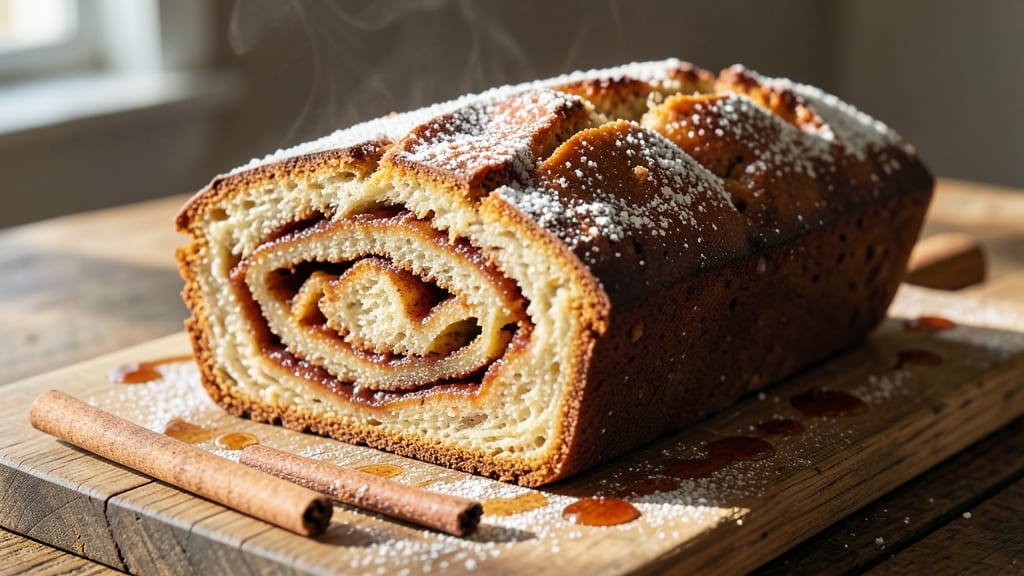
This apple cider cinnamon bread recipe transforms a simple loaf into a spiced autumn masterpiece—where the tangy sweetness of apple cider and warm cinnamon infuse every bite.
The secret lies in the dough itself, where reduced apple cider replaces water, creating a moist, aromatic base that bakes into a crusty-topped loaf with a tender crumb. I perfected this recipe after years of testing, and the difference between this and store-bought bread is night and day.
The apple cider isn’t just an ingredient—it’s the soul of this bread. As it simmers down, its natural sugars caramelize, deepening the flavor while keeping the dough tender.
Cinnamon isn’t just sprinkled on top; it’s baked into the apple filling, creating pockets of warm, spiced sweetness that contrast beautifully with the crispy crust. The result? A loaf that smells like fall morning and tastes like a bakery secret.
What sets this apart is the two-stage baking process: first, a gentle rise to develop flavor, then a high-heat finish for that perfect crust.
The apple filling—made with diced apples, cinnamon, and a touch of brown sugar—adds moisture and texture, ensuring every slice is juicy, fragrant, and irresistibly crisp at the edges. This isn’t just bread; it’s a showstopping centerpiece for breakfast tables or holiday gatherings.
Whether you’re baking for a crowd or treating yourself to a weekend project, this recipe delivers professional-quality results with simple techniques. The dough is forgiving, the filling is foolproof, and the aroma alone will have everyone asking for seconds. Ready to bake?
Ingredients for apple cider cinnamon bread
Eight essential ingredients transform into a fragrant autumn loaf with crispy crust and spiced filling.
| Ingredient | Amount | Notes |
|---|---|---|
| Unsalted Butter 🧈 | ½ cup | Cold, cubed for dough |
| Granulated Sugar 🍚 | ¼ cup | Plus 2 tbsp for filling |
| Light Brown Sugar 🍚 | ¼ cup | Packed, for filling |
| Large Eggs 🥚 | 2 whole | Room temperature |
| All-Purpose Flour 🌾 | 4 cups | Sifted, plus extra for dusting |
| Instant Yeast 🍞 | 2 tsp | One packet |
| Apple Cider 🍎 | 1 cup | Reduced to 0.5 cup |
| Ground Cinnamon 🍃 | 2 tbsp | Plus 1 tbsp for filling |
| Granny Smith Apples 🍏 | 2 medium | Peeled, diced (about 1.5 cups) |
| Diamond Crystal Kosher Salt 🧂 | 1 ½ tsp | Divided usage |
| Vanilla Extract 🍯 | 1 tsp | Pure extract |
| Whole Milk 🥛 | ¼ cup | Warmed for dough |
The apple cider is non-negotiable—opt for 100% pure, unsweetened from a trusted brand like Mott's or Tree Top. Granny Smith apples provide the necessary tartness; avoid overly ripe specimens which yield mushy filling. For the flour, King Arthur or Gold Medal brands ensure consistent rise. The yeast should be freshly opened—old packets lose potency. Pre-reduce the apple cider to intensify its flavor; simmer uncovered until reduced by half, then cool completely before using.
No Granny Smith? Fuji or Honeycrisp work well, though flavor will differ slightly. Substitute apple cider with equal parts apple juice plus 1 tsp lemon juice for tang. For dairy-free needs, replace milk with unsweetened almond milk and use vegan butter. The cinnamon should be true Ceylon cinnamon if available—it's milder and more aromatic than cassia. When measuring flour, spoon-and-level for accuracy; packing flour creates dense bread. The dough requires two rises—first in the bowl, then after shaping—for optimal texture.
Store the baked loaf wrapped in parchment paper at room temperature for 2 days, or refrigerate for up to 5 days. For longer storage, freeze sliced portions in airtight bags for 3 months. Reheat slices in a 350°F oven for 5 minutes to restore freshness. The filling's moisture content means this bread reheats beautifully—ideal for breakfast toast or dessert slices. Portion the dough in advance and refrigerate overnight for enhanced flavor development.
Why You'll Love This Recipe
- No-Fuss Mix-In: This bread comes together with just five ingredients—no fancy swirls or layers. I swear by the warm cinnamon and apple cider swirl (store-bought or homemade), but even if you skip it, the buttery crust and caramelized brown sugar keep it irresistible.
- Fall in One Bite: The combo of melted butter, light brown sugar, and a whisper of apple cider makes every slice taste like autumn. Honestly, the first bite feels like a hug—warm, spiced, and just sweet enough to make you close your eyes.
- Breakfast or Snack Hero: Slice it thick for French toast, toast it with peanut butter, or pack it for lunch. Between us, I’ve even used it to soak up chili—because when you’ve got this bread, why not? It’s that versatile.
- Leftovers That Last: A loaf keeps for days in the fridge (or frozen for weeks), and the second slice is often better than the first. I’ll be real: my kids fight over the scraps, and I’m not complaining about free seconds.
Step-by-step instructions for apple cider cinnamon bread
This method delivers a perfectly balanced loaf with tender crumb, aromatic spice, and a crisp golden crust.
Prepare the Apple Filling
In a medium saucepan, combine the 1 cup apple cider with 2 tablespoons ground cinnamon, 2 tablespoons granulated sugar, and 2 tablespoons light brown sugar. Bring to a gentle simmer over medium heat and reduce until the mixture thickens to about ½ cup (approximately 10-12 minutes). The filling should coat the back of a spoon and have a syrupy consistency.
While the filling reduces, peel and dice the 2 medium Granny Smith apples into ½-inch cubes (about 1½ cups). Add the diced apples to the warm cider mixture and stir gently to coat. Remove from heat and let cool completely before using. This step ensures your filling will stay moist and flavorful throughout baking, rather than turning mushy or leaking from the bread.
Mix the Dough
In a stand mixer fitted with the paddle attachment, combine the 4 cups all-purpose flour, 2 teaspoons instant yeast, and 1 teaspoon diamond crystal kosher salt. Mix on low speed for 30 seconds to aerate the flour. Add the 0.5 cup unsalted butter (cut into cubes) and mix until the butter is fully incorporated and the mixture resembles coarse crumbs.
In a separate bowl, whisk together the 2 whole large eggs (room temperature), 0.25 cup whole milk (warmed), 1 teaspoon vanilla extract, and 0.5 teaspoon diamond crystal kosher salt. Gradually pour the wet ingredients into the flour mixture while mixing on low speed. Increase to medium speed and mix for 2-3 minutes until the dough comes together and pulls away from the sides of the bowl. The dough should be soft but not sticky—if it's too wet, add 1 tablespoon flour at a time until it reaches the proper consistency.
Knead and First Rise
Switch the mixer to the dough hook attachment and knead the dough on medium speed for 3-4 minutes until it becomes smooth and elastic. The dough should pass the "windowpane test"—stretch a small piece between your fingers and it should thin enough to see light through without tearing. If the dough is too sticky, add 1 tablespoon flour at a time until it reaches the right texture.
Transfer the dough to a lightly greased bowl, cover with a damp towel, and let rise in a warm place for 1 hour or until doubled in size. The dough should feel light and springy when pressed gently. This first rise develops the gluten structure and ensures a tender crumb. Avoid over-rising, as this can lead to a dense loaf.
Shape and Second Rise
Punch down the risen dough to release any air bubbles, then divide it into two equal portions. Roll each portion into a 12-inch log and place them seam-side down in a 9x5-inch loaf pan lined with parchment paper. Brush the tops generously with a mixture of 1 tablespoon melted butter and 1 tablespoon milk for a golden finish.
Cover the loaf pan with a damp towel and let the dough rise for an additional 45-60 minutes until it fills the pan and rises 1 inch above the rim. Preheat your oven to 375°F during the final rise. The second rise ensures the bread expands properly in the pan, creating that classic pull-apart texture. If the dough doesn't rise enough, it may result in a dense loaf.
Bake to Perfection
Carefully remove the loaf pan from the oven and make a ½-inch deep slit down the center of each loaf using a sharp knife. Spoon the cooled apple filling evenly into the slits, pressing down gently to distribute it. Bake for 30-35 minutes until the tops are deep golden brown and a toothpick inserted into the center comes out clean. The bread should have a crisp crust and a tender, moist interior.
Let the bread cool in the pan for 10 minutes, then transfer to a wire rack to cool completely before slicing. The internal temperature should read 190-200°F when done. Slice while still slightly warm for the best texture—each bite should deliver a perfect balance of spiced apple filling, tender crumb, and crisp crust. Store leftovers wrapped at room temperature for up to 3 days or freeze for longer storage.
Pro Tips For Making Apple Cider Cinnamon Bread
- Cream Butter Slowly: Don’t just toss cold butter into the mix—soften it first (about 10 minutes at room temp) and beat it with the sugars until the color lightens noticeably. This isn’t just about aeration; it’s how you get that deep, caramelized flavor in every bite. I used to rush this, and the bread always tasted flat compared to when I took the extra 2 minutes.
- Sift the Flour Twice: Apple cider bread relies on lightness, and clumps in flour mess that up. Sift it into the bowl before mixing, then sift it again after adding the wet ingredients to break up any hidden lumps. Yes, it’s extra work, but it guarantees a tender crumb—not that dense, brick-like texture you get when you skip it.
- Don’t Overmix the Dough: Once the flour hits the wet ingredients, stop mixing the second everything just comes together. Overworking the dough develops the gluten, and that’s how you end up with a chewy, tough loaf instead of the soft, pillowy bread this recipe promises. Two or three turns of a spoon is all you need—trust me, it’s enough.
- Use Warm Cider: Cold apple cider makes the dough sluggish and the flavor muted. Heat it gently (just until it’s steaming, not boiling) before mixing it in—this activates the spices and helps the yeast wake up faster. I was skeptical until I tried it; the bread rises higher and smells like a fall morning in seconds.
Creative variations of this dish
Spiced Apple Filling Twist
For an extra layer of warmth, boost the filling with ½ teaspoon ground cardamom or ¼ teaspoon nutmeg alongside the cinnamon. These spices complement apple cider beautifully while adding depth. I find Penzeys Spices cardamom pods work best when toasted and ground fresh. 🌶️
Caramelized Apple Topping
Skip the traditional filling and create a caramelized apple topping by slicing 1 cup apple cider> apples thinly and cooking them in 1 tablespoon butter with 1 tablespoon brown sugar until golden. Spread this mixture over the shaped dough before baking for a sticky, sweet crust.
Pumpkin Spice Fusion
Blend autumn flavors by adding ½ cup pumpkin puree to the dough and swapping 1 teaspoon cinnamon> for pumpkin pie spice> in the filling. The pumpkin adds moisture while keeping the bread's signature warmth. Use Libby's pure pumpkin> for consistent results.
Cranberry Cider Swap
Replace apple cider with 1 cup cranberry cider> (like Ocean Spray) for a tart-sweet contrast. Reduce it with 1 tablespoon honey> instead of sugar to balance the cranberries' acidity. The filling will have a vibrant ruby color and bright flavor profile.
Whiskey-Infused Dough
Add 1 tablespoon bourbon> (like Maker's Mark) to the dough for a sophisticated twist. The alcohol burns off during baking, leaving behind warm vanilla notes that pair perfectly with the apple cider. This works especially well with the caramelized apple topping variation.
Dairy-Free Apple Butter Filling
For a vegan version, replace the apple cider filling with a mixture of ½ cup apple butter> (like Mott's), 1 tablespoon maple syrup, and ½ teaspoon cinnamon.
Spread this generously into the loaf pan before adding the shaped dough. The result is a rich, spreadable filling that stays moist without dairy.
Nutrition facts
Frequently asked questions
Why does the recipe reduce the apple cider?
Reducing the apple cider concentrates its natural sugars and deepens the flavor, creating a more aromatic dough. It also prevents excess moisture that could make the bread gummy. The reduction step transforms the cider from a liquid to a flavorful syrup that infuses every bite.
Can I make this bread without a stand mixer?
Mix the dough by hand in a large bowl using a wooden spoon, then knead it on a lightly floured surface for about 8-10 minutes until smooth and elastic. The dough should be soft but not sticky—add flour gradually if needed. The kneading process develops gluten, which is key for a light texture.
How do I store leftovers to keep them fresh?
Wrap the cooled loaf tightly in plastic wrap or aluminum foil and store at room temperature for up to 3 days. For longer storage, slice the bread and freeze the pieces in an airtight container for up to 3 months. To revive, reheat slices in a 350°F oven for 5 minutes or toast in a toaster. The filling stays moist when properly stored.
What if my dough doesn't rise properly?
Check these common issues: your yeast may be old (use freshly opened packets), the dough might be too cold (place the bowl in a warm spot like a turned-off oven with a light bulb inside), or the environment could be too dry (cover with a damp towel). If the dough rises unevenly, try punching it down and letting it rise again for 30-45 minutes.
Can I substitute apple cider vinegar for the apple cider?
Not recommended for this recipe. Apple cider vinegar has a much stronger acidity and lacks the sweet-tart balance of fresh apple cider, which is essential for the dough's flavor and texture. If you're out of apple cider, use apple juice plus 1 teaspoon lemon juice as a substitute, but reduce it to maintain the proper consistency.