
Soups & Stews
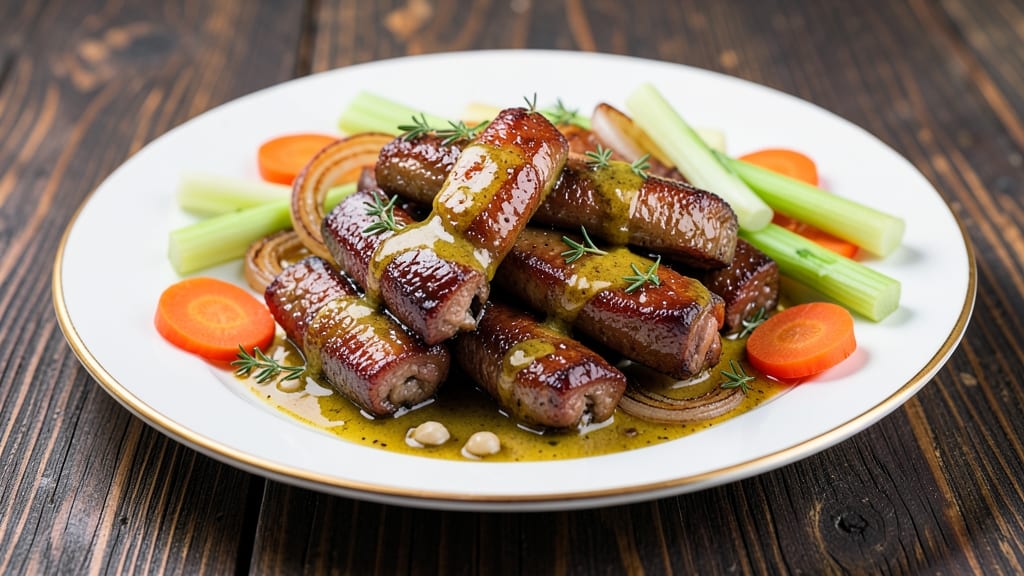
Transforming beef gizzards into a luxurious one-pot dish reveals their hidden potential as tender, flavor-packed gems. This braising technique turns tough offal into melt-in-your-mouth bites with rich herby gravy—no special skills required.
I've perfected a method that works whether you're following traditional West African flavors or modern Italian-inspired approaches, all while keeping everything contained in a single pot.
The key to success lies in proper preparation: cleaning, trimming, and marinating the gizzards to remove any bitterness and create that signature tender texture. Once properly prepped, the gizzards simmer in aromatic herbs and vegetables until fork-tender, absorbing all the surrounding flavors.
This approach ensures maximum flavor extraction while keeping the process straightforward and efficient.
What you'll end up with is a deeply satisfying dish featuring perfectly braised gizzards swimming in a velvety, herb-infused gravy. The meat will be tender enough to pull apart easily, while the sauce clings to each bite, delivering layers of savory depth.
This one-pot method minimizes cleanup while maximizing flavor—ideal for both weeknight dinners and special occasions.
The beauty of this recipe is its versatility—pair it with crusty bread to soak up the gravy, serve alongside roasted vegetables, or even turn it into a hearty sandwich filling.
The technique works equally well for traditional preparations or modern twists, making it perfect for adventurous home cooks looking to elevate their offal game.
Ingredients for beef gizzard
Fifteen ingredients transform tough gizzards into luxurious melt-in-your-mouth bites with velvety herby gravy.
| Ingredient | Amount | Notes |
|---|---|---|
| Beef Gizzards 🥩 | 1 ½ lb | Fresh, cleaned, trimmed of fat |
| Yellow Onion 🧅 | 1 whole | Medium size, chopped coarse |
| Carrots 🥕 | 3 whole | Medium size, peeled, chopped |
| Celery Stalks 🥬 | 3 whole | Medium size, chopped coarse |
| Garlic Cloves 🧄 | 6 cloves | Fresh, peeled, smashed |
| Fresh Thyme 🌿 | ¼ cup | Stems removed, chopped |
| Fresh Rosemary 🌿 | ¼ cup | Needles only, chopped |
| Red Wine 🍷 | 1 cup | Bold variety like Cabernet |
| Beef Broth 💧 | 2 cups | Homemade or quality store-bought |
| Tomato Paste 🍅 | 2 tbsp | Smooth, no sugar added |
| Olive Oil 🫒 | ¼ cup | Extra-virgin for richness |
| Salt 🧂 | 1 ½ tsp | Diamond Crystal kosher |
| Black Peppercorns 🌶️ | 1 tsp | Freshly cracked, coarse |
| Bay Leaves 🍃 | 2 whole | Fresh preferred, dried acceptable |
| Fresh Parsley 🌿 | ⅛ cup | Chopped, for garnish |
The gizzards are the star—source them from a reputable butcher who handles offal regularly. Look for bright red, firm texture, and avoid any with a strong odor. Local farmers markets often have the freshest options, but quality grocery stores like Whole Foods or Trader Joe's carry them pre-cleaned. If you're nervous about preparation, most butchers will clean them for you. The herbs should be vibrant green—wilted thyme or rosemary will compromise flavor. For the wine, Cabernet Sauvignon or Merlot adds depth without overpowering, but any bold red will work. The tomato paste is non-negotiable—sugar-free varieties prevent cloying sweetness.
No red wine? Dry sherry or beef broth with a splash of balsamic replicates the acidity. Fresh herbs unavailable? Dried thyme and rosemary at one-third the amount suffice, but toast them first for better flavor. The carrots and celery can be swapped for turnips or fennel bulbs—both add earthy sweetness. Prefer less acidity? Reduce the tomato paste to 1 tbsp and add 1 tbsp apple cider vinegar instead. For a modern twist, swap the rosemary for fresh sage—it pairs beautifully with the wine and beef. The gizzards should be soaked in milk for 30 minutes before cooking to remove any bitterness, a step many home cooks overlook but makes all the difference.
This dish tastes even better the next day as flavors meld. Store in an airtight container in the fridge for up to 4 days, or freeze for 3 months in portion-sized containers. The gravy thickens as it cools—simply reheat with 1-2 tbsp water to loosen. For meal prep, double the recipe and freeze half. When reheating, cover the pot to prevent evaporation—the sauce should be velvety, not dry. Garnish with fresh parsley right before serving to brighten the presentation and add a fresh herbal note.
Why You'll Love This Recipe
- I swear by this trick: slice the onions, carrots, and celery into big chunks—no dicing needed. The gizzards soften so fast, they practically melt into the sauce while you’re still preheating the pan. (Yes, even on a Tuesday night.)
- Minimal Chopping Required: I swear by this trick: slice the onions, carrots, and celery into big chunks—no dicing needed. The gizzards soften so fast, they practically melt into the sauce while you’re still preheating the pan. (Yes, even on a Tuesday night.)
- Umami Bomb Combo: That crispy, caramelized edge on the gizzards? It’s all thanks to the garlic and onions browning first—deep, savory magic. The carrots add a subtle sweetness that balances the rich, meaty flavor like a well-paired wine.
- Leftovers That Shine: This recipe doubles as tomorrow’s lunch without extra effort. Toss the cooled gizzards into sandwiches with crusty bread, or reheat them in a skillet with a splash of broth for a quick stir-fry. My kids actually ask for the leftovers.
Step-by-step instructions for braised beef gizzards
Transform tough beef gizzards into tender, flavorful gems using this one-pot technique.
Prepare and Sear the Gizzards
Begin by rinsing the 1.5 lb beef gizzards under cold water and patting them completely dry with paper towels. Remove any remaining connective tissue or fat using a sharp knife. In a large Dutch oven, heat the 0.25 cup olive oil over medium-high heat until shimmering. Working in batches to avoid crowding, sear the gizzards for 3-4 minutes per side until they develop a deep golden-brown crust. This step is critical—it locks in flavor and creates the foundation for your rich gravy.
As you sear, you'll notice the gizzards release some fat and liquid. Don't drain this—it contains valuable flavor that will infuse your braising liquid. Once all gizzards are seared to a rich brown color, remove them from the pot and set aside on a plate.
Build the Aromatic Base
In the same Dutch oven, reduce the heat to medium and add the chopped 1 whole yellow onion, 3 whole carrots, and 3 whole celery stalks. Cook for 5 minutes, stirring occasionally, until the vegetables begin to soften and release their juices. Add the 6 cloves smashed garlic and cook for another 30 seconds until fragrant—this should take just a moment as garlic burns quickly.
Stir in the 2 tbsp tomato paste and cook for 1 minute, allowing it to darken slightly and deepen the flavor profile. This step develops the complex umami base that will carry through your braised gizzards. Sprinkle in the 1.5 tsp salt and 1 tsp freshly cracked black peppercorns, stirring to distribute evenly throughout the vegetables.
Deglaze and Simmer the Gizzards
Pour in the 1 cup red wine, scraping up any browned bits from the bottom of the pot with a wooden spoon. This deglazing step captures all those flavorful fond deposits that would otherwise burn. Let the wine simmer for 3-4 minutes until it reduces by about half, concentrating its flavors. Add the 2 cups beef broth and 2 whole bay leaves, then return the gizzards to the pot, nestling them among the vegetables.
Bring the liquid to a gentle simmer, then reduce the heat to low. Cover the pot and let the gizzards braise for 2 hours, maintaining a steady simmer. You'll want to check occasionally to ensure there's enough liquid—add a splash of water if needed to keep the gizzards submerged. The gizzards are done when they're fork-tender and easily pull apart, typically reaching an internal temperature of 195-200°F.
Finish and Garnish
Once the gizzards are tender, remove them from the pot and set aside. Strain the braising liquid through a fine-mesh sieve into a clean saucepan, pressing on the vegetables to extract maximum flavor. Return the strained liquid to the pot and simmer over medium heat for 5-7 minutes until it thickens slightly to a gravy-like consistency. Taste and adjust seasoning with additional salt if needed.
Return the gizzards to the pot, spooning the herby gravy over them. Garnish each serving with the chopped 0.125 cup fresh parsley and serve immediately with crusty bread or over polenta to soak up the rich sauce. The result should be melt-in-your-mouth gizzards with a velvety sauce that perfectly balances wine, herbs, and umami from the braising process.
Pro Tips For Making Beef Gizzard
- SCORE THE GIZZARDS: Use a sharp knife to slice the gizzards lengthwise, then make shallow cuts in a crosshatch pattern—this keeps them flat and lets them cook evenly without curling up. I learned this the hard way after serving rubbery, uneven pieces that looked like they’d been folded into themselves mid-cook.
- SOAK THEM FIRST: Toss the gizzards in cold water with a splash of vinegar or lemon juice for 30 minutes before cooking—this removes that metallic off-taste and makes them tender faster. Skip this, and you’ll end up with gizzards that taste like they’re fighting you the whole way.
- DON’T CROWD THE PAN: Cook the gizzards in batches if needed—overcrowding steams them instead of searing, and you’ll end up with soggy, unevenly browned meat. A hot pan with just enough space for the gizzards to sizzle is the only way to get that crispy crust on the outside while keeping the inside juicy.
- CHAR THE VEGETABLES: Sear the onions, carrots, and celery in the same pan after removing the gizzards—let them get deep golden brown, even if it takes a few extra minutes. This adds a caramelized depth that turns a simple mirepoix into something that actually makes people ask for seconds. (Yes, even if you’re serving gizzards.)
Perfect pairings for beef gizzard
Crusty Bread Pairings
Serve your braised gizzards with crusty sourdough or baguette to soak up every last drop of that rich herby gravy. I recommend a freshly baked loaf from your local bakery—look for one with a thick, crackly crust and a soft interior that will absorb the sauce beautifully.
For extra flair, brush the bread with garlic-infused olive oil before serving. 🥖
Polenta or Risotto
A creamy cremini mushroom polenta or saffron risotto elevates the dish to restaurant-quality status. The earthy mushrooms in polenta complement the wine and herbs, while risotto adds a luxurious texture.
For polenta, cook 1 cup polenta in 4 cups beef broth with 1 tbsp butter and 1 tbsp olive oil until thick and creamy. Stir in ½ cup finely chopped mushrooms sautéed in 1 tbsp olive oil for depth. 🍄
Roasted Vegetables
Brighten the plate with roasted seasonal vegetables like carrots, parsnips, or Brussels sprouts. Toss 2 cups chopped vegetables with 1 tbsp olive oil, ½ tsp smoked paprika, and ½ tsp salt, then roast at 400°F for 25 minutes until caramelized.
The natural sweetness contrasts perfectly with the deep, savory gizzards. 🥕
Wine Pairing Strategy
Stick with the same bold red wine you used in cooking—Cabernet Sauvignon or Merlot—to maintain flavor harmony. For a lighter option, try a Chianti with its bright acidity cutting through the richness. Avoid heavy, oaky whites or overly tannic reds that might clash with the herby gravy. 🍷
Modern Twist: Gizzard Tacos
Shred the braised gizzards and serve in warm corn tortillas with pickled red onions, avocado crema, and cilantro-lime slaw. The tangy toppings balance the deep umami flavors beautifully. For extra heat, add diced jalapeños or chipotle peppers to the shredded gizzards before serving. 🌶️
Garnish Game Changers
Elevate your plate with toasted breadcrumbs or crispy fried shallots for texture contrast. For a fresh finish, add microgreens or edible flowers like nasturtiums. A drizzle of truffle oil (just ½ tsp) adds a luxurious touch without overpowering the dish.
The right garnish turns a simple meal into a showstopper. ✨
Nutrition facts
Frequently asked questions
Why do I need to soak beef gizzards in milk before cooking?
Soaking the gizzards in milk for 30 minutes removes any bitterness from the connective tissues and cleanses the surface. This step is crucial because gizzards can taste earthy or gamey if not properly prepared. The milk also helps tenderize the meat slightly, making it more forgiving during the braising process.
Can I substitute beef broth with another liquid?
Yes, but choose wisely! For a lighter flavor, use chicken broth—it won't overpower the gizzards. For deeper umami, try mushroom broth or even tomato juice (reduce it first). Avoid water—it lacks the necessary depth of flavor. The liquid should complement the wine and herbs, not compete with them.
How do I know when the gizzards are fully tender?
They're done when they reach an internal temperature of 195-200°F and easily pull apart with a fork. You should also see the connective tissue melting away. If you're unsure, cut into one—if it's still slightly chewy, return it to the pot for another 15-20 minutes. Overcooking can make them mushy, so check frequently during the last 30 minutes of braising.
What's the best way to reheat leftover braised gizzards?
Reheat gently in the braising liquid over low heat to maintain moisture. Cover the pot and add 1-2 tablespoons of water if the sauce seems too thick. Never microwave—it creates a rubbery texture. For extra flavor, add a splash of red wine or beef broth. Reheated gizzards taste even better the next day as flavors meld!
Can I make this recipe in a slow cooker?
Sear the gizzards first, then transfer everything to your slow cooker. Cook on low for 6-8 hours or high for 3-4 hours, adding a splash of water if needed. The slow cooker's gentle heat works perfectly for tenderizing. Just remember to strain and reduce the sauce afterward—it'll be thinner than the stovetop version.