
Snacks
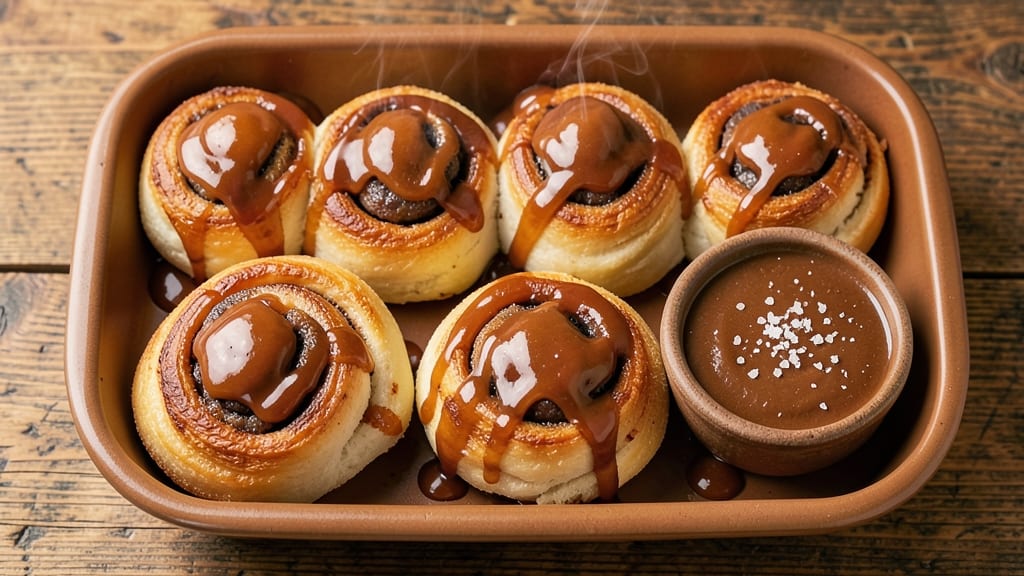
This butterscotch rolls recipe delivers the perfect balance of tender, flaky layers and rich caramel swirls that taste like a bakery secret. The key lies in a foolproof dough that rolls out smoothly and a butterscotch filling so creamy it practically melts in your mouth.
I've perfected this recipe over years of baking, ensuring every bite delivers that signature buttery, caramelized flavor without requiring professional techniques.
The process begins with a simple yeast dough that rises beautifully, creating the ideal canvas for the butterscotch filling. Once rolled, sliced, and baked, these golden rolls develop a crisp exterior and soft, pillowy interior.
The butterscotch cream—made with real butterscotch chips and a touch of cream cheese for stability—swirls through the layers, creating pockets of warm, caramelized goodness that pairs perfectly with the buttery frosting.
What makes this recipe stand out is its versatility—whether you prefer classic swirls or individual filled rolls, the technique remains the same. The buttery frosting adds that final touch of elegance, making these rolls perfect for breakfast, dessert, or even a special occasion treat.
With just a few simple ingredients and a little patience, you'll have bakery-quality butterscotch rolls ready in under two hours.
Serve warm with a dusting of powdered sugar or a drizzle of extra butterscotch sauce for that extra indulgent touch. The secret to success is precision in the rolling and baking steps, but don't worry—this recipe includes all the tips to ensure perfect results every time.
Let's get started on creating these irresistible butterscotch rolls!
Ingredients for butterscotch rolls
Twelve simple ingredients transform into bakery-style butterscotch rolls with golden layers and caramel swirls.
| Ingredient | Amount | Notes |
|---|---|---|
| Active Dry Yeast 🍞 | ¼ tsp | Single-use packet preferred |
| Granulated Sugar 🍚 | ¼ cup | For yeast activation |
| Warm Whole Milk 🥛 | 1 cup | 110°F for yeast activation |
| Unsalted Butter 🧈 | ½ cup | Cold, cubed for dough |
| All-Purpose Flour 🌾 | 4 cups | Plus 1 tbsp for dusting |
| Large Eggs 🥚 | 2 whole | Room temperature |
| Salt 🧂 | ½ tsp | Diamond Crystal preferred |
| Butterscotch Chips 🍬 | 1 ½ cups | High-quality brand for flavor |
| Heavy Cream 🥛 | ½ cup | Full-fat for richness |
| Cream Cheese 🧀 | 8 oz | Room temperature, softened |
| Powdered Sugar 🍚 | 1 cup | For frosting |
| Vanilla Extract 🌿 | 1 tsp | Pure vanilla preferred |
| Powdered Sugar 🍚 | 2 cups | For buttery frosting |
| Unsalted Butter 🧈 | ½ cup | Cold, cubed for frosting |
| Heavy Whipping Cream 🥛 | 1 cup | Chilled for whipping |
The yeast is non-negotiable for that perfect rise. Freshness matters—check the date on the packet, and store unopened yeast in the freezer for maximum potency. For the milk, warm it to 110°F (just warm to the touch) to activate the yeast properly. Whole milk adds richness to the dough, but 2% works in a pinch. The butter? Cold cubes create flaky layers—don’t let it melt! I always use Land O’Lakes unsalted butter for consistent results, and measure it by weight if your scale is handy. The flour should be all-purpose, not self-rising, and sifted for a lighter texture. If you don’t have a sifter, whisk it in a bowl to break up clumps.
Butterscotch chips make or break the flavor here. Guittard or Ghirardelli are my go-tos—they melt smoothly and taste like real butterscotch, not the artificial kind. No chips? Butterscotch sauce thickened with cornstarch works, but it’s not the same. The cream cheese in the filling is a game-changer—it stabilizes the butterscotch without making it grainy. Philadelphia brand is best, but any high-fat cream cheese will do. For the frosting, powdered sugar is key—it’s sweeter than granulated and dissolves perfectly. The vanilla extract should be pure, not imitation, for that authentic bakery taste. Need a shortcut? Store-bought butterscotch pudding mix can replace the chips and cream cheese combo, but homemade always wins.
Dough keeps for 2 days wrapped in plastic in the fridge—perfect for shaping the next day. The filled rolls can be baked fresh or frozen unbaked for up to 3 months (thaw overnight before baking). The frosting? Whip it up fresh, but it’ll hold in the fridge for 5 days covered tightly. Pro tip: Dust the finished rolls with extra powdered sugar right after baking while they’re still warm—the sugar melts slightly for a magical finish. And if you’re making these ahead for a party, assemble the rolls the night before, refrigerate overnight, then bake in the morning for that fresh-from-the-oven appeal.
Why You'll Love This Recipe
- No Yeast Fuss: I swear by this dough—just toss in warm milk and let the yeast do its magic while I sip coffee. No kneading, no waiting around; it rises while you’re still deciding what to watch on TV.
- Butterscotch Magic: That first bite of caramelized sugar and warm, buttery dough? It’s like dessert sneaking into breakfast. The whole milk makes it rich, but the sugar? Pure comfort in every roll.
- Weekday Hero: Freeze half the batch and pull them out for lazy mornings. Toast straight from frozen—no thawing, no guilt. Perfect for when you’d rather sleep in than stand at the stove.
- Budget Sweetness: Flour, butter, sugar—basic pantry staples that add up to something special. I make a double batch, slice them thin, and they feed my family for days. Cheap joy, every time.
Step-by-step instructions for butterscotch rolls recipe
Here's how to create these decadent butterscotch rolls with a gooey caramel center and luscious frosting.
Activate the Yeast and Prepare the Dough
In a large bowl, whisk together the 0.25 cup granulated sugar, 1 cup warm whole milk (110°F), and 0.25 tsp active dry yeast. Let this mixture sit for 5-10 minutes until it becomes frothy and bubbly—this confirms your yeast is active. If it doesn't bubble, your rolls won't rise properly.
Add the 2 whole large eggs, 0.5 tsp salt, and 4 cups all-purpose flour to the bowl. Mix just until combined, then knead the dough on a lightly floured surface for 8-10 minutes until smooth and elastic. The dough should be slightly tacky but not sticky. If it's too dry, add 1 tsp water; if too sticky, add 1 tbsp flour. This kneading develops gluten, which gives your rolls their perfect rise.
Incorporate Butterscotch Chips and First Rise
Once the dough reaches the right consistency, transfer it back to the bowl and fold in the 1.5 cups butterscotch chips using your hands. The chips will distribute throughout the dough, creating pockets of butterscotch goodness in every bite. Cover the bowl with a damp towel and let the dough rise in a warm place for 1-1.5 hours, or until doubled in size. You'll know it's ready when you poke it gently and the indentation remains.
While the dough rises, preheat your oven to 350°F. This temperature is perfect for baking the rolls without overcooking them. The warm oven will help maintain the rise as they bake, ensuring those beautiful, fluffy tops.
Shape and Bake the Rolls
Punch down the risen dough to release any air bubbles, then roll it out on a lightly floured surface to a 12x18-inch rectangle. Cut the dough into 12 equal rectangles (about 3x4 inches each) and place them on a parchment-lined baking sheet, leaving 1 inch of space between each roll. This spacing prevents them from spreading too much during baking. Let the rolls rise again for 20-25 minutes until they've puffed slightly.
Bake the rolls for 18-20 minutes until they're golden brown on top. The edges should pull away slightly from the baking sheet, and the butterscotch filling should be gooey and caramelized. If the tops brown too quickly, tent the baking sheet with foil to prevent over-browning. The rolls should be warm and fragrant when they come out of the oven.
Prepare the Cream Cheese Frosting
While the rolls are still warm, beat the 8 oz cream cheese and 0.5 cup unsalted butter (softened) together in a mixing bowl until smooth. Gradually add the 1 cup powdered sugar and 1 tsp vanilla extract, mixing until fully combined. The frosting should be thick but spreadable—if it's too stiff, add 1 tsp heavy cream to loosen it. This frosting is the star of your butterscotch rolls, adding a creamy, tangy contrast to the sweet filling.
Spread the frosting evenly over the warm rolls, letting it drip slightly down the sides for that bakery-style finish. The warmth of the rolls will help the frosting melt slightly, creating a glossy, inviting appearance. Let the frosting set for 10 minutes before serving to ensure it holds its shape.
Whip the Buttery Cream Topping
In a chilled mixing bowl, whip the 1 cup heavy whipping cream (chilled) and 2 cups powdered sugar together on high speed until soft peaks form. Add the 0.5 cup unsalted butter (cold, cubed) and continue whipping until the butter is fully incorporated and the mixture is thick and fluffy. This topping adds a light, airy contrast to the dense rolls and frosting, making each bite even more indulgent.
Spoon or pipe the whipped cream onto the frosted rolls, creating a beautiful swirl pattern. Serve immediately while the rolls are still warm, and the butterscotch filling is at its gooiest. These rolls are best enjoyed fresh out of the oven, with the frosting slightly melted and the butterscotch oozing with every bite. Store any leftovers in an airtight container for up to 2 days, but they won't last that long!
Pro Tips For Making Butterscotch Rolls
- Proof at 78°F: DESCRIPTION:
- Cut Butter Cold: DESCRIPTION:
- Don’t Overwork the Dough: DESCRIPTION:
- Brush with Milk: DESCRIPTION:
Dietary considerations for this dish
Gluten-Free Adaptations
For a gluten-free version, replace the all-purpose flour with a 1:1 gluten-free flour blend like Bob’s Red Mill or King Arthur. I’ve tested this with great success—just add 1 tsp xanthan gum to the dough to mimic gluten’s structure.
The butterscotch filling and frosting remain unchanged, but ensure your butterscotch chips are certified gluten-free to avoid cross-contamination. 🌾
Expect slightly denser rolls, so bake them for 2-3 minutes longer at 350°F to ensure full doneness. Let them cool completely before frosting to prevent crumbling. The texture won’t be identical to traditional dough, but the butterscotch flavor shines just as bright!
Dairy-Free Options
To make these dairy-free, swap the butter for Earth Balance vegan butter (use the same measurements) and replace the heavy cream with full-fat coconut cream.
For the frosting, use dairy-free cream cheese like Kite Hill and powdered sugar (already dairy-free). The butterscotch chips should be vegan-certified to avoid hidden dairy. 🥛
The texture will be slightly lighter due to coconut cream, but the butterscotch flavor remains rich and satisfying. Chill the dough slightly longer (up to 10 minutes) if it feels too sticky with plant-based butter.
The frosting may be slightly less stable, so whip it just until soft peaks form.
Lower-Sugar Versions
For a lower-sugar twist, reduce the granulated sugar in the dough to 0.125 cup and replace half the butterscotch chips with sugar-free butterscotch chips (like Trader Joe’s brand). In the frosting, cut the powdered sugar to 1 cup and add 1 tbsp monk fruit sweetener for a 50% sugar reduction.
The flavor stays bold, but with fewer calories. 🍬
Balance the reduced sugar by adding 1 tsp cinnamon to the dough for warmth. The butterscotch filling will still be decadent, just with a lighter touch. This version works beautifully for breakfast or as a guilt-free dessert option.
Nut-Free Safety
Butterscotch rolls are naturally nut-free, but always double-check your butterscotch chips and powdered sugar for cross-contamination warnings. I recommend Guittard butterscotch chips—they’re processed in a nut-free facility. For extra safety, prepare the dough and filling in a separate kitchen area if nut allergies are a concern. 🌟
The frosting and whipped cream toppings are also nut-free, so you can safely serve these to guests with nut allergies. Store all ingredients in sealed, labeled containers to prevent accidental mixing with nut products.
Vegan Considerations
For a fully vegan adaptation, combine the dairy-free swaps with flax eggs (replace the 2 eggs with 2 tbsp ground flaxseed + 6 tbsp water, mixed and rested for 5 minutes).
The dough will be slightly denser, so let it rise for 10-15 minutes longer to compensate. The butterscotch flavor remains vibrant, proving plant-based baking can be just as indulgent. 🌱
Test the dough’s consistency carefully—vegan butters may require 1-2 tbsp extra flour to achieve the right texture. Bake at 350°F for the full 20 minutes to ensure even cooking, as plant-based doughs can dry out faster.
Nutrition facts
Frequently asked questions
Can I make butterscotch rolls without yeast?
Yes! For a quick version, use 1 cup self-rising flour and 1/2 cup sour cream instead of yeast dough. Mix with 1/2 cup melted butter and 1 egg, then fold in butterscotch chips. Bake immediately at 375°F for 20-25 minutes—no rising needed! The texture will be denser but still delicious.
How do I prevent the butterscotch filling from leaking out?
Chill the shaped rolls in the fridge for 30 minutes before baking to firm up the dough. Use 1/2 cup cream cheese in the filling to thicken it, and avoid overfilling—keep the butterscotch mixture to 1/4 cup per roll. Bake at 350°F for 18-20 minutes until golden, then let cool 5 minutes before frosting.
Can I use butterscotch sauce instead of chips?
Replace 1.5 cups butterscotch chips with 1 cup butterscotch sauce thickened with 1 tbsp cornstarch. Cook it until it reaches 235°F (soft-ball stage) for a gooier texture. For extra richness, stir in 2 tbsp butter before folding into the dough. The flavor is just as bold!
Why are my rolls dense instead of fluffy?
Dense rolls usually mean the yeast didn’t activate properly or the dough wasn’t kneaded enough. Double-check your yeast—it should bubble within 5-10 minutes in warm milk. Knead for 8-10 minutes to develop gluten, and let the dough rise in a warm place (80°F+). If your kitchen is cold, place the bowl near the oven with the light on.
How far ahead can I make these?
Assemble the rolls (unbaked) up to 24 hours ahead and refrigerate. Bake straight from the fridge—add 2-3 extra minutes to the baking time. For storage, keep frosted rolls in an airtight container for 3 days at room temperature or 1 month in the freezer. Reheat frozen rolls at 300°F for 10 minutes to restore freshness.