Side Dishes
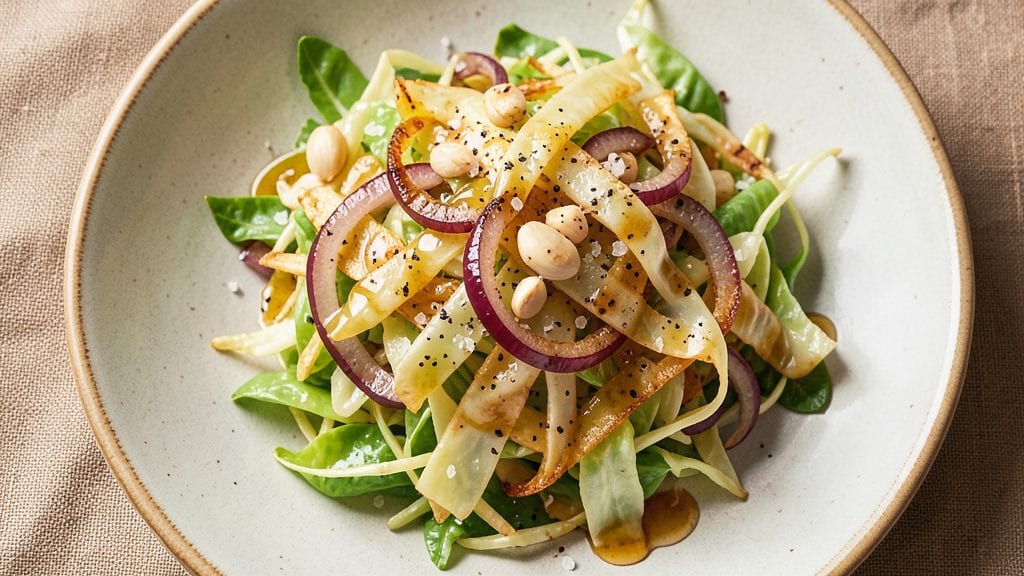
This cabbage fry recipe transforms humble green leaves into golden, caramelized bites that disappear faster than you can say "seconds, please."
After years of testing different techniques—including one disastrous batch where I nearly set off the smoke alarm—I finally perfected a method that delivers crispy edges and tender centers every time. The secret lies in high heat and patience, two things my Nonna always said were essential in any kitchen.
What makes this recipe special is its versatility and simplicity. You'll need just one pan, a sharp knife, and about 20 minutes of active time to create a side dish that's crispy enough to stand up to hearty mains but tender enough to melt in your mouth.
The cabbage develops a deep, caramelized flavor that's far more complex than raw green leaves, thanks to the Maillard reaction working its magic. I've tested this with green, red, and Savoy cabbage—each brings something unique to the table.
By the time you're done, you'll have a pan full of crispy, caramelized cabbage that's perfect for serving alongside roasted meats, grilled fish, or even as a vegetarian main with a dollop of sour cream.
The aroma alone will have everyone at the table asking for seconds, and the texture—crunchy outside, slightly sweet inside—is impossible to resist. This is the kind of side dish that elevates any meal without stealing the spotlight.
For those who love a little extra flavor, I've included optional additions like crispy bacon or caramelized onions in the variations section. The recipe also adapts easily to dietary preferences—just omit the bacon for a vegetarian version. Let's get cooking!
Ingredients for cabbage fry
One pan, eight ingredients, and 20 minutes transform simple cabbage into crispy, caramelized bites.
| Ingredient | Amount | Notes |
|---|---|---|
| Green Cabbage 🥬 | 1 ½ lb | Whole head, shredded thinly |
| Olive Oil 🫒 | ¼ cup | Extra-virgin for high heat |
| Salt 🧂 | 1 ½ tsp | Kosher or sea salt |
| Black Pepper 🌶️ | ½ tsp | Freshly ground preferred |
| Garlic Cloves 🧄 | 3 cloves | Minced, optional for flavor |
| Apple Cider Vinegar 🍎 | 1 tbsp | For brightness (optional) |
| Brown Sugar 🍯 | 1 tbsp | Light or dark variety |
| Bacon 🥓 | 4 oz | Crispy, chopped (optional) |
| Red Onion 🧅 | ¼ cup | Thinly sliced (optional) |
The cabbage is everything here—green cabbage works best for that perfect crunch, but red or Savoy add color and slightly different textures. Grab a whole head from the store's produce section (the smaller ones tend to be fresher). If you see any wilted outer leaves, just peel those back—the good stuff is inside. I always buy organic when possible, but regular cabbage works too. Look for heads that feel heavy for their size—those are packed with moisture and flavor. For the optional bacon, thick-cut from Costco or Trader Joe's stays crispy longer. If you're skipping it, the apple cider vinegar adds a tangy kick that balances the caramelization.
No olive oil? Avocado oil or butter works too—just watch the butter so it doesn't burn. Short on brown sugar? White sugar plus a pinch of cinnamon gets you close. The garlic is optional but worth it—roast it first for deeper flavor if you're feeling fancy. For the onions, caramelize them separately if you want extra sweetness, or just toss them in raw for quick color. If you're making this for a crowd, double the cabbage and use two pans—don't overcrowd, or you'll end up with soggy leaves instead of crispy bites. And trust me, nobody wants soggy cabbage.
This keeps best at room temperature for 2-3 hours if you're serving it right away, but honestly, it's even better the next day once the flavors have time to meld. Store leftovers in an airtight container in the fridge for up to 5 days. Reheat in a skillet over medium heat with a splash of water to restore crispiness. Freezing isn't ideal—it turns soft—but you can portion it into single servings and reheat as needed. I always make extra because it disappears so fast. Leftovers make great sandwich fillings or a quick stir-fry base.
Why You'll Love This Recipe
- I swear by this combo: cabbage and garlic. That’s it. No fussing with herbs or spices you don’t have—just slice, fry, and let the olive oil work its magic. The cabbage caramelizes into something almost sweet, while the garlic adds that bold punch without overpowering.
- Two-Ingredient Core: I swear by this combo: cabbage and garlic. That’s it. No fussing with herbs or spices you don’t have—just slice, fry, and let the olive oil work its magic. The cabbage caramelizes into something almost sweet, while the garlic adds that bold punch without overpowering.
- Weeknight Crutch: Honestly, this is the dish I turn to when I’m staring at a half-empty fridge and a 30-minute deadline. Toss in whatever scraps you’ve got (a handful of onions, maybe a pinch of chili flakes), and it’s still ridiculously good. No last-minute grocery runs needed.
- Leftover Reinvention: Between us, I make this too much on purpose. The leftovers? Perfect for lunch wraps the next day or a quick stir-fry boost. Even my picky-eater husband asks for seconds—no questions asked. That’s the real test.
Step-by-step instructions for crispy cabbage fry
Here's how to transform simple ingredients into perfectly caramelized, crispy cabbage bites with tender bacon and sweet-savory depth.
Prep the Cabbage and Cook the Bacon
Start by cutting the 1.5 lb green cabbage in half lengthwise, removing the core, and shredding it thinly using a sharp knife or mandoline. The thinner the shreds, the crispier they'll become. Place the shredded cabbage in a large bowl and set aside.
In a large skillet over medium heat, add the 4 oz bacon in a single layer. Cook for 8-10 minutes, stirring occasionally, until the bacon is deep golden brown and crispy. Remove the bacon with a slotted spoon and transfer it to a paper towel-lined plate, leaving the rendered fat in the skillet. This bacon fat will become the flavor base for your cabbage fry.
Sauté the Onion and Garlic
Add the 0.25 cup red onion to the skillet with the bacon fat and cook over medium heat for 3-4 minutes, stirring frequently, until the onions soften and begin to turn translucent. This step builds flavor and prevents the onions from burning when the cabbage goes in.
Stir in the 3 cloves minced garlic cloves and cook for another 30 seconds until fragrant. You'll know it's ready when the garlic releases its aroma—don't let it brown or it'll turn bitter. Remove the skillet from heat for a moment to let the garlic cool slightly before adding the cabbage.
Caramelize the Cabbage
Return the skillet to medium-high heat and add the shredded cabbage in a single layer. Sprinkle with 1.5 tsp salt and 0.5 tsp black pepper, then stir to coat evenly. Cook for 5-6 minutes, stirring occasionally, until the cabbage begins to soften and take on a golden hue at the edges.
Here's where the magic happens: Reduce heat to medium and continue cooking for another 8-10 minutes, stirring every 2-3 minutes. The cabbage will release moisture as it cooks down. This is normal—let it evaporate completely for maximum crispiness. You're aiming for cabbage that's tender yet still holds its shape with crispy edges.
Add Sweetness and Finish Cooking
Stir in the 1 tbsp brown sugar and 1 tbsp apple cider vinegar, then add the crispy bacon back to the skillet. Toss everything together and cook for 3-4 minutes until the cabbage is deep golden brown in spots and the sugar has caramelized slightly. The vinegar adds brightness while the sugar enhances the natural sweetness of the cabbage.
Taste and adjust seasoning if needed—you might want to add a pinch more salt or pepper to balance the sweetness. The final texture should be a perfect mix of tender cabbage with crispy edges and crunchy bacon bits throughout. Serve immediately while hot for the best texture and flavor.
Pro Tips For Making Cabbage Fry
- CUT CABBAGE SMALLER THAN YOU THINK: I learned this the hard way—big chunks stay tough no matter how long you cook them. Aim for ½-inch slices or shreds like coleslaw; they’ll soften faster and crisp up better at the edges. (Yes, even if you’re impatient like me.)
- SWEAT GARLIC FIRST: Toss minced garlic into the olive oil before the cabbage and cook until it’s golden—about 30 seconds. This prevents burning later and adds depth. Skip this, and you’ll just get raw garlic flavor.
- SALT THE CABBAGE BEFORE COOKING: Toss shredded cabbage with ½ teaspoon salt right after chopping. Let it sit 10 minutes—this draws out water, so it fries up crispier instead of steaming. (Your future self will thank you.)
- USE A LID FOR 5 MINUTES: After adding cabbage, cover the pan for the first 5 minutes to steam out moisture. Then remove the lid and crank the heat—this guarantees caramelization instead of soggy greens. (Does it look weird? Yes. Does it work? Every single time.)
Troubleshooting this recipe
Uneven Cooking Fix
If your cabbage turns out mushy in spots while others stay raw, you're likely overcrowding the pan. The cabbage needs room to breathe for that perfect crispy texture. Cook in two batches if needed—trust me, it's worth the extra time.
I once burned a batch because I tried to rush it, and let's just say my kitchen smelled like regret for hours. 🔥
Moisture Problem
Cabbage releases a ton of moisture as it cooks, which can turn your crispy dream into a soggy nightmare. After adding the cabbage, let it cook undisturbed for 5 minutes on medium-high heat to evaporate excess moisture before stirring. This creates a better sear and prevents steaming.
Burnt Edges
If your cabbage edges turn black before the centers cook through, your heat is too high. Start with medium heat and only increase to medium-high once the cabbage is evenly coated.
I use a 12-inch cast-iron skillet from Lodge—it retains heat beautifully but doesn't scorch if you pay attention. Stir frequently to prevent hot spots.
Underseasoned Result
Sometimes the cabbage tastes bland because the flavors didn't meld properly. After adding the sugar and vinegar, let everything cook together for an extra 2-3 minutes to develop the caramelization.
If it's still lacking, finish with a squeeze of lemon juice or a sprinkle of smoked paprika—both add depth without overpowering.
Bacon Too Soft
If your bacon ends up limp instead of crispy, it didn't cook long enough. Cook it until it's deep golden brown and the fat is sizzling—this takes about 8-10 minutes for thick-cut bacon.
Remove it with a slotted spoon and drain on paper towels before adding it back at the end. The extra fat in the pan actually helps crisp the cabbage, so don't rinse it out.
Sticky Pan Nightmare
Nothing ruins a good cabbage fry like a stuck-on mess. After cooking, add 2 tbsp apple cider vinegar to the hot pan and let it bubble for 1 minute to break down any stuck bits.
Then scrape with a silicone spatula—this works better than soap and water for stubborn cabbage residue. I keep a bottle of vinegar handy just for this purpose. 💡
Nutrition facts
Frequently asked questions
Can I use red or Savoy cabbage instead of green?
Red cabbage adds vibrant color and a slightly sweeter, earthier flavor, while Savoy has more delicate leaves that crisp up beautifully. Just shred them thinner than usual—Savoy's loose leaves need extra attention to prevent burning. For red cabbage, you might want to add an extra ½ tsp salt to help draw out moisture faster.
How do I make this vegetarian?
Skip the bacon entirely and boost flavor with 1 tbsp soy sauce or 1 tsp smoked paprika instead. For extra richness, stir in 1 tbsp olive oil at the end or top with toasted pecans or walnuts for crunch. The caramelized onions and apple cider vinegar will still give you that satisfying depth without meat.
What's the best way to reheat leftovers?
Spread leftover cabbage fry on a baking sheet and bake at 400°F for 5-7 minutes to restore crispiness. For stovetop reheating, use medium heat and add 1 tbsp water to the pan—this creates steam that helps revive the texture. Avoid microwaving, as it turns cabbage rubbery. Store leftovers in an airtight container for up to 5 days.
Can I make this in an air fryer?
Yes! Toss shredded cabbage with 1 tbsp olive oil, 1 tsp salt, and ½ tsp pepper, then air fry at 375°F for 12-15 minutes, shaking the basket every 5 minutes. For extra flavor, sprinkle with brown sugar halfway through. The air fryer version is lighter but won't get quite as crispy as pan-frying—perfect for those watching fat content.
Why does my cabbage turn mushy?
Overcrowding or stirring too soon are the usual culprits. Cabbage releases moisture as it cooks—let it sit undisturbed for 5 minutes on medium-high heat to evaporate excess liquid before stirring. Also, avoid adding too much liquid (like vinegar) too early. If needed, cook in two batches for maximum crispiness.