Main Courses
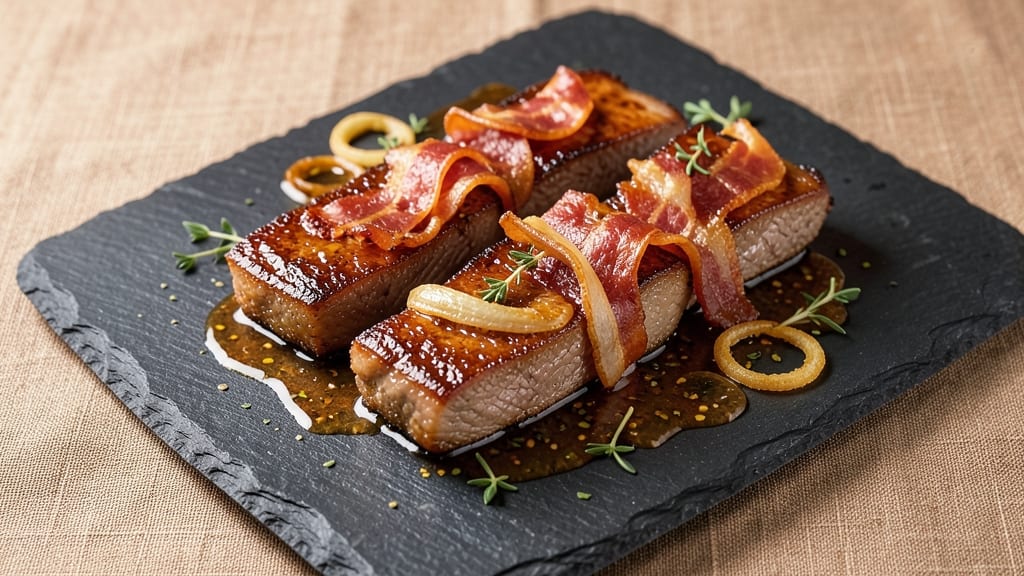
Mastering calf's liver recipe transforms this rich, delicate protein into a restaurant-quality centerpiece that commands attention at any table. After years of perfecting this technique—starting with my grandmother’s Sunday roast chicken—I’ve developed a method that ensures tender, crispy edges while preserving the liver’s natural succulence.
The key lies in precise preparation and quick cooking to avoid overcooking, a lesson I learned the hard way early in my cooking career.
This recipe combines classic French techniques with modern shortcuts to deliver foolproof results in just 15 minutes of active cooking. You’ll start by trimming and cleaning the liver, then searing it in a hot pan until golden, before finishing with crispy bacon bits and fresh herbs.
The secret weapon? A foolproof method for achieving perfect doneness every time, even for home cooks who’ve avoided liver in the past.
What you’ll end up with is a dish that’s rich, aromatic, and visually stunning—crispy edges framing tender, buttery centers, all topped with crispy bacon and bright herbs. The liver’s natural iron content pairs beautifully with the smoky depth of bacon, while the herbs add a fresh contrast.
This is the kind of meal that elevates a simple weeknight dinner into something memorable.
Serve with caramelized onions, roasted potatoes, or a crisp green salad to balance the richness. The technique works equally well for grilling or pan-searing, making it versatile for any occasion. Let’s get started on a dish that proves liver doesn’t have to be intimidating—just perfectly executed.
Ingredients for calf's liver
Rich, delicate calf's liver transformed into a restaurant-quality centerpiece with precise preparation and quick cooking.
| Ingredient | Amount | Notes |
|---|---|---|
| Fresh Calf's Liver 🥩 | 1 lb | Trimmed of connective tissue |
| Unsmoked Bacon 🥓 | 6 oz | Thinly sliced, cut into lardons |
| Extra-Virgin Olive Oil 🫒 | 2 tbsp | High smoke point preferred |
| Unsalted Butter 🧈 | 2 tbsp | Cold, cubed for searing |
| Shallots 🧅 | 2 whole | Thinly sliced, peeled |
| Fresh Thyme Leaves 🌿 | ¼ cup | Stems removed, finely chopped |
| Fresh Parsley Leaves 🌿 | ¼ cup | Curly parsley preferred |
| Diamond Crystal Kosher Salt 🧂 | 1 tsp | Fine grain preferred |
| Freshly Ground Black Pepper 🌶️ | ½ tsp | Coarse grind preferred |
| Fresh Lemon Juice 🍋 | 1 tbsp | From organic lemons |
| Dijon Mustard 🍯 | 1 tsp | High-quality, smooth |
| Heavy Cream 🥛 | ¼ cup | Full-fat for richness |
| Garlic Cloves 🧄 | 2 cloves | Minced, peeled |
The quality of calf's liver is paramount—opt for organic, grass-fed from specialty butchers like D'Artagnan or your local high-end grocer. Look for vibrant color and firm texture; avoid any with yellowing or soft spots. Trim all connective tissue meticulously using a sharp knife—this step ensures the liver cooks evenly and remains tender. Freshness is critical; use within 2 days of purchase. For bacon, thinly sliced, unsmoked cuts render fat beautifully without overpowering the delicate liver flavor. Store liver in the coldest part of your fridge, wrapped in paper towels to absorb excess moisture.
No fresh thyme? Dried thyme at one-third the amount works, but fresh provides superior aroma. Substitute parsley with chives or chervil for a different herbal note. For a dairy-free version, replace heavy cream with coconut cream or cashew cream. The Dijon mustard can be swapped for whole-grain mustard for texture contrast. If you lack shallots, green onions or red onion suffice, though shallots add a delicate sweetness. Bacon can be pre-cooked and crumbled, but freshly rendered fat during searing creates the signature crispy edges. Always use high-quality extra-virgin olive oil—lower grades can impart bitter flavors.
Liver must be cooked immediately after trimming to preserve texture. Store prepped ingredients separately: liver in an airtight container, herbs wrapped in damp paper towels, and bacon in a sealed bag. The completed dish holds for 2 days in the refrigerator, though it's best served fresh. For make-ahead convenience, marinate the liver in the herb mixture for up to 4 hours before cooking. Freeze cooked liver in single portions for 3 months, though texture may slightly degrade. Reheat gently in a skillet with a splash of water to maintain moisture.
Why You'll Love This Recipe
- One-Pan Magic: I swear by this recipe when I’m too tired to scrub pots—just sear the liver with bacon in the same pan, toss in shallots, and you’re done. The bacon fat renders into pure flavor, so cleanup’s a breeze.
- Rich, Crispy Contrast: That first bite? Buttery, seared edges with a tender center—like a fancy steak but for your liver. The bacon adds smoky depth, and the shallots caramelize into sweet little pockets of flavor.
- Weeknight or Dinner Party: Honestly, it’s my go-to for both: throw it together for a quick weeknight meal, or dress it up with a splash of wine and fresh herbs for guests. The liver feeds two, but the leftovers (if there are any) reheat beautifully.
- Budget-Friendly Protein: Calf’s liver is cheaper than steak but packs serious umami punch. A single panful stretches easily—save half for tomorrow’s lunch or freeze it for when you’re craving something special without breaking the bank.
Step-by-step instructions for pan-seared calf's liver with herbs and crispy bacon
Mastering this recipe delivers a luxurious balance of crispy bacon, velvety liver, and aromatic herbs.
Prepare the Calf's Liver for Even Cooking
Begin by trimming any visible connective tissue from the 1 lb fresh calf's liver using a sharp knife. I like to make ¼-inch thick slices across the grain for even cooking—this prevents toughness and ensures a perfect sear. Pat each slice dry with paper towels, removing all moisture to achieve that coveted crispy exterior.
Season both sides generously with 1 teaspoon diamond crystal kosher salt and ½ teaspoon freshly ground black pepper. Let the liver sit at room temperature for 15 minutes while you prepare the bacon. This resting period ensures even cooking and prevents overcooking the center. The salt will draw out any remaining moisture, creating an ideal surface for searing.
Render the Bacon and Build the Flavor Base
In a large skillet, cook the 6 oz unsmoked bacon over medium heat for 8-10 minutes until the fat renders and the bacon becomes deep golden brown and crispy. Remove the bacon with a slotted spoon, leaving the rendered fat in the pan. This bacon fat is liquid gold for searing the liver—it adds richness and prevents sticking.
Reduce the heat to medium-low and add 2 tablespoons extra-virgin olive oil and 2 tablespoons cold unsalted butter. Swirl the pan to coat the bottom evenly. The butter will foam briefly—this is normal. Add the 2 whole shallots and 2 cloves minced garlic, cooking for 3-4 minutes until the shallots soften and turn translucent. Here's where the flavor foundation begins to develop—don't rush this step or the aromatics will burn.
Sear the Liver to Perfection
Increase heat to medium-high and add the prepared liver slices. Sear for 1 minute 30 seconds per side until the edges develop a deep golden brown crust and the center remains slightly pink (about 130°F internally). The key is to resist the urge to flip too soon—you'll know it's ready when the edges release easily from the pan. Overcooking liver turns it tough; undercooking leaves it raw.
Remove the liver from the skillet and set aside on a warm plate. The residual heat will carry it to perfect doneness. Keep the skillet on the burner—we'll use it for the sauce. This is where precision matters most: the liver should be tender yet firm, not mushy or rubbery.
Create the Herb Cream Sauce
Return the skillet to medium heat and add ½ cup fresh thyme leaves and ½ cup fresh parsley leaves. Stir for 30 seconds to release their essential oils. Pour in 1 tablespoon fresh lemon juice and 1 teaspoon dijon mustard, scraping up any browned bits from the bottom of the pan. These bits, called fond, pack intense flavor that transforms an ordinary sauce into something extraordinary.
Gradually whisk in the ¼ cup heavy cream, allowing it to warm through but not boil. Simmer for 1-2 minutes until slightly thickened. The sauce should coat the back of a spoon but remain silky, not clumpy. Taste and adjust seasoning with additional salt or pepper if needed. This sauce balances the richness of the liver with bright acidity and herbal freshness.
Plate and Serve Immediately
Return the liver to the skillet with the sauce, spooning it generously over each slice. Let it heat through for 30 seconds, then transfer to plates. Top with the crispy bacon lardons and garnish with additional fresh parsley leaves for color and freshness. Serve immediately while the liver is still warm—calf's liver continues to cook off the heat.
The result should be a plate that wows: crispy bacon bits contrasting with silky, seared liver, all bathed in a herb-infused cream sauce. Each bite delivers a perfect harmony of textures and flavors—rich, crisp, and aromatic. For best results, serve with buttered egg noodles or roasted potatoes to soak up every last bit of that luxurious sauce.
Pro Tips For Making Calf'S Liver
- Slice Liver Evenly: Grab a sharp knife and cut the liver into ½-inch thick slices—any thicker, and the center stays raw; any thinner, and it dries out before the edges brown. I used to eyeball it and ended up with uneven cooking every time.
- Salt Liver First: Sprinkle the liver with ½ teaspoon salt per pound and let it sit for 10 minutes before cooking. This draws out moisture so it sears properly instead of steaming in its own juices—trust me, it makes a real difference.
- Render Bacon Low: Cook the bacon slow and low until crisp, then remove it to a plate—don’t drain the fat. That rendered bacon fat is liquid gold for searing the liver, and skipping it means missing out on flavor and a perfect crust.
- Shallots Should Sizzle: After removing the bacon, crank the heat and let the shallots brown for 30 seconds before adding butter. That quick caramelization adds depth, and it’s the thing that separates a good dish from a forgettable one. (Yes, even if you’re impatient like me.)
Storing and reheating your leftovers
Refrigerator Storage
Cooked calf's liver stores best in the refrigerator for up to 2 days when properly handled. Transfer it to an airtight container with a lid, allowing the sauce to sit on top to prevent drying. I like using glass containers like Pyrex because they maintain temperature consistency.
Let the liver cool completely before storing—this prevents condensation and keeps the texture intact. The sauce will thicken slightly, but a quick reheat brings it back to silky perfection. 🥧
Freezer Storage
For longer storage, freeze cooked liver in single-serving portions wrapped tightly in plastic wrap followed by a layer of aluminum foil. I find this works best for 3 months without significant texture loss. Label each portion with the date and reheating instructions.
Thaw overnight in the refrigerator before reheating—never at room temperature, as this risks bacterial growth. The liver will lose some of its crispy edges after freezing, but the core flavor remains rich and satisfying. ❄️
Reheating Methods
My preferred method is reheating in a skillet with a splash of water or broth to maintain moisture. Place the liver in a medium-heat skillet and add 1 tablespoon water or beef broth. Cover with a lid and heat for 2-3 minutes until warmed through to 130°F internally.
Avoid high heat—it can dry out the liver. For microwave reheating, use 50% power for 30-second intervals, stirring between each, until heated through. The sauce may separate slightly, so stir vigorously to re-emulsify before serving.
Reviving Texture
If reheated liver feels slightly dry, don't despair—it's an easy fix. Add a few drops of heavy cream or a pat of butter to the skillet while reheating. The fat will restore moisture and richness.
For extra crispiness, sprinkle with crumbled bacon bits during reheating to recreate that signature texture contrast. I also recommend adding a pinch of salt to brighten flavors after reheating—cooked liver often needs a seasoning boost. The key is gentle heat and quick timing to preserve tenderness. 💡
Make-Ahead Tips
For meal prep, partially cook the liver (sear but don't finish) and store in the refrigerator. Complete cooking when ready to serve—this ensures perfect doneness every time. I've found that marinating the liver in the herb mixture for 4 hours before cooking enhances flavor without compromising texture.
Store prepped ingredients separately: liver in an airtight container, herbs wrapped in damp paper towels, and bacon in a sealed bag. This keeps everything fresh and ready for quick assembly. 📅
Serving Leftovers
Leftovers make an excellent breakfast hash the next morning. Chop the reheated liver into ½-inch cubes and sauté with diced potatoes, onions, and a fried egg. The bacon bits add smoky depth to this hearty dish.
For a lighter option, serve on toasted sourdough with a dollop of herbed cream cheese. Remember, calf's liver is best enjoyed fresh, but with these techniques, leftovers can become a new favorite. The secret is keeping it warm and moist—never dry or rubbery. 🍳
Nutrition facts
Frequently asked questions
Why does calf's liver need to be cooked so quickly?
Calf's liver is extremely delicate and cooks in just 2-3 minutes per side to avoid toughness. The high iron content makes it prone to overcooking, turning it rubbery or dry. Quick searing at medium-high heat creates a crispy crust while keeping the inside tender. Think of it like cooking a perfect steak—timing is everything!
Can I substitute beef liver for calf's liver in this recipe?
Yes, but expect slightly different texture and flavor. Beef liver is larger and tougher, so slice it ⅛-inch thick and cook 1 minute per side. Calf's liver has a more delicate, buttery texture that pairs beautifully with the crispy bacon. For best results, use calf's liver when possible.
What's the best way to remove the bitter taste from liver?
The key is soaking the liver in buttermilk or lemon juice for 30-60 minutes before cooking to mellow the flavor. For this recipe, the crispy bacon and herb cream sauce mask any bitterness while adding richness. Also, trimming all connective tissue and cooking over high heat prevents a gamey taste.
How do I know when calf's liver is fully cooked?
Use a meat thermometer for precision—calf's liver should reach 130°F internally. Visually, it should have a deep golden crust with a slightly pink center (not red). Overcooking turns it gray and rubbery. The 1 minute 30 seconds per side rule works for ¼-inch thick slices in a hot pan.
What are the best side dishes to serve with this recipe?
Rich liver pairs perfectly with starchy sides to balance its intensity. Try creamy mashed potatoes, buttered egg noodles, or roasted baby potatoes. For freshness, add a crisp green salad with lemon vinaigrette or sautéed mushrooms** with garlic. The acidity cuts through the richness beautifully.