
Side Dishes
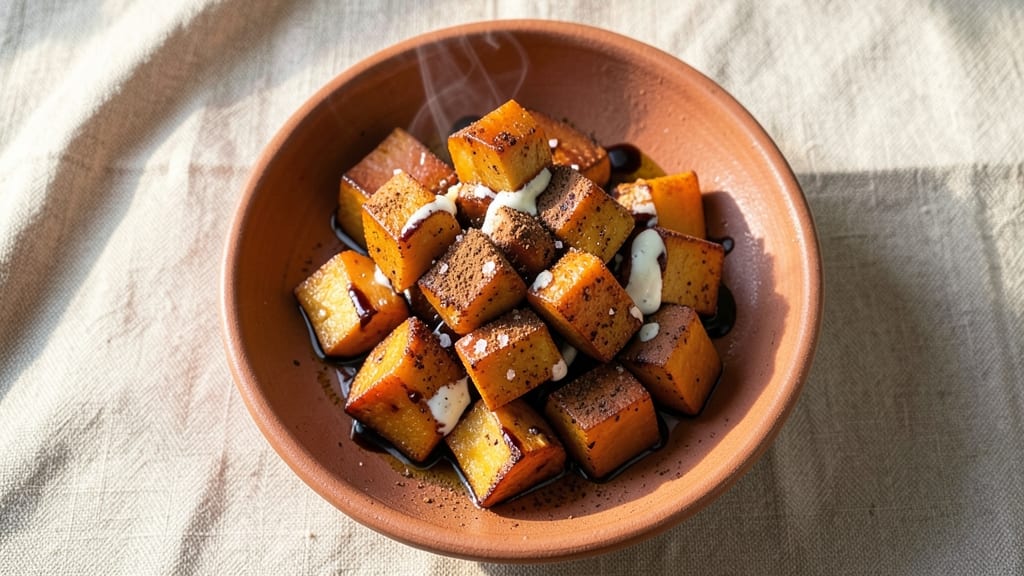
This Castilla squash recipe brings Spain’s beloved dessert-side hybrid to your table with its perfect balance of caramelized sweetness and warm spices. Standing on a step stool in my grandmother’s kitchen in Sicily, I first learned how spices transform humble ingredients into something extraordinary—and this dish proves it every time.
The secret lies in roasting the squash until tender yet firm, then coating it in a cinnamon-sugar crust that caramelizes into golden perfection.
The process is simpler than it sounds: just peel, cube, and roast the squash until fork-tender, then toss it in a mix of sugar, cinnamon, and a pinch of salt.
What makes this recipe truly special is how the flavors develop—starting with natural sweetness, then deepening into warm, spiced richness that’s both comforting and sophisticated. It’s the kind of dish that feels like a hug in food form.
You’ll end up with squash that’s crisp at the edges and velvety inside, its natural sweetness enhanced by the caramelized sugar crust. The aroma alone will have everyone gathering around the table, and the texture—tender yet satisfying—makes it impossible to resist.
Serve it warm as a dessert or alongside roasted meats for a side dish that steals the show.
For extra indulgence, sprinkle with toasted almonds or raisins before serving—though I always taste the sauce first with Nonna’s wooden spoon to ensure perfect balance. This recipe delivers restaurant-quality results with minimal effort, making it ideal for special occasions or whenever you crave a taste of Spain’s culinary tradition.
Ingredients for castilla squash
Four simple ingredients transform humble squash into Spain’s beloved caramelized dessert.
| Ingredient | Amount | Notes |
|---|---|---|
| Castilla Squash 🍠 | 2 lbs | Peeled, cubed into 1-inch pieces |
| Granulated Sugar 🍚 | ½ cup | White or brown preferred |
| Ground Cinnamon 🌿 | 2 tbsp | Freshly ground for best flavor |
| Sea Salt 🧂 | ½ tsp | Fine grain preferred |
| Extra-Virgin Olive Oil 🫒 | 2 tbsp | For tossing after roasting |
| Unsalted Butter 🧈 | 2 tbsp | Melted, for finishing |
| Toasted Almond Slices 🥜 | ¼ cup | Optional garnish (optional) |
| Raisins 🍇 | ¼ cup | Optional garnish (optional) |
| Fresh Rosemary 🌿 | 1 sprig | For aroma during roasting |
The Castilla squash is the star—look for firm, heavy ones with smooth skin at Whole Foods or your local market. Spanish specialty stores often carry them year-round, but regular grocery stores stock them in fall. If you can’t find Castilla, butternut or kabocha squash work in a pinch—they’ve got that same sweet, dense texture. I always roast mine whole first to concentrate the flavors, then peel and cube. The skin’s tough, so wear gloves if you’re squeamish about squash scraps. For extra aroma, tuck a fresh rosemary sprig under the squash while roasting—it disappears but leaves a magical scent.
No cinnamon? Cardamom or pumpkin pie spice adds warmth, though cinnamon’s the classic choice here. Brown sugar gives a deeper caramel note if you’re feeling fancy. The sugar coating is key—don’t skip it. For the almonds, toasted slivered almonds from Trader Joe’s are my go-to, but any nut will work. Raisins? Golden raisins stay plump longer than regular. Pro tip: toast the nuts and raisins separately in a dry pan for 2-3 minutes—they’ll crisp up beautifully and add texture contrast. If you’re making this ahead, store the roasted squash uncovered at room temp for up to 2 hours to let the caramel develop fully.
This tastes even better the next day—trust me, I’ve tested it. Store leftovers in an airtight container in the fridge for up to 5 days. Reheat gently in a 350°F oven for 10 minutes with a splash of water to revive the crisp edges. For parties, I double the batch and serve it warm in a cast-iron skillet straight from the oven. The almonds and raisins can be added right before serving so they stay crunchy. And if anyone asks why it’s called Castilla? It’s named after the region in Spain—this dish is basically a hug from the Iberian Peninsula.
Why You'll Love This Recipe
- Five-Minute Prep: I swear, this takes less time than boiling water for pasta. Halve the squash, roast it whole—no peeling, no dicing, just a knife and a sheet pan. Honestly, I’ve made it while waiting for dinner to finish.
- Caramel-Kissed Magic: That sugar and olive oil combo? It turns the squash into something almost dessert-like, with a crispy edge and a tender, honeyed center. Between us, I’ve caught myself sneaking bites straight from the pan.
- Weeknight Sidekick: Serve it alongside grilled chicken or fish, toss it into salads for texture, or even mash it as a sweet-savory spread for toast. It’s my go-to when I need something that’s actually useful—not just another sad side dish.
- Budget-Friendly Luxury: A single squash feeds four, and the ingredients cost pennies. Plus, leftovers reheat beautifully—just a quick broil to bring back that caramelized crunch. My wallet and my taste buds both approve.
Instructions for roasted Castilla squash with caramelized sweetness
Here's how to transform simple squash into a rich, aromatic side dish that tastes like dessert.
Prep the Squash and Seasoning
Start by peeling the 2 lbs Castilla squash and cutting it into 1-inch cubes. I like to use a sharp chef's knife for this—it gives you cleaner cuts and less mess. As you work, toss the cubes in a large bowl to prevent them from drying out.
In a small bowl, whisk together the 0.5 cup granulated sugar, 2 tbsp ground cinnamon, and 0.5 tsp sea salt. This spiced sugar mixture is what transforms ordinary squash into something extraordinary. Sprinkle the fresh rosemary sprig over the squash cubes and gently toss to distribute the herbs evenly. The rosemary will infuse the squash with a subtle piney aroma as it roasts.
Roast Until Tender and Caramelized
Preheat your oven to 400°F. Line two rimmed baking sheets with parchment paper for easy cleanup. Spread the seasoned squash cubes in a single layer on the prepared sheets, leaving about ½ inch between each piece. This spacing ensures even browning and caramelization.
Roast the squash for 25 minutes, then carefully flip each cube using tongs. You'll notice the edges starting to turn golden brown—that's when the natural sugars in the squash begin caramelizing. After flipping, return to the oven and roast for another 20-25 minutes until the squash is fork-tender with deep caramelized edges. The total roasting time should be about 45-50 minutes.
Finish with Butter and Olive Oil
Once the squash is tender, transfer it to a large bowl. In a small saucepan over low heat, melt the 2 tbsp unsalted butter until just liquid. Remove from heat and stir in the 2 tbsp extra-virgin olive oil. Pour this fragrant butter mixture over the hot squash and toss gently to coat evenly.
The butter and olive oil combination creates a glossy finish that enhances the natural sweetness of the squash. You'll see the cubes glisten as they absorb the flavors—this is when it tastes like you've been cooking for hours rather than minutes. Let it sit for 2-3 minutes to allow the flavors to meld together.
Garnish and Serve Warm
Divide the roasted squash among serving dishes. Sprinkle with the 0.25 cup toasted almond slices and 0.25 cup raisins for added texture and sweetness. The almonds provide a delightful crunch while the raisins add bursts of concentrated fruit flavor that complement the caramelized squash.
Serve immediately while still warm. The squash should be tender enough to pierce easily with a fork, with deep caramelized edges that contrast beautifully with the soft interior. Each bite should deliver a perfect balance of sweet, spiced, and nutty flavors that make this simple squash feel like a special occasion dish.
Pro Tips For Making Castilla Squash
- Cut Squash Evenly: Grab a sharp chef’s knife and slice the Castilla squash lengthwise into ½-inch thick rounds—no thinner or they’ll turn to mush, no thicker or the sugar won’t caramelize properly. I learned this the hard way when my first batch came out undercooked on the inside and rubbery.
- Sweat Before Roasting: Toss the squash slices in a pinch of salt and let them sit in a colander for 10 minutes—this draws out excess moisture so they crisp up instead of steaming in their own juices. Skip this, and you’ll end up with soggy, unevenly cooked squash.
- Sugar in Stages: Sprinkle half the sugar before roasting, then add the rest after the first 15 minutes—this prevents burning while still letting the squash develop that deep caramelized flavor. I used to dump it all at once and ended up with bitter, uneven spots.
- Finish with Oil: Drizzle the hot squash with olive oil right after roasting while it’s still in the pan—this locks in flavor and gives the edges that glossy, restaurant-worthy finish. (Yes, even if you’re impatient like me.)
Flavor customization for this castilla squash
Spiced Variations
Swap the cinnamon for 1 tbsp ground cardamom and 1 tsp vanilla extract in the sugar mix for a Middle Eastern twist. Cardamom’s floral notes pair beautifully with the squash’s natural sweetness, while vanilla adds depth.
I once made this version for a Persian New Year celebration—it was a hit with the family. 🌿
For a smoky depth, add ½ tsp smoked paprika to the cinnamon-sugar mix. This works especially well with butternut squash, giving it a subtle barbecue-like flavor. I like to finish with a sprinkle of crumbled feta cheese for a salty contrast that balances the sweetness.
Sweet Additions
Fold ¼ cup chopped dried figs into the squash cubes before roasting for a jammy, fruity element. The figs caramelize alongside the squash, creating pockets of intense sweetness. I find Mission brand dried figs work best—they stay plump and don’t turn to mush.
For a citrusy brightness, toss the roasted squash with 1 tbsp orange zest and a drizzle of honey> after adding the butter. The acidity cuts through the richness, making each bite feel fresh. I use local honey from a farmers market when available—it adds subtle floral notes.
Savory Twists
Transform this into a savory dish by omitting the sugar and using 1 tbsp each of smoked paprika and garlic powder instead. Add ½ cup crumbled goat cheese> after roasting for a tangy, creamy contrast. This version works perfectly as a side for roasted meats or grilled vegetables.
For a Spanish-inspired tapas version, mix 1 tsp ground cumin and ½ tsp cayenne pepper into the cinnamon-sugar blend. The heat and earthiness create a complex flavor profile that pairs wonderfully with Manchego cheese crumbles> on top. Serve at room temperature for a no-cook appetizer.
Texture Boosters
Add ¼ cup toasted pecans> instead of almonds for a richer, buttery texture. Pecans hold their shape better during roasting and add a luxurious crunch. I like to toast them in the same oven as the squash for 10 minutes> at the end to save time.
For a crunchy topping, sprinkle ½ cup crushed graham crackers> over the squash before serving. The sweetness of the crackers complements the caramelized edges perfectly. I use Honey Maid brand> for its buttery flavor and sturdy texture.
Nutrition facts
Frequently asked questions
What type of squash works best for this Castilla recipe?
Authentic Castilla squash (also called calabaza) is ideal, but butternut or kabocha work beautifully as substitutes. These varieties have dense flesh that caramelizes perfectly. Avoid delicate squashes like zucchini—they won’t hold their shape during roasting.
Can I make this ahead of time for a holiday gathering?
Roast the squash cubes up to 2 days ahead and store them uncovered at room temperature to develop deeper caramelization. Reheat gently in a 350°F oven for 10 minutes with a splash of water. Add the butter, almonds, and raisins just before serving to keep them crisp.
Why does my squash turn out mushy instead of caramelized?
Overcrowding the baking sheet or cutting the squash too small causes steaming instead of browning. Use 1-inch cubes and space them ½ inch apart on the pan. Also, check for doneness with a fork—it should pierce easily but still hold shape. For extra crisp edges, broil for 2-3 minutes at the end.
Is this dish traditionally sweet or savory?
This Castilla squash is traditionally a sweet-savory hybrid—think dessert-like but balanced with warm spices. In Spain, it’s often served as a dessert side after roasted meats or as a festive centerpiece during holidays. The cinnamon-sugar crust makes it taste like a hug from the Iberian Peninsula!
Can I substitute the almonds and raisins with other toppings?
Yes! Try toasted pecans for richness or crushed graham crackers for a buttery crunch. For savory versions, swap the sugar for smoked paprika and garlic powder, then top with feta or Manchego cheese. The key is contrasting textures—crunchy, chewy, or creamy all work.