
Side Dishes
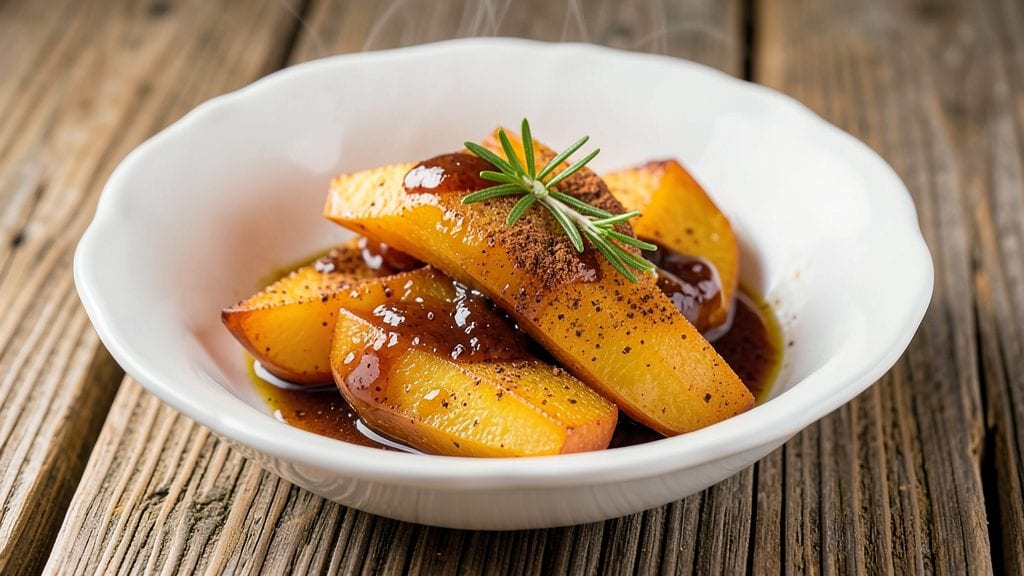
This gold beets recipe transforms humble beets into a showstopping side dish with their signature golden hue and tender-sweet flavor. The secret lies in roasting them with maple syrup and balsamic vinegar, which caramelizes beautifully while enhancing their natural earthiness.
I developed this method after realizing how often beets were overlooked in favor of more colorful vegetables—until I discovered their potential when roasted just right.
What makes these beets truly special is their perfect balance of sweetness and depth, achieved through a simple yet precise roasting technique. No animal products are needed—just olive oil, aromatic spices, and a touch of acidity from the vinegar.
The result? Beets that are tender yet firm, with a glossy finish that makes them irresistible. This recipe also pairs beautifully with plant-based alternatives like toasted walnuts or citrusy dressings, ensuring it fits seamlessly into any meal.
The process is straightforward: peel, trim, and roast the beets until they develop that coveted golden color, then finish with a drizzle of maple glaze for extra shine.
The aroma alone will draw everyone to the table, and the texture—creamy yet holding its shape—is what makes this dish stand out. Whether served alongside roasted vegetables, grain bowls, or as a standalone appetizer, these beets will elevate any plate.
For those who love experimenting, try adding a sprinkle of smoked paprika or a squeeze of lemon juice at the end for an extra layer of complexity.
The beauty of this recipe is its versatility—it’s vegan-friendly, naturally sweet, and packed with flavor without relying on heavy sauces or dairy. Let’s get cooking!
Ingredients for gold beets
Transform humble beets into golden perfection with these ten essential ingredients.
| Ingredient | Amount | Notes |
|---|---|---|
| Medium Gold Beets 🍠 | 4 whole | Organic preferred, uniform size for even roasting |
| Extra-Virgin Olive Oil 🫒 | ¼ cup | High-quality, fruity variety for optimal flavor |
| Pure Maple Syrup 🍯 | 2 tbsp | Grade A or B for robust flavor profile |
| Balsamic Vinegar 🍶 | 1 tbsp | Aged 12+ months for depth of flavor |
| Ground Cinnamon 🌿 | ½ tsp | Ceylon cinnamon for delicate warmth |
| Smoked Paprika 🌶️ | ½ tsp | Spanish smoked for authentic earthiness |
| Diamond Crystal Kosher Salt 🧂 | ¾ tsp | Fine grain for even distribution |
| Fresh Lemon Juice 🍋 | 1 tbsp | Freshly squeezed for bright acidity |
| Fresh Thyme Leaves 🌿 | ¼ cup | Organic preferred, stems removed |
| Toasted Walnuts 🥜 | ½ cup | Chopped, for garnish (optional) |
The foundation of this recipe lies in selecting the right beets—gold beets are ideal for their natural sweetness and vibrant hue, but regular beets work equally well. Whole Foods Market and Trader Joe's carry excellent organic varieties, or opt for pre-peeled beets at Costco for convenience. Ensure they're firm with no soft spots, as this indicates freshness. The maple syrup should be 100% pure with no additives, and Grade B offers deeper flavor than Grade A. For the balsamic vinegar, aged 12+ months is crucial—it provides that rich, caramelized depth that transforms this into a restaurant-quality side dish. Fresh thyme and walnuts elevate the dish further, so prioritize quality over quantity here.
No gold beets? Regular beets roast just as beautifully—simply adjust roasting time by 5-10 minutes. Substitute maple syrup with agave nectar if needed, though maple's unique flavor is preferred. For a smokier profile, swap smoked paprika for chipotle powder at half the amount. Fresh thyme unavailable? Dried thyme at one-third the quantity works, but fresh is ideal. The walnuts are optional but add a delightful crunch—pecans or almonds are excellent alternatives. If you're short on time, pre-chop the walnuts and store them in the freezer to save effort later. The lemon juice can be omitted if you prefer a sweeter profile, but it brightens the dish beautifully.
Store roasted beets in an airtight container in the refrigerator for up to 5 days, though they're best enjoyed within 2-3 days for optimal texture. For longer storage, freeze them in a single layer before transferring to a sealed bag, where they'll keep for up to 3 months. Reheat gently in the oven or microwave until warmed through. The maple glaze can be made ahead and stored in the fridge for 1 week, making this a perfect make-ahead dish. Garnish with walnuts just before serving to maintain their crispness—this is where the dish truly shines, so don't skip the final touch.
Why You'll Love This Recipe
- One-Pan Magic: Honestly, this recipe lives on a single sheet pan—roast the beets, drizzle the syrup and vinegar, sprinkle cinnamon, and pop it back in. No chopping, no fuss, just hands-off perfection while you sip wine or scroll through memes.
- Sweet-Savory Balance: That maple syrup and balsamic combo? It’s like a hug for your taste buds—deep, tangy, and just enough sweetness to make the earthy beets sing. The cinnamon? Tiny but mighty, adding warmth without overpowering.
- Weeknight Workhorse: Between us, these roasted beets disappear faster than I can say “leftovers.” Toss them into salads, mash them into hummus, or serve them as a side—even my picky teenager asks for seconds. (Yes, even on a Tuesday night.)
- Budget Bright Spot: Gold beets are cheaper than their deep-red cousins, and this recipe stretches them further than you’d think. A single pan of them feeds four, and the ingredients? Most are pantry staples. Frugal and flavorful—that’s my kind of win.
Step-by-step instructions for roasted gold beets with earthy sweetness
Transform humble gold beets into restaurant-quality roasted perfection using this precise technique.
Prepare the Beets for Even Roasting
Preheat your oven to 400°F and line a baking sheet with parchment paper. Rinse the 4 whole medium gold beets thoroughly under cold water to remove any dirt from their skins. Using a sharp chef's knife, trim off the leafy tops, leaving about ½ inch of stem intact. This prevents the beets from bleeding color into the oven.
Place the beets on a clean kitchen towel and gently pat them dry. The drier the skins, the better they'll brown during roasting. Arrange them in a single layer on the prepared baking sheet, leaving about 1 inch of space between each beet. This ensures even heat circulation and prevents steaming rather than roasting.
Season and Roast to Caramelized Perfection
In a small bowl, whisk together the 0.25 cup extra-virgin olive oil, 0.75 tsp diamond crystal kosher salt, 0.5 tsp ground cinnamon, and 0.5 tsp smoked paprika. Pour this mixture evenly over the beets, coating them completely. Use your hands to massage the oil into the skins, ensuring full coverage.
Roast the beets for 45-50 minutes, turning them with tongs every 15 minutes for even browning. They're perfectly done when a paring knife slides in easily and the skins have developed deep golden-brown patches. The internal temperature should reach 205°F—this ensures they're tender yet hold their shape.
Create the Glazed Finish
While the beets roast, prepare the glaze by combining the 2 tbsp pure maple syrup, 1 tbsp balsamic vinegar, and 1 tbsp fresh lemon juice in a small saucepan. Bring to a gentle simmer over medium-low heat and reduce by half—about 3-4 minutes—until it thickens slightly and becomes syrupy. Remove from heat and stir in the 0.25 cup fresh thyme leaves.
Once the beets are tender, transfer them to a serving platter. Spoon the thyme-infused syrup over the warm beets and toss gently to coat. The acidity of the lemon juice and depth of the balsamic will brighten the natural sweetness of the roasted beets, creating a perfect balance of flavors.
Garnish and Serve with Textural Contrast
Let the beets rest for 5 minutes to allow the glaze to set slightly. Before serving, sprinkle with the 0.5 cup toasted walnuts for a delightful crunch contrast. The walnuts should be warm from toasting—toss them in a dry skillet over medium heat for 3-4 minutes until fragrant and lightly golden.
Serve immediately while the beets are still warm, their skins crisp in places and their flesh tender with a natural sweetness enhanced by the glaze. Each bite should deliver a perfect harmony of earthy beet, smoky paprika, bright citrus, and nutty crunch. The presentation should be visually striking with deep golden hues and textural contrast at every layer.
Pro Tips For Making Gold Beets
- Trim the Tops First: Snip off the leafy greens before peeling—this keeps the beets from bleeding color into the pot water. I learned this the hard way when my first batch turned the broth an unappetizing pink. Just cut them off at the stem and save the greens for sautéing later.
- Roast at 400°F: Don’t underestimate the oven—gold beets need a hot start (400°F) to caramelize properly before you lower the heat. I used to roast at 375°F and ended up with beets that were soft but dull. Crank it up, then drop to 350°F halfway through.
- Whisk the Syrup: Pure maple syrup can crystallize over time, making it clumpy. Give it a quick whisk before measuring to ensure a smooth pour over the beets. I’ve wasted good olive oil trying to scrape gunk out of the bottle—don’t let that happen to you.
- Deglaze with Vinegar Last: Add the balsamic vinegar after roasting, not before—its acidity can make the beets turn mushy if exposed to heat too early. Toss it in the last minute with the cinnamon, and you’ll get that glossy, balanced glaze without compromising texture.
Make-ahead tips for leftovers
Prep Ahead
Roast the beets up to 2 days in advance—they actually taste better after resting as the flavors meld. After roasting, let them cool completely, then store in an airtight container with the glaze.
The skins will develop even deeper caramelization overnight, intensifying their golden hue. I like to reheat them in a 350°F oven for 10-15 minutes to revive their texture before serving. 💫
Glaze Prep
Make the maple-balsamic glaze 3 days ahead and store it in a small jar in the fridge. When ready to serve, simply reheat it gently in a saucepan over low heat for 2-3 minutes until warmed through.
This saves time on the day of serving and ensures you always have a quick finishing touch. The thyme leaves can be omitted during storage and added fresh just before tossing with the beets.
Walnuts Ready
Toast the walnuts 1 day ahead and store them in an airtight container at room temperature. They'll stay crisp for up to 5 days, making them perfect for quick garnishing.
For extra convenience, pre-chop them and store in the freezer—just thaw and toast for 1-2 minutes before serving. This simple step ensures your dish always has that perfect crunchy contrast. 🥜
Portion Control
Divide the roasted beets into single-serving portions before storing. This makes reheating and serving effortless—just pop them in the oven or microwave for 2-3 minutes until warmed through. Portion the glaze separately so you can drizzle it fresh at the table, keeping that vibrant shine intact.
I use small glass ramekins for portioning, which also look beautiful on the table. 🍽️
Freezer-Friendly
For long-term storage, freeze the roasted beets (without the glaze) in a single layer on a baking sheet for 1 hour to prevent sticking. Transfer them to a freezer bag with parchment paper between layers.
Thaw overnight in the fridge before reheating. The glaze can be frozen separately and reheated with the beets. This method preserves texture and flavor for up to 3 months. 🧊
Make-Ahead Meal Plan
Use these roasted beets as the centerpiece of a meal prep strategy. Pair them with pre-cooked grains like quinoa or farro, and store everything in separate containers. Assemble your bowls just before eating to maintain freshness and texture.
I often prep a big batch on Sunday and use them throughout the week in salads, grain bowls, or as a side. The versatility makes them a game-changer for busy schedules. ⏰
Nutrition facts
Frequently asked questions
Why do these roasted beets turn golden instead of their usual deep red?
The golden hue comes from the maple syrup caramelization and the natural sugars in the beets breaking down during roasting. The 400°F heat and 45-50 minutes create a Maillard reaction that transforms their color while enhancing their sweetness. The balsamic vinegar also adds depth that intensifies the golden tones.
Can I use regular beets instead of gold beets for this recipe?
Regular beets work perfectly—they just might take 5-10 extra minutes to roast to the same tenderness. The golden color will be less pronounced, but the flavor remains rich and sweet. For a deeper hue, add ½ tsp turmeric to the roasting oil.
What's the best way to store leftover roasted beets?
Keep them in an airtight container in the fridge for 5 days, or freeze for 3 months. Reheat gently in a 350°F oven for 10-15 minutes to restore texture. The glaze can be reheated separately—just warm it in a saucepan for 2-3 minutes before drizzling.
How can I make this recipe vegan if it uses honey?
This recipe is already vegan-friendly! The maple syrup replaces honey perfectly while adding a rich, caramelized depth. For extra sweetness, increase the maple syrup to 3 tbsp. The balsamic and lemon juice keep the dish bright and tangy without any animal products.
Can I roast beet halves instead of whole beets?
Yes, but whole beets roast more evenly and develop better caramelization. If using halves, reduce roasting time to 35-40 minutes and place them cut-side down on the baking sheet to prevent drying. For extra crispy edges, broil for 2-3 minutes at the end.