Appetizers
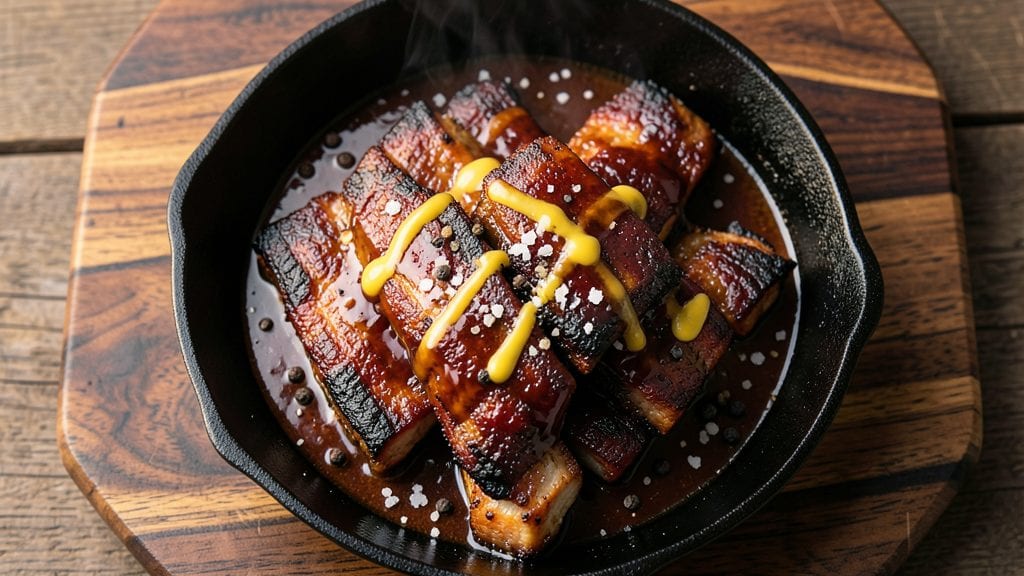
Mastering competition BBQ ribs isn't about luck—it's about precision, patience, and understanding how smoke transforms meat into a sticky-sweet triumph. Standing on a step stool in my grandmother’s kitchen in Sicily taught me that great cooking relies on technique, not shortcuts, and these ribs are no exception.
The key lies in a 3-day brine that tenderizes the meat while infusing it with deep flavor, followed by a dry rub that builds that coveted bark. Every step, from the slow smoke to the final sauce glaze, demands attention to detail.
What sets these ribs apart is the balance between tender meat and crispy bark, achieved through a 225°F smoke for 10-12 hours until the internal temperature hits 195-203°F. The sauce, applied in layers while the ribs rest, ensures a glossy finish that judges will notice immediately.
This isn’t just a recipe—it’s a method designed to deliver restaurant-quality results at home, with techniques proven in competitions. The effort pays off in every bite of fall-off-the-bone perfection.
Resting the ribs for 2 hours after cooking locks in juices, while the final sauce application—just before plating—creates that signature competition-worthy shine. Serve with a side of pickled vegetables or coleslaw to cut through the richness, and you’ll have a dish that commands respect at any BBQ table.
Whether you're competing or just cooking for family, these ribs are built to impress.
The secret weapon here is the wood choice: hickory for a classic smoke profile, but fruitwoods like cherry or apple can add subtle sweetness that elevates the dish further.
This recipe isn’t just about flavor—it’s about technique, and once you master it, you’ll understand why these ribs stand out. Let’s get started on creating a winner.
Ingredients for competition bbq ribs
Precision ingredients for competition-worthy ribs—where smoke meets sweetness in perfect balance.
| Ingredient | Amount | Notes |
|---|---|---|
| Pork Baby Back Ribs 🍖 | 6 lb | Bone-in, meaty sections preferred |
| Yellow Mustard 🍯 | ½ cup | For the 3-day brine base |
| Brown Sugar 🍚 | 1 cup | Light or dark, packed |
| Kosher Salt 🧂 | 1 cup | Diamond Crystal preferred |
| Black Peppercorns 🌶️ | 1 tbsp | Freshly cracked for depth |
| Garlic Powder 🧄 | 2 tbsp | No garlic salt substitution |
| Onion Powder 🧅 | 2 tbsp | For balanced sweetness |
| Smoked Paprika 🌶️ | 1 tbsp | For that competition bark |
| Ground Cumin 🌿 | 1 tbsp | Toasted for extra aroma |
| Hickory Wood Chips 🌳 | 4 cups | Unsoaked, competition-grade |
| Apple Wood Chips 🍎 | 2 cups | For subtle fruit sweetness |
| Apple Cider Vinegar 🍏 | ¼ cup | For the final sauce glaze |
| Ketchup 🍅 | 1 cup | Heinz preferred for consistency |
| Molasses 🍯 | ½ cup | Unsulphured for rich flavor |
| Worcestershire Sauce 🍶 | 2 tbsp | Lea & Perrins for authenticity |
The ribs are non-negotiable—look for baby back cuts with thick meat sections, not skinny bones. Costco or local butchers often have the best quality, but any reputable grocery store will do. The wood chips? Competition-grade is worth it—cheap store brands burn unevenly and leave bitter smoke. For the vinegar and molasses, Trader Joe's carries reliable brands that won’t ruin your sauce. And that brown sugar? Pack it tightly—no fluffing or you’ll end up with a dry rub.
No hickory chips? Pecan or oak work in a pinch, but the flavor won’t be identical. Subbing apple cider vinegar for balsamic? Use half the amount—balsamic’s way more concentrated. The Worcestershire sauce is non-negotiable for that umami punch, but Lee Kum Kee oyster sauce at half the amount can mimic it if you’re avoiding it. For the brine, if you’re short on time, 24 hours still works—just expect slightly less tender meat. And that molasses? Blackstrap is richer, but unsulphured is more accessible.
Store uncooked ribs in the coldest part of your fridge, covered loosely with paper towels—they’ll keep for 3 days before brining. The dry rub? Mix it in a sealed container and it’ll last 2 weeks in the pantry. Cooked ribs reheat beautifully—wrap tightly in foil and reheat at 250°F for 15 minutes. The sauce? Make a double batch—it’s perfect on cornbread or mashed potatoes too.
Why You'll Love This Recipe
- Four-Hinger Dry Rub: Just three ingredients—brown sugar, salt, and peppercorns—crushed and tossed. That’s it. No fancy equipment, no measuring by the gram, just pure, sticky-sweet magic that clings to every rib like a promise.
- No-Fuss Prep: Honestly, the hardest part is trimming the fat. I do it while watching TV—no stress, no rush. The ribs go straight from the fridge to the oven, and honestly? That’s half the battle won.
- Weeknight Crowd-Pleaser: Between us, these ribs disappear at parties, but they’re just as happy on a Tuesday. Double the batch, wrap leftovers tight, and you’ve got a meal that feeds the whole office—or your hangry teenagers after soccer practice.
- Sweet Stretch for Less: A full rack of baby backs costs less than takeout, and the dry rub uses pantry staples. That yellow mustard glaze? One jar lasts for months. I’ve fed six people for under $20, and somehow, everyone leaves happy.
Step-by-step instructions for competition BBQ ribs
Here's the method that transforms tough ribs into fall-off-the-bone perfection with that coveted competition bark.
Create the 3-Day Dry Brine
In a large mixing bowl, combine the 6 lb pork baby back ribs, 1 cup kosher salt, 2 tbsp garlic powder, 2 tbsp onion powder, 1 tbsp smoked paprika, and 1 tbsp ground cumin. Use your hands to work the dry rub into every crevice of the ribs, ensuring complete coverage. The salt will break down the muscle fibers while the spices penetrate deeply.
Place the seasoned ribs on a wire rack set over a baking sheet to allow air circulation on all sides. Cover loosely with plastic wrap and refrigerate for 72 hours, flipping the ribs every 24 hours. This extended dry brine creates an intense flavor profile and ensures moisture retention throughout the long cook. Real talk: Don't skip this step—it's what separates good ribs from award-winning ones.
Prepare the Wood Chips and Smoker
Soak the 4 cups hickory wood chips and 2 cups apple wood chips in water for 30 minutes to prevent burning. Drain well before using. Set up your smoker to maintain a steady 225°F temperature. I prefer using a two-zone fire method with the wood chips in the smoker box and charcoal on one side for consistent heat.
When the smoker reaches 225°F and you see clean, blue smoke with no white vapor, it's ready. Line the bottom of the smoker with aluminum foil for easy cleanup. The apple wood chips will add subtle fruit sweetness that complements the hickory's bold smokiness—this is the secret to that complex flavor profile.
Smoke the Ribs Low and Slow
Place the brined ribs meat-side up on the smoker grates. The fat cap should face up to protect the meat and render flavorful drippings. Close the lid and maintain that 225°F temperature for 4-5 hours, resisting the urge to peek. Every time you open the lid, you lose heat and moisture—this is where patience pays off.
After 4-5 hours, check the internal temperature in the thickest part of the meat (not touching bone). It should read 165-170°F. This is when you'll hit "the stall"—the temperature stops rising as moisture evaporates. Don't panic; this is completely normal and expected in the smoking process.
Wrap and Finish the Cook
When you hit the stall, it's time for the "Texas crutch." Remove the ribs from the smoker and wrap them tightly in heavy-duty aluminum foil. Add ½ cup yellow mustard and ½ cup apple cider vinegar inside the foil with each rack of ribs. The mustard helps tenderize while the vinegar adds tangy brightness.
Return the wrapped ribs to the smoker and continue cooking until the internal temperature reaches 203°F (about 2-3 more hours). The ribs should now be fork-tender with a beautiful smoke ring. This final stage is crucial for developing that perfect texture—too soon and they'll be tough, too late and they'll dry out.
Prepare the Competition-Style Sauce
While the ribs finish cooking, make the sauce by combining 1 cup ketchup, ½ cup molasses, 2 tbsp Worcestershire sauce, and the remaining ½ cup apple cider vinegar in a saucepan. Bring to a simmer over medium heat and cook for 10-15 minutes until thickened to a glaze consistency. Taste and adjust seasoning with additional salt or pepper if needed.
Unwrap the ribs and brush them generously with the sauce, working it into all the crevices. Return them to the smoker for 15-20 minutes to set the glaze and develop that sticky-sweet bark. The sauce should caramelize slightly, creating that glossy finish that judges love. Serve immediately with extra sauce on the side—these ribs are best enjoyed while still warm and sticky.
Pro Tips For Making Competition Bbq Ribs
- CRANK THE HEAT FIRST: I learned this the hard way—starting ribs at 225°F means waiting forever for that initial crust. For competition-level bark, sear them uncovered at 275°F for the first 45 minutes. That’s when the brown sugar and mustard really start working their magic.
- TRIM THE FAT, KEEP THE FLAVOR: Baby backs come with a thick fat cap that never renders properly. Use kitchen shears to trim it down to ¼-inch—enough to keep the meat juicy but thin enough to crisp. (Yes, it’s tedious, but your ribs will thank you.)
- DON’T RUSH THE MUSTARD DRYING: Spread that yellow mustard layer thin—like you’re painting a fence—and let it sit uncovered for 10 minutes before adding sugar. Thick globs turn to glue; a light coat caramelizes into a glossy, competition-worthy glaze.
- WRAP IN FOIL AT 190°F: After the initial sear, drop the temp to 190°F and wrap the ribs in foil with a splash of apple cider vinegar. This isn’t about speed—it’s about breaking down collagen while keeping the mustard-sugar crust intact. (Your thermometer’s your best friend here.)
Perfect pairings for competition bbq ribs
Sauce Glaze Mastery
This competition-style sauce is where the magic happens—it’s all about balance. I use Heinz ketchup as the base because it’s consistent, but if you’re feeling adventurous, swap in tomato paste for a deeper flavor.
The ½ cup molasses adds that rich, caramelized sweetness, while the apple cider vinegar cuts through the richness with a bright tang. Simmer the sauce until it thickens to a glaze consistency—it should coat the back of a spoon. 🍯
Pro tip: Brush the sauce on the ribs after they’ve rested but before serving. This ensures the glaze sets properly without steaming off. I like to apply it in thin layers, letting each coat caramelize slightly before adding another.
The final result? A glossy, sticky bark that’s irresistible and perfect for competition judging.
Side Dish Synergy
Ribs this rich need a side that cuts through the fat and balances the flavors. I always serve them with quick-pickled vegetables—think red onions, carrots, and jalapeños in a vinegar brine with a pinch of sugar.
The acidity and crunch make every bite feel fresh. For a heartier option, creamy coleslaw with a tangy dressing works too—just avoid mayo-heavy versions that’ll make the ribs taste greasy.
Another winner? Cornbread with a touch of honey butter—the slight sweetness complements the smoky ribs beautifully. I make a batch ahead and toast the slices before serving to keep them crispy. This combo is a crowd-pleaser, whether you’re competing or just feeding family.
Beverage Pairings
For a true competition experience, serve these ribs with sweet tea—unsweetened, brewed strong, and served over ice. The Southern classic cuts through the richness and enhances the smoky flavors.
If you’re not a tea drinker, a light lager like Peroni or Corona works wonders. The crisp, clean finish balances the boldness of the ribs without overpowering them.
Avoid heavy, malty beers or sweet cocktails—they’ll clash with the smoke and sweetness. Instead, opt for something refreshing, like a sparkling water with a splash of lime.
It’s simple, but it keeps the focus on the ribs themselves. Trust me, judges (or guests) will notice the thoughtfulness in the presentation.
Presentation Tips
Competition ribs aren’t just about taste—they’re about visual appeal too. I always plate them on a wooden board or slate slab to emphasize the rustic, smoky aesthetic. Arrange the ribs in a fan shape, meat-side up, and garnish with fresh cilantro or microgreens for a pop of color.
A drizzle of extra sauce and a sprinkle of flaky sea salt adds that final touch of professionalism.
Serve with tongs for easy sharing and a small bowl of sauce on the side. This setup makes it look like you’ve been cooking ribs for decades—even if you’re just starting out. The key is confidence: when you present the dish with pride, it tastes even better. 💫
Nutrition facts
Frequently asked questions
How long can I brine the ribs before cooking?
The recipe calls for a 3-day dry brine, but you can extend it to 5 days for even deeper flavor penetration. Just monitor the fridge temperature to keep it below 40°F to prevent bacterial growth. The longer the brine, the more tender and flavorful the meat becomes—ideal for competition-level results.
What’s the best wood for competition ribs?
For this recipe, hickory provides the classic BBQ smoke profile, while apple adds subtle fruit sweetness. If you want to experiment, cherry or pecan work well too. Avoid softwoods like pine—they burn too quickly and leave a bitter taste. Always use competition-grade wood chips for consistent flavor.
Why do my ribs taste dry after cooking?
Overcooking or opening the smoker too often causes moisture loss. Aim for an internal temp of 203°F and resist peeking! The Texas crutch (wrapping in foil with mustard/vinegar) helps retain juices. If they’re still dry, try wrapping them earlier (around 165°F) to lock in moisture before the stall.
Can I use a grill instead of a smoker?
Yes, but you’ll need an indirect heat setup. Use charcoal or wood pellets on one side of the grill, keeping the ribs on the opposite side for 225°F heat. A water pan helps maintain humidity. For best results, use a meat thermometer and monitor closely—grills can have hot spots. The bark will be slightly different but still delicious.
How do I reheat leftover competition ribs?
Wrap ribs tightly in foil and reheat at 250°F for 15-20 minutes until warmed through. For extra crispiness, broil for 2-3 minutes at the end. Avoid microwaving—it makes the meat rubbery. Pro tip: Reheat with a splash of apple cider vinegar in the foil to keep them moist.