Side Dishes
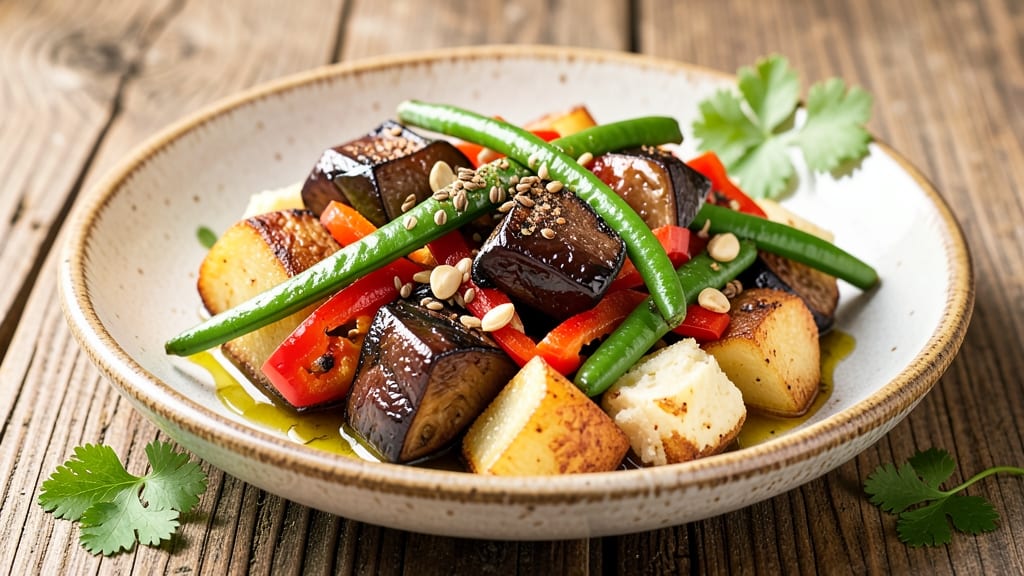
This Cuban vegetables recipe brings bold, smoky flavors to your table with a simple yet deeply satisfying combination of eggplant, green beans, potatoes, and bell peppers. The secret lies in the slow simmering with garlic, cumin, and soy sauce—a technique I first discovered while exploring Cuban home cooking traditions.
It’s the kind of dish that transforms humble vegetables into something rich and aromatic, perfect for pairing with rice and beans.
The beauty of this recipe is in its simplicity: just a handful of ingredients that work together to create layers of flavor. You’ll start by sautéing the vegetables until tender, then building depth with a blend of garlic, cumin, and soy sauce for that signature smoky kick.
The result is a dish that’s hearty enough to stand on its own but light enough to complement any meal.
By the time you finish cooking, you’ll have a side dish that’s tender, flavorful, and packed with texture—the eggplant melts slightly, the green beans stay crisp, and the potatoes soak up all the savory goodness.
The aroma alone will have everyone at the table asking for seconds, and the leftovers reheat beautifully for days.
This recipe is a staple in Cuban cuisine, often served alongside rice and beans or as part of a larger spread. Whether you’re hosting a dinner or simply craving a taste of the island, this dish delivers restaurant-quality results with minimal effort. Let’s get cooking!
Ingredients for cuban vegetables
Just 14 ingredients for a dish that tastes like a Cuban family kitchen—smoky, tender, and full of flavor.
| Ingredient | Amount | Notes |
|---|---|---|
| Eggplant 🍆 | 1 lb | Medium-sized, cut into 1-inch cubes |
| Green Beans 🌿 | 1 lb | Trimmed, cut into 2-inch pieces |
| Russet Potatoes 🥔 | 1 ½ lb | Peeled, cut into 1-inch cubes |
| Bell Peppers 🍅 | 2 whole | Mixed colors, sliced into strips |
| Garlic Cloves 🧄 | 6 cloves | Minced for maximum flavor |
| Ground Cumin 🌿 | 1 ½ tbsp | Freshly toasted if possible |
| Soy Sauce 🍶 | ½ cup | Light or dark variety |
| Olive Oil 🫒 | ½ cup | Extra-virgin for best flavor |
| Onion 🧅 | 1 whole | Yellow, diced |
| Salt 🧂 | 1 ½ tsp | Kosher or sea salt |
| Black Pepper 🌶️ | ½ tsp | Freshly ground |
| Bay Leaves 🌿 | 2 whole | For aromatic depth |
| Fresh Cilantro 🌿 | ¼ cup | Chopped, for garnish |
| Lemon Juice 🍋 | 2 tbsp | Freshly squeezed |
The eggplant and potatoes are the stars here. Russian or Japanese eggplants hold up best when sautéed, but any variety works. For the potatoes, Russets or Yukon Golds break down nicely—avoid waxy types like red potatoes. I grab mine from Trader Joe’s when I can, but the regular grocery store stuff is fine. The green beans should be crisp—if they’re limp, skip them and use snap peas instead. Bell peppers? Mixed colors add visual appeal, but stick to red or yellow for the deepest flavor. Fresh garlic and cumin are non-negotiable—Penzeys or the bulk section at Whole Foods for the best quality.
No soy sauce? Tamari or coconut aminos work in a pinch, though the flavor will be slightly different. Short on bell peppers? Zucchini or mushrooms add a nice texture swap. The cumin can be toasted in a dry pan for 30 seconds before adding to the dish—worth the extra minute for a deeper, nuttier flavor. Fresh cilantro is ideal, but dried won’t ruin it if that’s all you’ve got. The bay leaves? Tear them first so they infuse faster. And if you’re feeling fancy, add a pinch of smoked paprika to the oil before sautéing—game changer for that authentic Cuban smokiness.
This dish reheats beautifully—tastes even better the next day as the flavors meld. Store leftovers in an airtight container in the fridge for up to 5 days. For freezer storage, portion into single servings and freeze for up to 3 months. I like to make a double batch because it pairs perfectly with rice and beans, and you’ll always have a quick side ready for the week. The aroma alone will have your whole house smelling like a Cuban restaurant—worth every second.
Why You'll Love This Recipe
- One-Pan Magic: I swear by this for lazy nights—just chop, toss, and roast. The eggplant and potatoes caramelize right on the sheet pan while I stir the green beans and peppers in the same skillet. Minimal cleanup, maximum flavor.
- Garlic Bomb Flavor: Between us, that minced garlic clove sizzling in olive oil is the star. It clings to every crispy edge of the eggplant and melts into the tender potatoes—like a little flavor explosion in every bite.
- Meal Prep MVP: This keeps perfectly for days, so I make a big batch on Sundays. The potatoes stay fluffy, the green beans hold their crunch, and I just reheat portions for quick lunches all week. No sad leftovers here.
- Budget Stretch: Russet potatoes and eggplant bulk this dish up for next to nothing. I often double the recipe and freeze half—it’s my go-to when I need a filling, hearty side that won’t break the bank. (Yes, even on a Tuesday night.)
Step-by-step instructions for Cuban vegetables
Here's how to make these vibrant, smoky-sweet vegetables that bring Cuban flavor to the table.
Prep and Parboil the Vegetables
Start by cutting the eggplant into 1-inch cubes and the russet potatoes into 1-inch cubes—peeling them first for a cleaner texture. Trim the green beans and cut them into 2-inch pieces, and slice the bell peppers into strips. Dice the onion and mince the 6 cloves garlic cloves. Set these aside.
Bring a large pot of salted water to a boil and add the potatoes and eggplant. Cook for 8-10 minutes until they're tender but still hold their shape—don’t overcook, or they’ll turn mushy. Drain and set aside. In the same pot, blanch the green beans and bell peppers for 2-3 minutes until just tender. Drain and add them to the potatoes and eggplant.
Sauté the Aromatics and Spices
Heat 0.5 cup olive oil in a large skillet over medium heat. Add the diced onion and cook for 5 minutes until soft and translucent. Stir in the minced garlic and cook for 30 seconds until fragrant—don’t let it brown, or it’ll turn bitter.
Add the 1.5 tbsp ground cumin, 1.5 tsp salt, and 0.5 tsp black pepper, stirring to toast the spices for 1 minute until aromatic. This step builds the foundation of the dish’s smoky, earthy flavor. Drop in the 2 whole bay leaves and let them infuse for another 30 seconds before adding the vegetables.
Cook the Vegetables Until Tender-Crispy
Add the parboiled vegetables to the skillet and stir gently to coat them in the spiced oil. Reduce the heat to medium-low and let them cook for 10-12 minutes, stirring occasionally. You want the vegetables to soften slightly while still holding their texture—think tender but not falling apart.
Here’s the thing—don’t rush this step. The vegetables need time to absorb the flavors. If they start to stick, add a splash of water or the 0.5 cup soy sauce to deglaze and keep everything moist. The soy sauce adds that signature Cuban umami depth.
Finish with Lemon and Fresh Cilantro
Once the vegetables are tender, increase the heat to medium-high and let them cook for another 2-3 minutes to develop a slight caramelization. Stir in the 2 tbsp lemon juice and cook for 30 seconds—this brightens the dish and cuts through the richness of the soy and oil.
Remove the bay leaves and toss in the 0.25 cup chopped fresh cilantro. Let the mixture sit for 1 minute so the cilantro releases its freshness. Taste and adjust the seasoning—you might need a touch more salt or lemon juice to balance the flavors. Serve warm alongside rice, black beans, or grilled meats for a complete Cuban feast.
Pro Tips For Making Cuban Vegetables
- SALT THE POTATOES FIRST: Toss the peeled russets in a bowl with 1 teaspoon salt and let them sit for 10 minutes before cooking. This draws out excess starch and guarantees creamy, fluffy potatoes instead of gluey ones—no one wants mushy spuds in their Cuban veggies.
- CUT EGPLANT IN CHUNKS: Skip the uniform slices and chop eggplant into 1.5-inch cubes. They’ll brown faster and cook through evenly, avoiding that sad, undercooked center that turns to mush when you finally stab it with a fork.
- DON’T OVERCROWD THE PAN: Give the green beans and bell peppers space—they’ll blister and caramelize instead of steam. A single layer in a hot skillet with just a splash of oil is all they need to develop real flavor, not just wilt into oblivion.
- ROAST THE GARLIC: Toss the peeled garlic cloves with a drizzle of oil, wrap them in foil, and roast at 400°F for 10 minutes before adding to the mix. The sweet, mellow flavor beats raw garlic’s sharp punch and adds depth without overpowering the dish.
Troubleshooting this recipe
Vegetables Turning Mushy
If your eggplant or potatoes are turning mushy, you likely overcooked them during the parboiling step. The key is to cook them just until tender—about 8-10 minutes—so they hold their shape.
For extra insurance, use Yukon Gold potatoes instead of Russets, as they hold up slightly better. Also, avoid crowding the pot during parboiling, or they’ll steam instead of cook evenly. 🥔
Soy Sauce Overpowering
The soy sauce should enhance, not dominate, the dish. If it’s too strong, reduce the amount to ¼ cup and balance with an extra splash of lemon juice (up to 3 tbsp).
For a milder flavor, use low-sodium soy sauce or swap in ½ cup vegetable broth instead. Taste as you go—this is where the magic happens! 🍶
Spices Not Infusing
If your cumin and garlic aren’t adding enough depth, toast the cumin in a dry pan for 30 seconds before adding it to the oil. This releases its aromatic oils. Also, make sure to stir the vegetables frequently during cooking to ensure even coating.
For extra flavor, add ½ tsp smoked paprika to the oil before sautéing the onions—this adds that classic Cuban smokiness. 🌶️
Green Beans Staying Crisp
If your green beans aren’t softening, they likely weren’t blanched long enough. Extend the blanch time to 3-4 minutes for perfectly tender-crisp beans. For a shortcut, use snap peas, which cook faster and hold their texture better.
If they’re still too tough, add them to the skillet later in the cooking process so they absorb the flavors without overcooking. 🌿
Lemon Too Tart
If the lemon juice is overpowering the dish, reduce it to 1 tbsp and add a pinch of sugar to balance the acidity. Alternatively, swap in 1 tsp honey or agave for a touch of sweetness.
The goal is to brighten, not dominate—think of it as a finishing touch, not the main event. 🍋
Skillet Too Dry
If the vegetables are sticking or the skillet looks dry, add 2-3 tbsp water or broth to deglaze and keep everything moist. The soy sauce can also help here—add it gradually while stirring to create a glossy, flavorful coating.
If the dish is still too dry, cover the skillet for the last 5 minutes of cooking to steam the vegetables gently. 💧
Nutrition facts
Frequently asked questions
Can I make this recipe without soy sauce?
The soy sauce provides that signature Cuban umami depth, but you can substitute ½ cup vegetable broth or ¼ cup coconut aminos for a milder flavor. For extra richness, add 1 tbsp tomato paste when sautéing the aromatics. The dish will still be delicious—just slightly different in profile!
What’s the best way to store leftovers?
Transfer to an airtight container and refrigerate for up to 5 days. For freezing, portion into single servings and store for 3 months. Reheat gently in a skillet with a splash of water or broth to restore moisture. Pro tip: The flavors actually deepen overnight!
Can I swap out any of the vegetables?
Replace bell peppers with zucchini or mushrooms for texture, or swap green beans for asparagus or snap peas. Just adjust cooking times—tender vegetables like asparagus need only 2 minutes in the skillet. Keep the eggplant and potatoes as the base for that classic Cuban heartiness.
Why does my dish taste bland?
Check your seasoning: toast the cumin in a dry pan for 30 seconds before adding to intensify its flavor. Also, ensure you’re using fresh garlic and lemon juice—both pack bright, aromatic notes. For extra depth, add ½ tsp smoked paprika to the oil when sautéing. Taste as you go!
How do I serve this dish traditionally?
In Cuba, it’s typically paired with white rice and black beans for a complete meal. For extra authenticity, serve with fried plantains or avocado slices. The vegetables also complement grilled meats like pork or chicken beautifully. Think of it as a flavorful side that elevates any plate!