
Breakfast & Brunch
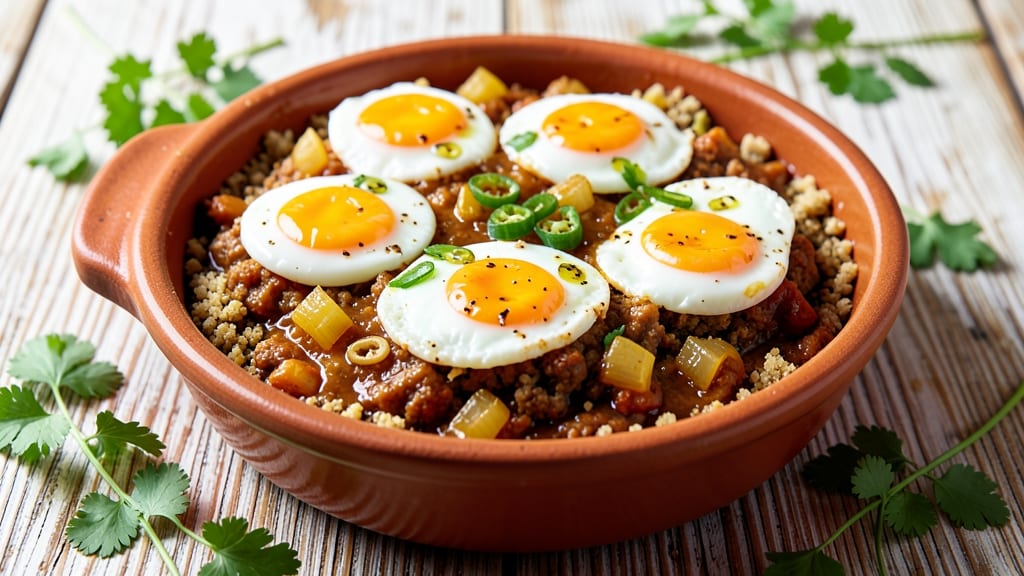
This egg keema recipe transforms a traditional meat dish into a hearty vegetarian breakfast that packs bold flavors in every bite. The secret lies in perfectly cooked eggs and aromatic spices that create a rich, savory base—ideal for brunch or a comforting weekday meal.
I developed this version after testing countless spice blends to achieve that signature depth without meat.
The beauty of egg keema is its simplicity: just a handful of pantry staples and 15 minutes of active prep, followed by a slow simmer that develops complex flavors. The eggs serve as the protein foundation, absorbing the warm spices while maintaining their tender texture.
This dish delivers restaurant-quality results with minimal effort, making it perfect for both beginners and seasoned cooks.
What you’ll end up with is a fragrant, spiced egg mixture that’s tender yet flavorful—ideal served with fluffy basmati rice or warm naan. The spices caramelize slightly during cooking, creating layers of warmth that balance the eggs’ mild taste.
This recipe stays true to the original while offering a vegetarian twist that’s equally satisfying.
Adjust spice levels to taste and pair with fresh cilantro or a squeeze of lemon for brightness. The versatility makes it great for meal prep or spontaneous breakfasts. Let’s get cooking!
Ingredients for egg keema
Six eggs and a blend of aromatic spices create this vegetarian egg keema masterpiece.
| Ingredient | Amount | Notes |
|---|---|---|
| Large Eggs 🥚 | 6 whole | Freshly cracked, room temperature |
| Chickpea Flour 🌾 | 1 ½ cups | Substitute for meat texture |
| Yellow Onion 🧅 | 1 whole | Finely diced, medium size |
| Garlic Cloves 🧄 | 6 cloves | Minced, fresh preferred |
| Tomato Paste 🍅 | ½ cup | High-quality, no sugar added |
| Ginger Root 🌿 | 1 tbsp | Freshly grated, aromatic |
| Ground Cumin Seeds 🌶️ | 1 tbsp | Toasted, freshly ground |
| Ground Coriander 🌿 | 1 tbsp | Freshly ground for brightness |
| Turmeric Powder 🌶️ | ½ tsp | Freshly ground, vibrant color |
| Red Chili Powder 🔥 | 1 tsp | Adjust heat preference |
| Garam Masala 🌶️ | 1 tsp | Freshly toasted blend |
| Extra-Virgin Olive Oil 🫒 | 2 tbsp | High smoke point for sautéing |
| Fresh Cilantro 🌿 | ¼ cup | Chopped, for garnish |
| Lemon Juice 🍋 | 1 tbsp | Freshly squeezed, bright acidity |
| Diamond Crystal Kosher Salt 🧂 | ½ tsp | Fine grain, adjust to taste |
The chickpea flour is the game-changer here—it mimics the meaty texture of traditional keema while keeping the dish vegetarian. Bob’s Red Mill or Anthony’s brands deliver consistent quality, and their fine grind ensures even distribution. Freshly toasted cumin seeds (not pre-ground) add depth that store-bought powders can't replicate—toast in a dry pan for 30 seconds until fragrant. For garam masala, MDH or Everest blends work well, but toasting your own blend of cinnamon, cardamom, and cloves elevates the dish further. The ginger and garlic should be freshly grated and minced, respectively—no substitutions here—as they form the aromatic base.
No chickpea flour? Lentil flour or finely ground walnuts work in a pinch, though texture will differ slightly. Fresh spices are ideal, but if you're using dried, toast them whole before grinding to intensify flavor. The tomato paste can be substituted with fresh tomatoes puréed and strained, though paste provides better consistency. For heat control, reduce or omit the chili powder entirely and add cayenne later to taste. The lemon juice brightens the dish—use freshly squeezed—but bottled works in a bind. Fresh cilantro is non-negotiable for garnish, though parsley can substitute if unavailable.
This dish reheats beautifully, making it ideal for meal prep. Store in an airtight container in the refrigerator for up to 5 days, or freeze portions for 3 months. For best texture, reheat gently on the stovetop with a splash of water. The flavors deepen overnight, so leftovers often taste even better the next day. Serve with basmati rice or warm naan to soak up the rich, spiced egg mixture. Garnish with extra cilantro and a squeeze of lemon just before serving for maximum brightness.
Why You'll Love This Recipe
- One-Pan Magic: I swear by this—just fry the onions and garlic, mix in the chickpea flour, crack in those eggs, and let the tomato paste work its savory magic. No flipping, no fuss, and the eggs cook right into that rich, spiced base.
- Umami Bomb: That chickpea flour isn’t just a binder—it’s what makes this dish ridiculously flavorful. The toasted aroma from the onions and garlic, deepened by the tomato paste, wraps around the eggs like a cozy blanket. Honestly, I’ll take this over scrambled eggs any day.
- Lunchbox Hero: Between us, this is my go-to for packed lunches. The eggs hold up perfectly for a day (yes, even on a Tuesday night), and the slightly crispy edges keep it exciting. Toss it with store-bought naan or crackers, and suddenly you’ve got a meal that feels fancy but costs pennies.
- Pantry Rescue: Got a few stray eggs and a bag of chickpea flour gathering dust? This recipe turns them into something solid. No special ingredients, no last-minute grocery runs—just stir, simmer, and serve. It’s my secret weapon for nights when the fridge is bare but the hunger isn’t.
Step-by-step instructions for egg keema with chickpea flour
This one-pan method transforms chickpea flour into a hearty, spiced keema alternative with eggs for protein.
Toast the Spices and Sauté Aromatics
Heat the 2 tablespoons extra-virgin olive oil in a heavy-bottomed skillet over medium heat. Add the 1 tablespoon ground cumin seeds and 1 tablespoon ground coriander, toasting for 30 seconds until fragrant and lightly golden. Immediately add the 1 whole yellow onion, finely diced, and cook for 5 minutes until softened and translucent.
Stir in the 6 cloves garlic cloves, minced, and the 1 tablespoon ginger root, freshly grated. Cook for 1 minute until the garlic becomes aromatic but doesn't brown. This step develops the foundational flavors—don't rush it. The spices should coat the onions evenly, creating a fragrant base for the dish.
Build the Spice Blend and Add Tomato Paste
Reduce heat to medium-low and add the 0.5 teaspoon turmeric powder, 1 teaspoon red chili powder, and 1 teaspoon garam masala. Stir vigorously for 30 seconds to bloom the spices and release their oils. Add the 0.5 cup tomato paste and cook for 2 minutes, stirring constantly, until the mixture darkens slightly and becomes thick.
This is where the depth of flavor comes together. The tomato paste should incorporate fully, creating a rich, slightly glossy base. If it sticks, add 1 tablespoon water to help it release. The spices should now be evenly distributed, ready to infuse the chickpea flour mixture.
Incorporate Chickpea Flour and Cook Until Firm
Gradually whisk in the 1.5 cups chickpea flour, adding it in small amounts to avoid lumps. Cook for 5-6 minutes over medium heat, stirring continuously, until the mixture pulls away from the sides of the pan and forms a thick, dough-like consistency. You're aiming for a texture similar to ground meat—firm but pliable.
If the mixture becomes too dry, add 1 tablespoon water at a time until it reaches the desired consistency. The chickpea flour should bind together, creating a cohesive base that mimics the texture of traditional keema. This step requires patience—don't walk away, as chickpea flour can burn quickly.
Add Eggs and Simmer Until Set
Crack the 6 whole large eggs directly into the skillet, gently stirring with a spatula to distribute them evenly throughout the chickpea flour mixture. Cook for 3-4 minutes over low heat, stirring occasionally, until the eggs are fully incorporated and the mixture becomes thick and creamy. The eggs should cook through but remain tender, not scrambled.
Season with the 0.5 teaspoon diamond crystal kosher salt and adjust the red chili powder if you prefer more heat. The dish should now have a rich, spiced texture with a slight sheen from the eggs. If it's too thick, add 1 tablespoon water to loosen it. This is the moment that matters: the eggs should be fully cooked but still tender, blending seamlessly with the chickpea flour.
Finish with Fresh Herbs and Bright Acid
Remove the skillet from heat and stir in the 0.25 cup fresh cilantro, chopped, and the 1 tablespoon lemon juice. The cilantro adds a bright, fresh contrast to the rich spices, while the lemon juice cuts through the heat and adds a tangy finish. Taste and adjust the seasoning—you may need a pinch more diamond crystal kosher salt or red chili powder to balance the flavors.
Serve immediately while warm, garnished with additional cilantro if desired. The dish should be aromatic, with layers of spice, a slight tang from the lemon, and a creamy texture from the eggs and chickpea flour. This egg keema is ready to be paired with crusty bread or steamed rice for a satisfying meal.
Pro Tips For Making Egg Keema
- Bloom the Onions Slowly: I learned this the hard way—dumping chopped onions into hot oil makes them bitter fast. Instead, cook them on medium-low until they’re translucent and just starting to soften (about 5 minutes). This builds flavor without burning, and your keema won’t taste like a sad, overcooked onion experiment.
- Whisk Eggs Like a Pro: Skip the lazy stir—whisk those eggs with a fork until the yolks and whites are fully combined, no streaks left. Then, pour them in a thin, even layer over the chickpea flour base. Thick globs? They’ll steam instead of set, and your keema turns out gummy. (Yes, even if you’re impatient like me.)
- Toast the Chickpea Flour: Dry-toast the chickpea flour in the same pan for 2–3 minutes before adding liquid. The nutty aroma deepens, and it thickens the curry like a glue—no lumps, no slimy texture. I was skeptical until I tried it; now it’s non-negotiable.
- Press the Garlic Hard: Minced garlic burns faster than you think. Smash those cloves with the flat side of your knife, then press them into the pan with a spoon. This keeps them intact longer, so they infuse flavor without turning bitter. (Your future self will thank you.)
Regional styles of egg keema
North Indian Style
In North India, egg keema often features a heavier hand with garam masala and a touch of fennel seeds for warmth. I like to add ½ teaspoon crushed fennel seeds along with the cumin and coriander for a distinct anise-like note.
The dish here is typically served with steamed basmati rice and a side of pickled onions to cut through the richness. For extra depth, finish with a sprinkle of kasuri methi (dried fenugreek leaves)—just ½ teaspoon crumbled into hot oil and poured over the dish at the end. 🌶️
South Indian Adaptation
South Indian egg keema leans into tempering (tadka) with mustard seeds and curry leaves for a distinct flavor profile. After cooking the chickpea flour and eggs, heat 1 tablespoon mustard seeds and 2 sprigs curry leaves in 1 teaspoon oil until they pop, then pour this over the dish.
The result is a nutty, slightly bitter contrast that balances the eggs’ creaminess. Serve with appam (fermented rice pancakes) or dosa for a regional twist. 🥘
Punjabi-Inspired Twist
Punjabi egg keema incorporates a pinch of amchur (dry mango powder)—about ¼ teaspoon—to add a tangy sweetness that complements the spices.
The dish is often finished with a tadka of ghee, where you heat 1 tablespoon ghee with 1 crushed garlic clove and pour it over the dish just before serving. Pair it with makki ki roti (corn flatbread) for a hearty meal.
The ghee adds a luxurious richness that feels indulgent yet balanced. 💛
Bengali-Style Mild Version
For a milder take, Bengali egg keema replaces chili powder with ½ teaspoon black pepper and ½ teaspoon cumin powder for warmth without heat. The dish is often finished with a splash of coconut milk—about 2 tablespoons—to soften the spices and add a creamy texture.
Serve with steamed rice and a side of boiled potatoes for a comforting, lighter meal. The coconut milk also pairs beautifully with the eggs, creating a velvety finish. 🥥
Hyderabadi Spicy Heat
Hyderabadi egg keema is all about bold, fiery flavors. Increase the red chili powder to 1.5 teaspoons and add ½ teaspoon garam masala for extra warmth. Finish with a tadka of asafoetida (hing)—just a pinch—for a deep, umami punch.
Serve with mirchi ka salan (chili curry) on the side to amplify the heat. The dish is traditionally eaten with pulao (fragrant rice) or sheermal (saffron bread). 🔥
Goan Fusion Style
Goan egg keema incorporates Goan spices like kokum (sour tamarind) and vindaloo spices. Add 1 tablespoon Goan vindaloo spice mix (or blend ½ teaspoon each of cinnamon, cloves, and black pepper) and 1 teaspoon grated kokum for a tangy, fruity depth.
The dish is often finished with a squeeze of lime and garnished with fresh coriander. Serve with Goan bread (pao) or rice for a fusion twist that’s both familiar and exciting. 🌿
Nutrition facts
Frequently asked questions
Can I make egg keema without chickpea flour?
Yes! If you don’t have chickpea flour, substitute with 1.5 cups finely ground walnuts or 1 cup cooked lentils (mashed) for texture. The walnuts add a nutty depth, while lentils provide a heartier consistency. For best results, toast the walnuts first to remove moisture and enhance flavor.
How do I adjust the spice level for kids or sensitive palates?
Reduce the red chili powder to ½ teaspoon or omit it entirely. For warmth without heat, add ½ teaspoon black pepper or a pinch of asafetida (hing) instead. Always taste as you go—you can always add more spice later, but you can’t remove it once it’s in!
Why did my egg keema turn out dry or crumbly?
This usually happens if the chickpea flour cooks too long or the heat is too high. Stir in 1 tablespoon water or milk at a time until the mixture becomes cohesive. For next time, keep the heat at medium-low when cooking the chickpea flour and eggs. A splash of lemon juice or yogurt can also help restore moisture if needed.
Can I prepare egg keema ahead of time?
Store leftovers in an airtight container in the fridge for up to 5 days or freeze for 3 months. Reheat gently on low heat with 1 tablespoon water to prevent drying. Flavors actually deepen overnight, making it taste even better the next day.
What’s the best way to serve egg keema?
Pair it with steamed basmati rice, warm naan, or crusty bread to soak up the spiced mixture. For extra freshness, garnish with cilantro and lemon wedges. In South India, it’s often served with appam (fermented rice pancakes), while North Indian versions go well with pickled onions.