
Sauces & Condiments
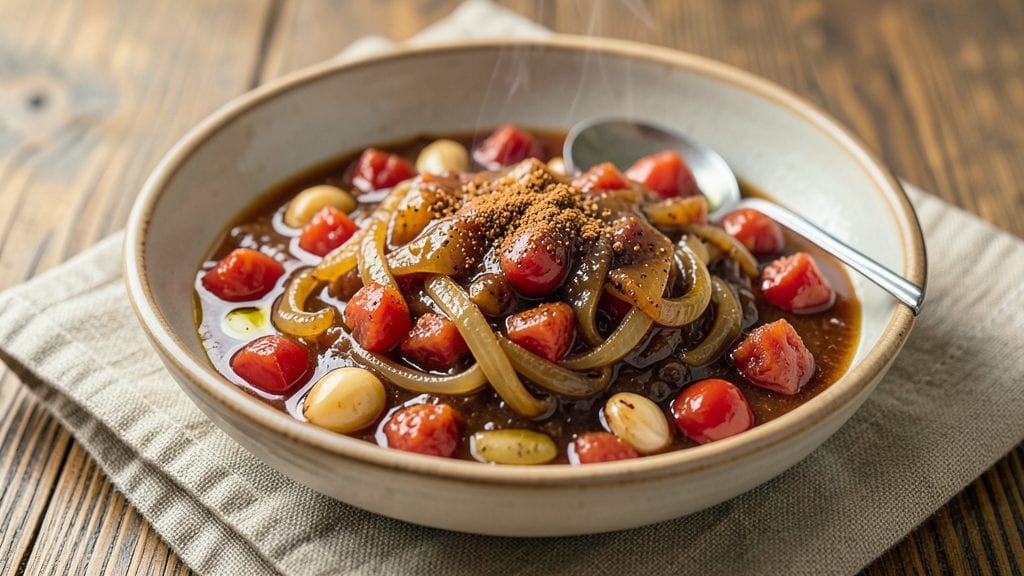
Foosackly’s sauce recipe—this velvety-smooth heat sauce made from pantry staples—is the kind of culinary game-changer that turns ordinary meals into restaurant-worthy dishes. This recipe delivers a perfectly balanced blend of smoky depth and subtle spice, developed through precise cooking techniques that unlock maximum flavor without relying on specialty ingredients.
The secret lies in caramelizing aromatics and reducing the sauce slowly to concentrate its intensity.
What makes this sauce truly remarkable is its versatility—it elevates everything from grilled meats to roasted vegetables, while its rich, velvety texture ensures every bite feels indulgent. The process is straightforward but requires patience, as the sauce builds layers of complexity through controlled simmering.
With just a few basic ingredients and about 45 minutes of active time, you'll have a sauce that tastes like it came from a professional kitchen.
The result is a sauce with deep, smoky undertones and a smooth, glossy finish that clings beautifully to food. It's the kind of condiment that turns simple weeknight dinners into memorable experiences, all while keeping your pantry stocked with familiar items.
Whether you're serving it over pasta, drizzling it on pizza, or using it as a marinade, this sauce will become a staple in your cooking routine.
Once you've mastered the technique, you can easily adjust the heat level to suit your preference, making it perfect for both spice lovers and those who prefer milder flavors. The best part?
It keeps well in the refrigerator for up to two weeks, so you can make a big batch and enjoy it throughout the month. Let's get started on creating this versatile, flavor-packed sauce.
Ingredients for foosackly's sauce
Pantry staples transform into velvety heat with just eleven ingredients.
| Ingredient | Amount | Notes |
|---|---|---|
| Extra-Virgin Olive Oil 🫒 | ½ cup | High-quality, fruity variety preferred |
| Yellow Onion 🧅 | 1 whole | Yellow or red, finely diced |
| Garlic Cloves 🧄 | 6 cloves | Peeled, minced for caramelization |
| Canned San Marzano Tomatoes 🍅 | 1 can | 28 oz, crushed by hand |
| Tomato Paste 🍅 | 2 tbsp | High-quality, no sugar added |
| Smoked Paprika 🌶️ | 1 tbsp | For deep smoky flavor |
| Ground Cumin 🌿 | 1 tsp | Toasted for enhanced aroma |
| Dried Oregano 🍃 | 1 tsp | Mexican oregano preferred |
| Cayenne Pepper 🔥 | ½ tsp | Adjust for desired heat level |
| Red Wine Vinegar 🍷 | 1 tbsp | For brightness and acidity |
| Diamond Crystal Kosher Salt 🧂 | 1 tsp | Fine grain for even seasoning |
| Black Peppercorns 🌶️ | ½ tsp | Freshly cracked for depth |
The foundation starts with San Marzano tomatoes—their natural sweetness and acidity balance perfectly. Grab a can from Whole Foods or your local Italian market for the best quality. Extra-virgin olive oil should be fruity and peppery, like California Olive Ranch or Colavita—cheap oil will make the sauce taste flat. Toast your cumin seeds in a dry pan for 30 seconds before grinding for a nutty depth. The smoked paprika is non-negotiable here; Penzeys or Trader Joe's carry excellent options. For the garlic and onion, take your time with the dice—smaller pieces caramelize better, creating that rich base the sauce builds on.
No smoked paprika? Liquid smoke at half the amount works in a pinch, but it won't have the same complexity. Substitute the red wine vinegar with balsamic vinegar if needed, though it'll add a sweeter note. Short on San Marzano tomatoes? Crushed tomatoes with a splash of lemon juice (1 tbsp) will mimic the acidity. The cayenne pepper can be swapped for red pepper flakes—use half the amount for a milder kick. For a deeper smokiness without paprika, try a pinch of liquid smoke plus extra cumin. The tomato paste? Those squeeze tubes from Trader Joe's are perfect—they're concentrated and keep forever.
This sauce tastes even better the next day as flavors meld. Store in an airtight container in the fridge for up to two weeks, or freeze in ice cube trays for up to six months. I like to portion it into small jars—perfect for drizzling on everything from grilled chicken to roasted Brussels sprouts. For extra richness, stir in a tablespoon of unsalted butter when reheating. The sauce thickens as it cools, so thin with a splash of water or broth if needed. Trust me, the first time you make this, you'll want to double the batch.
Why You'll Love This Recipe
- Foolproof Foundation: I swear by this sauce because it’s the only one I’ve never burned. Sauté the onions in olive oil until they’re translucent—no rushing, no stress—then add the garlic, and boom, you’re already winning. The San Marzano tomatoes handle the simmer like champs, so you’re not stuck with a watery mess.
- Umami Bomb: That tomato paste? It’s the secret weapon. Just a spoonful caramelizes into this deep, rich layer that makes the sauce taste like it’s been simmering for hours. Honestly, I’ll take this over any jarred sauce—it’s bright, balanced, and actually flavorful.
- Weeknight Workhorse: This sauce is my go-to for pasta, pizza, or even a quick braise. Double the batch and freeze half—next time you’re scrambling for dinner, you’ll have this ready to go. (Yes, even on a Tuesday night.)
- Pantry Magic: Five ingredients, zero excuses. No fancy techniques, no obscure herbs—just onions, garlic, tomatoes, and a little patience. It’s the kind of recipe that makes you feel like a chef without the fuss, and the best part? The leftovers taste just as good reheated as they do fresh.
Step-by-step instructions for foosackly's sauce recipe
Here's how to craft this velvety, smoky sauce with pantry essentials you already own.
Build the Flavor Base with Olive Oil and Aromatics
Heat the 0.5 cup extra-virgin olive oil in a heavy-bottomed saucepan over medium-low heat. Add the 1 whole yellow onion, diced into ¼-inch pieces, and cook for 8-10 minutes until the onions soften and begin to caramelize—you'll notice they turn golden and translucent with a sweet aroma. This slow cooking develops depth that raw onions can't match.
Add the 6 cloves minced garlic cloves and cook for another 1-2 minutes until fragrant but not browned. Garlic burns quickly, so keep your eye on the pan. The moment it releases its pungent aroma is when you know it's ready. Remove from heat briefly if needed to prevent burning, then return to the pan once cooled slightly.
Develop the Tomato Foundation
Pour in the 1 can crushed San Marzano tomatoes and stir to combine with the onions and garlic. Add the 2 tbsp tomato paste and mix thoroughly to create a smooth, thick base. Increase heat to medium and let the mixture simmer uncovered for 10 minutes, stirring occasionally.
During this time, the acidity in the tomatoes will begin to break down the raw flavors of the onions and garlic, creating a cohesive foundation. You'll see the mixture reduce slightly and develop a deeper, more complex aroma. This is where the sauce starts to transform from individual ingredients into something cohesive.
Layer in Spices and Vinegar for Depth
Stir in the 1 tbsp smoked paprika, 1 tsp ground cumin, 1 tsp dried oregano, and 0.5 tsp cayenne pepper. The spices should dissolve completely into the sauce, creating a rich, aromatic blend. Add the 1 tbsp red wine vinegar next, which brightens the flavors and balances the richness.
Simmer the sauce for another 10-12 minutes until it thickens slightly and the flavors meld together. You're looking for a sauce that coats the back of a spoon but still has a silky, velvety texture—not gluey or pasty. Taste occasionally and adjust seasoning with more salt or vinegar if needed. The sauce should be vibrant, with a subtle heat from the cayenne and a deep, smoky undertone from the paprika.
Finish with Salt and Pepper for Balance
Remove the sauce from heat and let it cool slightly. Stir in the 1 tsp diamond crystal kosher salt and 0.5 tsp freshly cracked black peppercorns. The salt enhances all the flavors, while the pepper adds a subtle complexity that ties everything together. Let the sauce sit for 5 minutes to allow the flavors to fully integrate.
For the smoothest texture, transfer the sauce to a blender or use an immersion blender to purée until completely smooth. If you prefer some texture, simply stir vigorously with a whisk instead. The final sauce should be velvety with a rich, smoky depth and a gentle warmth from the cayenne. This sauce pairs beautifully with grilled meats, roasted vegetables, or even as a dipping sauce for crusty bread.
Pro Tips For Making Foosackly'S Sauce
- Sweat, Don’t Burn: The onions should be soft and translucent, not golden—save that for caramelizing. If they start to brown too fast, lower the heat and give them a stir with a wooden spoon. I learned this the hard way after turning my sauce into onion confit by accident.
- Crush That Garlic: Don’t mince the garlic—smash those cloves with the flat side of your knife first. This releases more flavor and prevents bitter, almond-like notes from overcooking. (Yes, even if you’re impatient like me.)
- Tomato Paste First: Bloom the tomato paste in the olive oil for 2-3 minutes before adding anything else. This deepens the flavor and prevents a raw, paste-y taste. I skip this when I’m lazy, but the sauce is noticeably better when I don’t.
- San Marzano Only: If you’re using canned tomatoes, stick with San Marzano—no shortcuts here. The lower acidity and sweetness make a real difference, especially when simmering. I was skeptical until I tried it, and now I won’t go back.
Serving suggestions for this dish
Pasta Perfection
This sauce transforms classic Italian dishes into showstoppers. Toss it with al dente spaghetti or fettuccine—I use Bronze Die pasta from De Cecco for that perfect bite. For extra richness, stir in 1 tbsp unsalted butter and ¼ cup grated Parmigiano-Reggiano right before serving.
The sauce clings beautifully, creating a velvety coating that makes every bite indulgent. 🍝
Grilled Meat Glaze
Use this sauce as a marinade or finishing glaze for grilled chicken, steak, or pork chops. Brush it on during the last 5 minutes of grilling over medium-high heat—the smoky flavors will meld perfectly with the charred exterior.
I love it on ribeye steaks or bison burgers, where the sauce adds a deep, caramelized crust. For extra drama, sprinkle with fresh cilantro or chopped scallions after grilling. 🔥
Roasted Veggie Elevator
Drizzle this sauce over roasted Brussels sprouts, eggplant, or cauliflower before the final 10 minutes of roasting. The heat and smokiness complement the natural sweetness of vegetables beautifully.
Toss 1 lb Brussels sprouts with 1 tbsp olive oil, roast at 425°F for 20 minutes, then drizzle with sauce and finish under the broiler for 2-3 minutes to caramelize the edges. 🥦
Taco & Burrito Sauce
Turn this into a taco or burrito sauce by thinning it slightly with 2 tbsp water or beef broth. Use it as a substitute for store-bought salsa or enchilada sauce—it adds a smoky, spicy depth that takes dishes to the next level.
I love it with shredded chicken tacos or as a dip for corn tortilla chips. For extra texture, top with crumbled queso fresco or pickled red onions. 🌯
Dipping Sauce Magic
Serve this sauce warm or at room temperature as a dipping sauce for fried chicken, mozzarella sticks, or crispy Brussels sprouts. The velvety texture and balanced heat make it irresistible.
For a restaurant-style presentation, drizzle it over baked potato wedges or use it as a dipping sauce for spring rolls. A sprinkle of toasted sesame seeds adds an unexpected but delicious crunch. 🍗
Breakfast Twist
Yes, you read that right—this sauce works wonders on breakfast dishes too! Drizzle it over scrambled eggs, breakfast burritos, or grilled cheese sandwiches for a smoky, spicy kick. It pairs especially well with shakshuka or as a topping for avocado toast.
The acidity cuts through the richness of eggs, while the spices add an unexpected depth. 🍳
Nutrition facts
Frequently asked questions
Can I make this sauce without smoked paprika?
Swap the 1 tbsp smoked paprika with ½ tsp liquid smoke plus an extra ¼ tsp ground cumin for depth. The sauce will still develop rich, smoky undertones—just with a slightly different texture. If you prefer no smoke at all, omit it and add ½ tsp extra oregano to boost earthy notes.
How do I adjust the heat level?
Reduce spice by cutting the cayenne pepper to ¼ tsp for mild heat or eliminate it entirely. For extra kick, add ½ tsp crushed red pepper flakes or a pinch of chili powder. Always taste as you simmer—you can adjust while cooking, not just at the end.
Why does my sauce taste bitter?
Overcooking or using low-quality olive oil often causes bitterness. Keep heat at medium-low and never boil the sauce dry. For a quick fix, stir in 1 tsp honey or sugar to balance the flavors. Freshly cracked black pepper also helps mask bitterness by adding bright, fresh notes.
Can I make this sauce in a slow cooker?
Yes! Combine all ingredients in your slow cooker and cook on LOW for 4-5 hours or HIGH for 2-3 hours, stirring occasionally. The slow simmer enhances depth, but you may need to reduce it further on the stovetop to achieve the same velvety consistency.
What’s the best way to store leftovers?
Let the sauce cool completely, then transfer to an airtight container and refrigerate for up to 2 weeks. For longer storage, freeze in ice cube trays—thaw in the fridge overnight. Reheat gently on low heat, stirring occasionally to prevent separation. The sauce actually improves after a day or two!