Side Dishes
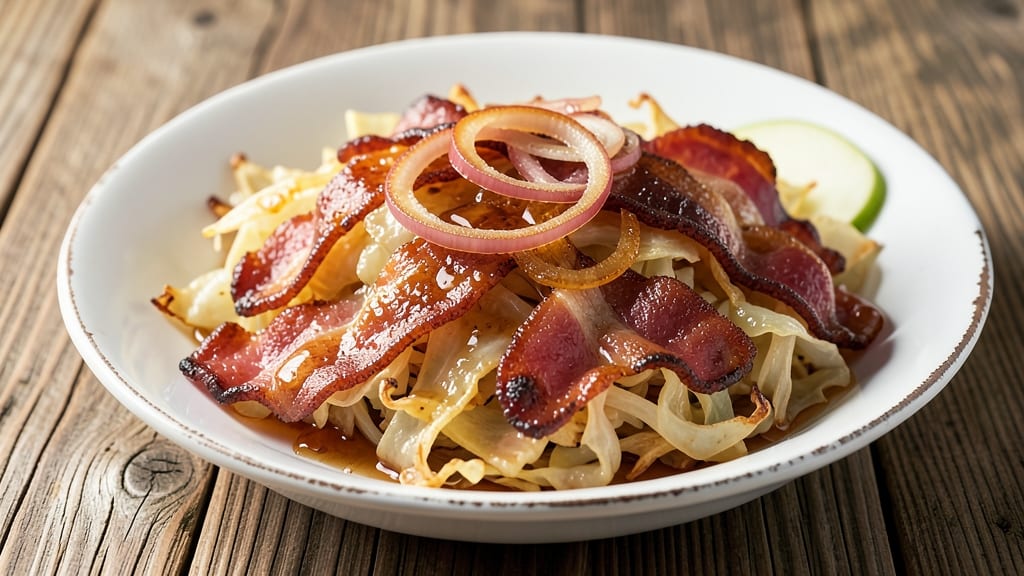
This German fried cabbage recipe delivers crispy, golden edges and tender centers that balance perfectly with smoky bacon—a dish that transforms humble cabbage into something hearty and satisfying.
Growing up in Cincinnati, I learned how simple ingredients like cabbage, bacon, and onions could create a side dish that feels like a main event, especially when paired with sausages or potatoes.
The key lies in the frying technique, where the cabbage develops that signature caramelized texture while staying tender inside.
The process begins with thinly shredded cabbage that cooks quickly in bacon fat, absorbing all those savory, smoky flavors. Unlike traditional braised cabbage, this method creates a crispy exterior that holds up beautifully, making it a standout side for German-inspired meals.
I’ve perfected this recipe over years of testing—no soggy greens here, just perfectly balanced texture and flavor in every bite.
What makes this dish truly special is how it elevates a simple vegetable into something rich and satisfying, all while keeping the preparation straightforward. The bacon adds depth, while the onions and seasonings round out the flavors.
Whether you're serving it alongside sausages or as a hearty side for roasted meats, this fried cabbage will be the star of your table.
Ready in about 30 minutes, this recipe is perfect for weeknight dinners or holiday feasts. The technique is foolproof, and the results are consistently crispy and flavorful—no matter how many times you make it.
Let’s get started on creating a dish that feels like a taste of home, no matter where you are.
Ingredients for german fried cabbage
Six ounces of bacon, a head of cabbage, and a few pantry staples transform into a crispy, smoky side dish that feels like a main course.
| Ingredient | Amount | Notes |
|---|---|---|
| Green Cabbage 🥬 | 1 ½ lb | Thinly shredded, outer leaves removed |
| Thick-Cut Bacon 🥓 | 6 oz | Cut into 1/2-inch pieces, smoked preferred |
| Yellow Onion 🧅 | 1 whole | Thinly sliced, sweet variety preferred |
| Unsalted Butter 🧈 | 2 tbsp | Full-fat for best flavor |
| Granulated Sugar 🍚 | 1 tbsp | Light brown preferred for caramelization |
| Apple Cider Vinegar 🍎 | 1 tbsp | Adds tangy depth |
| Kosher Salt 🧂 | 1 ½ tsp | Adjust to taste |
| Freshly Ground Black Pepper 🌶️ | ¼ tsp | Freshly cracked for best flavor |
| Fresh Thyme Leaves 🌿 | 1 tsp | Or 0.25 tsp dried thyme |
| Vegetable Oil 🫒 | 1 tbsp | For crisping cabbage |
The bacon is the foundation here—thick-cut smoked bacon from Oscar Mayer or Applegate delivers the best flavor, but any good-quality bacon works. Look for pieces that are evenly thick so they crisp uniformly. The cabbage should be green, firm, and heavy for its size—avoid any with yellowing leaves or soft spots. I always buy a 1.5 lb head because the outer leaves get tougher and end up in the compost. For the onions, yellow or sweet varieties like Vidalia hold up better during cooking.
No smoked bacon? Regular bacon works fine, though it’ll have a slightly milder flavor. Running short on thyme? Dried oregano at half the amount gives a similar earthiness. The apple cider vinegar can be swapped for red wine vinegar or lemon juice, though the tang will differ slightly. For a quicker prep, pre-shredded cabbage saves time, but it loses some texture. If you’re feeling adventurous, swap half the cabbage for savoy cabbage—it’s more delicate and holds up beautifully to frying. The sugar is key for caramelization, but honey or maple syrup work in a pinch.
This dish reheats beautifully—just warm it in a skillet with a splash of water for 2-3 minutes over medium heat. Store leftovers in an airtight container in the fridge for up to 5 days, though the texture softens slightly after the first day. For make-ahead prep, fry the bacon and onions first, then store them separately. When ready to cook, just add the cabbage and finish frying. The bacon fat keeps for 1 week in the fridge, perfect for future frying projects like potatoes or apples.
Why You'll Love This Recipe
- Here’s what sold me: the sugar. Just a pinch, but it transforms the cabbage from bland to ridiculously good—tender with a caramelized bite, balanced by smoky bacon and sharp onions. It’s like a hug for your taste buds, especially when the edges get that perfect golden crunch.
- One-Pan Magic: I swear by this recipe when I’m too tired to wash dishes. Shred the cabbage, fry the bacon, toss everything together—no extra pots, no stress. That buttery bacon grease? It caramelizes the onions and cabbage into something crispy and golden without a single scrubbed pan in sight.
- Sweet-Savory Crunch: Here’s what sold me: the sugar. Just a pinch, but it transforms the cabbage from bland to ridiculously good—tender with a caramelized bite, balanced by smoky bacon and sharp onions. It’s like a hug for your taste buds, especially when the edges get that perfect golden crunch.
- Leftovers That Don’t Suck: Between us, fried cabbage reheats like a champ. Cold or warmed, it’s still crispy enough to satisfy. I double the batch for game days or lazy Sundays because it’s cheap to make, packs well, and no one ever complains when it’s on the table.
Step-by-step instructions for German fried cabbage
This method delivers perfectly crispy cabbage with smoky bacon and caramelized edges every time.
Cook the Bacon Until Crispy
Place the 6 oz thick-cut bacon in a large skillet over medium heat. Cook for 8-10 minutes, stirring occasionally, until the bacon is deep golden brown and crispy. The fat should render out but not smoke excessively—this is what will crisp the cabbage later.
As the bacon cooks, use tongs to transfer the crispy pieces to a paper towel-lined plate, leaving the rendered fat in the skillet. Don't drain the fat completely; this is where the cabbage will develop its signature crispiness. If you have more than 2 tablespoons of bacon fat, you can pour off the excess, leaving just enough to lightly coat the bottom of the pan.
Sauté the Onion and Cabbage
Add 1 tablespoon vegetable oil to the skillet with the bacon fat and heat over medium-high heat. Add the 1 whole yellow onion, sliced thinly, and cook for 4-5 minutes until the onions soften and begin to turn light golden brown. This step builds flavor that will carry through the entire dish.
Push the onions to one side of the skillet and add the 1.5 lb green cabbage, shredded thinly. Sprinkle the cabbage with 1 tablespoon granulated sugar and 1.5 teaspoons kosher salt. Stir to combine, then let the cabbage cook undisturbed for 3-4 minutes until it begins to wilt and slightly soften. This initial cooking step is crucial for developing crispy edges.
Add Butter and Vinegar for Depth
Reduce the heat to medium and add the 2 tablespoons unsalted butter to the skillet. Toss the cabbage and onions to coat evenly in the butter. After 2 minutes, pour in the 1 tablespoon apple cider vinegar and the 1 teaspoon fresh thyme leaves. Stir well to distribute the vinegar and thyme throughout the cabbage.
The vinegar adds a bright tang that balances the richness of the bacon and butter, while the thyme brings a subtle herbal note. Cook for another 4-5 minutes, stirring occasionally, until the cabbage is tender but still crispy with slightly wilted edges. You're aiming for a texture that's crisp on the outside and tender on the inside—this is where the magic happens.
Finish with Seasoning and Crisp
Return the crispy bacon to the skillet and toss everything together. Sprinkle with 0.25 teaspoon freshly ground black pepper and stir gently to combine. Cook for an additional 2-3 minutes over medium heat, just until the cabbage is heated through and the bacon is warmed.
Taste and adjust the seasoning if needed—you may want to add a pinch more salt or a splash of vinegar to balance the flavors. The cabbage should be crispy at the edges with a tender center, and the bacon should be perfectly crispy. If the cabbage seems too soft, cook it for another 1-2 minutes to restore the crispiness.
Serve Immediately
Transfer the German fried cabbage to a serving dish and serve immediately while still hot. The crispy texture softens quickly once removed from the heat, so don't let it sit. This dish pairs beautifully with sausages, roasted meats, or even as a hearty side for breakfast.
For extra flavor, garnish with additional fresh thyme leaves or a sprinkle of freshly cracked black pepper. The combination of smoky bacon, sweet cabbage, and tangy vinegar makes this a standout dish that's sure to impress.
Pro Tips For Making German Fried Cabbage
- CRISP THE BACON FIRST: Cook the thick-cut bacon until it’s deep golden, not just brown—this renders the fat properly and keeps your cabbage from steaming instead of caramelizing. I used to rush this step, and the bacon ended up greasy instead of crisp, making the whole dish taste flat.
- SHRED CABBAGE FINE: Cut the cabbage into thin, even strips—about ¼-inch wide—so it cooks through without turning mushy. Thick chunks stay crunchy on the outside but soggy inside, and no one wants that texture clash.
- SWEAT ONIONS LOW: Cook the onions slow and steady on medium-low heat until they’re translucent but not colored—this prevents them from burning before the cabbage even hits the pan. Burned onions make the whole dish taste bitter, and that’s a waste of good bacon fat.
- SALT THE CABBAGE: Toss the shredded cabbage with ½ teaspoon salt before cooking—it draws out moisture, so it crisps up better in the bacon fat. I skipped this once and ended up with a sad, limp pile instead of the crispy, caramelized goodness you’re after.
Storing and reheating this recipe
Fridge Storage Tips
This fried cabbage keeps beautifully in the fridge for up to 5 days when stored properly. Transfer it to an airtight glass container—I use Pyrex with snap-on lids—and let it cool completely before sealing.
The crispy edges will soften slightly after the first day, but the flavors stay rich and satisfying. I always store it with the bacon on top to keep the cabbage from absorbing too much moisture, which helps maintain texture. 🥬
Freezer Prep Guide
For longer storage, freeze the fried cabbage in a single layer on a baking sheet for 1 hour to prevent clumping. Then transfer to a freezer-safe bag or airtight container, squeezing out excess air.
It stays good for 3 months, though I recommend using it within 2 months for best texture. To reheat, thaw overnight in the fridge, then crisp in a skillet with a splash of water for 3-4 minutes over medium heat.
Reheating for Crispy Results
My favorite method is reheating in the same skillet you cooked it in. Add 1 tablespoon bacon fat or vegetable oil and heat over medium-high heat for 3-4 minutes, stirring occasionally. The residual fat helps restore that signature crispiness.
For microwave reheating, cover with a damp paper towel and heat in 30-second intervals until warmed through—just know the texture will be softer. A quick broil in the oven for 2-3 minutes also works well for extra crispiness. 🔥
Make-Ahead Bacon Shortcut
Save time by cooking the bacon and onions a day ahead, then storing them separately in the fridge. When ready to cook, simply add the raw cabbage to the pre-cooked bacon fat and onions, then finish as directed.
The bacon fat keeps for 1 week in the fridge, making it perfect for future frying projects like apples or potatoes. This trick cuts your active cooking time in half while keeping all the flavor. Honestly, it’s one of my favorite shortcuts for busy weeknights.
Reviving Day-Old Cabbage
If your fried cabbage has lost its crispiness overnight, don’t toss it! Return it to the skillet with 1 tablespoon butter or bacon fat and cook over medium heat for 5-7 minutes, stirring occasionally. The extra fat helps restore some of that crispy texture.
A sprinkle of apple cider vinegar or lemon juice can also brighten up the flavors if they’ve mellowed. This is especially useful for leftovers—no one needs to know they’re not fresh!
Nutrition facts
Frequently asked questions
Can I use red cabbage instead of green?
While green cabbage is traditional, red cabbage works beautifully too! The color will be vibrant, and the flavor remains sweet and slightly peppery. Just be aware the texture is slightly more delicate, so cook it for 1-2 minutes less than green cabbage to avoid over-softening. The crispy edges will still develop, but the center stays tender faster.
Why does my fried cabbage turn soggy?
Overcooking or stirring too frequently are the most common culprits. The cabbage needs 3-4 minutes undisturbed to develop crispy edges. Also, avoid covering the skillet while cooking—steam makes it soggy. If it's already soft, try reheating in a dry skillet with 1 tablespoon bacon fat for 2-3 minutes to restore crispiness.
Can I make this vegetarian?
Swap the bacon for smoked paprika or liquid smoke (½ teaspoon) and use olive oil or vegetable oil instead of bacon fat. Add 1 tablespoon soy sauce or tamari for umami depth. The dish will still be flavorful, though the smoky richness from bacon will be missing. For extra texture, toast 1 tablespoon breadcrumbs in the oil before adding the cabbage.
What’s the best way to shred cabbage quickly?
Use a mandoline slicer set to the thinnest setting for uniform slices. For a no-tool method, quarter the cabbage, remove the core, then slice each quarter into thin strips. A sharp chef’s knife also works—just angle it and rock the blade gently while pulling toward you. The goal is ¼-inch thick slices for even cooking and crispy edges.
How do I serve this with sausages?
German fried cabbage pairs perfectly with sausages like bratwurst or knackwurst. Grill or pan-fry the sausages until browned and cooked through, then slice them into rounds. Serve the cabbage alongside the sausages with a dollop of mustard or applesauce for dipping. For a complete meal, add roasted potatoes or sauerkraut to round out the plate.