
Sauces & Condiments
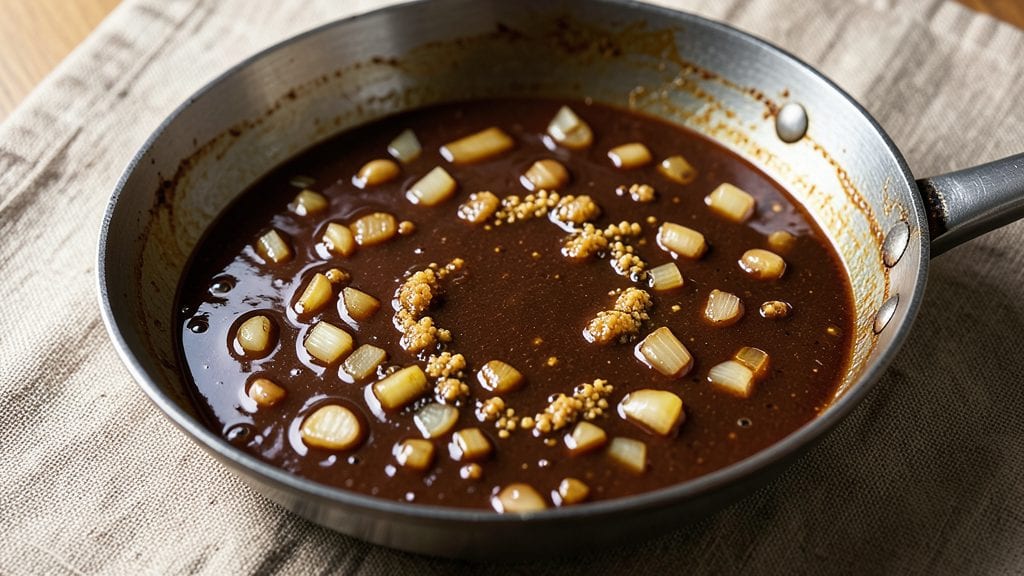
This German gravy recipe transforms simple pantry staples into a rich, umami-packed sauce that elevates any roasted meat or potatoes. Standing on a step stool in my grandmother's kitchen in Sicily, I learned how to coax deep flavor from humble ingredients—now I'm sharing that same technique for German-style gravy.
The secret lies in slow reduction and proper thickening, creating a sauce that's both hearty and elegant.
The beauty of this gravy is its versatility—it starts with pan drippings, then builds depth through aromatic vegetables and a touch of cream. Unlike many recipes that rely on complex ingredients, this version uses basic pantry staples like flour, butter, and beef stock to create restaurant-quality results.
It's the kind of sauce that makes weeknight dinners feel special without requiring hours in the kitchen.
What you'll end up with is a velvety gravy that clings perfectly to roasted chicken, pork chops, or mashed potatoes, adding layers of savory richness. The slow reduction process develops a deep, caramelized flavor that's impossible to achieve with quick methods.
This is gravy that will have your family asking for seconds—and requesting the recipe to keep.
Perfect for holiday meals, Sunday dinners, or any occasion where you want to impress with minimal effort. The sauce keeps well in the refrigerator for up to five days, making it ideal for meal prep. Let's create this flavorful foundation for your next meal.
Ingredients for german gravy
Nine simple ingredients transform pan drippings into velvety German gravy.
| Ingredient | Amount | Notes |
|---|---|---|
| Pan Drippings 🍲 | 2 cups | From roasted meat or vegetables |
| Unsalted Butter 🧈 | ½ cup | Full-fat for richness |
| All-Purpose Flour 🌾 | ¼ cup | For thickening, sifted |
| Beef Stock 🥩 | 1 ½ cups | Homemade or quality store-bought |
| Yellow Onion 🧅 | 1 whole | Finely chopped, yellow or white |
| Garlic Cloves 🧄 | 3 cloves | Minced, fresh preferred |
| Heavy Cream 🥛 | ¼ cup | Full-fat for velvety texture |
| Worcestershire Sauce 🍶 | 1 tbsp | For umami depth |
| Salt 🧂 | 1 tsp | Adjust to taste |
| Black Pepper 🌶️ | ½ tsp | Freshly ground |
The pan drippings are your flavor foundation—don't skip scraping up every last bit. If you're roasting meat, Costco's Kirkland Signature or Trader Joe's beef roasts give the best drippings. For extra depth, I sometimes add a splash of red wine (about 2 tbsp) when deglazing the pan. The beef stock matters too—Kitchen Basics or Pacific Foods are my go-tos for store-bought. Fresh garlic and onions? Trader Joe's sells pre-chopped sets that save time, but nothing beats freshly minced for flavor.
No beef stock? Chicken stock works in a pinch, though it'll be lighter. Short on heavy cream? Half-and-half or whole milk adds creaminess, just expect a thinner consistency. Worcestershire sauce hard to find? Soy sauce at half the amount gives a similar umami punch. The flour is non-negotiable for thickening—King Arthur or Bob's Red Mill brands work perfectly. If you're gluten-free, swap the flour for cornstarch (use 2 tbsp) and add it at the end with the cream.
This gravy reheats beautifully—just warm on the stove with a splash of stock or water. Keeps in the fridge for 5 days in an airtight container, or freeze for 3 months. I always make extra because it's perfect over mashed potatoes, roasted veggies, or even as a dip for bread. For meal prep, portion into small jars so you can grab exactly what you need. The flavor actually improves after a day as everything melds together.
Why You'll Love This Recipe
- Zero-Waste Magic: I swear by this trick—just the golden drippings from a roast or pan-fried steak, thickened with a pat of butter and flour. No scraps go to waste, and the result? Rich, meaty depth in minutes.
- Savory Umami Bomb: That onion, slowly caramelized in the drippings before the roux forms, packs a punch. The beef stock ties it all together—deep, warm, and so satisfying it’ll have you licking the pan.
- Leftovers’ Best Friend: This gravy keeps like a champ in the fridge for days, or even freezes beautifully. Drizzle it over mashed potatoes, eggs, or even cold cuts for a quick, no-effort upgrade.
- Pantry Staple Power: Butter, flour, onion, stock—you’re probably already using these. No fancy ingredients, no last-minute grocery runs. It’s the kind of recipe that turns "what’s for dinner?" into "let’s eat."
Step-by-step instructions for German gravy recipe
Transform simple pantry staples into a velvety, umami-rich gravy perfect for roasted meats.
Build the Flavor Base with Butter and Onion
Melt the 0.5 cup unsalted butter in a large skillet or saucepan over medium heat. Add the finely chopped 1 whole yellow onion and cook for 5-6 minutes until softened and translucent. You'll know it's ready when the onion releases its sweet aroma - this is your foundation flavor.
Here's where it gets good - reduce heat to medium-low and continue cooking until the onions turn golden brown, about 8-10 minutes total. This caramelization adds depth that makes all the difference in German gravy. Don't rush this step; patience pays off with complex flavor development.
Add Garlic and Create the Roux
Stir in the 3 cloves minced garlic cloves and cook for 30 seconds until fragrant. The garlic should sizzle gently but not burn - watch carefully as it can go from perfect to bitter in seconds. Immediately sprinkle the 0.25 cup all-purpose flour over the onions and stir constantly for 1-2 minutes.
This creates a roux that will thicken your gravy. Keep stirring until the mixture turns a light golden color and smells nutty. You'll see the flour transform from raw to cooked - this is when it starts developing thickening power. If it darkens too quickly, reduce heat immediately to prevent burning.
Deglaze and Simmer the Gravy
Pour in the 2 cups pan drippings and scrape up any browned bits from the bottom of the pan with a wooden spoon. Add the 1.5 cups beef stock and 1 tbsp Worcestershire sauce, then bring to a gentle simmer. This deglazing step captures all those meaty flavors that settled in your roasting pan.
Simmer uncovered for 10-12 minutes, stirring occasionally, until the gravy thickens enough to coat the back of a spoon. You're looking for a velvety consistency that clings lightly to the spoon - not too thick, but definitely more substantial than when you started. The Worcestershire sauce adds that signature umami depth that makes German gravy special.
Finish with Cream and Season
Reduce heat to low and stir in the 0.25 cup heavy cream. Add the 1 tsp salt and 0.5 tsp black pepper, then simmer gently for 2-3 minutes. The cream will make your gravy rich and velvety while adding a subtle sweetness that balances the savory flavors.
Taste and adjust seasoning - you might need a bit more salt or pepper depending on how rich your pan drippings were. For the perfect finish, strain the gravy through a fine-mesh sieve to remove any onion bits if you prefer a smooth texture. This gravy should coat the back of a spoon but still be pourable - not gluey or watery.
Serve Immediately
Keep the gravy warm over low heat while you serve. German gravy is best enjoyed fresh from the stove - it continues to thicken slightly as it sits. Ladle it generously over roasted meats, dumplings, or mashed potatoes for maximum flavor impact.
If you find the gravy too thick after sitting, simply whisk in 1-2 tablespoons of hot beef stock to reach your desired consistency. The key to great gravy is balance - rich enough to coat, but still light enough to complement rather than overpower your main dish.
Pro Tips For Making German Gravy
- DEGLAZE HOT: Scrape that pan immediately after searing—while the drippings are still sizzling. Cold drippings turn to useless grease; hot ones release rich, flavor-packed bits that make your gravy sing. (Yes, even if you’re impatient like me.)
- FINELY GRATE ONION: Skip the chopping—grate the onion instead. It dissolves faster, adds sweetness without texture, and blends seamlessly into the roux. I used to dice mine and always wondered why my gravy tasted off—turns out, visible bits never fully incorporate.
- WHISK LIKE MAD: When combining stock with the roux, don’t pour—whisk aggressively in a slow stream. Dumping stock too fast creates lumps that ruin the smoothness. I learned this after serving gravy with visible flour chunks—not a proud moment.
- SIMMER LOW AND LONG: Reduce the gravy on low heat for at least 10 minutes. Rushing it makes it gluey; patience thickens it properly and deepens the flavor. I skip this when I’m in a hurry, but the difference is night and day—especially with beef stock.
Common mistakes when making this recipe
Rushing the Roux
One of the most common mistakes is rushing the roux step. When you add flour to the butter and onions, it's crucial to cook it until it turns a light golden color—this is when it starts to develop thickening power.
I've seen many cooks skip this step or cook it too quickly, which leads to a gravy that's either too thin or has a raw flour taste. Take your time and stir constantly over medium heat until it smells nutty and looks golden. 🌡️
Skipping the Deglaze
Many people overlook the importance of deglazing the pan after removing their roasted meat. Those browned bits on the bottom of your pan are packed with flavor—what we call the "fond."
When you pour in your liquid (pan drippings and stock), you're essentially dissolving these flavorful bits, which adds depth to your gravy. I always use a wooden spoon to scrape up every last bit before adding the liquid. This step is non-negotiable if you want authentic German gravy flavor.
Adding Cream Too Early
Adding heavy cream too early in the process can cause your gravy to break or separate. The cream needs to be introduced at the very end when the gravy has already thickened from the roux and simmering.
When I first started making gravy, I added the cream too soon, and it would curdle or make the gravy look greasy. Always wait until the gravy has reached the right consistency before adding the cream for that velvety finish.
Over-Simmering the Gravy
Another common mistake is letting the gravy simmer too long after adding the stock. While you want it to thicken, simmering it for too long can make it gluey or develop a bitter taste.
The goal is a velvety consistency that coats the back of a spoon but isn't too thick. I usually keep an eye on it and remove it from heat as soon as it reaches that perfect texture.
If it thickens too much while sitting, you can always thin it with a splash of hot stock.
Ignoring the Pan Drippings
Some cooks use too little or even skip the pan drippings entirely, which robs the gravy of its rich, meaty flavor. The drippings from your roasted meat are essential—they contain all those caramelized bits and natural juices that create depth.
I always save the drippings in a small container and use them immediately for maximum flavor. If you're short on drippings, you can supplement with a little extra beef stock, but don't skip this step entirely.
Not Tasting and Adjusting
Finally, many people pour all the ingredients into the pot and assume it will taste perfect without tasting it first. Gravy is all about balance—you need to adjust the salt, pepper, and sometimes even the acidity (with a splash of lemon juice or vinegar if needed).
I always taste the gravy before serving and adjust the seasoning accordingly. This is where the magic happens, and it's the difference between good gravy and great gravy. 💡
Nutrition facts
Frequently asked questions
Can I make this gravy without pan drippings?
The pan drippings provide essential meaty flavor, but you can substitute with 2 cups extra beef stock if needed. For best results, use a splash of red wine (about 2 tablespoons) or soy sauce to mimic the umami depth from meat drippings. The gravy will still be delicious but slightly lighter in flavor.
What's the best way to thicken gravy if it turns out too thin?
Mix 1 tablespoon cold water with 1 tablespoon flour to create a slurry, then stir it into your gravy while simmering. Cook for 2-3 minutes until thickened. For a quicker fix, whisk in 1 teaspoon cornstarch mixed with 1 tablespoon cold water and simmer until clear. Always thicken gradually to avoid making it gluey.
How do I store leftover gravy?
Let the gravy cool completely, then transfer to an airtight container. It keeps in the refrigerator for 5 days or freezes for 3 months. For reheating, warm gently on the stove over low heat, stirring frequently. Add 1-2 tablespoons of hot beef stock if it thickens too much while reheating.
Can I make this gravy vegetarian?
Yes! Replace the pan drippings with 2 cups vegetable broth, use vegetable stock instead of beef stock, and add 1 tablespoon soy sauce for umami. For extra richness, stir in 2 tablespoons nutritional yeast or mushroom powder. The texture will be slightly lighter but still velvety when finished.
What's the secret to restaurant-quality gravy?
Three things:
- Caramelize the onions until golden brown for deep flavor,
- Cook the roux until nutty (not just pale), and
- Simmer gently without boiling to develop rich texture. The cream should be added last, and always taste as you go to adjust seasoning. Patience at each step makes all the difference!