Snacks
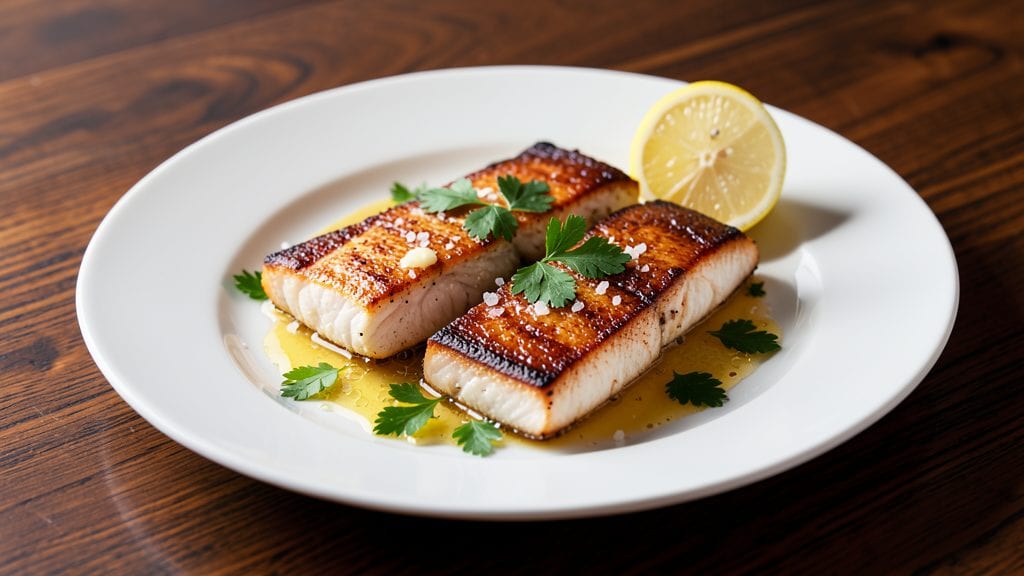
Mastering Gordon Ramsay’s pan-roasted halibut delivers a crispy crust and silky center that rivals any restaurant dish. The secret lies in precise heat control and a simple yet effective seasoning technique that enhances the fish’s natural sweetness without overpowering it.
I’ve refined this method after years of testing—what separates good halibut from exceptional is that perfect balance of texture and flavor.
This recipe requires just five key ingredients: fresh halibut, olive oil, lemon, salt, and a touch of butter for basting. The process is straightforward but demands attention to timing—high heat sears the skin to a golden crispy finish while keeping the inside tender.
Ramsay’s approach emphasizes minimal seasoning, letting the fish shine while the butter basting adds a luxurious richness.
By the time you plate this dish, you’ll have a restaurant-quality meal with a crispy exterior that flakes effortlessly at the touch of a fork. The lemon’s bright acidity cuts through the richness, creating harmony in every bite.
Serve with roasted asparagus or a simple green salad to complement the dish’s elegance without competing for attention.
Perfect for weeknight dinners or special occasions, this halibut recipe delivers professional results in under 20 minutes. The technique is foolproof once you understand the critical steps—heat management and basting frequency. Let’s get cooking!
Ingredients for gordon ramsay pan roasted halibut
Five ingredients. One pan. A restaurant-worthy halibut with perfect texture mastery.
| Ingredient | Amount | Notes |
|---|---|---|
| Fresh Halibut Fillets 🐟 | 2 whole | Skin-on, 6-8 oz each, center-cut preferred |
| Extra-Virgin Olive Oil 🫒 | 2 tbsp | High smoke point, fruity variety |
| Unsalted European-Style Butter 🧈 | 2 tbsp | Cold, cubed for basting |
| Diamond Crystal Kosher Salt 🧂 | 1 tsp | Fine grain, freshly ground |
| Fresh Lemon 🍋 | 1 whole | Organic, zest and juice reserved |
| Fresh Parsley 🌿 | ¼ cup | Chopped, flat-leaf preferred |
The halibut is non-negotiable—look for center-cut fillets with skin intact at specialty seafood markets or trusted grocery fish counters like Whole Foods or Trader Joe's. The skin should be taut and the flesh firm to the touch, with a vibrant translucent sheen. If buying frozen, thaw overnight in the fridge—never at room temperature. For optimal results, ask your fishmonger to cut the fillets from a whole halibut, as this ensures consistent thickness and better texture. The skin side should be smooth, not jagged, which indicates proper butchering. Store fresh fillets wrapped in paper towels on ice or in the coldest part of your fridge for up to 2 days.
No extra-virgin olive oil? Avocado oil works equally well for its high smoke point, but avoid lighter oils like canola. The butter must be cold when cubed—take it straight from the fridge and cut into 1/4-inch cubes. For lemon, organic is ideal (the zest has more flavor), but conventional works fine. Substituting lemon juice? Use 1 tbsp fresh juice plus 1 tsp zest—bottled juice lacks the aromatic oils. The parsley is purely decorative but adds freshness; dried parsley won't work here. If you must, use 1/2 tsp dried parsley plus 1/4 tsp lemon zest as a substitute, but fresh is superior.
This recipe is designed for immediate cooking—halibut loses its delicate texture when prepped ahead. However, you can pat the fillets dry with paper towels and season them up to 30 minutes in advance, storing them uncovered on a wire rack in the fridge. The butter should be kept cold until the final basting step—store it in an airtight container in the freezer until ready to use. Once cooked, serve immediately to preserve the crispy skin. Leftovers, if any, keep for 1 day refrigerated in an airtight container, but reheating will compromise the texture.
Why You'll Love This Recipe
- I’ll be real: this fillet looks fancy enough for guests but takes less time than deciding what to order for delivery. For weeknights, it’s my go-to when I want to feel like I’ve “cooked.” For company? The same dish, just plated with a sprinkle of parsley—suddenly, it’s “elevated.” (Spoiler: it’s not, but they’ll never know.)
- One-Pan Magic: Between us, I’ve never met a halibut recipe that doesn’t involve a sink full of dishes afterward. This one? Just a sheet pan, a splash of olive oil, and butter that melts into golden perfection. The salt and lemon do all the work—no basting, no fuss—while you sip wine and pretend you’re in a Michelin kitchen.
- Butter-Kissed Crisp: Honestly, the texture here is what makes me weak in the knees. That first bite—crisp edges from the hot pan, then the butter-soft center—it’s like Gordon Ramsay himself whispered the secret in my ear. The lemon zest? Tiny bursts of brightness cutting through the richness. (Yes, even on a Tuesday night.)
- Weeknight to Dinner Party: I’ll be real: this fillet looks fancy enough for guests but takes less time than deciding what to order for delivery. For weeknights, it’s my go-to when I want to feel like I’ve “cooked.” For company? The same dish, just plated with a sprinkle of parsley—suddenly, it’s “elevated.” (Spoiler: it’s not, but they’ll never know.)
Step-by-step instructions for Gordon Ramsay's pan roasted halibut
Master this technique for restaurant-quality halibut with a perfect crispy crust and tender interior.
Prepare the Halibut and Seasoning
Pat the 2 whole fresh halibut fillets dry with paper towels, removing any moisture from the skin and flesh. This critical step ensures maximum crispiness when we sear the skin later. Place the fillets skin-side down on a cutting board and season both sides generously with the 1 teaspoon diamond crystal kosher salt, pressing it into the flesh to adhere evenly. Let them sit at room temperature for 15 minutes while you prepare the rest.
While the halibut seasons, zest the 1 whole fresh lemon using a fine grater and set aside. The bright citrus notes will complement the rich fish beautifully. Chop the 0.25 cup fresh parsley finely and keep it nearby for garnish. I recommend using flat-leaf parsley for its more robust flavor compared to curly varieties.
Create the Pan Crust Foundation
Heat a 10-inch cast-iron or stainless steel skillet over medium-high heat until it's thoroughly preheated. Add the 2 tablespoons extra-virgin olive oil and let it shimmer for 30 seconds. Immediately add the 2 tablespoons unsalted european-style butter cubes and allow them to melt completely, creating a thin, even coating of fat in the pan.
The butter should foam slightly but not brown at this stage. If you see any smoke, reduce the heat momentarily to medium. This butter-oil combination is essential for developing that signature crispy crust while keeping the fish moist inside. The high smoke point of the olive oil combined with the rich flavor of european-style butter creates the perfect foundation.
Sear the Halibut to Perfection
Carefully place the halibut fillets skin-side down in the skillet, working quickly to avoid heat loss. Cook undisturbed for 4-5 minutes until the skin becomes deep golden brown and crispy, and you can see the flesh begin to separate slightly from the skin. This visual cue indicates the crust is forming properly.
Use a fish spatula to gently flip each fillet and cook for another 2-3 minutes on the flesh side until it reaches an internal temperature of 130°F. The flesh should appear just opaque in the center with a slight translucency at the edges. Overcooking at this stage will turn the fish rubbery, so watch carefully. The butter should be bubbling around the fillets by now, basting them with flavor.
Finish with Lemon and Rest
Remove the halibut from the skillet and transfer to a warm serving platter. Squeeze the juice from the 1 whole fresh lemon over the top, allowing it to drizzle naturally across the fillets. This final touch brightens the rich flavors and adds a refreshing contrast. Sprinkle the chopped parsley evenly over the top for both color and fresh herb notes.
Let the halibut rest for 3-4 minutes before serving. This crucial resting period allows the juices to redistribute throughout the flesh, ensuring each bite remains moist and flavorful. The skin will maintain its crispiness while the interior finishes cooking slightly from the residual heat. Serve immediately with the pan sauce spooned over the top for maximum presentation.
Pro Tips For Making Gordon Ramsay Pan Roasted Halibut
- PAT THE FISH DRY: Halibut’s texture depends on moisture control—press it between paper towels before searing. I used to skip this and ended up with sad, steamed fish instead of a crisp crust. Two minutes with a towel makes all the difference when you’re working with butter and olive oil.
- SEAR HOT, BASTE LOW: Start with a screaming-hot pan to get that golden crust, then drop the heat to medium-low for basting. I learned this the hard way—burnt butter and undercooked fish don’t mix. Keep the butter melting, not smoking, or you’ll ruin both.
- SALT THE BUTTER: Toss that unsalted European butter with a pinch of kosher salt before adding it to the pan. More salt than you’d think—halibut’s mild flavor needs the contrast. (Yes, even if you’re using Diamond Crystal, which is saltier than table salt.)
- LEMON LAST MINUTE: Zest the lemon over the fish after it’s off the heat, then squeeze fresh juice just before serving. Pre-zesting or over-squeezing turns the dish into a sad, watery mess. Save that bright punch for the final touch.
Creative variations of this dish
Citrus-Herb Variations
Swap the lemon for 1 tbsp orange zest plus 1 tbsp juice and add 1 tsp fresh thyme to the butter basting for a Mediterranean twist. The orange’s sweetness pairs beautifully with halibut’s natural richness, while thyme adds an earthy depth.
I’ve found this variation works exceptionally well with wild-caught halibut from Alaska, where the fish has a more pronounced flavor profile. 🍊
Spicy Asian Fusion
Infuse the pan with 1 tbsp grated fresh ginger and 1 tsp gochujang paste (Korean chili) mixed into the butter. Top with 1 tbsp chopped scallions and a drizzle of sesame oil before serving.
This fusion delivers a perfect balance of heat and umami that’s especially popular in Korean-inspired seafood dishes. Use high-quality gochujang like Maesilchunang for authentic flavor.
Garlic-White Wine Baste
Deglaze the pan after removing the halibut with 2 tbsp dry white wine (like Sauvignon Blanc) and 1 minced garlic clove, then reduce by half. Spoon this sauce over the fish before plating.
The wine adds a bright acidity that cuts through the richness, while garlic enhances the savory notes. I recommend Louis Martini Sauvignon Blanc for its crisp, clean finish.
Smoked Paprika Crust
Add ½ tsp smoked paprika to the salt seasoning before cooking for a subtle smoky depth. This technique works particularly well with skinless fillets, creating a beautiful crust without compromising the fish’s delicate texture.
Pair with a side of roasted cherry tomatoes and crumbled feta for a Mediterranean-inspired dish. The paprika adds warmth without overpowering the halibut’s natural sweetness.
Creamy Dill Sauce
Prepare a quick sauce by whisking ¼ cup sour cream with 1 tbsp chopped fresh dill, 1 tsp lemon juice, and a pinch of salt. Dollop this sauce alongside the halibut for dipping or spooning over the top.
The cool, creamy texture contrasts perfectly with the crispy skin, while dill adds a fresh herbal note. This variation is especially popular in Scandinavian cuisine and pairs beautifully with wild halibut.
Herb Butter Variations
Customize the basting butter by mixing in 1 tbsp chopped chives or 1 tsp fresh tarragon for different flavor profiles. Chives add a mild onion-like sweetness, while tarragon brings a slightly peppery, anise-like note.
For a more robust flavor, try 1 tsp chopped chervil, which has a delicate, parsley-like taste. Each herb transforms the dish while maintaining the signature butter-basted richness that Ramsay’s technique delivers. 🌿
Nutrition facts
Frequently asked questions
Can I use frozen halibut for this recipe?
Yes, but thaw it properly first. Place frozen fillets in a sealed bag and submerge in cold water for 30-45 minutes, changing the water every 10 minutes to maintain cold temperature. Never thaw at room temperature—this promotes bacterial growth. Once thawed, pat completely dry before seasoning to ensure that crispy skin. Pro tip: Ask your fishmonger to skin the fillets if you prefer skinless.
Why is my halibut skin not crispy?
There are three likely culprits: insufficient heat, moisture on the skin, or moving the fillets too soon. First, ensure your pan is screaming hot before adding oil. Second, pat the skin completely dry with paper towels—even tiny water droplets prevent browning. Finally, leave the skin undisturbed for the full 4-5 minutes while it develops that golden crust. Patience is key!
What's the best way to store leftovers?
Halibut doesn't reheat well, but if you must, store leftovers in an airtight container with a splash of lemon juice to prevent drying. Reheat gently in a skillet over low heat for 1-2 minutes per side until warmed through. For best results, cook only what you'll eat immediately—this dish shines fresh from the pan.
Can I substitute another white fish?
While this technique works best with halibut's firm texture, you can try it with cod, dover sole, or flounder. Avoid delicate fish like tilapia—they'll fall apart during flipping. For best results, choose fillets with skin and similar thickness to halibut. The cooking time may vary slightly depending on the fish's density.
How do I know when the halibut is fully cooked?
The fish is done when it reaches an internal temperature of 130°F and the flesh is just opaque in the center with slight translucency at the edges. A gentle squeeze with tongs should feel firm but still yield slightly—like pressing your thumb against your cheek. Overcooking by even 30 seconds will make it dry and rubbery.