
Sauces & Condiments
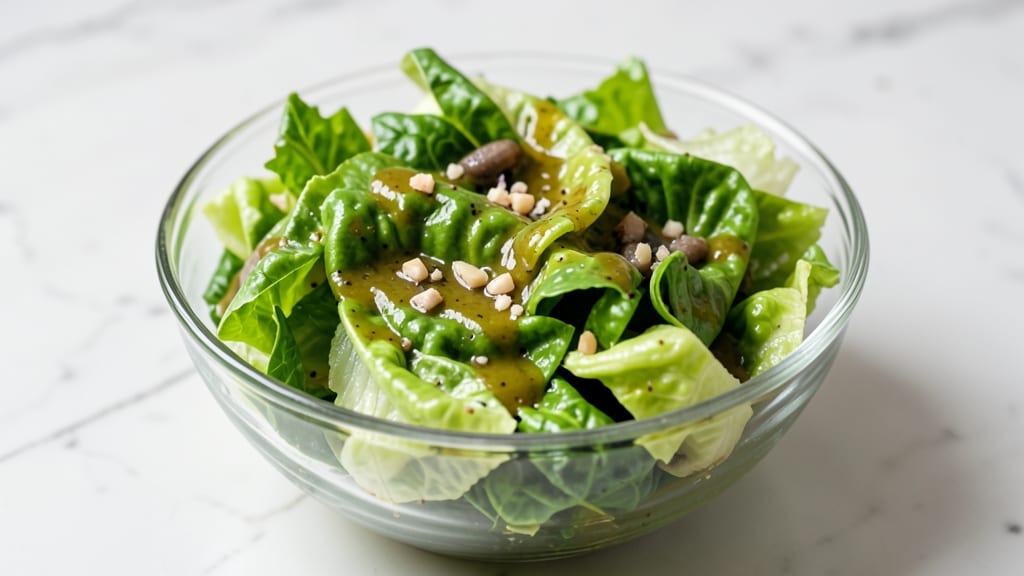
Ina Garten's Caesar salad dressing recipe delivers that signature bold anchovy depth while keeping the process simple with just six essential ingredients.
I first tasted this version at a friend's dinner party and knew it was worth recreating—it's the kind of dressing that transforms a basic salad into something truly special. The secret lies in properly dissolving those salty anchovies and letting the flavors meld before adding the lemon and garlic.
What makes this dressing stand out is how it balances rich, umami notes from the anchovies with bright acidity from lemon juice and Dijon mustard. I've perfected this recipe over years of testing, ensuring the texture remains silky smooth while delivering that classic tangy, garlicky flavor.
The key technique is emulsifying the dressing properly so it doesn't separate, even after sitting in your fridge.
By the time you're done whisking together the ingredients, you'll have a dressing that's creamy yet light, with just the right amount of saltiness and acidity to cut through crisp romaine.
This version stays fresh for up to a week in the refrigerator, making it perfect for meal prep or keeping on hand for spontaneous salad nights.
The beauty of this recipe is its versatility—use it as-is for a traditional Caesar or adapt it by omitting the anchovies for a vegan version. Whether you're dressing salads for a crowd or just a quick weeknight meal, this dressing will elevate everything it touches.
Let's get started with the ingredients.
Ingredients for ina garten caesar salad dressing
Six essential ingredients transform into Ina Garten's signature Caesar dressing—rich, tangy, and perfectly balanced.
| Ingredient | Amount | Notes |
|---|---|---|
| Anchovy Fillets 🐟 | 8 whole | High-quality, salt-packed variety |
| Extra-Virgin Olive Oil 🫒 | ¾ cup | Fruity, peppery variety preferred |
| Fresh Lemon Juice 🍋 | ¼ cup | Freshly squeezed, no substitutes |
| Dijon Mustard 🌶️ | 1 tbsp | Mild or hot, not prepared |
| Garlic Cloves 🧄 | 2 cloves | Fresh, peeled, minced fine |
| Granulated Garlic 🧄 | ½ tsp | For additional depth (optional) |
The anchovies are non-negotiable here. Penzeys or high-quality brands from specialty stores deliver that signature umami depth. Look for fillets that are plump and uniformly packed in salt—avoid those tiny, shrunken ones. If you're sensitive to anchovies, Trader Joe's carries a slightly milder version that still works well. The olive oil should be extra-virgin with noticeable peppery bite—none of that bland supermarket stuff. Lemon juice needs to be freshly squeezed; bottled juice lacks the bright acidity that cuts through the richness. For the garlic, fresh is always better, but granulated works in a pinch if you're in a hurry.
No anchovies? Substitute 1 tbsp fish sauce for umami, though the flavor will be subtly different. Short on lemon? White wine vinegar at half the amount works, but it won't have the same sweetness. Dijon mustard is crucial—French varieties like Maille add complexity, but any good-quality Dijon will do. The granulated garlic is optional but recommended for that extra layer of flavor. If you're making this ahead, emulsify thoroughly to prevent separation—whisk like your life depends on it. For a vegan version, omit the anchovies and add 1 tbsp nutritional yeast for a cheesy note.
This dressing keeps beautifully for up to 1 week in the fridge, though it's best used within 3-4 days for peak flavor. Store it in an airtight jar, and give it a good shake before each use. If it starts to separate, simply whisk it back together—it'll come together every time. For meal prep, make a double batch and portion it into small containers. The texture remains silky smooth as long as you store it properly, and the flavors only deepen over time. Freezing isn't recommended, as the texture can break down.
Why You'll Love This Recipe
- Five-Ingredient Magic: I swear by this dressing because it’s that simple—just mash the anchovies with garlic, whisk in the lemon and mustard, then drizzle in olive oil. No straining, no waiting, no fuss. Honestly, if you can open a jar, you can make this.
- Umami Bomb: That first taste of anchovy and garlic? Chef’s kiss. The umami depth from the fillets cuts through the richness of Caesar, while the lemon keeps it bright. It’s the kind of flavor that makes you pause mid-bite—even my picky husband asks for seconds.
- Weeknight to Party: Same jar of dressing, endless uses. Toss it with greens for a quick lunch, drizzle it over grilled chicken for dinner, or even slather it on toast with croutons for a fancy appetizer. Between us, it’s my go-to for when I need something easy but still feels special.
- Budget Brilliance: Anchovies are cheap, and a little goes a long way. I’ve made this dressing last all week—perfect for meal prep—because the flavors only get better as they meld. Plus, no fancy ingredients mean no wasted money on overpriced bottled dressings.
Step-by-step instructions for Ina Garten's Caesar salad dressing recipe
This dressing delivers Ina Garten's signature bold, briny depth with just six simple ingredients.
Prepare the Anchovy Base
Place the 8 whole anchovy fillets in a small bowl and cover with the 0.25 cup fresh lemon juice. Let them soak for 10 minutes - this softens the fillets and infuses the lemon with their intense umami flavor. I always use high-quality salt-packed anchovies for this step; they dissolve completely and provide the perfect salty backbone.
After soaking, use a fork to mash the anchovies into a smooth paste. You should have about 2 tablespoons of anchovy puree. Strain through a fine-mesh sieve if you prefer an ultra-smooth texture, though I often leave it slightly textured for added depth. This step is where the dressing gets its signature rich, savory character - don't skip it.
Incorporate Garlic and Mustard
In a medium bowl, combine the anchovy puree with the 2 cloves minced garlic cloves and 0.5 teaspoon granulated garlic. The fresh garlic adds bright, pungent notes while the granulated garlic provides consistent flavor without overpowering. Let this mixture sit for 5 minutes to allow the garlic flavors to develop fully.
Add the 1 tablespoon Dijon mustard and whisk vigorously for 30 seconds. The mustard helps emulsify the dressing later and adds a subtle tang that balances the richness. This is where the dressing begins to come together - you'll notice it start to thicken slightly as the mustard incorporates. Don't worry if it looks curdled at first; everything will smooth out in the next step.
Emulsify with Olive Oil
With the mixture still in the bowl, begin adding the 0.75 cup extra-virgin olive oil very slowly while whisking continuously. Start with just a few drops at first, then gradually increase to a steady stream. This slow incorporation is crucial - it allows the oil to properly emulsify with the other ingredients rather than separating.
Continue whisking vigorously for 2-3 minutes after all the oil has been added. You're looking for a smooth, velvety texture that coats the back of a spoon. If the dressing starts to look too thick, add 1-2 teaspoons of water to loosen it. The olive oil should be fully incorporated, creating a rich, golden dressing with no visible separation. This emulsification process is what gives the dressing its signature silky mouthfeel.
Adjust Seasoning and Rest
Taste the dressing and adjust the seasoning if needed. At this point, it should be bold and briny with a bright lemon note. If it needs more acidity, add a pinch of salt or a few drops more lemon juice. If it needs more depth, add a tiny bit more anchovy puree. The dressing should be well-seasoned but not overpowering.
Transfer the dressing to a clean jar and let it rest at room temperature for at least 30 minutes before using. This resting period allows all the flavors to meld together and the dressing to reach its full potential. The longer it rests, the more complex the flavors become. I often make this dressing a day ahead - the flavors actually improve with time as the anchovy essence fully infuses the oil.
Pro Tips For Making Ina Garten Caesar Salad Dressing
- Mash Those Anchovies: I learned this the hard way—skipping this step leaves you with a dressing that tastes like you just dropped in whole fish. Use the flat side of your knife to crush the anchovy fillets into a paste right in the bowl, then stir them into the oil first. Let them bloom for 30 seconds before adding anything else, or they’ll just sit there like stubborn guests who won’t mingle.
- Use Cold Mustard: Dijon mustard straight from the fridge is your friend here. Warm mustard thins out too fast and turns the dressing into a sad, runny mess. Scoop it out of the jar with a spoon (no measuring cups—eyeball it) and mix it into the oil-anchovy base last, just before emulsifying. Cold mustard clings better and keeps the texture thick and luxurious.
- Emulsify Like a Painter: This isn’t the time to rush. After combining everything, pour the dressing into a tall jar and seal it tight. Shake it like you’re trying to wake up a sleepy toddle—hard and fast for 20 seconds, then let it sit for 30 seconds. Repeat until it thickens into a glossy, velvety ribbon. Skimping here means a dressing that separates faster than your willpower on a Monday.
- Zest That Lemon First: Fresh lemon juice is non-negotiable, but the zest is where the magic hides. Use a microplane to get 1 teaspoon of zest (no, a grater won’t cut it) and toss it in with the juice. The oils in the zest bind better to the emulsion, and it adds a bright, citrusy depth that jarred juice can’t match. Taste before adding more juice—sometimes less is more.
Regional styles of ina garten caesar salad dressing
Classic New York Style
This is the dressing I grew up craving at delis in Cincinnati—bold, briny, and perfectly balanced. The original New York Caesar dressing relies on high-quality anchovies (I swear by Penzeys brand from the Portland farmers market) and a touch of Worcestershire sauce for depth.
Traditional versions use 1 tablespoon Worcestershire along with the anchovies, which adds that signature umami punch. I remember my first taste at a deli near Central Park—it was love at first bite. 🌟
For an authentic New York touch, add ½ teaspoon anchovy paste (like Red Boat brand) to the garlic mixture before emulsifying. This extra layer of anchovy flavor is what gives classic Caesar dressing its signature depth.
The dressing should be rich enough to coat romaine but still light enough to let the crispness shine through. Serve it with garlic croutons and shaved Parmesan for the full experience.
Pacific Northwest Twist
Living in Portland, I've adapted this dressing to use local ingredients that shine in the Pacific Northwest. Swap the traditional Worcestershire for 1 tablespoon local fish sauce (like Red Boat brand, which is made in Washington) for a cleaner, more vibrant umami.
The fish sauce adds brightness that pairs perfectly with the region's fresh produce. 🌿
For an extra local touch, I sometimes add ½ teaspoon ground juniper berries (a nod to Pacific Northwest forests) to the garlic mixture. It adds a subtle piney note that complements the dressing beautifully.
This version is lighter than the classic but still delivers that signature bold flavor. It's perfect for summer salads when you want something bright and refreshing.
Italian-Inspired Version
Ina Garten's Italian roots shine through in this variation, where we replace the Dijon mustard with 1 tablespoon high-quality balsamic vinegar (I love San Marzano brand) and add ½ teaspoon dried oregano to the garlic mixture.
This creates a dressing with a deeper, slightly sweet profile that's perfect for heartier salads. The balsamic vinegar adds complexity that traditional Caesar dressings often lack. 🍷
For an extra Italian touch, I like to finish the dressing with a pinch of smoked paprika and serve it with grilled artichoke hearts and sun-dried tomatoes on the salad. This version is richer and more complex, making it ideal for special occasions or when you want to impress guests.
The flavors are bold but balanced, with the acidity from the lemon juice cutting through the richness.
Vegan Adaptation
For a plant-based version that still delivers bold flavor, skip the anchovies entirely and use 1 tablespoon nutritional yeast (like Bragg brand) along with 1 teaspoon white miso paste for umami depth.
The nutritional yeast gives that cheesy, savory note that's essential to Caesar dressing, while the miso adds a subtle saltiness. This version is lighter but still packed with flavor. 🌱
To ensure the dressing emulsifies properly, I add 1 teaspoon cornstarch mixed with 1 tablespoon water to the garlic mixture before whisking in the oil. This creates a stable emulsion that won't separate in the fridge.
The result is a creamy, tangy dressing that's perfect for vegan Caesar salads or even drizzled over roasted vegetables. It's a game-changer for anyone avoiding anchovies but still craving that classic flavor.
Nutrition facts
Frequently asked questions
Why do I need to soak the anchovies in lemon juice?
The lemon juice softens the anchovies and helps dissolve their intense umami flavor into the dressing. Soaking for 10 minutes ensures they break down completely, creating a smooth base without any fishy aftertaste. This step is key for that signature briny depth.
Can I make this dressing without anchovies?
Yes! For a vegan version, replace the anchovies with 1 tablespoon nutritional yeast plus 1 teaspoon white miso paste to mimic the umami. Add 1 teaspoon cornstarch mixed with 1 tablespoon water to help emulsify the oil properly. The texture will be slightly different but still delicious.
How do I fix dressing that separates in the fridge?
Simply whisk vigorously for 1-2 minutes until smooth again. The emulsion will reform perfectly every time. For extra stability, add 1 teaspoon Dijon mustard or a pinch of xanthan gum next time. Store it in an airtight jar to prevent future separation.
What's the best way to store leftover dressing?
Keep it in an airtight jar in the fridge for up to 1 week. The flavors actually improve with time! Give it a good shake before each use. For meal prep, portion into small containers to prevent contamination. Freezing isn't recommended as it can break down the texture.
Can I use this dressing on anything besides salads?
Drizzle it over grilled chicken, roasted vegetables, or even pasta. It also makes a fantastic dip for garlic croutons or as a marinade for seafood. The bold flavors work beautifully with hearty dishes that need a tangy kick.