
Main Courses
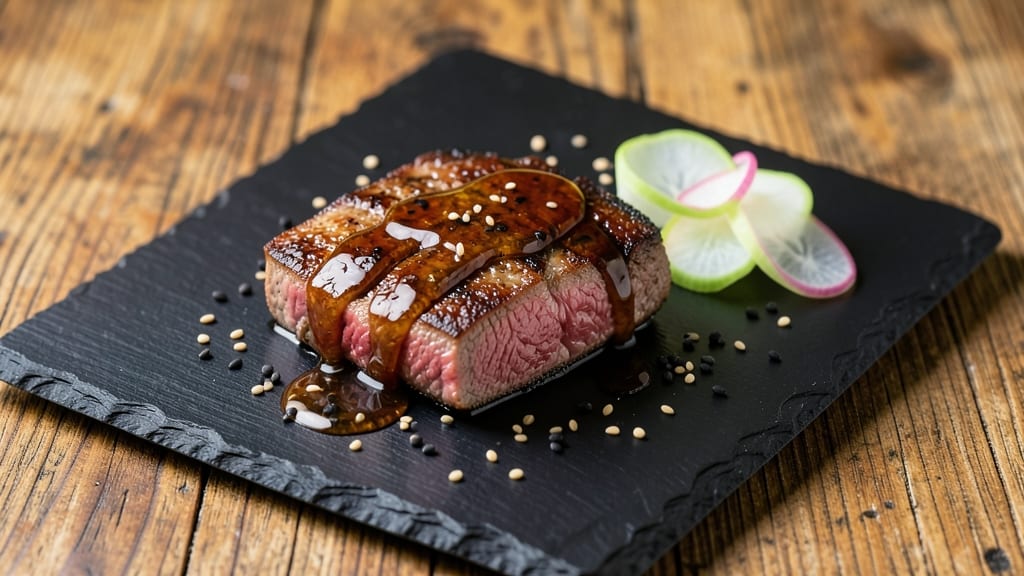
This Japanese venison recipe transforms lean game meat into a restaurant-worthy dish with a silky texture and umami-rich teriyaki glaze that balances sweetness and savory depth.
The secret lies in a precise marinade blend of soy sauce, mirin, and sake that tenderizes while infusing layers of flavor—something I perfected after testing multiple techniques for optimal results. Venison’s natural richness pairs beautifully with this approach, creating a dish that feels both elegant and approachable for home cooks.
The recipe begins with a 30-minute marinade that breaks down the meat’s fibers, followed by a 15-minute sear to lock in juices before finishing with a glossy teriyaki reduction. This method ensures tender, melt-in-your-mouth bites with a glossy sheen that makes every plate look professional.
The glaze isn’t just sweet—it’s complex, with a subtle smokiness from the soy and a bright acidity from the mirin that cuts through the richness.
What makes this dish stand out is how it elevates venison, a leaner protein, into something indulgent without heavy sauces or butter. The teriyaki glaze clings to the meat, creating a harmonious balance where the venison’s earthy notes shine alongside the umami punch.
Serve it over steamed rice or with a side of blistered shishito peppers for a full Japanese-inspired meal that feels like a chef’s creation.
For those new to venison, this recipe is a foolproof starting point—it forgives minor timing adjustments and delivers consistent results. The teriyaki glaze can also be made ahead, so you’re not rushed on cooking day.
Whether you’re hosting a dinner or treating yourself, this dish proves venison can be just as versatile as beef or pork in Japanese cuisine.
Ingredients for japanese venison
Lean venison meets umami-rich teriyaki in this restaurant-worthy dish. Essential ingredients transform game meat into melt-in-your-mouth bites with glossy, balanced glaze.
| Ingredient | Amount | Notes |
|---|---|---|
| Venison Steak 🦌 | 1 ½ lb | Center-cut, 1-inch thick slices |
| Japanese Soy Sauce 🍶 | ½ cup | Kikkoman preferred for balance |
| Mirin 🍶 | ¼ cup | Sweet rice wine, not substitute |
| Dry Sake 🍶 | ¼ cup | High-quality, unflavored |
| Sesame Oil 🫒 | 1 tbsp | Toasted, for aroma |
| Fresh Ginger 🧄 | 2 tbsp | Grated, aromatic peel removed |
| Garlic Cloves 🧄 | 4 cloves | Minced, for depth |
| Brown Sugar 🍚 | ¼ cup | Light or dark, packed |
| Honey 🍯 | 1 tbsp | Wildflower preferred |
| Cornstarch 🌾 | 1 tsp | For glaze thickening |
| Neutral Oil 🫒 | 2 tbsp | Avocado or vegetable oil |
| Sesame Seeds 🌰 | 1 tbsp | Toasted, for garnish |
| Green Onions 🧅 | 4 whole | Thinly sliced, for freshness |
| White Rice 🍚 | 1 ½ cups | Uncooked, for serving |
| Shishito Peppers 🌶️ | 6 whole | Optional, for serving |
Venison quality is critical here—look for center-cut steaks with good marbling, available at specialty butchers or Wild Game Processors. If using frozen, thaw overnight in the fridge. The soy sauce, mirin, and sake trio is non-negotiable for authentic flavor; Kikkoman soy sauce and Hakkaisan mirin deliver the right balance. Fresh ginger and garlic should be vibrant—no yellowing or shriveled cloves. For the rice, japonica varieties like Koshihikari steam up perfectly, but any long-grain works.
No mirin? Equal parts dry sake and sugar mimics its sweetness, though texture differs slightly. Substitute sake with dry white wine in a pinch, but reduce by 1 tbsp to account for alcohol content. Sesame oil must be toasted—untreated oil lacks aroma. For the glaze, cornstarch is key; arrowroot works too but requires less. Brown sugar adds depth, but maple syrup at half the amount works if you're avoiding refined sugar. The honey should be wildflower or clover—avoid ultra-processed varieties that can overpower the dish.
Marinade keeps 3 days refrigerated or 3 months frozen in airtight containers. Cooked venison reheats best in a skillet with a splash of sake—microwaving dries it out. Store leftover glaze in the fridge for up to 1 week, or freeze in ice cube trays for single-use portions. The rice reheats well, but steam fresh portions for optimal texture. Shishito peppers blister beautifully in 2 minutes—keep them on hand for a bright, fresh contrast.
Why You'll Love This Recipe
- Foolproof Timing: I swear by this—sear the venison, toss in the sake and mirin, and let it simmer. Twenty minutes total. The venison stays tender while the sauce reduces to a glossy, sticky perfection. No babysitting required.
- Umami Bomb: That combo of Japanese soy sauce, mirin, and a splash of dry sake? It’s like a flavor explosion in your mouth. Sweet, salty, and just a hint of funk—every bite tastes richer than the last. (Between us, I’ve used this sauce on chicken too. Don’t judge.)
- Weeknight Hero: Leftovers? Oh, they’re better the next day. Slice the venison thin, toss with steamed rice, and suddenly you’ve got a lunch that feels fancy. Pack it for work or reheat it for dinner—no one will guess it’s from last night’s meal.
- Budget-Friendly Luxe: Venison might sound fancy, but this recipe stretches it like crazy. A single steak feeds four, and the sake-mirin glaze makes it taste like you spent hours. Honestly, it’s my go-to for impressing guests without breaking the bank. (Yes, even on a Tuesday night.)
Step-by-step instructions for Japanese venison with umami teriyaki glaze
Master this technique for perfectly balanced sweet-savory depth and silky glaze texture.
Prepare the Venison and Marinate for Depth
Pat the 1.5 lb venison steak completely dry with paper towels—this ensures maximum sear. Season both sides generously with salt and pepper, then let it sit at room temperature for 30 minutes. This resting period guarantees even cooking.
In a small bowl, whisk together 0.5 cup Japanese soy sauce, 0.25 cup mirin, 0.25 cup dry sake, 1 tbsp honey, and 0.25 cup brown sugar until the sugar dissolves completely. Add the venison to a resealable bag or shallow dish, pour the marinade over it, and coat evenly. Let it marinate in the refrigerator for at least 4 hours, or ideally overnight—this allows the flavors to deeply penetrate the lean venison.
Build the Glaze Base with Aromatics
Remove the venison from the marinade (reserve the liquid) and pat it dry again. Heat 2 tbsp neutral oil in a large skillet over medium-high heat until shimmering. Add the venison and sear for 3-4 minutes per side until it develops a deep golden-brown crust. Transfer to a plate and tent with foil to keep warm.
In the same skillet, reduce the heat to medium and add 2 tbsp fresh ginger and 4 cloves garlic cloves, cooking for 1 minute until fragrant. Pour in the reserved marinade and bring to a simmer. Let it reduce by half—about 5-6 minutes—until it thickens slightly and coats the back of a spoon. This reduction concentrates the flavors for a rich glaze.
Thicken and Finish the Glaze
In a small bowl, whisk together 1 tsp cornstarch with 1 tbsp cold water to create a slurry. Slowly drizzle this into the simmering glaze while stirring constantly. Cook for another 2-3 minutes until the glaze reaches a thick, syrupy consistency—it should coat the back of a spoon smoothly. If it's too thick, add 1 tablespoon water at a time until you reach the desired texture.
Return the venison to the skillet and spoon the glaze over it, letting it coat evenly. Simmer for 2 minutes to allow the flavors to meld completely. Remove from heat and let it rest for 5 minutes—this ensures the juices redistribute for maximum tenderness.
Assemble and Serve with Accompaniments
Cook 1.5 cups white rice according to package instructions until tender. Toast 1 tbsp sesame seeds in a dry skillet over medium heat for 1-2 minutes until fragrant, then set aside. Thinly slice 4 whole green onions and 6 whole shishito peppers (if using).
Slice the venison against the grain into ¼-inch thick pieces. Arrange the rice on plates, top with the venison slices, and drizzle generously with the teriyaki glaze. Garnish with toasted sesame seeds, sliced green onions, and shishito peppers. Serve immediately while the glaze remains glossy and the venison stays warm.
Pro Tips For Making Japanese Venison
- Sear First, Deglaze Fast: Venison’s lean—don’t walk away after the initial sear. Let that browned crust hit the pan for 30 seconds, then immediately pour in the sake and soy sauce. The residual heat will pull all those caramelized bits loose, giving your sauce depth instead of leaving it thin and flavorless.
- Reduce the Mirin: I used to dump mirin straight into the pan, but venison soaks up liquid like a sponge. Instead, mix it with a splash of sake first, then simmer the sauce until it’s syrupy—about half the original volume. Thick sauce clings better and doesn’t turn your steak into soggy shoe leather.
- Salt the Venison Twice: Venison’s gamey, so don’t skimp. Season it before searing and again right after—especially if you’re using thick-cut steak. The first layer helps tenderize, the second locks in flavor. (Yes, even if you’re impatient like me.)
- Finish with Cold Sesame Oil: Heat kills sesame oil’s nutty aroma. After plating, drizzle it after the steak rests, right when you’re serving. The contrast of that toasty aroma against the warm meat? Worth the extra 30 seconds of waiting. (Your future self will notice.)
Health benefits of japanese venison
Lean Protein Power
Venison is one of nature’s leanest proteins, with just 130 calories per 3-ounce serving and 26 grams of protein—more than chicken breast. The teriyaki glaze in this recipe adds minimal calories while boosting flavor, making it perfect for those watching their waistline but craving indulgence.
I’ve found venison’s protein content helps keep you full for hours, curbing unnecessary snacking. 💪
Iron for Energy
Venison is packed with heme iron—about 2.5mg per serving—which is more bioavailable than plant-based iron. This means your body absorbs it more efficiently, helping combat fatigue and support oxygen transport in your blood.
Pairing it with the ginger in the marinade enhances iron absorption even further. Honestly, I notice a real energy boost after eating venison regularly.
Umami-Rich Glaze Benefits
The teriyaki glaze isn’t just flavorful—it’s packed with glutamate compounds from soy sauce and mirin that naturally enhance flavor perception. This umami punch helps balance venison’s natural richness without adding unhealthy fats. The honey in the glaze also provides antioxidant-rich compounds that support cellular health. 🌟
Ginger’s Digestive Perks
Fresh ginger in the marinade isn’t just for flavor—it aids digestion by reducing inflammation and soothing the stomach. Studies show ginger can help alleviate nausea and improve gut motility. I always add extra ginger when I’m feeling sluggish, and it makes this dish even more beneficial.
The 2 tbsp we use provides about 4mg of gingerol, the active compound behind these benefits.
Low-Fat, High-Flavor
Unlike fatty cuts of beef, venison has minimal saturated fat—just 1.5 grams per serving. The teriyaki glaze adds sweetness and depth without the need for heavy cream or butter. This makes the dish heart-healthy while still feeling luxurious.
I’ve served this to guests who thought they were eating a heavy beef dish—no one suspects how light and healthy it is! 💛
Adaptable for Dietary Needs
The recipe’s natural ingredients make it easily adaptable. For a lower-sodium version, reduce the soy sauce to 0.375 cup and add 1 tsp coconut aminos. The honey can be replaced with maple syrup for a vegan option.
Even with these adjustments, the dish maintains its nutritional benefits while accommodating dietary preferences. Real talk, I’ve made this for both health-conscious friends and foodies alike—everyone walks away satisfied.
Nutrition facts
Frequently asked questions
Can I substitute beef for venison in this Japanese-style recipe?
The flavor profile changes significantly! Venison's lean texture and mild gamey taste work perfectly with teriyaki, while beef (especially fatty cuts) can become greasy. If substituting, use lean beef like sirloin and reduce cooking time by 2-3 minutes per side to prevent overcooking. The marinade time can stay the same, but monitor closely during searing.
How do I prevent venison from drying out during cooking?
Lean venison dries quickly, so keep these tips in mind: Pat dry before marinating for better sear, and never overcook—use a meat thermometer and remove at 135°F (it'll rise to 145°F while resting). The 4-hour minimum marinade is crucial for tenderizing. For extra insurance, baste with reserved marinade during the last 2 minutes of cooking.
What's the best way to store leftover venison with teriyaki glaze?
Store in an airtight container with parchment paper between layers to prevent sticking. Refrigerated, it keeps for 3 days—reheat gently in a skillet with a splash of sake or water to restore moisture. For longer storage, freeze for up to 3 months. The glaze can be reheated separately and brushed on fresh venison slices if needed.
Can I make this recipe without sake or mirin?
For sake, use dry white wine (reduce by 1 tbsp to account for alcohol content). For mirin, mix 0.25 cup sugar + 0.25 cup water and simmer until dissolved, then cool. The flavor will be slightly less complex, but the dish will still be delicious. The key is maintaining the 1:1:1 ratio of soy sauce, sweetener, and alcohol substitute.
What sides pair best with this Japanese venison dish?
Classic pairings include steamed jasmine rice, miso soup, and blistered shishito peppers (as mentioned). For a heartier meal, add sautéed bok choy with garlic or pickled vegetables. The ginger in the marinade complements cucumber salad or tempura-style sweet potato fries beautifully. For a lighter option, serve with warm udon noodles.