Main Courses
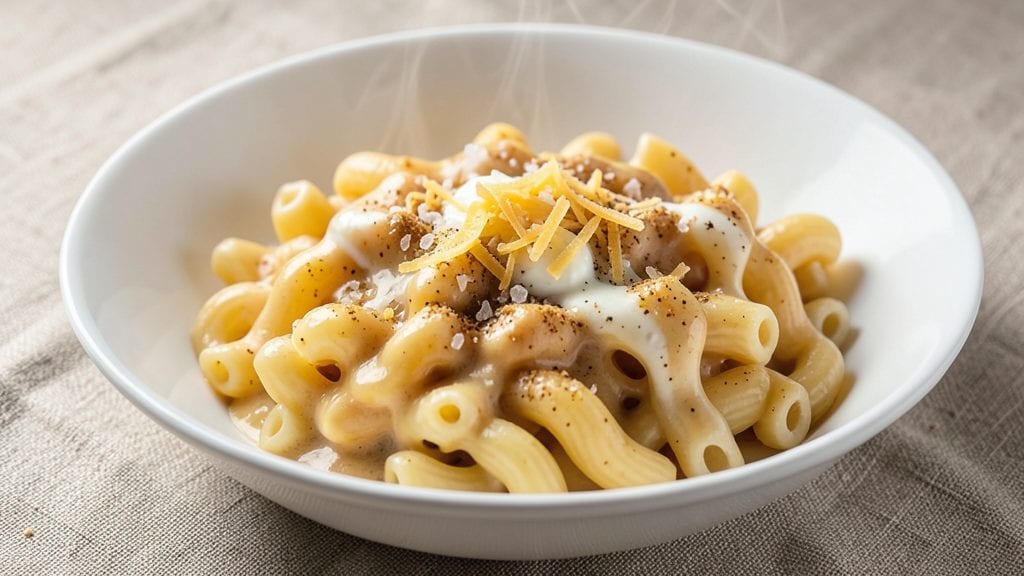
Mastering no-boil mac and cheese means creamy, cheesy perfection without the hassle of boiling pasta—just 15 minutes from start to finish. This technique transforms store-bought elbow macaroni into a rich, velvety dish that rivals homemade, using a simple but precise method that eliminates excess moisture.
The secret lies in the sauce: a perfect balance of sharp cheddar, creamy milk, and a touch of mustard powder for depth, all combined with the pasta water for that signature silky texture.
What sets this recipe apart is its foolproof approach—no waiting for water to boil, no draining pasta separately, and no risk of a watery final dish. The elbow macaroni cooks directly in the cheese sauce, absorbing all that rich, tangy flavor while developing a tender yet slightly firm bite.
This method works equally well for weeknight dinners or holiday gatherings, scaling effortlessly to feed a crowd without sacrificing quality. The result? A creamy, comforting dish that’s ready in the time it takes to set the table.
The final product delivers on every promise: a golden, bubbling top layer with crispy breadcrumbs (if you choose to add them) and a sauce so thick it clings to each noodle. The sharp cheddar melts into a smooth, velvety consistency, while the buttery pasta provides the perfect textural contrast.
This isn’t just mac and cheese—it’s a restaurant-quality dish that feels indulgent yet requires minimal effort. Ready to transform a simple pantry staple into something extraordinary?
Customize it with add-ins like crispy bacon, steamed broccoli, or a sprinkle of smoked paprika for extra depth—this recipe adapts to your taste while keeping the process effortless. Let’s get cooking!
Ingredients for no boil mac and cheese
Pantry staples transform into restaurant-quality no-boil mac and cheese in just 15 minutes.
| Ingredient | Amount | Notes |
|---|---|---|
| Elbow Macaroni 🍝 | 8 oz | Store-bought, uncooked preferred |
| Sharp Cheddar Cheese 🧀 | 2 cups | Shredded, 2 years aged minimum |
| Whole Milk 🥛 | 2 cups | Full-fat for creaminess |
| Unsalted Butter 🧈 | ½ cup | Cold, cubed for even melting |
| Mustard Powder 🌶️ | 1 tsp | For depth of flavor |
| Salt 🧂 | 1 tsp | Kosher or sea salt |
| Black Pepper 🌶️ | ½ tsp | Freshly ground preferred |
| Pasta Water 💧 | 1 cup | Reserved from cooking pasta |
| Panko Breadcrumbs 🍞 | ¼ cup | Optional for golden crust |
| Garlic Powder 🧄 | ½ tsp | For subtle aroma |
| Smoked Paprika 🌶️ | ¼ tsp | Optional for depth |
| Crispy Bacon Bits 🥓 | ¼ cup | Optional add-in |
The sharp cheddar is non-negotiable here—Kraft 2-Year Aged or Cabot deliver that signature tang. Pre-shredded cheese works fine (no need to grate yourself), but avoid the powdery kind—it won't melt smoothly. For the milk, whole milk is essential; reduced-fat versions won't give that velvety texture. The elbow macaroni should be standard 1/2-inch size—anything smaller risks overcooking in the sauce. Most grocery stores carry Barilla or De Cecco brands, which hold up perfectly. If you're feeling fancy, Trader Joe's has a great organic option that works beautifully too.
No sharp cheddar? Monterey Jack or Gruyère at half the amount adds creaminess, though the tang will be milder. Mustard powder hard to find? Dijon mustard at 1/4 tsp works as a pinch-hitter. The panko breadcrumbs can be swapped for crushed cornflakes if you're out, but they won't be as crispy. For bacon lovers, pre-cooked bits from the deli section save time—just drain them well. The smoked paprika is completely optional but adds a subtle depth that elevates the dish. If you're making this ahead, skip the breadcrumbs until serving—they'll stay crispy longer.
This dish reheats beautifully—just stir on medium-low until bubbly. For the best texture, cover with foil while reheating to prevent drying. Leftovers keep for 4-5 days in the fridge, though I rarely have any. The sauce thickens as it cools, so a splash of milk or pasta water can revive it if needed. For make-ahead dinners, assemble everything except the pasta water and refrigerate overnight. When ready to serve, add the pasta and water, then bake as directed. The flavor actually improves after resting—trust the process.
Why You'll Love This Recipe
- No Pot Needed: I swear by this trick—just toss the dry pasta into a pot of boiling water for two minutes, then dump it straight into the cheesy sauce. No waiting for the water to fully boil, no straining, no mess. Honestly, it’s the kind of shortcut that makes me feel like a lazy genius.
- Sharp Cheese Magic: That sharp cheddar? It’s the star. When melted with butter and milk, it turns creamy with a just-right tang—no blandness here. A pinch of mustard powder ties it all together, giving it this subtle, grown-up kick that makes it taste like you actually put effort in.
- Lunchbox Hero: Between us, this is my go-to for school lunches. The pasta stays firm, the cheese clings perfectly, and the whole thing reheats like a dream. Pack it in a thermos, and it’s still creamy and delicious by lunchtime—no soggy pasta in sight.
- Pantry Staple Power: You’ve got milk, butter, and cheese? Done. No fancy ingredients, no last-minute grocery runs. It’s the kind of meal that turns $5 worth of basics into something so satisfying, my kids fight over it—and I still save half for leftovers. Budget-friendly doesn’t get better than this.
Step-by-step instructions for no-boil mac and cheese
Here's how to make creamy, comforting mac and cheese without boiling pasta—simple and foolproof.
Prepare the Cheese Sauce
In a medium saucepan, combine the 2 cups whole milk and 0.5 cup unsalted butter over medium heat. Bring to a gentle simmer, then reduce heat to low and let it warm for 2 minutes. This ensures the butter melts completely without burning.
Remove the pan from heat and whisk in the 2 cups sharp cheddar cheese until fully melted and smooth. The sauce should thicken slightly—this is your base. Stir in the 1 tsp mustard powder, 1 tsp salt, 0.5 tsp black pepper, 0.5 tsp garlic powder, and 0.25 tsp smoked paprika. Taste and adjust seasoning if needed. The sauce should be rich, tangy, and well-balanced.
Cook the Pasta and Reserve Water
While the cheese sauce simmers, boil the 8 oz elbow macaroni in a separate pot of salted water for 1 minute less than the package instructions. For example, if the package says 10 minutes, cook it for 9 minutes. Drain the pasta, but reserve 1 cup pasta water—this starchy liquid is key to the creamy texture.
I always test the pasta by tasting a piece—it should be tender but still have a slight bite. Overcooked pasta turns mushy in the sauce. Immediately after draining, add the pasta to the cheese sauce and stir gently to coat. The residual heat will finish cooking it perfectly.
Combine and Thicken the Mixture
Return the saucepan to low heat and stir in the 1 cup reserved pasta water gradually. The sauce should begin to thicken as the starch from the pasta water emulsifies with the cheese. If it's too thick, add a splash more pasta water—this is the secret to that ultra-creamy texture without lumps.
Let the mixture simmer for 2-3 minutes, stirring constantly, until it reaches a smooth, velvety consistency. The sauce should coat the back of a spoon and cling to the pasta strands. Here's the thing—don't walk away. Stirring prevents the cheese from separating and ensures a silky finish.
Add the Crispy Topping (Optional but Recommended)
Transfer the mac and cheese to a greased 9x9-inch baking dish and spread it evenly. In a small bowl, mix the 0.25 cup panko breadcrumbs and 0.25 cup crispy bacon bits. Sprinkle this mixture evenly over the top of the mac and cheese.
For extra crispiness, you can broil the dish for 2-3 minutes on high heat, watching closely to avoid burning. If you prefer a softer topping, skip the broiling and let it cool slightly before serving. This step adds texture contrast and smoky depth that elevates the dish.
Rest and Serve
Let the mac and cheese rest for 5 minutes before serving. This allows the flavors to meld and the sauce to fully coat the pasta. The dish should be creamy, rich, and perfectly balanced—no dry pasta or grainy cheese here.
Serve immediately while warm, garnished with extra crispy bacon bits if desired. The combination of creamy cheese sauce, tender pasta, and crispy topping delivers that comforting, restaurant-quality experience without the fuss of boiling pasta separately.
Pro Tips For Making No Boil Mac And Cheese
- Grate the Cheese Small: I learned this the hard way—big cheese chunks will melt unevenly, no matter how long you simmer. Use the large holes of a box grater and chop any stray pieces in half afterward. The sauce will look smoother, melt faster, and coat every noodle perfectly.
- Use Two Stovetops: Cook the pasta in one pot while making the cheese sauce in another—this keeps the sauce from getting too hot before the noodles are done. If you’re stuck with one burner, at least start the sauce in a cold pan and let it warm slowly while the pasta cooks.
- Salt the Pasta Water: Yes, even for "no boil" mac and cheese. The pasta absorbs flavor from the water, and if you skip it, the dish tastes flat. Use about 1 teaspoon of salt per quart of water—trust me, the cheesy sauce won’t overpower it.
- Whisk in the Mustard Early: The mustard powder needs to dissolve completely, or you’ll get gritty bits in your sauce. Mix it into the warm milk before adding the butter and cheese—this way, it blends in smoothly without clumping. (And no, you don’t need to taste-test it; just trust the ½ teaspoon.)
Wine and beer pairings for these flavors
Creamy White Wine
This rich, cheesy dish pairs beautifully with a crisp Chardonnay—specifically a California or New Zealand variety that offers bright acidity to cut through the fat. I love Kim Crawford Sauvignon Blanc for its citrus notes, which complement the tangy cheddar.
Avoid oaky Chardonnays; they can overpower the delicate flavors. Serve slightly chilled to enhance the wine's freshness against the warm mac and cheese. 🍷
Malty Amber Ale
For beer lovers, a hoppy amber ale like Fat Tire or Leinenkugel's Summer Shandy balances the dish's creaminess. The caramel maltiness in these beers echoes the buttery pasta, while the hoppy bitterness cleanses your palate between bites.
If you prefer something lighter, a Belgian witbier adds a refreshing citrus twist that pairs surprisingly well with the cheddar's sharpness. 🍺
Spiced Red Wine
If you're serving this as a hearty main course, a light-bodied red like Pinot Noir or Beaujolais works wonderfully. The Pinot Noir from Oregon has enough fruitiness to stand up to the cheese without competing.
For a bolder option, try a smoked red blend—the subtle smoke complements the bacon bits and smoked paprika in the dish. Keep the wine at room temperature for optimal flavor. 🍷
Creamy Dessert Wine
Believe it or not, a sweet Moscato d'Asti can be a delightful pairing for this indulgent dish. The light effervescence and honeyed notes create a fun contrast to the savory richness.
This is my go-to when serving mac and cheese as a comfort food dessert—just ensure the wine is well-chilled (around 45°F) to balance the heat. 🍷
Non-Alcoholic Pairings
For a mocktail option, mix sparkling apple cider with a splash of ginger beer and a cinnamon stick. The effervescence and slight tartness mirror the wine pairings while adding a festive touch.
For something simpler, iced hibiscus tea (agua de Jamaica) with a lime wedge provides a refreshing, tangy contrast that cleanses the palate between bites. 💧
Nutrition facts
Frequently asked questions
Why does the pasta need to cook for less time than usual?
The pasta cooks 1 minute less than package instructions because it finishes cooking in the hot cheese sauce. Overcooking turns it mushy—test a piece by tasting! The residual heat from the sauce gently cooks it to perfect tenderness while absorbing all that creamy flavor.
Can I use any cheese besides sharp cheddar?
Yes! For a milder flavor, swap Monterey Jack or Gruyère at half the amount. For extra richness, add 1/4 cup cream cheese to the sauce. Pre-shredded cheese works best—it melts smoother than freshly grated. Just avoid powdery cheese blends that don't melt well.
What if my sauce gets too thick or too thin?
Too thick? Add 1-2 tablespoons pasta water at a time while stirring. Too thin? Simmer uncovered for 1-2 minutes to evaporate excess moisture. The key is patience—don't rush the thickening process, or you'll risk grainy cheese. Stir constantly to prevent lumps!
Can I make this ahead of time?
Assemble everything except the pasta water and refrigerate overnight. When ready to serve, add the 8 oz uncooked pasta and 1 cup pasta water, then bake as directed. The flavors actually improve after resting—just reheat gently to avoid drying out. Perfect for meal prep!
What's the best way to reheat leftovers?
Cover with foil and reheat on low heat until bubbly, stirring occasionally. Add a splash of milk or pasta water if it's too thick. Microwaving works too—just stir every 30 seconds to prevent drying. Leftovers keep for 4-5 days in the fridge, though they rarely last that long!