Main Courses
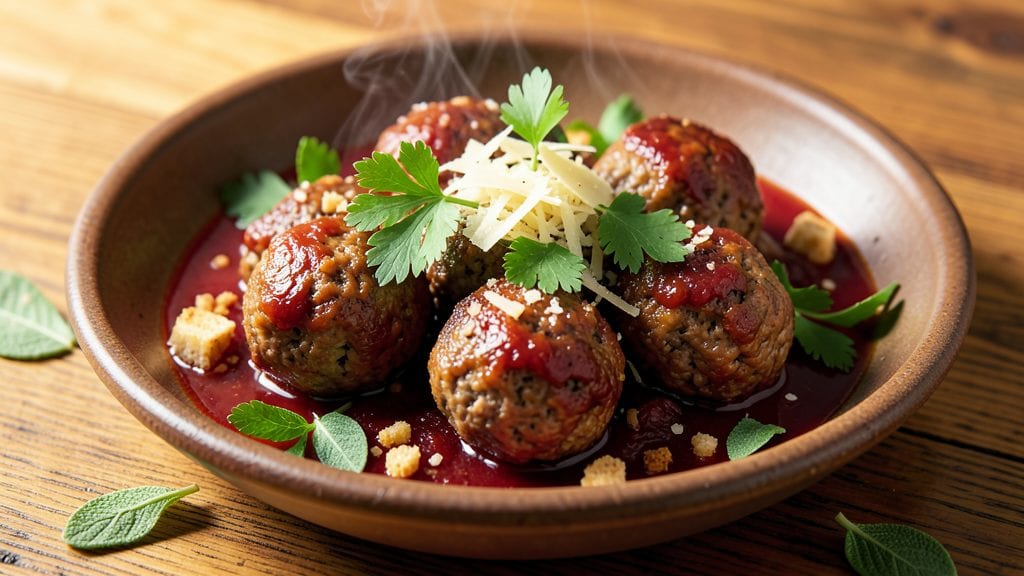
This Nonna's meatball recipe brings the warmth of an Italian Sunday dinner straight to your kitchen, where every bite is packed with juicy meat and fragrant herbs. 💛 I spent years perfecting this technique after my grandmother shared her secrets—her hands-on kneading method and slow simmering create meatballs that fall apart with just the right resistance.
The key lies in balancing tender ground meat with just enough breadcrumbs for structure, while fresh parsley and sage infuse each bite with authentic flavor.
The magic happens in the preparation: no food processor here—just hands shaping each meatball to ensure even cooking and maximum flavor. Browning them in olive oil before simmering develops a rich crust, while a slow cook in tomato sauce transforms them into melt-in-your-mouth perfection.
This is the kind of recipe that tastes like home, whether served with spaghetti, over polenta, or alongside crusty bread to soak up every last drop of sauce.
What makes these meatballs truly special is their herby, savory depth—the kind that lingers long after the last bite. The secret? Fresh herbs blended into the meat mixture and a touch of Parmesan for umami richness.
These aren’t just meatballs; they’re a taste of tradition, made easier for home cooks to recreate without sacrificing authenticity.
Perfect for family gatherings or weeknight dinners, this recipe scales effortlessly while delivering restaurant-quality results. Let’s get started on creating meatballs that’ll have everyone asking for seconds—and the recipe to boot.
Ingredients for nonna's meatball
Hand-kneaded perfection with Italian herbs and tender ground beef—these meatballs deliver juicy, fragrant bites every time.
| Ingredient | Amount | Notes |
|---|---|---|
| Ground Beef (80% lean, 20% fat) 🥩 | 1 ½ lb | Freshly ground for optimal texture |
| Fresh Parsley Leaves 🌿 | ½ cup | Finely chopped, stems removed |
| Fresh Sage Leaves 🌿 | ¼ cup | Finely chopped, vibrant green |
| Parmesan Cheese (Parmigiano-Reggiano) 🧀 | ½ cup | Freshly grated, fine shavings |
| Plain Breadcrumbs 🍞 | ½ cup | Freshly toasted for texture |
| Large Egg 🥚 | 1 whole | Room temperature for binding |
| Extra-Virgin Olive Oil 🫒 | 2 tbsp | High-quality, fruity variety |
| Garlic Cloves 🧄 | 2 cloves | Minced, fresh aroma |
| Diamond Crystal Kosher Salt 🧂 | 1 tsp | Fine grain for even seasoning |
| Freshly Ground Black Pepper 🌶️ | ½ tsp | Coarsely ground for texture |
| Tomato Sauce (San Marzano Crushed Tomatoes) 🍅 | 2 cups | High-quality, no added salt |
| Dry Red Wine (Chianti) 🍷 | ¼ cup | Bold, dry variety (optional) |
| Fresh Basil Leaves 🌿 | ¼ cup | For garnish, torn by hand |
The ground beef is non-negotiable—80/20 fat ratio ensures juicy results. Whole Foods or Trader Joe's carry freshly ground beef with optimal marbling, but any reputable butcher will have it. Fresh parsley and sage are essential for that authentic Nonna flavor; Italian markets often sell pre-washed bunches, saving time. The Parmesan should be Parmigiano-Reggiano—none of that pre-grated stuff, which lacks depth. Toast your breadcrumbs in a dry pan for 2-3 minutes to enhance their binding power, a trick I learned from my grandmother.
No fresh parsley? Dried parsley at one-third the amount works, though the flavor won’t be as vibrant. Substitute sage with thyme if needed, but reduce to half the quantity—sage’s earthy notes are irreplaceable. For the tomato sauce, San Marzano crushed tomatoes are ideal, but any high-quality canned tomato sauce will do. The red wine adds depth but can be omitted; replace with an extra splash of tomato paste if desired. If you’re short on time, pre-minced garlic from the jar is acceptable, though fresh is always better.
Store the meatball mixture in an airtight container in the fridge for up to 24 hours before cooking. Once cooked, they reheat beautifully—simply warm in the sauce for 5-10 minutes. These meatballs freeze exceptionally well; portion into single servings and freeze for up to 3 months. For best results, thaw overnight in the fridge before reheating. The sauce will thicken upon reheating, so a splash of water or broth can restore its consistency.
Why You'll Love This Recipe
- No-Chop Required: I’ll be real—this recipe only asks for two herbs to chop (parsley and sage), and even then, you can pulse them in a food processor if you’re in a hurry. The rest? Just mix, shape, bake. That’s it.
- Herb-Packed Punch: The fat from the beef (yes, we’re keeping it at 20%) melts into the breadcrumbs and Parmigiano-Reggiano, while the fresh sage and parsley add that bright, earthy aroma that makes every bite feel like a hug from Nonna. Not too heavy, not too bland—just right.
- Leftovers That Don’t Suck: These meatballs freeze like a dream and reheat without turning into hockey pucks. Toss them into pasta, over polenta, or straight from the freezer into a skillet for breakfast hash. Honestly, I’ve had them cold in a sandwich the next day, and no one complained.
- Budget-Friendly Crowd-Pleaser: Ground beef at 80/20 is affordable, and the rest of the ingredients (especially if you’re using dried herbs in a pinch) won’t break the bank. Double the batch—it’s the kind of dish where more is always better, and you’ll still have change left for wine. (Yes, even on a Tuesday night.)
Step-by-step instructions for Nonna's meatball recipe
Master the hand-kneading technique to achieve meatballs with perfect texture and flavor every time.
👨🍳 Step 1: Prepare the Herbed Mixture
In a large bowl, combine the 1.5 lb ground beef (80% lean, 20% fat) with the 0.5 cup finely chopped fresh parsley leaves and 0.25 cup finely chopped fresh sage leaves. Use your hands to break up any large clumps of beef while distributing the herbs evenly throughout. This ensures each meatball gets that vibrant herby flavor that defines Nonna's style.
Next, add the 0.5 cup freshly grated parmesan cheese (parmigiano-reggiano) and 0.5 cup plain breadcrumbs to the bowl. The parmesan adds depth while the breadcrumbs create just the right texture contrast. Mix these dry ingredients with your hands until they're thoroughly incorporated into the beef mixture. You'll notice the combination becomes slightly sticky from the egg you'll add next.
🥘 Step 2: Bind and Knead the Meatball Mixture
Crack the 1 whole large egg into the bowl and add the 2 tbsp extra-virgin olive oil. The egg acts as a binder while the olive oil adds richness and helps create a tender interior. Using your hands, knead the mixture gently for about 2-3 minutes until everything comes together into a cohesive, slightly tacky mass.
Here's where Nonna's secret comes in: don't overwork the mixture. You're aiming for a texture that's just firm enough to hold its shape when rolled, but still tender enough to stay juicy when cooked. The mixture should feel like soft playdough—if it's too dry, add a teaspoon of water; if too sticky, add a few more breadcrumbs. This kneading step is critical for achieving those perfectly juicy meatballs you're after.
🔥 Step 3: Form and Sear the Meatballs
Using your hands, roll the mixture into 1.5-inch diameter meatballs—about the size of a golf ball. I find using a kitchen scale helps ensure uniformity, aiming for meatballs that weigh approximately 2 ounces each. Arrange them on a plate and let them rest at room temperature for 15-20 minutes while you prepare your cooking vessel.
Heat a large skillet over medium-high heat until hot but not smoking. Add the meatballs in a single layer, being careful not to overcrowd the pan. Let them sear undisturbed for 2-3 minutes per side until they develop a rich, golden-brown crust. This initial searing step creates that beautiful caramelized exterior while sealing in the juices—essential for juicy meatballs. You'll know they're ready when they release easily from the pan.
🍳 Step 4: Simmer in Tomato-Wine Sauce
Transfer the seared meatballs to a separate plate and set aside. In the same skillet, add the 2 cloves minced garlic cloves and cook for 30 seconds until fragrant. Pour in the 0.25 cup dry red wine (chianti) and scrape up any browned bits from the bottom of the pan—this creates a flavorful base for your sauce.
Add the 2 cups tomato sauce (san marzano crushed tomatoes) to the skillet and bring to a gentle simmer. Return the meatballs to the sauce, reduce heat to low, and cover the skillet. Let the meatballs simmer for 20-25 minutes until they're cooked through and the sauce has thickened slightly. The internal temperature should reach 160°F when checked with a meat thermometer. This gentle cooking method ensures the meatballs stay moist and tender throughout.
🥘 Step 5: Finish and Garnish
Once cooked, remove the meatballs from the sauce and arrange them on a serving platter. Ladle the flavorful tomato-wine sauce over the top, ensuring each meatball is well-coated. The sauce should be thick enough to cling to the meatballs but still have a silky consistency.
Garnish each meatball with a sprinkle of the 0.25 cup fresh basil leaves, torn by hand for that fresh, vibrant touch. Serve immediately while the meatballs are still warm and the sauce is at its peak flavor. The combination of tender, juicy meatballs with the rich tomato-wine sauce creates a dish that's pure comfort food at its finest—just like Nonna used to make.
Pro Tips For Making Nonna'S Meatball
- CHILL THE MEAT FIRST: Pull the ground beef out of the fridge 30 minutes before mixing—cold meat makes tighter meatballs that don’t fall apart when rolling. I learned this the hard way after watching my first batch crumble like wet sand.
- GRATE THE PARMESAN FRESH: Skip the pre-shredded stuff—grate your own Parmigiano-Reggiano right before mixing. It stays fresher, dissolves better, and adds a sharper, more authentic flavor. (Yes, even if you’re impatient like me.)
- DON’T OVERWORK THE MIX: Stir the beef, herbs, breadcrumbs, and cheese just until combined—about 10-12 turns with your hands. Overmixing makes meatballs dense and tough. My grandmother’s rule: "Handle it like you’re tucking in a baby, not kneading dough."
- SEAR IN BATCHES: Cook meatballs in a single layer over medium-high heat for 2-3 minutes per side before turning. Crowding the pan steams them instead of browning—no one wants sad, gray meatballs. (Start hot, finish low if needed.)
Best sauces and condiments for nonna's meatball
Classic Marinara
The tomato-wine sauce from the recipe is my go-to pairing—it’s the perfect marriage of sweet, tangy San Marzano tomatoes and bold Chianti wine. For an even deeper flavor, I like to deglaze the pan with a splash of balsamic vinegar after searing the meatballs.
This adds a subtle sweetness that balances the acidity. 🍷
If you want to simplify, a high-quality store-bought marinara (like Rao’s or Barilla) works in a pinch—just simmer it with a pinch of red pepper flakes and a splash of white wine for brightness. Avoid sauces with added sugar or preservatives, as they can overpower the meatballs’ natural flavors.
Creamy Alfredo
For a rich, velvety contrast, serve the meatballs over homemade fettuccine alfredo. The creamy sauce cuts through the herby meatballs beautifully. I use heavy cream and Parmigiano-Reggiano for a luxurious finish.
To keep it light, add a handful of wilted spinach or sun-dried tomatoes to the sauce for extra depth. 🥗
If you’re short on time, a high-quality jarred alfredo sauce (like Bertolli) can work—just heat it gently and stir in a spoonful of butter for extra richness. Avoid sauces with artificial flavors, as they can clash with the meatballs’ fresh herbs.
Spicy Arrabbiata
For a fiery kick, toss the meatballs in a garlic-arrabbiata sauce made with San Marzano tomatoes, red pepper flakes, and fresh basil. The heat from the chili flakes complements the meatballs’ savory depth.
I like to finish with a drizzle of extra-virgin olive oil for a silky texture. 🌶️
To make it, sauté 3 minced garlic cloves in olive oil, add 1 tsp red pepper flakes, and pour in 2 cups crushed tomatoes. Simmer for 15 minutes, then stir in the meatballs. Garnish with fresh basil and a sprinkle of Pecorino Romano for a sharp contrast.
Lemon-Garlic Butter
A bright, zesty lemon-garlic butter sauce elevates the meatballs for a lighter option. Melt 2 tbsp butter, add 2 minced garlic cloves, and finish with zest and juice of ½ lemon.
Toss the meatballs in the sauce and serve with crusty bread to soak up every bit. 🍋
For extra richness, stir in 1 tbsp heavy cream at the end. This sauce works especially well if you’re serving the meatballs as an appetizer or light main course. Pair it with a crisp Sauvignon Blanc to cut through the richness.
Nutrition facts
Frequently asked questions
Why does your recipe use 80/20 ground beef instead of leaner cuts?
The 20% fat content in 80/20 ground beef is essential for juicy meatballs. The fat renders during cooking, keeping the meatballs moist and flavorful. Lean cuts like 90/10 can result in dry, crumbly meatballs. For a lighter option, try mixing 80/20 with 10% ground pork—this adds richness while cutting total fat slightly.
Can I make these meatballs ahead of time?
The raw meatball mixture can be shaped and refrigerated for up to 24 hours before cooking. For best results, cook them fresh, but you can also freeze the shaped meatballs (uncooked) on a tray, then transfer to a bag for up to 3 months. Thaw overnight in the fridge before cooking. Once cooked, they reheat beautifully in the sauce.
What's the secret to keeping meatballs from falling apart?
Three key factors: gentle kneading (just until combined), proper resting time (15-20 minutes before cooking), and even searing. Overworking the mixture makes them tough, while skipping the rest time causes them to crumble. The egg and breadcrumbs bind them together, but they need time to firm up slightly before hitting the pan.
Can I substitute pork or chicken for the beef?
You can try, but the texture and flavor will differ. Pork works well (use 85/15 ground pork), but it's leaner and may need extra breadcrumbs. Chicken is lighter but can become dry—mix it with 25% ground pork for better results. For authentic Nonna-style meatballs, beef (especially with pork) delivers the classic rich, tender texture.
How do I know when the meatballs are fully cooked?
Use a meat thermometer to check for 160°F internally. If you don't have one, cut into a meatball—it should be no longer pink in the center. The sauce should also thicken slightly during the final 20-25 minutes of simmering, which indicates the meatballs are absorbing flavors and cooking through.