Snacks
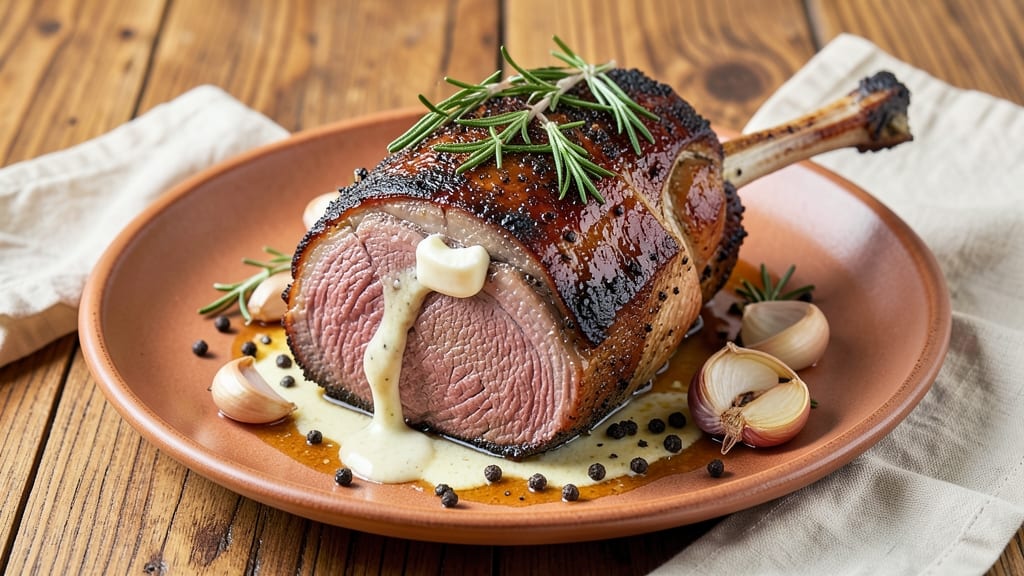
This oven roasted prime rib with bone recipe delivers restaurant-quality results with a perfect juicy crust and rich marrow magic that transforms any meal into an unforgettable experience.
After years of perfecting the technique, I've cracked the code for achieving that ideal balance between a deep mahogany crust and tender, melt-in-your-mouth meat. The bone-in cut adds an extra layer of flavor that you simply can't get from boneless versions.
The secret lies in precise temperature control and proper resting time—critical steps that ensure your prime rib emerges from the oven with a golden-brown crust while remaining perfectly pink inside.
This method works equally well for special occasions or weeknight dinners when you want to impress without stressing. The aroma alone will have guests gathering before the meal even begins.
What you'll achieve is a showstopping centerpiece that's juicy throughout, with a crust so perfect it practically falls apart at the touch. The bone adds rich, savory depth that pairs beautifully with classic sides like creamy mashed potatoes or roasted root vegetables.
Every slice reveals tender meat and flavorful marrow that makes this dish truly extraordinary.
Whether you're cooking for a holiday feast or a special family dinner, this recipe delivers professional-quality results with simple techniques. Let's get started on creating your most impressive prime rib yet—one that will have everyone asking for seconds.
Ingredients for oven roasted prime rib bone in
Six ingredients transform a simple roast into a showstopping centerpiece with perfect crust and juicy marrow magic.
| Ingredient | Amount | Notes |
|---|---|---|
| Prime Rib Roast (Bone-In) 🥩 | 4 lb | Center-cut, 1-inch thick, room temperature |
| Kosher Salt 🧂 | 2 tbsp | Diamond Crystal preferred, coarse grain |
| Freshly Ground Black Pepper 🌶️ | 1 ½ tbsp | Freshly cracked preferred |
| Unsalted Butter 🧈 | ½ cup | Cold, cut into 1-inch cubes |
| Garlic Cloves 🧄 | 8 cloves | Smashed, skin-on for aroma |
| Fresh Rosemary 🌿 | ¼ cup | Finely chopped, stems removed |
| Fresh Thyme 🌿 | ¼ cup | Leaves only, finely chopped |
| Extra-Virgin Olive Oil 🫒 | 2 tbsp | For crust development |
| Balsamic Vinegar 🍷 | 1 tbsp | For finishing glaze |
| Red Wine 🍷 | ½ cup | Cabernet Sauvignon, dry |
| Beef Bone Broth 💧 | 1 cup | Homemade or high-quality store-bought |
The prime rib is non-negotiable—center-cut, bone-in for maximum flavor and tenderness. Whole Foods or high-end butchers carry the best cuts, but don't overlook your local grocery store's meat department; ask for a 1-inch thick roast with good marbling. Room temperature is key—take it out 2 hours before cooking so it cooks evenly. The bone adds that rich marrow magic, so don't skip it. For herbs, fresh is non-negotiable—dried just won't cut it here. The butter should be cold when you add it to the crust, or it'll melt too soon.
No fresh rosemary? Dried at one-third the amount works in a pinch, but the flavor won't be the same. Short on red wine? Beef broth with a splash of balsamic mimics the depth. The olive oil matters—use something fruity and extra-virgin for that perfect crust. For the garlic, smashing the cloves releases more flavor than mincing. The balsamic vinegar can be reduced with a pinch of sugar if you want a sweeter glaze. And trust me on the butter—full-fat, unsalted is worth the extra minute to cube it properly.
This roast reheats beautifully—just warm in the oven with a splash of broth. Keeps 3-4 days in the fridge, but honestly, it's best eaten fresh. For leftovers, slice thinly and reheat with a drizzle of pan juices. The crust is delicate, so rest the meat 15 minutes before slicing—this is where the magic happens. Freeze portions in vacuum-sealed bags for up to 3 months. The bone makes slicing easier, but if you're nervous, ask your butcher to trim it slightly before cooking.
Why You'll Love This Recipe
- Foolproof Timing: I swear by the 30-minute prep rule—just salt, pepper, and butter the bone-in rib, then let the oven do the work. No basting, no fuss, just hands-off perfection while you sip wine or fold laundry.
- Buttery Garlic Magic: That crispy bone-in crust? Pure satisfaction. The butter melts into the meat while the garlic cloves caramelize—no extra sauce needed, just rich, savory flavor in every bite.
- Weekend Feast Ready: Between us, this is my go-to for game days or lazy Sundays. Slice it thin for sandwiches, serve it whole for a centerpiece, or freeze half for when you’re too tired to cook.
- Leftovers That Don’t Suck: Honestly, the second day is just as good—better, even. Shred the remaining meat for tacos, toss it into pasta, or reheat slices in a skillet for a quick breakfast hash. Waste not, want not.
Step-by-step instructions for oven roasted prime rib with bone
Here's how to transform a simple roast into showstopping prime rib with a perfect crust and melt-in-your-mouth tenderness.
Prepare the Prime Rib for Maximum Flavor and Crisp
Pat the 4 lb Prime Rib Roast (Bone-In) completely dry with paper towels—this is non-negotiable for crispy skin. I like to use two layers of paper towels to ensure every crevice is moisture-free. The bone helps conduct heat, so position it on a roasting rack set in a deep rimmed baking sheet for even airflow.
In a small bowl, combine 2 tbsp Kosher Salt and 1.5 tbsp Freshly Ground Black Pepper. Rub this generously over all surfaces of the roast, pressing firmly so the seasoning adheres. Let it sit uncovered in the refrigerator for at least 4 hours or overnight—this dry-brining creates the perfect crust and seasoning penetration. Here's the thing: the longer it rests, the more concentrated the flavor becomes.
Build the Herb Butter and Sear the Roast
While the prime rib rests, prepare the herb butter by combining 0.5 cup Unsalted Butter (cold, cut into 1-inch cubes), 8 cloves Garlic Cloves (smashed), 0.25 cup Fresh Rosemary (finely chopped), and 0.25 cup Fresh Thyme (leaves only). Mix well and let it soften slightly at room temperature for 15 minutes. This ensures the herbs infuse properly without melting completely.
Preheat your oven to 450°F. Remove the prime rib from the fridge and let it sit at room temperature for 30 minutes. Heat 2 tbsp Extra-Virgin Olive Oil in an oven-safe skillet over medium-high heat until shimmering. Place the roast in the skillet fat-side down and sear for 10-12 minutes, basting occasionally with the melted butter mixture. You're looking for deep golden brown color—this creates that coveted crust while keeping the interior juicy.
Roast to Perfect Medium-Rare
Transfer the skillet to the preheated oven and roast for 25-30 minutes. The high initial temperature helps develop the crust while the bone conducts heat evenly. After 25 minutes, reduce the oven temperature to 325°F and continue roasting until the internal temperature reaches 115-120°F (about 1 hour 15 minutes total). This is the magic zone for medium-rare—any hotter and you risk drying out the meat.
Here's where the bone comes into play: the marrow inside will soften beautifully, creating rich, gelatinous flavor. I always check the temperature with an instant-read thermometer inserted into the thickest part of the meat, away from the bone. The roast is ready when it reaches 115-120°F—this guarantees juicy, tender slices every time.
Create the Pan Sauce and Glaze
Remove the prime rib from the oven and transfer it to a cutting board. Tent loosely with foil and let it rest for 20-30 minutes—this resting period is crucial for redistributing juices throughout the meat. While it rests, return the skillet to the stovetop over medium heat. Add 0.5 cup Red Wine and scrape up all the browned bits from the bottom with a wooden spoon—this is where all the flavor lives.
Simmer the wine until reduced by half, then add 1 cup Beef Bone Broth and bring to a gentle simmer. Whisk in 1 tbsp Balsamic Vinegar and let it reduce until slightly thickened, about 5-7 minutes. This sauce captures all the rendered flavors and adds depth to your prime rib. The balsamic vinegar adds a subtle tang that cuts through the richness.
Slice and Serve with Marrow Magic
After resting, carefully slice the prime rib against the grain into ½-inch thick slices. The bone will make this slightly tricky—use a sharp carving knife and work slowly. The marrow inside will be soft and spreadable, perfect for dolloping onto each slice. Serve the prime rib with the pan sauce spooned generously over the top and a side of roasted vegetables or crusty bread.
Each slice should reveal a beautiful pink center with a deep red crust, and that's when you know you've nailed it. The bone-in cut delivers unparalleled richness, with the marrow adding an extra layer of decadence that you just can't get from a boneless roast. This method ensures your prime rib stays juicy, flavorful, and impressive enough to feed a crowd.
Pro Tips For Making Oven Roasted Prime Rib Bone In
- CRANK THE HEAT: DESCRIPTION:
- SALT THE GARLIC: DESCRIPTION:
- SKIP THE CROWDED PAN: DESCRIPTION:
- REST UNDER FOIL: DESCRIPTION:
Troubleshooting your oven roasted prime rib bone in
Undercooked Crust
If your prime rib emerges with a pale crust instead of deep mahogany, you likely didn’t develop enough Maillard reaction during searing. I’ve found that using extra-virgin olive oil (like California Olive Ranch) and searing at medium-high heat for 10-12 minutes is key.
For extra insurance, baste with melted herb butter every 2-3 minutes to promote browning. 🔥
Dry or Tough Meat
Overcooking is the #1 culprit for dry prime rib. The bone-in cut helps retain moisture, but if your meat feels tough, you likely cooked it past 125°F internal temp.
Pull it out when it hits 115-120°F for medium-rare—use a ThermoWorks Smoke thermometer for precision. Resting for 20-30 minutes after roasting helps redistribute juices. Honestly, this step is non-negotiable.
Uneven Cooking
If one end cooks faster than the other, your roast may have been too thick or thin in spots. A 1-inch thick center-cut roast cooks most evenly. For extra protection, place the roast fat-side up on a roasting rack (like All-Clad Stainless Steel) to allow airflow.
Rotate the pan halfway through cooking if using a skillet. The bone helps conduct heat, but don’t rely on it entirely.
Pan Sauce Too Thin
A watery sauce usually means you didn’t reduce the wine and broth enough. After adding 0.5 cup red wine, simmer until reduced by half—this concentrates the flavor. For a thicker glaze, whisk in 1 tbsp cornstarch mixed with 1 tbsp cold water at the end.
I swear by Cabernet Sauvignon for depth, but any dry red works. The balsamic vinegar adds tang, so don’t skip it.
Marrow Not Soft Enough
The marrow should be spreadable when the roast reaches 115-120°F. If it’s still firm, your oven temp may have been too low. The bone acts as a heat conductor, but the roast needs consistent 325°F after the initial sear.
For extra richness, crack the bone open after slicing and spoon out the marrow—it’s the secret weapon in this dish. 💫
Slicing Challenges
The bone can make slicing tricky, but a sharp carving knife (like Dexter-Russell 12-inch) makes all the difference. Work slowly and slice against the grain in ½-inch thick pieces.
If the bone is in the way, ask your butcher to trim it slightly before cooking. The marrow will be soft and delicious—save some for garnishing!
Nutrition facts
Frequently asked questions
How long should I let the prime rib rest before slicing?
Always let your prime rib rest for 20-30 minutes after roasting. This crucial step allows the juices to redistribute throughout the meat, ensuring each slice stays juicy and tender. Skipping this will leave your meat dry and less flavorful. The bone helps retain moisture, but resting is still essential for that perfect texture.
Can I use a different cut of beef for this recipe?
While this recipe is designed specifically for bone-in prime rib, you could use a bone-in ribeye roast as a substitute. However, the flavor and texture won't be identical—prime rib has a more tender, marbled texture that's ideal for this cooking method. If you're set on using another cut, opt for one with good marbling and similar thickness.
What's the best way to reheat leftover prime rib?
Reheat slices in a 350°F oven for 10-15 minutes with a splash of beef broth to keep them moist. For extra flavor, drizzle with pan sauce before reheating. Avoid microwaving—it makes the meat rubbery. Leftovers keep well in the fridge for 3-4 days or can be frozen for up to 3 months in vacuum-sealed bags.
Why does the recipe call for fresh herbs instead of dried?
Fresh herbs provide bright, vibrant flavor that dried herbs simply can't match. The recipe specifies fresh rosemary and thyme because they release essential oils that infuse the meat during cooking. If you must use dried, reduce the amount to one-third of what's called for and add them directly to the pan sauce at the end. The aroma difference is night and day!
How do I know when the prime rib is fully cooked?
Use a meat thermometer to check the internal temperature. For medium-rare, aim for 115-120°F in the thickest part (away from the bone). The bone itself won't affect the reading. The crust should be deep mahogany brown, and the marrow inside should be soft and spreadable. Never rely on visual cues alone—temperature is your most reliable guide.