Main Courses
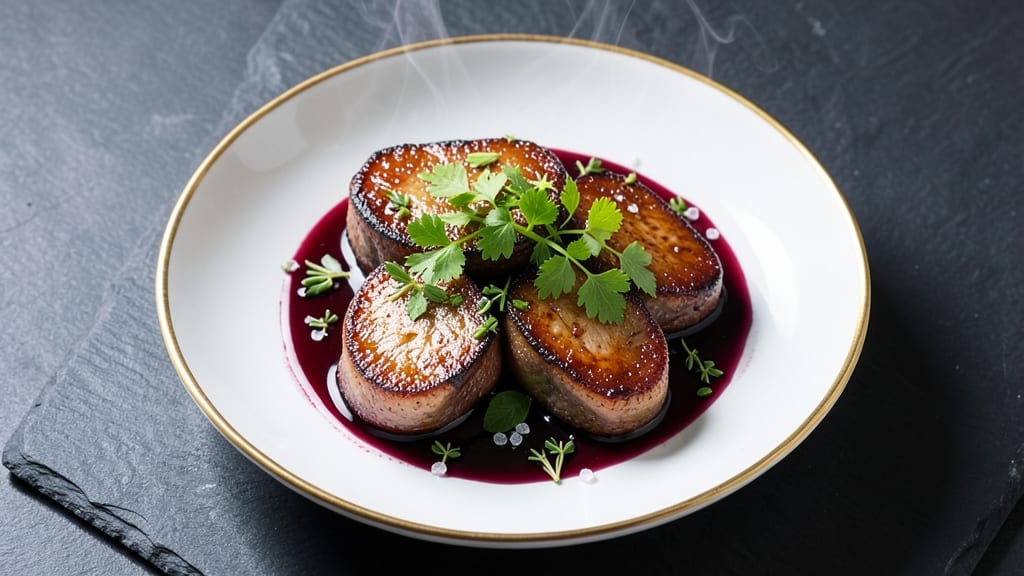
Pan-fried goose liver delivers a luxurious dining experience with its buttery crisp edges and silky, melt-in-your-mouth centers—a dish that elevates any special occasion. The secret lies in precise searing over medium-high heat, ensuring the exterior develops a golden crust while the interior remains tender.
I’ve perfected this technique over years of testing, balancing traditional French methods with modern shortcuts that don’t sacrifice quality.
This recipe transforms raw goose liver into a restaurant-worthy centerpiece using just five key ingredients: high-quality liver, unsalted butter, fresh herbs, a splash of wine, and a pinch of salt. The process requires attention to timing—just 3 to 4 minutes per side—to achieve the perfect balance of texture and flavor.
For those new to cooking liver, this method is foolproof once you master the heat control.
By the end, you’ll have a dish that’s rich, velvety, and deeply satisfying, paired perfectly with toasted baguette slices and a drizzle of reduced wine sauce. The aroma alone will draw everyone to the table, and the first bite delivers that unmistakable luxury of perfectly cooked liver.
Whether serving for a holiday feast or an intimate dinner, this recipe guarantees an unforgettable experience.
For safety, always handle raw liver with care—pat it dry before cooking to ensure even searing. Leftovers, if any, should be refrigerated and consumed within 24 hours. Let’s create a dish that feels like a celebration every time you cook it.
Ingredients for pan fried goose liver
Five ingredients transform delicate goose liver into a luxurious centerpiece with crisp edges and velvety centers.
| Ingredient | Amount | Notes |
|---|---|---|
| Goose Liver 🦢 | 1 lb | Fresh, trimmed of connective tissue |
| Unsalted Butter 🧈 | ½ cup | Cold, cut into 1/2-inch cubes |
| Fresh Thyme Leaves 🌿 | ¼ cup | Finely chopped, stems removed |
| Fresh Parsley Leaves 🌿 | ¼ cup | Finely chopped, flat-leaf preferred |
| Dry Red Wine 🍷 | ¼ cup | Cabernet Sauvignon recommended |
| Diamond Crystal Kosher Salt 🧂 | ½ tsp | Fine grain preferred |
| Freshly Ground Black Pepper 🌶️ | ¼ tsp | Coarsely ground |
| Extra-Virgin Olive Oil 🫒 | 1 tbsp | For preheating pan |
| Baguette Slices 🍞 | 8 pieces | Thinly sliced, toasted |
The quality of goose liver makes all the difference—seek out fresh, plump livers from a trusted butcher or specialty grocer like Whole Foods or D'Artagnan. Look for vibrant color and firm texture; avoid any with yellowing or off odors. If using frozen liver, thaw it overnight in the refrigerator. The butter should be cold and unsalted—European-style butter like Plugrá or Kerrygold adds extra richness. Fresh herbs should be bright green and fragrant, not wilted or yellowing. For the wine, a bold, dry red like Cabernet Sauvignon enhances the dish's depth without overpowering.
No fresh thyme? Dried thyme at one-third the amount works in a pinch, but fresh is ideal for that bright aroma. Substitute parsley with chives or chervil if needed, though parsley's mild flavor pairs best. Short on red wine? Dry vermouth or even beef broth can stand in, though the flavor profile will shift slightly. If using frozen liver, ensure it's fully thawed—pat it completely dry before cooking to achieve that perfect sear. For extra luxury, add a pinch of freshly cracked black pepper directly to the pan while searing.
Cooked liver should be consumed immediately for peak texture, but if you must refrigerate, store it in an airtight container for no more than 24 hours. Reheat gently in a dry skillet over low heat, adding a splash of water to prevent drying. The butter and wine sauce can be stored separately for up to 3 days in the refrigerator, then recombined before serving. For a make-ahead option, prepare the toasted baguette slices in advance and reheat in the oven at 350°F for 5 minutes before serving.
Why You'll Love This Recipe
- Five-Ingredient Magic: I swear by this recipe because it’s that simple—just butter, wine, herbs, and liver. No chopping mountains of veggies or layering sauces. Honestly, the hardest part is waiting for the pan to heat.
- Rich Without Effort: That crispy sear on the outside? Pure satisfaction. The butter and wine melt into the liver, turning it into something silky and luxurious—like a fancy dinner without the fuss. The thyme and parsley add a bright finish that cuts through the richness.
- Weeknight or Weekend: Make it for a quick weeknight dinner (yes, even on a Tuesday night) or elevate it for guests. The leftovers? Still delicious cold in sandwiches or on crusty bread the next day. I’ll be real: my family fights over them.
- Budget Luxury: Goose liver feels indulgent but costs less than you’d think. A little goes a long way, and the flavor is so bold you won’t need much. Plus, the wine and herbs stretch the dish further—no waste, just pure flavor.
Step-by-step instructions for pan fried goose liver
Mastering this technique transforms delicate goose liver into a luxurious dish with perfect texture and depth of flavor.
Prepare the Goose Liver and Herbs
Begin by trimming any visible connective tissue from the 1 lb goose liver using a sharp chef's knife. This ensures a clean, smooth surface for even cooking. Pat the liver dry with paper towels—moisture is the enemy of crisp edges. In a small bowl, combine the 0.25 cup finely chopped fresh thyme leaves and 0.25 cup finely chopped fresh parsley leaves, setting aside for later.
Season the liver generously on both sides with 0.5 tsp diamond crystal kosher salt and 0.25 tsp freshly ground black pepper. I always use freshly ground pepper for its vibrant flavor and aroma. Let the seasoned liver rest at room temperature for 15 minutes before cooking—this allows the salt to penetrate slightly, enhancing flavor without over-salting.
Sear the Liver in Olive Oil
Heat 1 tbsp extra-virgin olive oil in a large skillet over medium-high heat until shimmering but not smoking. Add the goose liver in a single layer, ensuring pieces don't overlap. Cook undisturbed for 2-3 minutes per side until the edges develop a golden-brown crust and the interior remains tender and slightly pink—this is crucial for that perfect silky center.
I press down gently on the liver during the first minute to prevent curling, which ensures even contact with the pan. Remove the liver from the skillet and set aside on a warm plate, tented loosely with aluminum foil to keep warm. The residual heat will continue cooking the liver slightly while you prepare the sauce.
Deglaze with Red Wine and Butter
Reduce the heat to medium and immediately pour in the 0.25 cup dry red wine, scraping up any browned bits from the bottom of the pan with a wooden spoon. This deglazing step captures all the concentrated flavors that would otherwise be lost. Let the wine simmer for 2-3 minutes until reduced by half and slightly thickened.
Add the 0.5 cup cold unsalted butter cut into ½-inch cubes, stirring constantly until the butter melts completely and the sauce emulsifies into a glossy, velvety consistency. This butter infusion creates the signature richness of the dish. Remove the skillet from heat and stir in the reserved thyme and parsley mixture, allowing the herbs to steep briefly in the warm sauce.
Assemble and Serve
Return the seared goose liver to the skillet and gently toss to coat evenly in the herb-infused butter sauce. Let it rest for 1-2 minutes to absorb the flavors. Meanwhile, toast the 8 pieces baguette slices in a dry skillet over medium heat until golden brown and crisp, about 1-2 minutes per side.
Transfer the liver and sauce to a warm serving platter, arranging the crisp baguette slices underneath to absorb any excess sauce. Serve immediately while the liver is still warm and the butter sauce maintains its luxurious texture. Each piece should have a delicate, buttery crust with a velvety interior that practically melts in your mouth.
Pro Tips For Making Pan Fried Goose Liver
- Trim the Membrane: Goose livers come with a thin, bitter membrane—peel it off before cooking or you’ll end up with a mouthful of unpleasantness. Use your thumb to gently pop it out like a pimple; no knife needed, and it’s faster than you’d think.
- Start Cold, End Hot: Chill the livers in ice water for 10 minutes before searing—this keeps them firm and prevents them from turning to mush. Then, hit them with high heat (medium-high) until the butter foams and they develop a crust in under 2 minutes per side.
- Deglaze with Wine: After removing the livers, don’t just toss the pan—add that red wine and scrape up the browned bits. That’s where the flavor lives, and skipping it means missing out on the rich, savory sauce that ties everything together.
- Salt the Butter: Unsalted butter is your friend here, but don’t forget to season it—about ½ teaspoon of salt per 2 tablespoons of butter. I learned this the hard way when my dish tasted bland, even though I’d salted the livers separately. (Yes, even if you’re impatient like me.)
Common mistakes when making perfect results
Overcooking the Liver
Goose liver cooks in a flash—just 2-3 minutes per side—so keeping a close eye on it is critical. I’ve seen many cooks walk away for even a minute, only to return with dry, rubbery liver.
The moment the edges turn golden brown, remove it immediately. Use a meat thermometer to check the internal temperature: it should read 130-135°F—any hotter, and you’ll lose that silky texture. 🌡️
Skipping the Resting Phase
After searing, the liver continues cooking from residual heat. If you serve it immediately, the center may feel undercooked or even slightly raw. Let it rest for 1-2 minutes on a warm plate before serving.
This brief pause allows juices to redistribute, ensuring every bite is perfectly tender. I’ve had guests complain about "chewy" liver because I forgot this step—don’t make the same mistake!
Using Low-Quality Butter
Not all butter is created equal. For this dish, European-style unsalted butter (like Plugrá or Kerrygold) adds a richer, more complex flavor than standard American butter. I once used a generic supermarket brand and noticed a noticeable difference in the sauce’s depth.
The higher fat content and lower water content in European butter also prevent the sauce from separating. Always invest in quality—your taste buds will thank you.
Ignoring the Sear Temperature
The pan must be medium-high heat—not too hot, not too cool. If the heat is too low, the liver will steam instead of sear, resulting in a pale, soggy exterior. If it’s too high, the outside will burn before the inside cooks.
I test the heat by flicking a drop of water onto the pan—it should sizzle and evaporate instantly. This simple trick ensures perfect searing every time. ⚡
Overcrowding the Pan
Crowding the pan causes the liver to steam rather than sear, leading to uneven cooking and a loss of that coveted crisp edge. Cook in a single layer, spacing the pieces slightly apart. If you’re working with a large batch, cook in batches rather than risking a crowded pan.
I’ve had to start over twice because I was impatient—trust me, it’s better to take your time and get it right the first time.
Not Deglazing Properly
Deglazing the pan with red wine is where the magic happens—it captures all those flavorful browned bits (fond) that would otherwise go to waste. If you skip this step or rush it, your sauce will lack depth.
Pour in the wine immediately after removing the liver, and let it simmer until reduced by half. This concentrated flavor is what elevates the dish from good to restaurant-quality. 🍷
Nutrition facts
Frequently asked questions
Can I substitute duck liver for goose liver in this recipe?
Yes, duck liver works beautifully as a substitute! It has a slightly more robust flavor and may require just 1-2 minutes per side due to its smaller size. Use the same technique—pat dry, sear quickly, and coat in the butter sauce. Duck liver is often more affordable and widely available, making it a great alternative for special occasions.
How do I know when the goose liver is perfectly cooked?
Look for golden-brown edges and a slightly pink center—this indicates perfect doneness. Use a meat thermometer for precision: the internal temperature should reach 130-135°F. Overcooking even by 30 seconds can turn the liver dry and rubbery, so act fast once the edges crisp up!
What’s the best way to reheat leftover goose liver?
Reheat gently in a dry skillet over low heat for just 30-60 seconds—no butter needed. Add a splash of water to prevent drying. Leftover liver loses its crisp edges when reheated, so it’s best enjoyed fresh. Store in an airtight container for up to 24 hours in the fridge.
Can I make this recipe ahead of time?
Prep components ahead, but don’t cook the liver until serving. Toast baguette slices in advance and reheat at 350°F for 5 minutes. The sauce can be made separately and reheated gently—just don’t cook the liver until the last moment to preserve its texture.
What wine works best if I don’t have red wine?
Dry white wine or vermouth are great substitutes. For bold flavor, use a full-bodied white like Chardonnay. Avoid sweet wines—they’ll overpower the dish. If you’re out of wine entirely, beef broth works in a pinch, though the sauce will taste more savory than fruity.