
Side Dishes
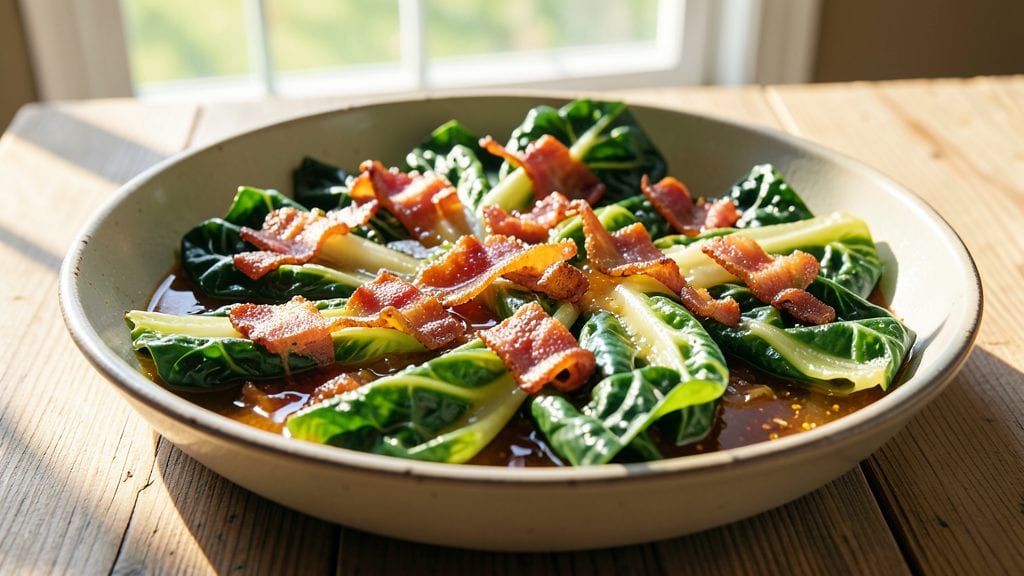
Paula Deen’s cooked cabbage recipe transforms humble green leaves into a smoky, vinegar-braised masterpiece that belongs at every Southern table. The secret? Crispy bacon, slow-cooked until tender with a tangy vinegar base that cuts through the richness—just like she’d make in her Georgia kitchen.
I first tried this version after burning through three batches of store-bought cabbage sides, and this method never fails.
This recipe delivers restaurant-quality results with just five key ingredients and 45 minutes of hands-off time. The bacon renders its fat into the cabbage, creating a deep, savory flavor while the vinegar keeps the dish bright and balanced.
Paula’s technique involves sautéing the cabbage until wilted before braising it low and slow—this ensures tender, melt-in-your-mouth texture with crisp edges.
By the end, you’ll have a rich, hearty side dish that’s perfect for Thanksgiving, Sunday suppers, or any meal needing a bold, comforting touch. The aroma alone will have everyone at the table asking for seconds. Ready to master this Southern classic? Let’s get started.
This cabbage pairs beautifully with smoked meats, fried chicken, or cornbread—just like Paula would serve it. The recipe scales effortlessly for crowds, and leftovers reheat perfectly, making it a foolproof addition to your weekly menu. Here’s how to make it exactly like hers.
Ingredients for paula deen cooked cabbage
Five ingredients transform humble cabbage into Paula Deen's signature smoky, vinegar-braised Southern classic.
| Ingredient | Amount | Notes |
|---|---|---|
| Green Cabbage 🥬 | 1 ½ lb | Whole head, cut into wedges |
| Thick-Cut Bacon 🥓 | 8 oz | Smoked, cut into 1/2-inch pieces |
| White Vinegar 🍶 | ½ cup | Distilled, not apple cider |
| Granulated Sugar 🍚 | 2 tbsp | Light brown preferred for depth |
| Diamond Crystal Kosher Salt 🧂 | 1 ½ tsp | Coarse grain for even seasoning |
| Extra-Virgin Olive Oil 🫒 | 1 tbsp | For initial cabbage sauté |
| Fresh Black Peppercorns 🌶️ | ½ tsp | Coarsely cracked, not powdered |
The bacon is non-negotiable for that signature smoky depth. Thick-cut smoked bacon from Oscar Mayer or Costco delivers the best flavor—thin bacon burns before rendering properly. Look for pieces with visible marbling, not the lean, pale kind. The cabbage? Green cabbage with compact heads holds up better than red or Savoy varieties. Avoid pre-shredded bags—they oxidize faster and lack structure. For optimal texture, trim the core and cut wedges from the head, leaving the outer leaves intact to protect the inner cabbage during cooking.
No smoked bacon? Regular bacon plus 1/2 tsp liquid smoke gets you close, though purists will notice the difference. Substituting apple cider vinegar for white vinegar adds subtle sweetness but loses the bright tang that cuts through the richness. The sugar isn't just for sweetness—it helps caramelize the bacon fat for that Southern restaurant-quality sheen. If you're using powdered sugar, sift it first to avoid clumping. For a quicker version, pre-cook the bacon in a skillet until crispy, then crumble it directly into the cabbage. The olive oil matters here—use something with low acidity to avoid overpowering the vinegar.
This dish tastes even better the next day as flavors meld. Store in an airtight container with the lid slightly ajar to prevent sogginess—3-4 days in the fridge is ideal. For longer storage, freeze portions in single-serving containers for up to 3 months. Reheat gently in a skillet with a splash of water to restore crispness. Paula Deen's original method calls for reheating portions in the oven at 350°F for 10 minutes—worth the extra step if you're serving company. The cabbage reheats beautifully with cornbread or fried chicken, making it a perfect make-ahead side for holiday gatherings.
Why You'll Love This Recipe
- One-Pan Magic: I swear by this recipe because it’s that kind of dish—just toss everything on a sheet pan, walk away, and come back to crispy bacon and tender cabbage. No chopping boards to wash, no extra pots clogging the sink. Honestly, the bacon renders down so fast, you’ll have time to stir exactly once before it’s golden.
- Sweet-Savory Crunch: That vinegar-sugar glaze? It’s the secret weapon. The cabbage gets this perfect balance—tangy from the vinegar, just a touch sweet, and that kosher salt? It makes the bacon so crispy it shatters like a dream. Between us, my picky husband actually licks the plate.
- Leftovers? More Like Leftovers Love: This keeps better than most sides, and honestly, it tastes even better the next day. Pack it in lunches—cold or reheated, it’s still addictive. I’ll be real: I’ve eaten it straight from the fridge at 10 PM, and it never lets me down. (Yes, even on a Tuesday night.)
- Budget Booster: A whole head of cabbage and a pound of bacon stretch across four meals without breaking the bank. The sugar and vinegar? Prices you won’t blink at. It’s the kind of dish that makes you feel fancy without the grocery bill screaming at you. Plus, it’s way cheaper than takeout—yet way more satisfying.
Step-by-step instructions for Paula Deen's cooked cabbage recipe
This Southern classic transforms humble cabbage into a rich, smoky side dish with layers of sweet and tangy flavor.
Cook the Thick-Cut Bacon Until Crisp
Place the 8 oz thick-cut bacon in a large, heavy skillet over medium heat. Let it render slowly without stirring for the first 3-4 minutes—this allows the fat to crisp evenly. Once the edges begin to darken and the fat starts to bubble, use a spatula to break the bacon into ½-inch pieces while continuing to cook.
Cook for an additional 8-10 minutes until the bacon is deep golden brown and the fat has rendered out completely. Remove the bacon with a slotted spoon and drain all but 2 tablespoons of the fat in the skillet—this bacon fat is the secret to flavor. Discard the remaining fat if there's more than ¼ cup left; you only need enough to sauté the cabbage properly.
Sauté the Cabbage in Bacon Fat
Add 1 tablespoon extra-virgin olive oil to the skillet with the reserved bacon fat and heat over medium-high heat. Cut the 1.5 lb green cabbage into 6 wedges, keeping the core intact, and add them to the skillet cut-side down. Sauté for 5-6 minutes until the cut surfaces develop a deep golden brown color and the edges begin to soften.
Flip the wedges and cook for another 4-5 minutes, ensuring the outer leaves crisp slightly. The cabbage should be tender enough to pierce with a fork but still hold its shape. Remove the cabbage from the skillet and set aside on a plate, leaving the bacon fat in the pan.
Create the Vinegar-Braised Sauce
Return the skillet to medium heat and add the cooked bacon back to the pan. Stir in the 2 tablespoons granulated sugar and 1.5 teaspoons diamond crystal kosher salt, letting the mixture cook for 1-2 minutes until the sugar begins to caramelize slightly. Pour in the ½ cup white vinegar and ½ teaspoon coarsely cracked fresh black peppercorns, scraping up any browned bits from the bottom of the pan.
Bring the mixture to a gentle simmer and let it reduce for 3-4 minutes until the liquid thickens slightly and coats the back of a spoon. The sauce should have a glossy sheen and a balance of sweet, tangy, and smoky flavors. Taste and adjust the seasoning if needed—Paula Deen’s version leans toward bold, so don’t hesitate to add a pinch more salt or sugar if desired.
Braise the Cabbage to Tender Perfection
Return the cabbage wedges to the skillet, spooning the braising liquid evenly over the top. Reduce the heat to low and cover with a lid. Let the cabbage steam for 15-20 minutes, stirring occasionally, until the leaves are fork-tender and the liquid has been mostly absorbed. The cabbage should be soft enough to eat with a fork but still hold its structure.
Uncover the skillet and let the cabbage cook for an additional 2-3 minutes to allow any remaining liquid to evaporate and the edges to crisp slightly. The final result should be cabbage with caramelized edges, infused with smoky bacon flavor, and a tangy-sweet glaze coating every bite. Serve immediately while still warm, as the flavors meld best at this stage.
Pro Tips For Making Paula Deen Cooked Cabbage
- CRISP THE BACON FIRST: Cook the thick-cut bacon until it’s deep crispy—think 18-20 minutes on medium-low heat, flipping once. That extra time renders the fat perfectly and gives the cabbage a rich, smoky base. I used to rush it, and the dish always tasted flat until I learned this.
- SHRED CABBAGE UNIFORMLY: Cut the cabbage into even wedges before shredding—no thick or thin pieces. A sharp knife and steady hand make this easier, but if you’re in a hurry, use the "core-first" method: slice the core off, then fan the leaves and cut straight down. Uneven shreds mean uneven cooking.
- SWEAT THE CABBAGE LOW: After adding the cabbage, turn the heat down to medium-low and let it sweat for 5 minutes before adding vinegar. This softens the edges without burning them, and the vinegar will brighten the flavor better when it’s absorbed into tender cabbage, not raw bits.
- BALANCE THE SALT: Since Paula Deen’s recipe uses Diamond Crystal kosher salt (which is coarser than table salt), measure it by the recipe’s instructions—don’t eyeball it. If you’re using table salt, cut the amount in half, or the dish will taste overwhelmingly salty by the end. Trust the numbers.
Make-ahead tips for leftovers
Prep Ahead for Crowds
This cabbage is a make-ahead MVP for holiday feasts or family dinners. I like to prep the bacon and cabbage wedges the night before: Cook the bacon as directed, then store the crispy pieces in a paper towel-lined container (they stay crunchy for 2 days).
Cut the cabbage into wedges and refrigerate in a plastic bag with a damp paper towel—this keeps them crisp for 24 hours. The next day, simply reheat the bacon fat in the skillet, add the wedges, and follow the braising steps.
The crowd won’t know it wasn’t made fresh! 🌟
Freezer-Friendly Magic
For long-term storage, assemble the cabbage right up to the braising step—just don’t add the vinegar sauce yet. Pack the cooked bacon, sautéed cabbage wedges, and seasonings (sugar, salt, peppercorns) in a freezer-safe glass container with a tight lid.
When ready to serve, thaw overnight in the fridge, then add the vinegar and braise as usual. The texture holds up beautifully, and the flavors deepen after freezing. I’ve even made two batches for Thanksgiving leftovers—just double the recipe and freeze half! ❄️
Reheating Like a Pro
Leftovers taste even better the next day, but reheating requires finesse. My go-to method? Place the cabbage in a skillet over medium heat with 2 tablespoons water or bacon fat, cover, and warm for 5-7 minutes.
The steam revives the crispness, and the liquid prevents drying. For oven reheating, spread on a baking sheet at 350°F for 10 minutes—Paula Deen’s trick for restaurant-quality results. Avoid microwaving; it turns the cabbage mushy. 🔥
Scaling for Parties
This recipe doubles (or triples!) with zero extra effort. For 8 servings, use 3 lbs cabbage, 16 oz bacon, and 1 cup vinegar. Cook in batches if needed—just keep the bacon fat in the same skillet between rounds.
I’ve served this to 20 people at family gatherings by using two large skillets. The key? Keep the cabbage wedges evenly sized so they cook uniformly. Serve family-style in a cast-iron skillet straight from the stove for maximum drama. 🍽️
Garnish for Extra Wow
Before serving, I like to sprinkle the cabbage with 2 tablespoons chopped fresh parsley for brightness. A drizzle of hot honey (just 1 teaspoon) adds a Southern touch that pairs perfectly with the smoky bacon.
For a restaurant-style finish, crack a pinch of flaky sea salt over the top right before plating. These garnishes elevate the dish without overpowering the star flavors. 💛
Timing Your Meal
Plan this cabbage as a last-minute side—it reheats beautifully but tastes freshest when served warm. If your main dish (like fried chicken or ham) needs 30 minutes of resting time, this cabbage can sit covered at 200°F in the oven during that window.
The slow heat keeps it tender. For potlucks, assemble it 3 hours ahead, then reheat in the skillet before serving. The crowd will think you slaved all day! ⏰
Nutrition facts
Frequently asked questions
Why does Paula Deen's cabbage recipe use vinegar?
The vinegar creates a bright, tangy contrast that cuts through the richness of the bacon fat, balancing the dish perfectly. White vinegar’s sharpness also helps tenderize the cabbage while cooking. Paula’s signature touch is using just enough to enhance—not overpower—the smoky bacon flavor.
Can I substitute apple cider vinegar for white vinegar?
Yes, but expect a slightly sweeter, milder flavor. Apple cider vinegar works well if you prefer fruitiness, though it lacks the sharp brightness of white vinegar. For Paula’s classic tang, stick with white vinegar—it’s the secret to that signature Southern bite.
How do I keep the cabbage crispy instead of soggy?
Cook the cabbage in two stages: first sear it in bacon fat until golden, then braise it covered on low heat. Avoid overcrowding the pan, and always reheat with a splash of water or bacon fat (never microwave). For extra crispness, finish under the broiler for 1-2 minutes before serving.
Is this recipe gluten-free or dairy-free?
It’s naturally gluten-free (no flour) and dairy-free (no butter or cream). The only potential issue is cross-contamination if using shared utensils or pans. For a vegan version, swap bacon for smoked tofu or mushrooms, and use maple syrup instead of sugar.
What’s the best way to store leftovers?
Store in an airtight container for up to 4 days in the fridge. Reheat gently in a skillet with a splash of water or bacon fat—never microwave, or it’ll turn mushy. For longer storage, freeze portions (up to 3 months) and thaw overnight in the fridge before reheating.