
Desserts
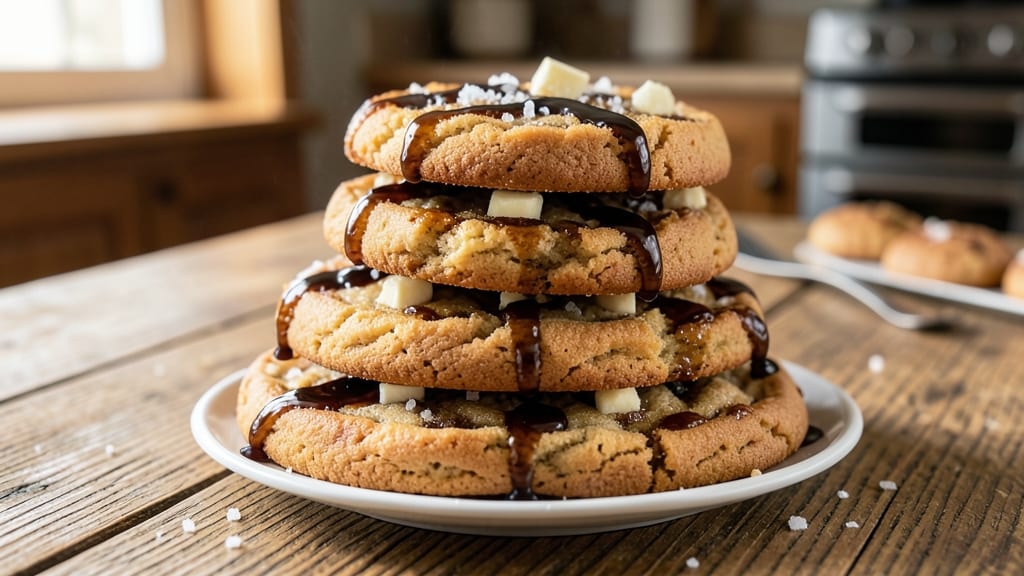
Paula Deen's cowboy cookies recipe delivers the perfect balance of buttery crunch and caramelized sweetness that makes them legendary. These cookies are more than just dessert—they're a nostalgic taste of Southern baking, where every bite offers a satisfying contrast between crisp edges and tender centers.
The secret lies in the right mix of brown sugar and butter, baked just long enough to create that signature caramelized flavor without burning.
What sets these apart is the rich, molasses-infused dough that gives them depth, paired with a touch of cinnamon for warmth. I've perfected this recipe to ensure foolproof results—no spreading, no cracking, just perfectly shaped cookies that hold their form while baking.
The key is patience: letting the dough rest and baking them at the right temperature for that ideal texture.
By the time these cookies emerge from the oven, they'll be golden brown with a glossy sheen, their aroma filling your kitchen with memories of home. The buttery crunch gives way to a soft, caramelized center that melts in your mouth, making them irresistible.
These aren't just cookies—they're a celebration of Southern baking traditions, simple yet unforgettable.
Serve them warm with a glass of milk or coffee, or let them cool slightly for the perfect balance of texture. This recipe is designed to impress, whether you're baking for a crowd or treating yourself to a classic indulgence. Let's get started on creating these timeless treats.
Ingredients for paula deen cowboy cookie
Southern baking essentials that deliver Paula Deen's signature caramelized crunch and tender centers.
| Ingredient | Amount | Notes |
|---|---|---|
| Unsalted Butter 🧈 | 1 cup | Cold and cubed for texture |
| Packed Light Brown Sugar 🍯 | 1 ½ cups | For caramelized sweetness |
| Granulated White Sugar 🍚 | ½ cup | Balances brown sugar |
| Large Eggs 🥚 | 2 whole | Room temperature preferred |
| Pure Molasses 🍯 | ½ cup | Unsulphured for depth |
| All-Purpose Flour 🌾 | 2 ½ cups | Sifted for lightness |
| Ground Cinnamon 🌿 | 1 ½ tsp | Freshly ground preferred |
| Ground Nutmeg 🌿 | ½ tsp | Freshly grated for warmth |
| Sea Salt 🧂 | ½ tsp | Fine grain for balance |
| Vanilla Extract 🍯 | 1 tbsp | Pure alcohol-free preferred |
| Baking Soda 🧪 | ½ tsp | Ensures proper rise |
| Black Pepper 🌶️ | ¼ tsp | Freshly cracked for heat |
The butter and brown sugar are non-negotiable for that signature texture. Use European-style butter if available—it has more fat content for better flavor and texture. For brown sugar, Domino or C&H brands work perfectly, but avoid light brown sugar if you want maximum molasses depth. The molasses should be pure, unsulphured—Wholesale or Gooseberry brands are ideal. If your molasses is thick, microwave it for 20 seconds to thin it out before measuring. The cinnamon and nutmeg should be freshly ground for the best aroma; pre-ground spices lose potency quickly. Penzeys or McCormick's ground spices are reliable choices.
No molasses? Substitute with 1/4 cup honey plus 1/4 cup dark corn syrup—it won't be identical, but works in a pinch. Short on butter? Use shortening or coconut oil, though the flavor won't be as rich. If you don't have vanilla extract, vanilla bean paste or even imitation vanilla will work, though the flavor will differ. For the spices, cassia cinnamon is what Paula Deen traditionally uses—it's stronger and more aromatic than regular cinnamon. The baking soda is crucial for the cookies to rise properly; don't substitute with baking powder. If you're worried about the cookies spreading, chill the dough for 30 minutes before baking.
Store the dough in an airtight container in the fridge for up to 3 days—it actually improves in flavor. Once baked, these cookies keep well in an airtight container at room temperature for 5-7 days. For longer storage, freeze the baked cookies in a single layer on a tray before transferring to a container. They'll keep for up to 3 months frozen. To reheat, warm in a 300°F oven for 5-10 minutes until crisp again. These cookies reheat beautifully—perfect for a quick treat when you need that Southern comfort.
Why You'll Love This Recipe
- No-Mix Magic: I swear by this dough—just cream butter, sugars, and eggs until fluffy, then fold in molasses and flour. No rolling, no fuss, and those chewy centers form while baking. Honestly, I’ve made cookies with more steps that didn’t turn out half as good.
- Molasses Kiss: That deep, caramel-like molasses—just a splash—transforms these into something rich and slightly spiced without tasting like candy. The brown sugar adds a buttery crunch, and together? Pure satisfaction in every bite. (Yes, even on a Tuesday night.)
- Pantry Goldmine: Uses basic ingredients you already own, and the butter-to-sugar ratio means they stay fresh for days. I’ve packed these in lunches, frozen batches for last-minute treats, and even crushed them into ice cream toppings. Budget-friendly? Absolutely. Versatile? Even more so.
Step-by-step instructions for Paula Deen's cowboy cookies
Here's the method that delivers Paula Deen's signature buttery crunch and deep caramelized sweetness every time.
Cream the Butter and Sugars Thoroughly
In a stand mixer fitted with the paddle attachment, combine the 1 cup unsalted butter (cold and cubed) with the 1.5 cups packed light brown sugar and 0.5 cup granulated white sugar. Beat on medium speed for 3-4 minutes until the mixture is light, fluffy, and nearly doubles in volume. You'll see the color lighten noticeably as air is incorporated—this creates the signature tender crumb.
The cold butter should leave small, pea-sized lumps throughout the mixture. If it feels too soft, chill the bowl in the refrigerator for 10 minutes before proceeding. This ensures proper texture when the cookies bake. I always use a stand mixer here—hand-creaming risks uneven mixing and denser cookies.
Incorporate Eggs, Molasses, and Flavorings
Add the 2 whole large eggs one at a time, mixing on low speed for 30 seconds after each addition. Then stir in the 0.5 cup pure molasses, 1 tbsp vanilla extract, and 0.25 tsp black pepper. Mix on medium speed for 1 minute until fully combined. The molasses adds that signature deep, almost caramel-like flavor that defines these cookies.
Here's the thing—don't rush this step. The molasses is thick, and proper incorporation prevents streaks. If the mixture looks slightly curdled, that's normal. The dry ingredients will smooth everything out in the next step. Taste a small spoonful now—you should detect the warm spices and molasses coming through.
Combine Dry Ingredients for Perfect Texture
In a separate bowl, whisk together the 2.5 cups all-purpose flour, 1.5 tsp ground cinnamon, 0.5 tsp ground nutmeg, 0.5 tsp sea salt, and 0.5 tsp baking soda. Sift the flour mixture directly into the wet ingredients, mixing on low speed for 30-45 seconds until just combined. You should still see small flour streaks—overmixing develops gluten and makes cookies tough.
This is where the magic happens. The baking soda ensures proper rise, while the spices create that warm, cozy flavor profile. Don't skip sifting the flour—it prevents lumps and creates a lighter texture. If you're using freshly ground spices, you'll notice an even more aromatic flavor in the final cookies.
Chill the Dough for Better Cookies
Transfer the dough to a bowl, cover with plastic wrap, and refrigerate for at least 1 hour (I prefer 2 hours or even overnight). Chilling is non-negotiable—it allows the flour to fully hydrate and the butter to firm up. This prevents excessive spreading in the oven and ensures those signature crackly tops.
Cold dough also means the cookies hold their shape better during baking. If you're short on time, freeze the dough for 30 minutes as a substitute, but chilling in the fridge gives the best results. The longer you chill, the better the texture—up to 48 hours works perfectly.
Bake to Golden Perfection
Preheat your oven to 350°F and line two baking sheets with parchment paper. Using a cookie scoop or tablespoon, drop 1.5-tablespoon portions of dough onto the prepared sheets, spacing them 2 inches apart. They won't spread much, but giving them room ensures even baking.
Bake for 12-14 minutes until the edges are deep golden brown and the centers look just slightly underdone. The tops should be cracked with a crispy, almost caramelized surface. Rotate the baking sheets halfway through for even browning. Let the cookies cool on the baking sheets for 5 minutes before transferring to a wire rack to cool completely.
Real talk: these cookies taste best warm, straight from the oven. The molasses flavor deepens as they cool, but the buttery crunch is at its peak when they're fresh. Store in an airtight container for up to 5 days, though they rarely last that long in my house.
Pro Tips For Making Paula Deen Cowboy Cookie
- Cream Butter Slowly: Paula Deen’s recipe relies on that rich, almost caramelized butter flavor—don’t rush the creaming. Use a stand mixer and let it run on low for 2-3 minutes before adding sugars. I learned this the hard way after ending up with a dry, crumbly mess from overworking the butter.
- Pack the Brown Sugar: Light brown sugar is tricky—don’t scoop it straight from the bag. Use a spoon to press it firmly into the measuring cup, then level it off. Too much air = cookies that spread like pancakes. (Yes, even if you’re impatient like me.)
- Chill the Dough: Skip the temptation to bake immediately—let the dough rest in the fridge for at least 30 minutes. This keeps the molasses from making the cookies too soft, and the flavor deepens. I was skeptical until I tried it; the difference is noticeable.
- Use Real Molasses: If your recipe calls for "molasses" but you grab blackstrap, you’re missing the point. Paula Deen’s version uses pure molasses—the kind with a thinner, sweeter consistency. Blackstrap’s bitter edge overpowers the cookies. Trust the process; your future self will thank you.
Regional styles of this dish
Southern Comfort Roots
These cowboy cookies trace their origins to classic Southern molasses cookies, where deep caramelized flavors meet buttery richness. Paula Deen's version elevates them with black pepper and warm spices like cinnamon and nutmeg—hallmarks of Southern baking that create that cozy, homey taste.
The molasses itself is a nod to traditional Southern cooking, where it was commonly used to sweeten baked goods and add depth. 🌶️
Texas-Inspired Twist
While rooted in Southern traditions, the "cowboy" name reflects a Western influence—likely inspired by cowboys' love for hearty, portable treats during long rides. The Texas version often includes a touch of cayenne or extra black pepper for a subtle kick, balancing the sweetness.
I've kept the classic Southern spices but added a whisper of black pepper to honor that cowboy spirit while maintaining Paula Deen's signature style.
Midwest Homestyle Adaptation
In many Midwest kitchens, these cookies are baked with a pinch of cornmeal or oat flour for added texture, giving them a slightly crunchier bite. The Midwest version also tends to use more brown sugar (up to 2 cups) for an even deeper caramel flavor.
I've stuck to the original recipe's balance, but if you're craving that rustic Midwest touch, swap ¼ cup of the flour for fine cornmeal.
Modern Southern Fusion
Today's Southern bakers often experiment with these cookies by adding ingredients like chopped pecans or white chocolate chips for texture contrast. Some versions even incorporate bourbon or espresso powder to enhance the molasses flavor.
For a Paula Deen-approved twist, I sometimes fold in ½ cup toasted pecans during the last step—just enough to add crunch without overpowering the dough.
Cowboy Café Classics
In Western diners and cowboy cafés, these cookies are often served warm with a side of whipped cream or vanilla ice cream, mimicking the classic "cookie and milk" pairing. Some versions even include a salted caramel drizzle on top for extra indulgence.
For a true cowboy café experience, serve these cookies with a tall glass of sweet iced tea—the Southern staple that cuts through the richness perfectly.
Regional Spice Variations
In the Deep South, you'll find versions with extra cinnamon (up to 2 tsp) and a dash of cloves, while in the Appalachian region, gingersnap spices (like ginger and allspice) are common.
For a Paula Deen-inspired variation, I like adding ½ tsp ground ginger to the dry ingredients—it deepens the warm, spiced profile without overpowering the molasses. 💛
Nutrition facts
Frequently asked questions about Paula Deen's cowboy cookies
Why do these cookies need to chill before baking?
Chilling the dough for at least 1 hour (or up to 48 hours) prevents excessive spreading and ensures those signature crackly tops. The cold butter firms up, creating a better structure for the cookies to hold their shape while baking. Skipping this step often results in flat, spread-out cookies that lack the signature texture.
Can I substitute molasses with something else?
Yes, but the flavor won't be identical. For a quick substitute, use ¼ cup honey plus ¼ cup dark corn syrup. If you're avoiding molasses entirely, try ¼ cup maple syrup, though it will make the cookies slightly less rich. The molasses is key for that deep, caramelized flavor that defines these cookies.
What's the secret to getting that perfect caramelized crack on top?
The crackly tops come from baking at 350°F for 12-14 minutes until the edges are deep golden brown. The molasses and brown sugar create natural caramelization when baked just long enough—don't overbake! Rotate the baking sheets halfway through for even browning. The cookies should look slightly underdone in the center when you pull them out.
How do I store these cookies to keep them fresh?
Store in an airtight container at room temperature for up to 5-7 days. For longer storage, freeze the baked cookies (in a single layer first) for up to 3 months. To reheat, warm in a 300°F oven for 5-10 minutes until crisp again. The buttery crunch is best when fresh, but they'll stay moist and flavorful for days.
Can I make these cookies without a stand mixer?
Use a hand mixer or even a sturdy wooden spoon to cream the butter and sugars. Mix for 5-7 minutes until light and fluffy. The key is patience—don't rush this step. For the dry ingredients, use a whisk and fold them in gently by hand. The dough will be slightly less airy than with a mixer, but still delicious.