
Appetizers
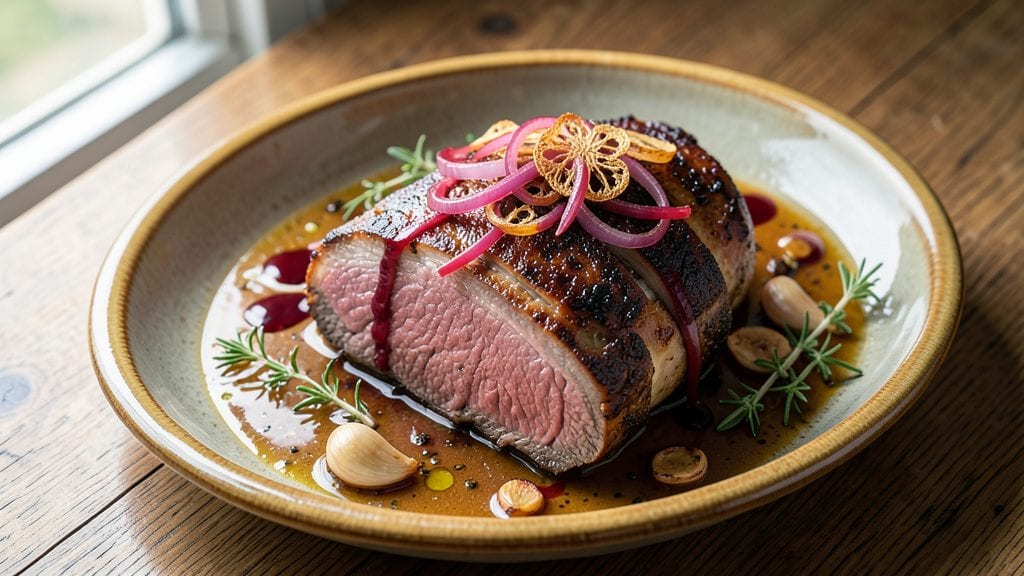
This potted lamb recipe transforms tough lamb shoulder into melt-in-your-mouth tenderness through slow braising—a technique that builds deep, savory flavors over hours. The result is a dish so rich and aromatic it belongs at any formal table, yet its method is surprisingly straightforward for home cooks.
I developed this version after years of testing, ensuring the perfect balance of herbs, wine, and slow cooking to create a sauce that clings to every bite.
The secret lies in the slow braising process, where lamb cooks gently in its own juices along with onions, garlic, and aromatic herbs until it practically falls apart. A splash of red wine adds complexity, while bay leaves and thyme infuse the dish with classic depth.
This method transforms an affordable cut of meat into something luxurious, with a sauce so flavorful it deserves its own bowl.
By the time you plate this dish, you’ll have tender lamb that shreds easily, infused with the rich flavors of slow cooking. The sauce reduces to a glossy, velvety consistency that coats every bite, making it a showstopper for dinner parties or special occasions.
The preparation takes just 30 minutes, but the cooking time ensures maximum flavor development—well worth the wait.
Serve with crusty bread to soak up every last drop of sauce or pair with roasted root vegetables for a complete meal. This recipe delivers restaurant-quality results with minimal effort, proving that slow-cooked lamb can be both impressive and accessible.
Let’s get started on creating a dish that’s as satisfying as it is elegant.
Ingredients for potted lamb
Sixteen ingredients for a dish that tastes like a restaurant classic.
| Ingredient | Amount | Notes |
|---|---|---|
| Lamb Shoulder 🐑 | 3 lb | Bone-in, trimmed of excess fat |
| Yellow Onions 🧅 | 2 whole | Sliced into wedges, skin on |
| Garlic Cloves 🧄 | 6 cloves | Smashed, not minced |
| Red Wine 🍷 | 1 cup | Dry, full-bodied variety |
| Beef Broth 🍲 | 2 cups | Low-sodium preferred |
| Fresh Thyme 🌿 | 2 sprigs | Plus 1 tbsp leaves reserved |
| Fresh Rosemary 🌿 | 1 sprig | Woody stems removed |
| Bay Leaves 🍃 | 2 whole | Standard dried leaves |
| Extra-Virgin Olive Oil 🫒 | ¼ cup | For searing lamb |
| All-Purpose Flour 🌾 | 2 tbsp | For dredging lamb |
| Salt 🧂 | 1 ½ tsp | Kosher or sea salt |
| Ground Black Pepper 🌶️ | ½ tsp | Freshly cracked |
| Honey 🍯 | 1 tbsp | For sauce balance |
| Unsalted Butter 🧈 | 2 tbsp | For sauce richness |
The lamb shoulder is the foundation—look for well-marbled cuts at Whole Foods or your butcher's counter. Bone-in pieces stay juicier during braising, and the natural fat renders into the sauce. If your grocery store doesn't carry lamb shoulder, ask for a lamb leg roast and trim it yourself. The onions should be firm with no soft spots, and the garlic should be plump with no sprouting. For the wine, Cabernet Sauvignon or Merlot work perfectly—they add depth without overpowering. I always grab a bottle from Trader Joe's for this recipe; their selection is reliable and affordable.
No red wine? Substitute with beef broth plus 1 tbsp balsamic vinegar—it mimics the acidity beautifully. Fresh thyme and rosemary are ideal, but dried herbs at half the amount will work in a pinch. For the flour, all-purpose is standard, but bread flour adds a subtle chewiness. The honey balances the richness, so don't skip it—local raw honey adds a lovely floral note. If you're using pre-minced garlic, toast it first in olive oil to deepen the flavor. The butter at the end is crucial; it emulsifies the sauce for that velvety texture.
This dish tastes even better the next day, so plan ahead. Store in an airtight container in the fridge for up to 5 days, or freeze for 3 months. The sauce thickens as it cools, so a splash of warm water or broth can restore its consistency when reheating. For serving, I like to shred the lamb directly onto plates and ladle the sauce over the top. The crusty bread? Warm it in the oven while the lamb reheats—it soaks up every last drop of that luxurious sauce.
Why You'll Love This Recipe
- Foolproof Slow Cook: The lamb shoulder practically melts in its own juices—just sear it, toss in onions and garlic, then let the red wine and broth do the work. Honestly, I’ve burned casseroles before, but this? It’s hard to mess up.
- Rich, Deep Umami Bomb: That slow-cooked lamb with caramelized onions and garlic? It’s like a hug in a dish. The red wine cuts through the richness, and the beef broth ties everything together—savory, slightly sweet, and impossible to resist.
- Weeknight or Weekend Star: Throw it together on a Friday, and it’s still amazing reheated for sandwiches on Monday. Between us, this is the kind of dish that makes you look like a hero at family dinners—no one will guess it’s this unfussy.
- Budget-Friendly Luxury: Lamb shoulder stretches further than you’d think, and the ingredients won’t break the bank. I’ve fed six people for under $30, and the leftovers? Even better the next day—crispy edges, tender meat, no waste.
Step-by-step instructions for slow-braised potted lamb
This method delivers melt-in-your-mouth lamb with a rich, velvety sauce—every technique matters for perfect results.
Sear the Lamb Shoulder for Deep Flavor
Pat the 3 lb lamb shoulder completely dry with paper towels—this ensures maximum browning. Heat the 0.25 cup extra-virgin olive oil in a heavy Dutch oven over medium-high heat until shimmering. Place the lamb fat-side down and sear undisturbed for 8-10 minutes until deeply golden brown on all sides.
I press down gently on the lamb during the first minute to prevent curling, which ensures even contact with the pan. Flip only when you see a deep golden crust forming. Remove the lamb and set it aside on a plate—this step builds the foundation for the sauce's depth of flavor.
Build the Aromatic Base with Onions and Herbs
In the same Dutch oven, add the 2 whole yellow onions (wedges skin-on) and cook over medium heat for 10 minutes until softened and lightly caramelized. Add the 6 smashed garlic cloves, 2 sprigs fresh thyme, 1 sprig fresh rosemary (woody stems removed), and 2 whole bay leaves, stirring for 1 minute until fragrant.
Here's the thing—don't rush this step. The onions should develop color and sweetness before moving forward. If they stick, add 2 tablespoons of beef broth to deglaze. The goal is to create a flavorful base that will infuse the lamb during braising.
Dredge and Brown the Lamb
Lightly dust the seared lamb with the 2 tbsp all-purpose flour, shaking off any excess. Return it to the Dutch oven and sear for an additional 2-3 minutes per side until lightly browned. Remove the lamb and set it aside again—this second sear adds texture contrast to the finished dish.
This flour coating isn't just for appearance; it helps thicken the sauce later. Don't skip this step, even if it seems minor. The flour will create a silky texture in the finished sauce that balances the lamb's richness.
Deglaze and Simmer with Wine and Broth
Pour in the 1 cup red wine and scrape up all the browned bits from the bottom of the pot with a wooden spoon. Let the wine simmer for 3-4 minutes until reduced by half. Add the 2 cups beef broth, then return the lamb to the pot, fat-side up.
Bring everything to a gentle simmer, then reduce heat to low. Cover the pot and cook for 2 hours, turning the lamb occasionally. The sauce should reduce gradually, coating the lamb in its own juices. If it gets too deep, uncover and reduce heat further.
Finish with Honey and Butter for Balance
After 2 hours, remove the lamb and strain the cooking liquid through a fine-mesh sieve into a clean pot. Return the liquid to medium heat and whisk in the 1 tbsp honey and 2 tbsp unsalted butter. Simmer for 5-7 minutes until the sauce thickens slightly and coats the back of a spoon.
Season with the 1.5 tsp salt and 0.5 tsp ground black pepper. Return the lamb to the pot, fat-side up, and let it absorb the sauce for 10 minutes off heat. The lamb is ready when it reaches an internal temperature of 203°F and slices effortlessly with a fork.
Rest and Serve with Sauce
Transfer the lamb to a cutting board and let it rest for 15 minutes before slicing. This resting period ensures the juices redistribute throughout the meat, preventing dryness. Meanwhile, skim any excess fat from the sauce and adjust seasoning if needed.
Slice the lamb against the grain into ½-inch thick pieces and serve with the sauce spooned generously over each portion. The result should be tender, flavorful lamb with a sauce that's rich yet balanced by the honey's subtle sweetness and butter's velvety finish.
Pro Tips For Making Potted Lamb
- Brown the Shoulder First: Don’t skip searing that lamb shoulder—high heat for 8-10 minutes until it’s deep golden. I learned this the hard way: rushing the pan means flavorless broth later. The crust locks in juices and builds the base for that rich, wine-braised depth.
- Char the Onions: Cut those yellow onions into thick wedges and let them caramelize until blackened in spots—yes, even the burned bits. They’ll sweeten the broth and cut through the richness of the lamb. (Skip this, and you’re missing half the flavor.)
- Deglaze Aggressively: After browning the lamb, don’t just splash in the wine—scrape the pan like your life depends on it. Those stuck-on bits hold flavor, and lazy scraping means a dull sauce. A wooden spoon works, but I swear by a silicone spatula for stubborn bits.
- Simmer Low and Slow: Cover the pot and let it bubble gently for 2.5 hours, not a rolling boil. I used to crank the heat, and the lamb turned out dry. Low heat keeps it tender, and the wine won’t evaporate into nothingness. (Patience here = melt-in-your-mouth texture.)
Perfect pairings for this recipe
Classic Side Dishes
Crusty sourdough bread is my go-to pairing for soaking up the rich sauce—look for a loaf with a thick crust from your local bakery or Whole Foods. The open crumb structure traps every drop of the lamb's velvety reduction.
For a more elegant touch, serve with roasted baby potatoes tossed in rosemary, garlic, and olive oil at 400°F for 30 minutes. Their crispy skins contrast beautifully with the tender lamb. 🥖
Vegetable Harmony
Bright, acidic vegetables cut through the richness of the lamb. I love glazed carrots—simmer 1 lb whole carrots in the lamb's reduced sauce (after removing the meat) for 20 minutes until tender.
For a pop of color, add sautéed green beans with garlic and a splash of lemon juice—just 5 minutes in a hot skillet keeps them crisp-tender. 🥕
Wine Pairings
A bold Cabernet Sauvignon from Napa Valley complements the lamb's depth, with its dark fruit and earthy notes mirroring the dish's richness. For something lighter, try a Syrah from the Rhône Valley—its peppery spice balances the honeyed sauce.
I always open a bottle 30 minutes before serving to let it breathe and release its aromas. 🍷
Beer Complements
A malty English brown ale like Fuller's ESB stands up to the lamb's intensity, with its caramel and toasted notes. For a hoppier option, a Belgian dubbel with its fruity complexity and slight sweetness provides a refreshing contrast. Serve both chilled to 50°F for optimal flavor. 🍺
Unexpected Twists
Add a Middle Eastern flair with warm pita bread and a side of harissa-spiked yogurt sauce—just 1 tbsp harissa mixed into ½ cup Greek yogurt with a pinch of salt.
The heat and tang elevate the dish's complexity. For a modern touch, serve with creamy polenta—cook 1 cup polenta in 4 cups lamb broth until thick and creamy. 🌶️
Cheese Pairings
Aged Manchego cheese with its nutty, caramelized notes pairs wonderfully with the lamb's richness. Serve it at room temperature with a drizzle of honey to echo the sauce's sweetness.
For a softer option, brie melts beautifully when warmed slightly—place it on a plate under a broiler for 2-3 minutes** until just golden. 🧀
Nutrition facts
Frequently asked questions
Can I use lamb shanks instead of lamb shoulder?
Yes, but you'll need to adjust the cooking time. Lamb shanks are smaller and denser, so they'll cook faster—about 1.5 hours instead of 2 hours. The method remains the same, but check for tenderness at 203°F internal temperature. The sauce will still develop beautifully, though you may need to add an extra ½ cup broth to compensate for the smaller volume.
Why does my potted lamb sauce turn out too thin?
This usually happens when the sauce isn't reduced enough or the lamb releases too much liquid. To fix it, strain the sauce through a fine-mesh sieve to remove any excess fat, then simmer it uncovered for 10-15 minutes until thickened. If it's still too thin, whisk in 1 tbsp cornstarch mixed with 2 tbsp cold water and cook for 2 more minutes. Always skim fat regularly during cooking.
Can I make this recipe in a slow cooker?
Sear the lamb as directed, then transfer everything to a 6-quart slow cooker. Cook on low for 6-7 hours or high for 4-5 hours. After cooking, strain the sauce and finish it on the stovetop with honey and butter. The slow cooker method is perfect for hands-off prep, but you may need to add ½ cup extra broth since slow cookers evaporate less liquid.
How do I store leftovers?
Store potted lamb in an airtight container in the fridge for up to 5 days, or freeze for 3 months. The flavors actually improve overnight as the meat absorbs more sauce. To reheat, warm gently in a saucepan with 2 tbsp broth until heated through (165°F), stirring occasionally. If the sauce thickens too much, add a splash of warm water or broth to restore consistency.
What's the best way to reheat potted lamb?
For best results, reheat in a skillet over medium-low heat with 2 tbsp beef broth to prevent drying. Cover and cook for 5-7 minutes, stirring occasionally, until heated to 165°F. Avoid microwaving as it can make the meat tough. If the sauce separates, whisk in 1 tbsp cold butter to re-emulsify it. The gentle heat ensures the lamb stays tender and the sauce remains velvety.