Side Dishes
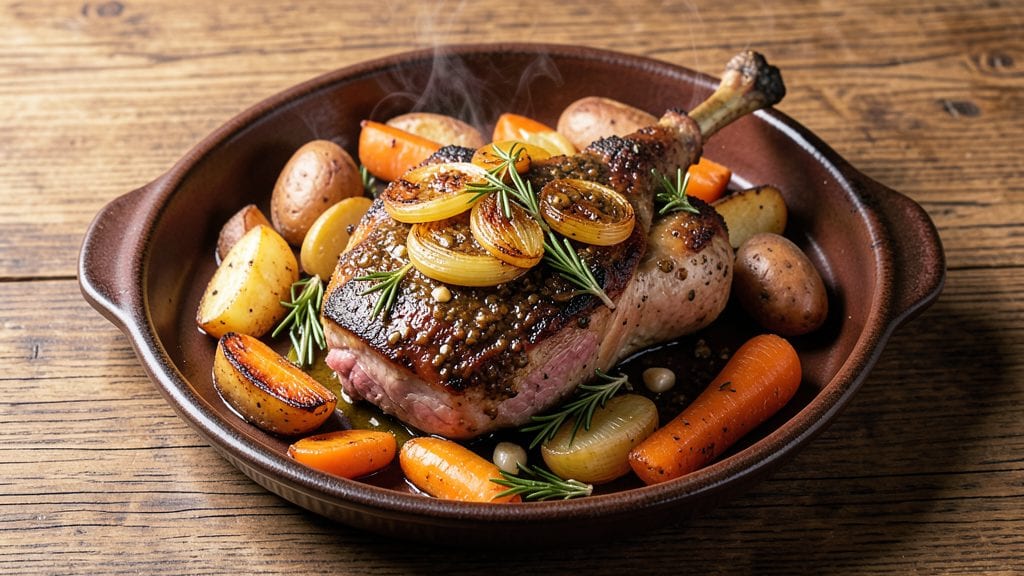
Mastering a roast leg of lamb with vegetables recipe transforms Sunday dinner from ordinary to extraordinary—juicy, herb-crusted meat paired with caramelized vegetables that steal the show. I learned this technique from a butcher in Portland who swore by slow-roasting for tender perfection, and it’s become my go-to for special occasions.
The secret lies in the herb crust and precise timing, ensuring every bite delivers both richness and depth.
This method delivers restaurant-quality results with minimal effort, using just 10 ingredients and about 3 hours of active and passive time. The lamb rests while vegetables roast in the same pan, cutting cleanup by half.
Aromatic herbs like rosemary and thyme infuse the meat, while garlic and mustard create a crust that browns beautifully. The vegetables—potatoes, carrots, and onions—caramelize into sweet, tender bites that complement the lamb perfectly.
By the time you serve this dish, your kitchen will smell like a Mediterranean feast, and your guests will never guess it came from your oven. The lamb emerges tender enough to slice with a fork, with a crispy exterior that holds up to every bite.
The vegetables, charred in spots, add texture and balance the richness of the meat. This is the kind of meal that makes you feel like a professional chef without the fuss.
Perfect for holiday gatherings, date nights, or when you want to impress without stressing. The recipe scales easily for a crowd, and leftovers reheat beautifully. Let’s get started—your taste buds will thank you.
Ingredients for roast leg of lamb with vegetables
Ten ingredients, three hours, and a kitchen that smells like a Mediterranean feast.
| Ingredient | Amount | Notes |
|---|---|---|
| Leg Of Lamb 🐑 | 4 lb | Bone-in, frenched for even cooking |
| Yellow Onions 🧅 | 2 whole | Cut into wedges, skins on |
| Russet Potatoes 🥔 | 2 lb | Cut into 2-inch chunks, skins on |
| Carrots 🥕 | 1 ½ lb | Whole, scrubbed, cut into 3-inch sticks |
| Fresh Rosemary 🌿 | ½ cup | Chopped, stems removed |
| Fresh Thyme 🌿 | ¼ cup | Leaves only, stems discarded |
| Garlic Cloves 🧄 | 8 cloves | Minced, for crust and vegetables |
| Dijon Mustard 🍯 | 2 tbsp | For herb crust adhesion |
| Extra-Virgin Olive Oil 🫒 | ¼ cup | For basting and crust |
| Kosher Salt 🧂 | 1 ½ tbsp | For seasoning and crust |
| Freshly Ground Black Pepper 🌶️ | 1 tsp | For finishing crust |
The lamb is the star, so don’t skimp on quality. Look for a bone-in leg with good marbling—ask your butcher to french the leg (trim the fat cap) for even cooking. I always grab mine from Whole Foods or a trusted local butcher; their cuts are far superior to what you’ll find at the supermarket. The herb crust is where the magic happens, so pick fresh rosemary and thyme—dried herbs won’t give the same depth. If you can’t find fresh, dried works at half the amount, but it’s not the same. The potatoes and carrots should be firm and free of soft spots—they’ll caramelize beautifully, so choose ones that look fresh.
No fresh rosemary? Substitute with 1 tbsp dried, but add it directly to the crust mix. Short on time? Baby carrots and fingerling potatoes work just as well—they’ll cook faster and still caramelize. The mustard in the crust can be swapped for 1 tbsp honey if you’re avoiding umami, but I prefer the tang. For the garlic, garlic powder at half the amount works in a pinch, but fresh is always better. If you’re serving a crowd, double the herb amounts—they’ll disappear fast. And trust me, toasting the garlic in olive oil for 30 seconds before mixing into the crust adds a whole new level of flavor.
This dish reheats beautifully—even better the next day, once all the flavors meld. Store the lamb and vegetables separately in the fridge for up to 4 days, or freeze for 3 months. The crust stays crispy if you reheat it in the oven at 350°F for 20 minutes with a splash of water in the pan. For serving, I always slice the lamb against the grain into 1/2-inch thick slices—that’s what makes it tender. The vegetables? Toss them with a little extra olive oil and serve family-style. Leftovers make amazing sandwiches the next day.
Why You'll Love This Recipe
- One-Pan Magic: I swear by this for lazy Sundays—just toss everything on a sheet pan, drizzle with olive oil, and let the oven do the work. No chopping boards full of mess, no pots to scrub later.
- Rosemary-Lamb Euphoria: That first bite of tender lamb with rosemary clinging to it like a hug? It’s the kind of flavor that makes you close your eyes. The onions caramelize just enough to add sweetness without overpowering.
- Leftovers That Don’t Suck: Between us, most roast lamb leftovers are sad. Not this one. The meat stays juicy, the potatoes crisp up perfectly when reheated, and the carrots hold their shape—ideal for quick lunches or meal prep.
- Budget-Friendly Feast: A whole leg of lamb might sound fancy, but it stretches to feed four or five easily. Pair it with those hearty potatoes and carrots, and suddenly you’ve got a restaurant-worthy meal without breaking the bank.
Step-by-step instructions for herb-crusted roast leg of lamb with vegetables
This method guarantees tender, juicy lamb with perfectly caramelized vegetables every time.
Prepare the Herb Crust and Season the Lamb
In a medium bowl, combine the 0.5 cup fresh rosemary, 0.25 cup fresh thyme, 8 cloves minced garlic, 2 tbsp Dijon mustard, 0.25 cup extra-virgin olive oil, 1.5 tbsp kosher salt, and 1 tsp freshly ground black pepper. Mix thoroughly until you have a thick, fragrant paste. This herb mixture will create an aromatic crust that seals in moisture and adds incredible flavor.
Pat the 4 lb leg of lamb dry with paper towels—this step is crucial for crispy skin. Spread the herb mixture evenly over the entire surface, pressing it gently into the meat. Let the lamb sit at room temperature for 30 minutes while you prepare the vegetables. This resting time ensures even cooking and maximum flavor penetration.
Prep and Arrange the Vegetables
Cut the 2 whole yellow onions into wedges, leaving the skins on for extra flavor. Chop the 2 lb russet potatoes into 2-inch chunks and scrub the 1.5 lb carrots, cutting them into 3-inch sticks. Arrange all vegetables in a single layer on a large rimmed baking sheet, leaving space between each piece. This arrangement allows hot air to circulate freely, promoting even browning.
Drizzle the vegetables lightly with 1 tablespoon of the remaining extra-virgin olive oil and sprinkle with any leftover herb mixture from the lamb. Toss gently to coat, then transfer the baking sheet to the refrigerator while you preheat the oven. Chilling the vegetables for 15 minutes helps them crisp up nicely during roasting.
Roast the Lamb and Vegetables Together
Preheat your oven to 325°F for a low-and-slow cook that guarantees tender meat. Place the lamb on a rack set inside a roasting pan, fat-side up. This elevated position allows heat to circulate around the lamb, preventing steam buildup that can make the meat tough. Roast uncovered for 2 hours, then reduce the heat to 300°F and continue roasting for another 1 to 1.5 hours or until the internal temperature reaches 145°F for medium-rare.
About 45 minutes before the lamb is done, push the vegetables to the sides of the pan to create space. This allows the lamb to finish cooking without being crowded by the vegetables. The vegetables should be tender and beginning to caramelize by the time the lamb reaches the perfect doneness. If they're not quite browned enough, transfer them to a separate baking sheet and broil for 3-5 minutes at the end.
Rest and Serve for Maximum Tenderness
Remove the lamb from the oven and transfer it to a cutting board. Tent loosely with foil and let it rest for 20-30 minutes before carving. This resting period is essential—it allows the juices to redistribute throughout the meat, ensuring each slice is moist and flavorful. The vegetables can be served immediately from the roasting pan, their edges caramelized and their flavors intensified by the lamb's aromas.
Slice the lamb against the grain into ½-inch thick portions and serve with the roasted vegetables. The herb crust will be crisp and fragrant, while the meat will be perfectly tender with a pink center. The vegetables should be caramelized on the edges but still hold their shape, offering a delightful contrast to the rich lamb. Garnish with extra fresh rosemary if desired, and enjoy this elegant centerpiece dish with a simple green salad or crusty bread.
Pro Tips For Making Roast Leg Of Lamb With Vegetables
- Trim the Fat First: I learned this the hard way—leaving the thick fat cap on the lamb makes it steam instead of brown. Trim it down to about ¼-inch thick so the meat gets that golden crust while the fat renders into flavorful drippings you can baste back on.
- Par-Cook the Potatoes: Russets take forever to soften when roasted whole. Boil them for 5 minutes first—they’ll finish cooking in the oven without turning to mush. (Yes, even if you’re impatient like me.)
- Don’t Skip the Rosemary Sprinkle: Tuck fresh rosemary sprigs under the lamb and nestle them into the veggies, not just on top. The steam from the roasting will infuse the meat and potatoes with aroma instead of just the surface getting all the flavor.
- Use a Meat Thermometer: Lamb hits "medium" at 145°F—any higher and it dries out. I used to guess, and the results were hit-or-miss. A $10 thermometer guarantees perfect doneness every time, no matter the oven’s quirks.
Regional styles of this roast leg of lamb with vegetables
Mediterranean Roast
Inspired by Greek and Turkish traditions, this version swaps the herb crust for a garlic-yogurt marinade—mix ½ cup plain Greek yogurt, 3 tbsp lemon juice, 4 minced garlic cloves, and 1 tbsp dried oregano. Marinate the lamb for 4-6 hours before roasting.
The vegetables get a Mediterranean twist with 1 tsp ground cinnamon and 2 tbsp chopped mint tossed in after roasting. Serve with warm pita bread and a side of tzatziki for dipping. 🌿
French Herb-Crusted
For a classic French touch, replace the mustard in the herb crust with 2 tbsp Dijon mustard and 1 tbsp honey for a touch of sweetness. Add 1 tbsp fresh tarragon and 1 tbsp fresh parsley to the herb mix.
Roast the lamb at 350°F instead of low-and-slow, and finish with a brown butter glaze—melt 2 tbsp butter with 1 tbsp minced shallots and drizzle over the lamb before serving. Pair with ratatouille or buttery mashed potatoes. 🥖
North African Spiced
Transform this dish into a Moroccan feast by adding 1 tbsp ground cumin, 1 tbsp smoked paprika, and ½ tsp ground coriander to the herb crust. Swap the potatoes for sweet potatoes and carrots for turnips.
After roasting, garnish with toasted almonds and a drizzle of harissa for heat. Serve with couscous or flatbread and a side of preserved lemon slices. 🌶️
British Sunday Roast
Channel traditional British flavors by adding 1 tbsp Worcestershire sauce to the herb crust and roasting the lamb with Yorkshire pudding batter poured around the edges of the roasting pan.
The vegetables get a gravy upgrade—deglaze the pan with 1 cup beef stock and 1 tbsp flour, then simmer until thickened. Serve with crusty Yorkshire puddings and buttered greens. 🇬🇧
Portland-Style Twist
For a Pacific Northwest take, swap the rosemary for fresh sage and add 1 tbsp chopped lemongrass to the herb crust. Use fingerling potatoes and rainier cherries (pitted) tucked into the lamb’s fat cap for roasting.
Finish with a local honey glaze—simmer 2 tbsp honey with 1 tbsp apple cider vinegar and brush over the lamb in the last 10 minutes of cooking. Serve with wild rice pilaf and roasted Brussels sprouts. 🌟
Nutrition facts
Frequently asked questions
How do I know when the lamb is fully cooked?
Use a meat thermometer to check the internal temperature—145°F for medium-rare is ideal. Insert the probe into the thickest part of the lamb, avoiding the bone. The crust should be golden-brown and crispy, while the meat will be tender with a pink center. Never rely on time alone, as oven temperatures can vary.
Can I use bone-in or boneless lamb for this recipe?
This recipe is designed for bone-in leg of lamb—the bone helps distribute heat evenly and adds flavor. If you must use boneless, reduce the cooking time by 15-20 minutes and check for doneness earlier. Bone-in lamb also stays juicier during roasting. For a crowd, a 5-6 lb bone-in cut works perfectly.
What vegetables can I substitute if I don’t have potatoes or carrots?
Swap potatoes for sweet potatoes, butternut squash, or parsnips. Replace carrots with turnips, beets, or celery root. For extra flavor, add fennel bulbs or leeks. Just ensure all veggies are cut to similar sizes so they cook evenly. The key is to keep them in 2-3 inch pieces for perfect caramelization.
Why does my lamb turn out dry?
Overcooking is the #1 cause—lamb dries out quickly once it hits 160°F. Always remove it from the oven at 145°F and let it rest for 20-30 minutes before slicing. Another mistake? Skipping the room-temperature rest before roasting. Pat the lamb dry thoroughly and don’t overcrowd the pan. For extra moisture, baste it with pan juices every 30 minutes.
Can I make this recipe ahead of time?
Roast the lamb and vegetables 1 day ahead, then refrigerate separately. Reheat the lamb in a 325°F oven for 30 minutes (covered with foil) until warmed through. The vegetables can be reheated in the same pan at 375°F for 10 minutes with a splash of water. The flavors actually improve overnight as the herbs infuse further.