
Snacks
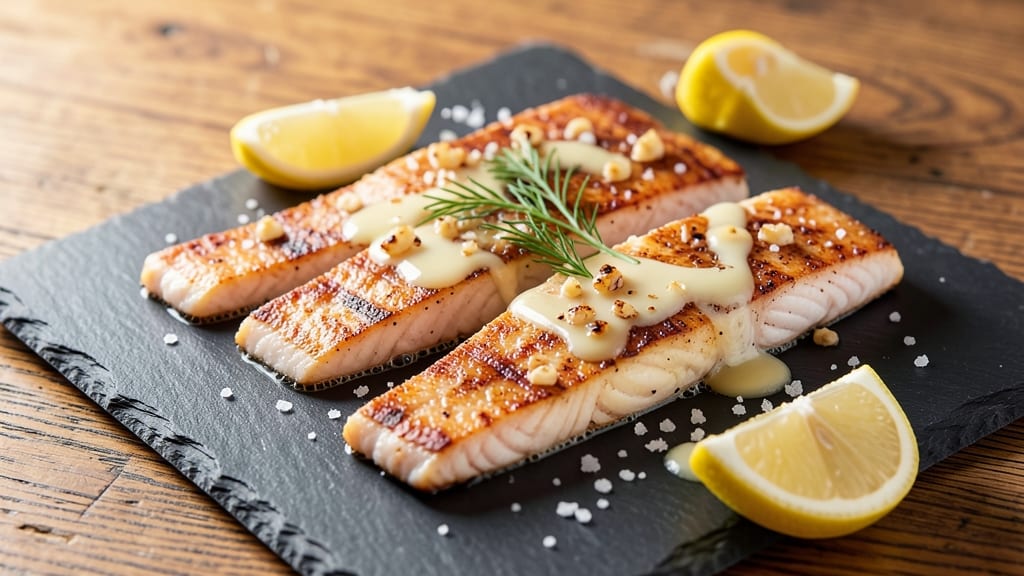
This roasted halibut recipe delivers perfectly crisp skin and tender flesh with a bright lemon-garlic finish that feels like a coastal escape. The secret lies in high-heat roasting and a buttery, flaky topping that transforms simple ingredients into restaurant-quality results.
I've perfected this method over countless weeknight dinners, ensuring every bite is moist yet crispy with just the right balance of acidity and richness.
The technique is straightforward but precise: halibut fillets rest on a baking sheet with lemon slices and garlic, then roast until the edges crisp to golden perfection. A sprinkle of flaky sea salt and melted butter creates that signature texture contrast—crunchy outside, velvety inside.
This method works equally well with skin-on or skinless fillets, giving you control over texture preferences while keeping prep under 20 minutes.
What you'll end up with is a dish that looks as impressive as it tastes—golden-brown fillets with crisp edges, fragrant lemon aromas filling your kitchen, and a sauce that's bright enough to cut through the richness.
The buttery flakes add a luxurious touch without overpowering the delicate fish flavor. Serve with roasted asparagus or a simple green salad to complete the meal.
This recipe scales beautifully for dinner parties or weeknight suppers, and the leftovers reheat perfectly for lunch the next day. The balance of acidity from the lemon and richness from the butter creates a harmony that makes this dish a standout on any table.
Ready to elevate your seafood game? Let's get started with the full instructions.
Ingredients for roasted halibut
Six simple ingredients transform delicate halibut into restaurant-worthy crispy perfection with bright lemon-garlic notes.
| Ingredient | Amount | Notes |
|---|---|---|
| Halibut Fillets 🐟 | 4 whole | Skin-on preferred for crispiness |
| Extra-Virgin Olive Oil 🫒 | 2 tbsp | High-quality, fruity variety |
| Fresh Lemons 🍋 | 1 whole | Thinly sliced, seeds removed |
| Garlic Cloves 🧄 | 4 cloves | Minced, fresh preferred |
| Unsalted Butter 🧈 | ½ cup | Cold, cubed for flakes |
| Flaky Sea Salt 🧂 | 1 tbsp | Like Maldon for texture |
| Fresh Parsley 🌿 | ¼ cup | Chopped, for garnish |
| Lemon Zest 🍋 | 1 tbsp | From 1 lemon, finely grated |
| Ground Black Pepper 🌶️ | ½ tsp | Freshly cracked |
| Fresh Dill 🌿 | 2 tbsp | Chopped, optional garnish |
| Lemon Juice 🍋 | 2 tbsp | Freshly squeezed |
The halibut quality makes all the difference—look for firm, translucent fillets with minimal brown edges. Whole Foods or local fish markets often carry the freshest cuts, but any reputable seafood counter will do. If buying frozen, thaw overnight in the fridge—never under running water, which turns the flesh mushy. The skin should stay intact during cooking for that signature crunch, so handle gently when arranging on the baking sheet. For extra insurance, pat dry with paper towels before seasoning—moisture is the enemy of crispy skin.
No Maldon sea salt? Diamond Crystal kosher salt works just as well—just use a bit more since it's coarser. Short on fresh dill? Dried dill at one-third the amount gives similar earthy notes, though fresh is ideal. The butter should be cold and cubed for those perfect flakes—microwave for 10 seconds if needed to soften slightly. Lemon zest can be pre-grated and stored in the freezer for up to 3 months in an airtight container. For a quicker prep, use bottled lemon juice (like ReaLemon), though fresh is brighter.
This dish reheats beautifully—just warm in a 350°F oven for 5-7 minutes until heated through. Store leftovers covered in the fridge for 2 days or freeze for 1 month by wrapping tightly in plastic wrap. The lemon slices can be pre-sliced and stored in a sealed container with a paper towel to absorb moisture. For presentation, arrange the butter flakes artistically over the finished dish—a pinch of black pepper scattered on top elevates the plating instantly.
Why You'll Love This Recipe
- One-Pan Magic: Between us, this recipe is my go-to when I’m too tired to wash dishes. Toss the halibut, garlic, and lemon slices on a sheet pan, drizzle with olive oil, and let the oven do the work—no flipping, no fuss.
- Crispy-Creamy Payoff: The butter and garlic melt into the flaky fillets while the olive oil gives it that golden, caramelized crust. Honestly, that crispy edge with the tender center? It’s the kind of bite that makes you slow down and savor every forkful.
- Weeknight to Dinner Party: I’ve served this to my book club (they asked for the recipe) and reheated it for my kid’s soccer team snack table. The bright lemon and rich butter balance perfectly—elegant enough for guests, but simple enough for a Tuesday.
- Leftovers That Don’t Suck: Unlike some fish dishes, this roasted halibut reheats like a dream—just a quick warm in the oven or microwave. I’ll be real: my lunchbox gets packed with seconds the next day, and it’s still just as good.
Step-by-step instructions for roasted halibut recipe
Here's the method for achieving perfectly crispy skin and tender flesh with a bright citrus finish.
Prepare the Halibut and Seasoning Base
Pat the 4 whole halibut fillets dry with paper towels, pressing firmly to remove all moisture from the skin. This step is crucial for achieving crispy skin—any remaining water will steam the fillets instead of creating that golden crust. Place the fillets skin-side up on a wire rack set over a rimmed baking sheet.
In a small bowl, combine the 2 tablespoons extra-virgin olive oil, 1 tablespoon lemon zest, 0.5 teaspoon ground black pepper, and 1 tablespoon flaky sea salt. Whisk until the salt dissolves and the oil becomes fragrant. This aromatic blend will infuse the fish with bright citrus and savory notes while enhancing the crispy texture.
Create the Buttery Garlic Flakes
Cut the 0.5 cup unsalted butter into small cubes and place them in a food processor. Add the 4 minced garlic cloves and pulse until the butter forms coarse flakes with visible garlic pieces. Spread these flakes evenly over the halibut fillets, pressing gently to adhere. This technique creates a luxurious, buttery crust that melts into the fish during roasting.
Drizzle the halibut with the prepared lemon-zest oil mixture, coating both sides evenly. The oil will help distribute the seasoning and prevent the fillets from sticking to the baking sheet. Let the fish sit at room temperature for 10 minutes while you preheat the oven to 425°F. This brief resting period ensures even cooking.
Roast Until Crisp and Cooked Through
Place the baking sheet in the preheated oven and roast the halibut for 12-14 minutes. The fillets are done when the skin is golden brown and crispy, and the flesh flakes easily with a fork. You'll notice the edges begin to pull away from the skin—this is your visual cue that the fish is ready.
During the last 2 minutes of roasting, sprinkle the 0.25 cup chopped fresh parsley and 2 tablespoons chopped fresh dill evenly over the fillets. The herbs add freshness and color, while the parsley's slight bitterness balances the richness of the butter. Remove the halibut from the oven and let it rest for 3 minutes before serving.
Finish with Lemon Juice and Serve Immediately
While the halibut rests, squeeze the 2 tablespoons lemon juice from the 1 whole fresh lemon (cut into wedges for easier squeezing) over each fillet. The acidity brightens the flavors and cuts through the richness of the butter. Serve the halibut immediately, garnished with additional flaky sea salt if desired.
The result should be fillets with perfectly crisp skin that shatters when touched, tender flesh that flakes easily, and a bright, citrusy flavor profile. Each bite should deliver a harmonious balance of buttery richness, garlicky depth, and zesty freshness. Pair with steamed vegetables or a simple salad to complement the dish's delicate flavors.
Pro Tips For Making Roasted Halibut
- Dry the Fish First: Pat those fillets thoroughly with paper towels—no wet spots—before hitting the oven. I used to skip this, and my butter would just slide off instead of crisping. Five minutes with a towel saves you from sad, soggy crusts later.
- Start Hot, Finish Gentle: Roast the halibut at 425°F (220°C) for the first 8 minutes to sear the skin, then drop to 375°F (190°C). After burning three batches at steady heat, I learned this two-step approach keeps the center tender without overcooking the edges.
- Zest Before Juicing: Grate the lemon zest before juicing it—toss that into the butter-garlic mix while the fish roasts. The zest dissolves better and adds a bright aroma that cuts through the richness. (Yes, even if you’re impatient like me, wait for it.)
- Use Cold Butter: Chill the unsalted butter until it’s firm, then slice it into thin slabs. Place a piece on each fillet after the initial roast—it melts slower, basting the fish without turning it greasy. I was skeptical until I tried it; now I won’t go back.
Pro cooking tips for great roasted halibut
Skin-On vs. Skinless
The skin makes all the difference in texture—skin-on halibut delivers that coveted crispy exterior, while skinless fillets yield a more delicate bite. For crispy skin, place fillets skin-side up on a wire rack over a baking sheet.
Pat dry thoroughly with paper towels before seasoning—any moisture steams instead of crisps. I swear by Whole Foods' Pacific halibut for its firm texture and clean flavor. For skinless, reduce roasting time by 2-3 minutes and brush with extra olive oil to prevent dryness. 🔥
Temperature Control
Halibut cooks fast—425°F is ideal for crispy skin without overcooking the delicate flesh. Use an instant-read thermometer to check doneness at 130°F internal temperature (halibut is done when it flakes easily).
I recommend the Thermoworks Smoke for accuracy. If your oven runs hot, reduce temp to 400°F and add 2-3 minutes to roasting time. Preheat for 15 minutes to ensure even heat distribution.
Butter Flake Technique
Cold cubed butter creates those signature flakes—never melt it first. Pulse in a food processor with garlic until coarse, then press onto fillets before roasting. For extra richness, add 1 tsp lemon zest to the butter mixture.
If you're short on time, use store-bought garlic butter (like Trader Joe's)—just add 1 tbsp lemon juice to brighten flavors. Spread flakes evenly to avoid bare spots. 🧈
Resting Matters
Never skip the 3-minute rest after roasting—this allows juices to redistribute, preventing dryness. Place fillets on a warm plate (not cold) to maintain temperature. For presentation, arrange butter flakes artistically over the fish right before serving.
If reheating leftovers, warm in a 350°F oven for 5-7 minutes with a splash of water to retain moisture. The rest period also helps crispy skin set properly.
Lemon Brightness
Fresh lemon juice is non-negotiable—bottled juice lacks the acidity needed to cut through the butter's richness. Squeeze juice over fillets just before serving to prevent soggy skin. For extra zing, add 1 tsp lemon zest to the butter flakes during prep.
If using ReaLemon, reduce to 1 tbsp since it's more concentrated. The acidity also helps balance any fishy undertones in less-fresh halibut. 🍋
Equipment Shortcuts
No food processor? Pulse butter and garlic in a mini chopper or even a mortar and pestle. For crispy skin without a wire rack, use a perforated baking sheet or poke holes in parchment paper. Short on time?
Broil for 3-4 minutes at the end for extra crispiness (watch closely to avoid burning). A silicon baking mat also works—just pat fish dry thoroughly first. The key is even heat distribution and minimal moisture.
Nutrition facts
Frequently asked questions
What's the secret to crispy skin on roasted halibut?
Pat the fillets bone-dry with paper towels before roasting—this removes all moisture that would steam instead of crisp. Place them skin-side up on a wire rack over a baking sheet for maximum airflow. A high oven temp (425°F) and 12-14 minutes of roasting time create that perfect golden crust.
Can I use frozen halibut for this recipe?
Yes, but thaw it properly first. Place frozen fillets in a sealed bag and submerge in cold water for 30-45 minutes (change water every 10 minutes). For best texture, thaw overnight in the fridge. Never microwave—it creates uneven cooking. Pat dry thoroughly before seasoning to prevent soggy skin.
What if my oven doesn't have a wire rack?
Use a perforated baking sheet or create makeshift holes in parchment paper with a fork. For extra crispiness, place the baking sheet on the middle rack (hotter area) and avoid overcrowding. A silicon baking mat also works—just ensure the fillets aren't touching each other.
How do I know when the halibut is fully cooked?
The fish is done when it reaches 130°F internal temperature and flakes easily with a fork. Look for golden-brown skin that pulls away from the flesh. For skinless fillets, the center should turn opaque. Overcooking by even 1 minute can make the flesh dry, so use an instant-read thermometer for precision.
What are the best sides for this roasted halibut?
Light, bright sides complement the rich flavors: try roasted asparagus with lemon zest, a simple arugula salad with olive oil, or garlic sautéed green beans. For heartier meals, serve with quinoa pilaf or wild rice. The acidity in the halibut pairs beautifully with sweet potatoes or buttery corn.