Main Courses
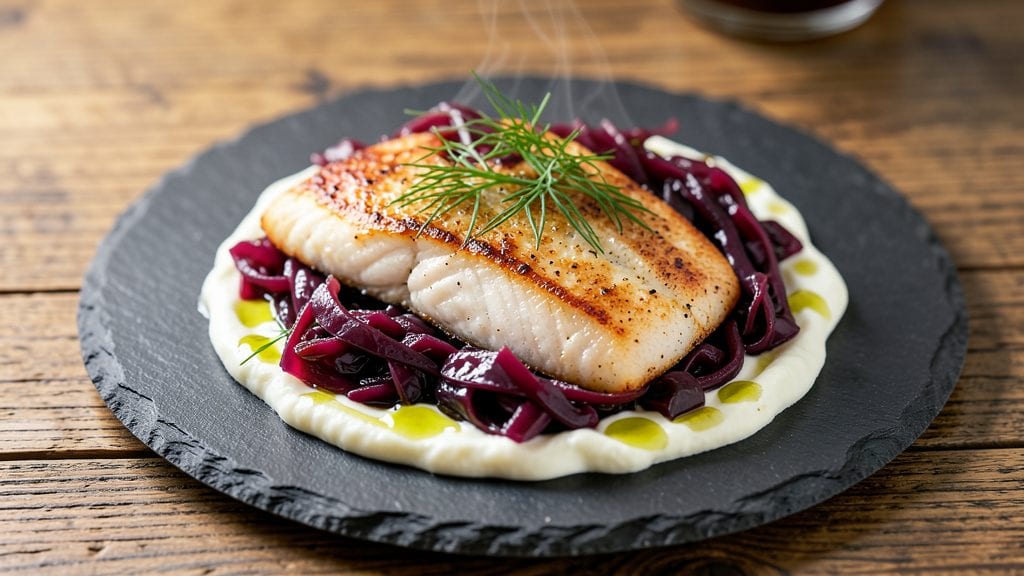
This Nordic-style sauerkraut fish recipe transforms simple ingredients into a dish that feels like a cozy meal from a Scandinavian countryside kitchen. The tangy crunch of sauerkraut pairs perfectly with tender fish, creating a balance of flavors that’s both comforting and sophisticated.
I developed this recipe after realizing how often sauerkraut gets overlooked as just a side—it deserves to be the star.
The beauty of this one-pan method lies in its simplicity: you’ll bake or pan-sear the fish until flaky, then fold in the sauerkraut and let it caramelize slightly for that signature Nordic tang.
The dish comes together in under 30 minutes, making it ideal for weeknight dinners or special occasions when you want something hearty yet effortless. No fancy techniques required—just precise timing and a few key ingredients.
What you’ll end up with is a plate of golden, perfectly cooked fish topped with sauerkraut that’s tender yet still holds its crunch. The acidity from the sauerkraut cuts through the richness of the fish, while the caramelized edges add depth.
Serve it with a dollop of crème fraîche or a sprinkle of fresh dill for extra brightness—this dish is restaurant-quality without the fuss.
Whether you’re feeding a family or treating yourself to a pescatarian meal, this recipe delivers. The combination of textures and flavors makes it unforgettable, and the one-pan approach means minimal cleanup. Let’s get cooking—your taste buds will thank you.
Ingredients for sauerkraut fish
Nordic-inspired ingredients that bring cozy Scandinavian flavors to your table with minimal effort.
| Ingredient | Amount | Notes |
|---|---|---|
| White Fish Fillets 🐟 | 1 ½ lb | Cod, haddock, or pollock preferred |
| Sauerkraut 🥬 | 2 cups | Unopened jar preferred for tang |
| Unsalted Butter 🧈 | 4 tbsp | Cold, cut into small pieces |
| Fresh Dill 🌿 | ¼ cup | Chopped, stems removed |
| Crème Fraîche 🥛 | ½ cup | Full-fat for best texture |
| Extra-Virgin Olive Oil 🫒 | 2 tbsp | For searing fish |
| Diamond Crystal Kosher Salt 🧂 | 1 ½ tsp | For seasoning fish |
| Freshly Ground Black Pepper 🌶️ | ½ tsp | Freshly cracked preferred |
| Lemon Zest 🍋 | 1 tbsp | From 1 medium lemon |
| Lemon Juice 🍋 | 1 tbsp | Freshly squeezed |
| Garlic Cloves 🧄 | 3 cloves | Minced for extra flavor |
| All-Purpose Flour 🌾 | 2 tbsp | For dredging fish |
| Heavy Cream 🥛 | ¼ cup | For optional sauce |
The fish is the backbone here—cod or haddock from the seafood counter (not the frozen section) gives the best texture. Look for fillets with firm, translucent flesh and minimal bruising. If you can’t find fresh, frozen fillets work too—just thaw overnight in the fridge. For the sauerkraut, unopened jars have the most vibrant flavor, but if you’ve got homemade, drain it well to avoid soggy fish. I always grab crème fraîche from the specialty cheese section—it’s worth the extra dollar for that silky texture.
No fresh dill? Dried dill at one-third the amount works, but fresh is ideal for that bright Nordic flavor. Running low on butter? Olive oil or avocado oil can sear the fish, though butter adds richness. The lemon zest and juice can be swapped for white wine vinegar if you’re out, but fresh citrus keeps the dish bright. For the flour, gluten-free all-purpose works if needed—just make sure it’s finely milled. The heavy cream is optional but adds a luxurious touch if you’re serving this as a special meal.
This dish reheats beautifully—cover with foil and warm in the oven for 5 minutes. The sauerkraut keeps for up to 2 weeks in the fridge once opened, so grab an extra jar. Store the cooked fish in an airtight container with a paper towel underneath to absorb moisture—lasts 3 days this way. For leftovers, the crème fraîche sauce can be reheated gently, but I usually serve it cold on the side for freshness.
Why You'll Love This Recipe
- One-Pan Magic: I swear by this—just toss fish, sauerkraut, and butter in one skillet. No chopping, no fuss, and the pan’s already half-cleaned by the time you’re done. That tangy kraut soaks up all the butter’s richness while the fish flakes apart with zero effort.
- Tangy-Creamy Magic: Between us, the combo of sauerkraut’s sharp bite and crème fraîche’s cool creaminess is chef’s kiss. The dill ties it all together—bright, herby, and impossible to resist. It’s like a lazy person’s version of fine dining.
- Weeknight Superhero: This feeds four for under $15, and leftovers? Even better. Reheat the fish and kraut mix, add a dollop of crème fraîche, and boom—next-day lunch solved. My college-student kid calls it “poor man’s fancy dinner,” but he’s wrong.
- Budget-Friendly Luxe: White fish is cheap, sauerkraut lasts forever, and butter makes everything taste expensive. I’ve served this at potlucks, date nights, and “I’m too tired to cook” Wednesdays. It’s the dish that makes you look like you tried harder than you actually did.
Step-by-step instructions for Nordic-style sauerkraut fish
This one-pan wonder delivers tender fish with crispy edges and a tangy, herby sauce—all in under 30 minutes.
Prepare the Fish for Maximum Crispiness
Pat the white fish fillets completely dry with paper towels—this is non-negotiable for crispy skin. Place them on a cutting board and season both sides generously with 1.5 teaspoons of diamond crystal kosher salt and 0.5 teaspoon of freshly ground black pepper. Let them sit for 5 minutes while you prep the rest.
While the fish seasons, dredge each fillet lightly in 2 tablespoons of all-purpose flour, shaking off any excess. This creates a delicate crust that seals in moisture while adding texture. Work quickly to avoid absorbing too much flour, which would make the fish dense rather than light.
Sear the Fish in Olive Oil
Heat 2 tablespoons of extra-virgin olive oil in a large oven-safe skillet over medium-high heat until shimmering. Add the floured fish fillets and cook for 3-4 minutes per side until golden brown and crispy. You'll know it's ready when the edges release easily from the pan and the fish flakes gently at the thickest part.
Remove the fish and set aside on a plate, tented loosely with foil to keep warm. Don't walk away—this is the moment that matters. If the oil smokes excessively, reduce the heat slightly to prevent burning the fish.
Build the Sauerkraut Base
In the same skillet (no need to clean it—those browned bits are flavor gold), add 2 tablespoons of unsalted butter and let it melt over medium heat. Stir in the 2 cups of sauerkraut, breaking up any large chunks with a wooden spoon. Cook for 5-6 minutes until the sauerkraut softens and the butter begins to brown slightly.
Add the 3 minced garlic cloves and cook for 30 seconds until fragrant. Here's the thing—don't let the garlic burn. It should smell sweet and pungent, not bitter. If it starts to darken too quickly, remove the pan from heat for 10 seconds to cool it down.
Finish with Cream and Herbs
Pour in the 0.25 cup of heavy cream and stir to combine with the sauerkraut. Let it simmer gently for 2-3 minutes until slightly thickened. Add the 0.5 cup of crème fraîche, 1 tablespoon of lemon zest, and 1 tablespoon of lemon juice, stirring until smooth and creamy.
Return the fish to the skillet, spooning the tangy sauce over the top. Sprinkle with the 0.25 cup of chopped fresh dill and let everything heat through for 1-2 minutes—just enough to warm the fish without overcooking it. The sauce should coat the fish beautifully, with a vibrant green fleck from the dill.
Serve Immediately with Crispy Edges
Transfer the fish and sauce to serving plates, ensuring each portion gets its fair share of that golden, tangy sauce. The fish should be tender with just a hint of resistance at the center, and the edges should remain crispy from the initial sear.
Garnish with an extra sprinkle of fresh dill and serve with crusty bread to soak up any remaining sauce. This dish is best enjoyed immediately while the fish is still warm and the sauce is silky. The combination of crispy fish, tangy sauerkraut, and creamy dill sauce makes every bite unforgettable.
Pro Tips For Making Sauerkraut Fish
- Drain & Rinse Kraut: Sauerkraut’s tang comes from lactic acid, but too much can overpower the fish. Rinse it under cold water for 30 seconds, then drain well—just enough to mellow the sharpness without losing texture. (Yes, even if the jar’s still half-full.)
- Pat Fish Dry: Wet fish fillets steam instead of sear. After rinsing, press them between paper towels for 2 full minutes—this guarantees a crispy crust when you cook them in butter. (Skip this, and you’ll get sad, soggy edges.)
- Cook Kraut First: Sauté the sauerkraut in butter for 5–7 minutes before adding fish—this renders fat and softens the texture so it doesn’t turn to mush when the fish steams. (I used to add them together, and the kraut always ended up watery.)
- Finish with Dill: Stir in fresh dill and crème fraîche in the last 30 seconds of cooking. The heat wilts the dill just enough to release flavor without turning it to sludge. (Add it earlier, and you’ll be scraping bits off the pan.)
Flavor customization for this recipe
Spicy Kick
For those who love heat, stir in 1 teaspoon of Penzeys hot honey or ½ teaspoon of smoked paprika with the sauerkraut. I’ve found that smoked paprika adds a subtle depth that pairs beautifully with the fish’s natural flavors.
If you’re feeling adventurous, add 1-2 thin slices of jalapeño to the pan when cooking the sauerkraut—they’ll soften just enough to release their heat without overpowering. 🌶️
Sweet and Tangy
Balance the acidity with a touch of sweetness by adding 1 tablespoon of apple cider vinegar to the sauerkraut while cooking. For extra sweetness, fold in 2 tablespoons of finely chopped apples (like Honeycrisp or Fuji) with the dill at the end.
The natural sugars caramelize slightly, creating a beautiful contrast to the tangy sauerkraut. This works especially well with cod, which has a milder flavor.
Smoky Depth
Swap the butter for 2 tablespoons of brown butter and add ½ teaspoon of liquid smoke when cooking the sauerkraut. The nutty, caramelized notes from the brown butter complement the smokiness perfectly.
I like to finish this version with a sprinkle of crumbled bacon on top—just 2 tablespoons—for an extra layer of richness. This variation feels like a hearty Nordic BBQ twist.
Herb-Forward
If you’re a fan of bold herbs, boost the fresh dill with 1 tablespoon each of chopped parsley and chives. For a more complex flavor, add ½ teaspoon of tarragon or thyme leaves when cooking the sauerkraut.
These herbs add an earthy note that pairs wonderfully with the fish’s delicate flavor. I’ve also had great success with a pinch of fennel pollen for a licorice-like finish—it’s subtle but adds a sophisticated touch.
Creamy Variations
For a richer sauce, replace the crème fraîche with ½ cup of sour cream or Greek yogurt for a lighter option. If you’re using sour cream, add 1 teaspoon of Dijon mustard to the sauce for a subtle tang.
For a vegan twist, swap the butter for vegan butter** and use ½ cup of coconut cream instead of crème fraîche. The coconut cream adds a slight sweetness that balances the sauerkraut’s acidity beautifully.
Citrus Brightness
Amplify the citrus notes by adding 1 tablespoon of orange zest along with the lemon zest. The bright, slightly floral notes of orange pair exceptionally well with the fish and sauerkraut. For an extra zing, squeeze in 1 tablespoon of fresh orange juice when finishing the sauce.
This variation feels especially refreshing and works well for a lighter lunch or as part of a spring menu.
Nutrition facts
Frequently asked questions
What's the best type of fish for this Nordic-style dish?
White fish with firm, mild flavors works best—think cod, haddock, or pollock. These varieties stay tender when cooked quickly and absorb the tangy sauerkraut beautifully. Avoid delicate fish like flounder, which can fall apart with the acidity.
Can I make this recipe ahead of time?
Yes, but with one key tip: Prepare the sauerkraut mixture separately and store it in an airtight container for up to 2 days. Cook the fish fresh and reheat it gently with the sauerkraut sauce for just 2-3 minutes to maintain crispiness. The sauce reheats well, but the fish is best served immediately after cooking.
Why does my sauerkraut taste too sharp?
Fresh sauerkraut from an unopened jar has the ideal tang. If yours tastes overly acidic, try adding a pinch of sugar (½ teaspoon) or a splash of heavy cream (1 tablespoon) to balance the flavors. Also, cooking the sauerkraut for 5-6 minutes helps mellow its sharpness while concentrating its flavor.
Is this dish suitable for a pescatarian diet?
This recipe contains no meat or dairy products (except optional crème fraîche, which can be omitted). The fish provides complete protein, while the sauerkraut adds probiotics and fiber. For a fully plant-based version, swap the butter for olive oil and use coconut cream instead of crème fraîche.
How do I prevent the fish from sticking to the pan?
Pat the fish fillets completely dry before seasoning—this is the secret to crispy skin. Use a well-seasoned or nonstick skillet, and heat the oil until it's shimmering (not smoking) before adding the fish. A light dusting of flour before searing creates a natural barrier that prevents sticking.