
Main Courses
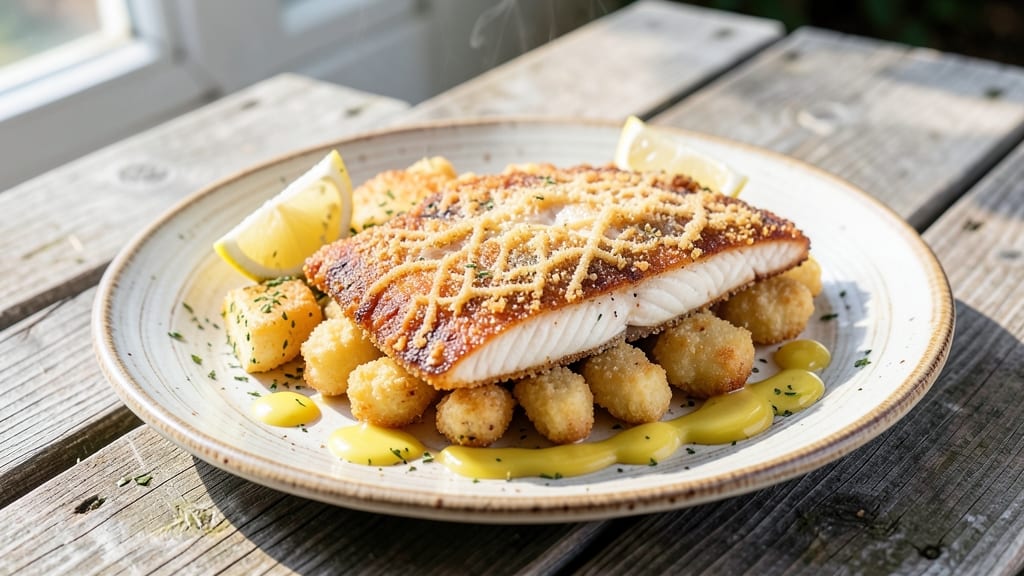
This shore lunch fish fry recipe delivers the perfect balance of crispy cornmeal crust and zesty tartar sauce—a dish that captures the essence of coastal dining. The secret lies in a double-dredge technique that creates an irresistible crunch while keeping the fish tender inside.
I developed this recipe after years of perfecting the art of frying, ensuring every bite delivers that satisfying crunch and tangy contrast.
The beauty of this dish is its simplicity—just a few key ingredients transform ordinary fish fillets into a restaurant-quality meal. A crispy cornmeal crust forms the perfect textural base, while the homemade tartar sauce adds a bright, zesty kick that cuts through the richness.
The recipe works equally well with cod, haddock, or catfish, making it versatile for any seafood lover.
What you’ll achieve is golden, crispy fillets that stay tender inside, paired with a sauce so tangy and flavorful it’ll become your new favorite. The combination of the crunchy crust and zesty tartar creates a harmony of textures and flavors that’s pure comfort food at its best.
Serve with classic sides like coleslaw or hushpuppies for the full shore lunch experience.
Whether you're cooking for a family gathering or a casual weekend lunch, this recipe delivers foolproof results every time. The method is straightforward, but the flavor is anything but ordinary—this is the kind of dish that brings the taste of the coast to your table. Let’s get started!
Ingredients for shore lunch fish fry
Just 13 ingredients transform simple fish into crispy, golden shore lunch perfection.
| Ingredient | Amount | Notes |
|---|---|---|
| White Fish Fillets 🐟 | 1 ½ lb | Cod, haddock or catfish preferred |
| All-Purpose Flour 🌾 | 1 cup | For first dredge coating |
| Fine Cornmeal 🌽 | 1 cup | Yellow or white preferred |
| Large Eggs 🥚 | 2 whole | Room temperature for best coating |
| Vegetable Oil 🫒 | 4 cups | High smoke point for frying |
| Salt 🧂 | 1 ½ tsp | Kosher or sea salt |
| Ground Black Pepper 🌶️ | ½ tsp | Freshly ground preferred |
| Lemon Juice 🍋 | 2 tbsp | Freshly squeezed |
| Mayonnaise 🥫 | ½ cup | High quality preferred |
| Capers 🍈 | 1 tbsp | Chopped for tartar sauce |
| Fresh Dill 🌿 | 2 tbsp | Chopped, for tartar sauce |
| Fresh Chives 🌱 | 1 tbsp | Chopped, for tartar sauce |
| Paprika 🌶️ | ½ tsp | Smoked for garnish |
The fish makes all the difference—cod or haddock are your best bets for that classic shore lunch texture, but catfish works too. Grab the freshest fillets you can find, preferably from the seafood counter at Whole Foods or your local fish market. Look for fillets that are bright white and firm to the touch. If using frozen, thaw overnight in the fridge—never at room temperature. The cornmeal? Bob's Red Mill is my go-to for that perfect fine grind that sticks to the fish without being too heavy. For the tartar sauce, Hellmann's or Duke's mayo gives the best texture, but any good-quality mayo will work. The capers? Imported Italian from the jarred section have the best flavor punch.
No fresh dill? Dried dill at one-third the amount works in a pinch, but fresh is definitely better. Running low on capers? Pickle juice plus a pinch of salt mimics the tang. The cornmeal crust needs to be double-dredged—flour first, then cornmeal—for that signature crunch. For the frying oil, vegetable or peanut oil works best, but avoid olive oil—it burns too easily. The fish should be patted dry before coating, or it won't crisp up right. And trust me on the room-temperature eggs—they coat way better than cold ones. If you're feeling fancy, add a pinch of Old Bay seasoning to the cornmeal mix for extra coastal flavor.
This sauce keeps for 5 days in the fridge, but the fish? Fry fresh—leftovers lose that perfect crunch. Store any uneaten fish in an airtight container with a paper towel on top to absorb moisture. The cornmeal crust reheats poorly, so this is best enjoyed fresh. For the tartar sauce, I like to portion it into small containers so it's ready to go with each meal. The fried fish stays crispy for about 20 minutes after frying, so serve it immediately with your tartar sauce and sides. Leftovers? Freeze for up to 1 month, but they won't be as crispy when reheated.
Why You'll Love This Recipe
- No-Fuss Setup: I swear, this takes less time than deciding what to watch on TV. Just pat the fillets dry, toss them in flour and cornmeal—no measuring cups, no fuss—and you’re golden. The eggs? One bowl, one quick dip. That’s it.
- Crispy-Creamy Magic: The cornmeal crust gives it that perfect crunch, while the flour keeps it tender inside. Honestly, it’s the kind of bite that makes you reach for seconds without even thinking. (Yes, I’ve done it.)
- Tailgate to Tuesday: Between us, this is my go-to for game days, beach picnics, or when I’m too tired to cook. The oil stays hot fast, the fish fries up in batches, and it feeds a crowd without breaking the bank. My college roommate still asks for it every time she visits.
- Budget-Friendly Leftovers: A pound of white fish stretches farther than you’d think, and the leftovers reheat like a dream—crispy again if you pop them in the air fryer. I’ll be real: I’ve had this for lunch three days in a row, and it never gets old.
Step-by-step instructions for shore lunch fish fry recipe
Here's how to create golden, crispy fish fillets with a perfect cornmeal crust and tangy tartar sauce.
Prepare the Fish and Coating Stations
Pat the 1.5 lb white fish fillets completely dry with paper towels. This is absolutely critical for achieving that crispy crust—any moisture will prevent proper browning. Place the dried fillets on a clean plate and set aside.
In a shallow dish, combine the 1 cup all-purpose flour with the 1.5 tsp salt and 0.5 tsp ground black pepper. Mix well to distribute the seasoning evenly. In another shallow dish, pour the 1 cup fine cornmeal. You'll use these two stations for the double-dredging process that creates that signature crunch.
Create the Perfect Double-Dredge Coating
Crack the 2 whole large eggs into a third shallow dish and whisk them lightly with a fork until just combined. You want them slightly beaten but not frothy—this ensures a smooth coating without excess egg pooling.
Working with one fillet at a time, press it gently into the flour mixture, coating both sides evenly. Tap off any excess, then dip into the egg wash, allowing any excess to drip off. Finally, press the fillet into the cornmeal, coating it completely. Place on a wire rack set over a baking sheet. Repeat with all fillets, working quickly to maintain the coating's integrity.
Fry to Golden Perfection
Pour the 4 cups vegetable oil into a deep skillet or Dutch oven and heat over medium heat until it reaches 350°F on a deep-fry thermometer. This is the perfect temperature for achieving crispy exteriors without overcooking the delicate fish inside.
Carefully add the coated fillets to the hot oil, working in batches if needed to avoid overcrowding. Fry for 3-4 minutes per side until they turn a beautiful golden brown color. The cornmeal crust should be crisp and the fish should flake easily when tested with a fork. Remove with a slotted spoon and drain on paper towels to remove excess oil.
Make the Zesty Tartar Sauce
In a small bowl, combine the 0.5 cup mayonnaise, 2 tbsp lemon juice, 1 tbsp chopped capers, 2 tbsp chopped fresh dill, and 1 tbsp chopped fresh chives. Mix gently until just combined—overmixing can make the sauce too thick. Taste and adjust seasoning if needed, adding a pinch more salt or pepper if desired.
Sprinkle the sauce with the 0.5 tsp smoked paprika and mix again. This sauce should be bright, tangy, and perfectly balanced between creamy and briny. The paprika adds just the right amount of smoky warmth to complement the crispy fish.
Assemble and Serve Immediately
Arrange the crispy fish fillets on a serving platter and immediately drizzle with the prepared tartar sauce. The contrast of the warm, crispy fish with the cool, tangy sauce is what makes this dish truly special.
Serve with lemon wedges on the side so everyone can squeeze a little extra brightness onto their plates. The fish should be served immediately while the crust is still perfectly crisp—this is a dish that's best enjoyed right out of the fryer!
Pro Tips For Making Shore Lunch Fish Fry
- PAT THE FILLETS DRY: I learned this the hard way—wet fish fillets won’t crisp, no matter how much flour you dredge. Grab paper towels and press hard on both sides for 30 seconds. The extra effort guarantees that cornmeal crust sticks like it’s supposed to.
- USE COLD OIL: Start with oil at room temp, not smoking hot. Pour it into a heavy pan and let it warm gradually—this prevents the crust from flying off while the fish cooks through. (Yes, even if you’re impatient like me.)
- SKIP THE DOUBLE-DREDGE: The classic Southern move is one flour dip, egg wash, then just cornmeal—no second flour pass. That extra layer makes the crust gummy. Trust me, the single cornmeal coat gives you the perfect crunch.
- TEST THE OIL TEMP: Drop a pinch of flour into the oil—if it sizzles and floats immediately, it’s ready. If it browns too fast, the fish will burn before it cooks through. (And nobody wants rubbery fish.) Aim for a steady simmer, not a frenzy.
Pro cooking tips for perfect results
Oil Temperature Control
The single most important factor for perfect fish frying is maintaining 350°F oil temperature—any lower and the crust won't crisp, any higher and the fish will cook unevenly. I use a ThermoWorks Deep Fry Thermometer because it gives me instant, accurate readings.
If your oil isn't hot enough, the cornmeal will absorb oil instead of crisping. For best results, keep the oil between 345-355°F throughout frying. 🌡️
Double-Dredge Technique
This is where the magic happens—the double-dredge (flour, egg, cornmeal) creates that signature crunch. The key is working quickly: coat each fillet, place on the rack, and move to the next one immediately. If you linger, the coating gets soggy.
For extra adhesion, I like to dip the cornmeal-coated fish into the egg wash again before the final cornmeal press. This creates a thicker, more stable crust.
Frying in Batches
Never overcrowd your fryer—this drops the oil temperature and steams the fish instead of frying it. I fry 2 fillets at a time in a 10-inch cast iron skillet filled with 4 cups oil.
If you're cooking more than 4 servings, work in batches and maintain oil temperature between batches. A Lodge cast iron skillet is my go-to because it heats evenly and retains heat perfectly.
Draining Properly
After frying, transfer fish to a wire rack over a baking sheet lined with paper towels. This prevents soggy bottoms from sitting in oil residue.
I like to sprinkle a pinch of smoked paprika on the hot fish right after frying—it adds color and a subtle smoky note while the crust is still crisp. Let rest for 1-2 minutes before serving to redistribute juices.
Sauce Timing Matters
The tartar sauce should be room temperature when served to avoid cooling the fish too quickly. I make it 10 minutes before frying so it has time to meld while the fish cooks.
For extra brightness, I add 1 tsp lemon zest to the sauce just before serving. The contrast of warm, crispy fish with cool, tangy sauce is what makes this dish unforgettable. 💫
Equipment Upgrades
For serious fish frying, invest in these game-changers: a deep-fry thermometer (non-negotiable), tongs for flipping (they hold better than forks), and a wire cooling rack (essential for crispy results). I also keep a small handheld fan nearby to cool down hot oil quickly between batches.
These tools might seem optional, but they make all the difference in professional-quality results at home.
Nutrition facts
Frequently asked questions
What's the best fish for this shore-style recipe?
Cod, haddock, and catfish work best for their mild flavor and firm texture. Cod and haddock deliver that classic coastal taste, while catfish adds a slightly sweeter note. Avoid delicate fish like flounder—they can fall apart during frying.
Can I make this recipe without deep-frying?
For a lighter version, use air-frying at 375°F for 8-10 minutes, flipping halfway. Or pan-fry in 1/4-inch oil over medium-high heat for 3-4 minutes per side. The crust will be slightly less crispy but still delicious.
How do I keep the crust from falling off?
Work quickly when coating—don't let fillets sit between stations. Pat fish bone-dry first, and use room-temperature eggs for better adhesion. For extra security, dip cornmeal-coated fish back into egg wash before final coating.
What sides pair best with this dish?
Classic choices include creamy coleslaw, buttery hushpuppies, or a simple lemon-dill potato salad. For a lighter option, try a fresh green salad with a tangy vinaigrette. The crispy crust stands up well to both rich and bright accompaniments.
Can I make this gluten-free?
Yes! Replace the flour with 1 cup gluten-free all-purpose flour and use a cornstarch or almond flour mix for the cornmeal coating. The texture will be slightly different but still delicious—just monitor frying time closely as gluten-free coatings crisp faster.