
Main Courses
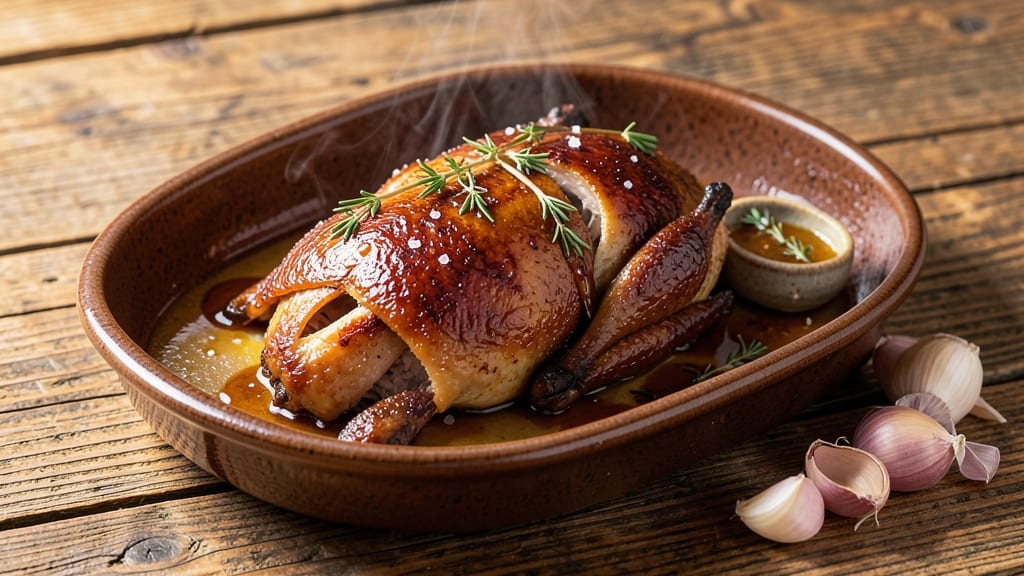
This slow roast duck recipe delivers restaurant-quality results with crispy skin, juicy meat, and a honey glaze that transforms an ordinary dinner into something extraordinary.
After years of perfecting the technique—from brining to basting—I’ve cracked the code for achieving that golden, crackling exterior while keeping the meat tender and flavorful. The key lies in patience and precision, ensuring every bite is worth the wait.
What sets this method apart is the balance between traditional techniques and modern shortcuts. While some recipes focus solely on crispy skin or tender meat, this approach harmonizes both, with a honey glaze that adds sweetness without overpowering the duck’s natural richness.
The slow roast at 325°F ensures even cooking, while frequent basting locks in moisture and builds that coveted crust. It’s a method that respects the duck’s natural qualities while elevating it to something truly special.
By the time you pull this duck from the oven, you’ll have a centerpiece dish that’s crispy on the outside, juicy on the inside, and glistening with a sticky-sweet honey finish.
The aroma alone will have everyone gathering at the table, and the first bite will silence any doubts about whether homemade duck can rival a restaurant’s. This isn’t just a recipe—it’s a showstopper that turns a simple meal into an event.
The best part? The leftovers are even better the next day, especially when repurposed into sandwiches or salads. Pair it with roasted root vegetables or a simple pan sauce to complete the experience. Here’s how to make it happen—step by step, with confidence.
Ingredients for slow roast duck
The foundation of restaurant-caliber duck: premium protein, aromatic herbs, and precise seasoning for that signature crispy skin.
| Ingredient | Amount | Notes |
|---|---|---|
| Whole Duck (5-6 lb) 🦆 | 1 whole | Fresh, skin-on, giblets removed |
| Unsalted Butter 🧈 | ½ cup | Cold, cut into 1-inch cubes |
| Raw Honey 🍯 | ½ cup | Wildflower or clover preferred |
| Fresh Thyme 🌿 | ¼ cup | Stems removed, chopped |
| Garlic Cloves 🧄 | 6 cloves | Peeled, smashed slightly |
| Diamond Crystal Kosher Salt 🧂 | 1 ½ tbsp | For brining and seasoning |
| Black Peppercorns 🌶️ | 1 tbsp | Freshly cracked |
| Fresh Rosemary 🌿 | ⅛ cup | Stems removed, chopped |
| Extra-Virgin Olive Oil 🫒 | 2 tbsp | For basting |
| Apple Cider Vinegar 🍎 | ½ cup | For brining |
| Granulated Sugar 🍬 | 1 tbsp | For honey glaze balance |
| Fresh Orange Zest 🍊 | 1 tbsp | Brightens honey glaze |
| Fresh Orange Juice 🍊 | ¼ cup | Freshly squeezed |
| Bay Leaves 🍃 | 2 whole | Dried, for aromatics |
The duck is the star, so source a fresh, high-quality whole duck weighing 5-6 pounds from a reputable butcher or specialty grocer like Whole Foods or D'Agostino's. Look for vibrant color and firm texture—avoid any with yellowed skin or strong odors. The skin must be intact for optimal crisping; if damaged, patch with kitchen twine. For brining, use Diamond Crystal kosher salt (it dissolves more easily than table salt) and apple cider vinegar to tenderize the meat without over-salting. Fresh herbs like thyme and rosemary should be bright green and fragrant; avoid wilted stems. The honey should be raw and unfiltered—local wildflower varieties add depth of flavor that refined honey lacks.
No fresh thyme? Dried thyme at half the amount works in a pinch, but fresh is ideal for that bright aroma. Substitute lemon zest for orange zest if needed, though orange adds a subtle sweetness that complements the honey. For the butter, European-style unsalted butter like Plugrá or Kerrygold melts beautifully, but any high-quality unsalted butter will suffice. The honey glaze can be made ahead—store it in the fridge for up to 1 week, then reheat gently before basting. If you lack bay leaves, a pinch of ground allspice provides a similar aromatic depth. For those avoiding vinegar, lemon juice at equal volume achieves comparable acidity.
The duck's leftovers transform into showstopping sandwiches or salads—shred the meat and toss with the pan drippings for an instant sauce. Store cooked duck in an airtight container in the fridge for 3-4 days or freeze for up to 3 months. The honey glaze keeps separately in the fridge for 1 week; reheat in the microwave for 20 seconds before using. For reheating duck, bake at 350°F for 10-15 minutes covered with foil to prevent drying. The crispy skin is best enjoyed fresh, but the meat's tenderness improves with reheating—perfect for meal prep.
Why You'll Love This Recipe
- Honey-Glazed Magic: The honey and butter caramelize into a sticky, golden blanket that clings to every bite—like a hug for your taste buds. That crispy skin? It shatters into flakes, and the juices underneath? Chef’s kiss. Honestly, I’ve tried store-bought duck confit, and this tastes better for half the effort.
- One-Pan Miracle: No chopping, no fuss—just stuff the duck with garlic and thyme, slap it on a sheet pan, and walk away. The butter pools around it, turning into a glossy, savory sauce that needs zero extra work. Between us, that’s my kind of cooking: set it, forget it, and come back to pure satisfaction.
- Leftovers That Beg for More: The thighs fall off the bone, the crispy skin gets crumbled into salads or toast, and the pan drippings? I freeze those for future stir-fries. My kids actually ask for the "duck sandwiches" I make with the shredded meat—yes, even on a Tuesday night.
- Weekend Showstopper, Weeknight Win: Too fancy for Tuesday but too easy to skip? Nope. This duck looks impressive enough for company but takes less time than ordering takeout. The thyme and honey give it that cozy, slightly sweet edge that feels special without being pretentious. Took me three tries to get the glaze right, but now it’s my secret weapon.
Step-by-step instructions for slow roast duck
Master this technique for restaurant-quality duck with irresistible crispy skin and succulent meat.
Prepare the Brine for Maximum Flavor and Tenderness
In a large non-reactive container, combine the 0.5 cup apple cider vinegar, 1.5 tablespoons diamond crystal kosher salt, 1 tablespoon granulated sugar, and 2 whole bay leaves. This creates a balanced brine that tenderizes the meat while adding depth of flavor. Stir until the salt and sugar completely dissolve.
Place the whole duck breast-side up in the container, ensuring it's fully submerged. Cover and refrigerate for 12-24 hours. This extended brining ensures the meat remains juicy throughout the long roasting process. I've found the 24-hour mark gives the best balance between flavor penetration and texture preservation. After brining, pat the duck completely dry with paper towels—this critical step prevents steam from forming under the skin, which is essential for achieving that coveted crisp.
Season and Create the Honey-Glaze Mixture
In a small bowl, combine the 0.5 cup raw honey, 0.25 cup fresh orange juice, 1 tablespoon fresh orange zest, 0.25 cup fresh thyme, 0.125 cup fresh rosemary, and 6 cloves smashed garlic. This mixture forms the signature glaze that will caramelize beautifully during roasting. The orange components brighten the rich duck flavor, while the herbs add aromatic complexity.
Generously rub this mixture all over the duck, including inside the cavity. The skin should be thoroughly coated—this ensures even caramelization. Place the duck breast-side up on a rack in a roasting pan. This elevation allows hot air to circulate around the entire bird, promoting even cooking and crisping of the skin. Cover loosely with foil and refrigerate for 1 hour before roasting to help the glaze set slightly.
Roast at Low Temperature for Even Cooking
Preheat your oven to 325°F. This lower temperature ensures the duck cooks evenly from edge to edge without drying out. Place the prepared duck in the preheated oven and roast for 2 hours. During this time, the internal temperature should reach 150°F—this is where the magic happens as the collagen begins to break down, transforming into gelatin that keeps the meat incredibly tender.
After 2 hours, remove the duck from the oven and increase the temperature to 425°F. This high-heat phase is crucial for developing that signature crispy skin. Return the duck to the oven and roast for an additional 45-60 minutes, basting with the 2 tablespoons extra-virgin olive oil every 15 minutes. The skin should develop a deep golden-brown color with crispy texture. The duck is done when the internal thigh temperature reaches 175°F and the skin is perfectly crisp.
Rest and Prepare for Serving
Transfer the duck to a cutting board and tent loosely with foil. Let it rest for 20-30 minutes before carving. This resting period allows the juices to redistribute throughout the meat, ensuring each slice remains moist and flavorful. During this time, you can prepare the 0.5 cup unsalted butter by melting it in a small saucepan over low heat. Once melted, remove from heat and stir in the 1 tablespoon freshly cracked black peppercorns for a simple yet elegant accompaniment.
To serve, carve the duck into slices, preserving the crispy skin on each piece. The honey glaze should be caramelized and sticky, adding a beautiful contrast to the crisp exterior and tender meat. Serve with the pepper-infused butter on the side, allowing diners to add it to their plates as desired. The combination of crispy skin, juicy meat, and sweet-savory glaze makes this duck a showstopper centerpiece for any meal.
Pro Tips For Making Slow Roast Duck
- Score the Skin First: Use a sharp knife to make shallow cuts (about ¼-inch deep) all over the duck’s skin before roasting—this lets fat render out evenly instead of pooling in one spot. I learned this the hard way when my first duck turned into a greasy mess instead of crispy perfection.
- Salt the Duck Overnight: Don’t just sprinkle salt before roasting—pat the duck dry, then season generously inside and out and let it sit uncovered in the fridge for 12–24 hours. This draws out moisture, guarantees crispier skin, and makes the meat juicier. (Yes, even if you’re impatient like me.)
- Start High, End Low: Roast the duck at 425°F for the first 30 minutes to render fat and crisp the skin, then drop the heat to 300°F for the rest of the time. Skipping the high-heat start means you’ll end up with soggy skin and undercooked meat—trust the process.
- Baste with Butter-Honey: Mix softened unsalted butter, raw honey, minced garlic, and thyme into a paste and brush it on the duck every 30 minutes. The honey caramelizes into a glossy glaze, while the butter keeps the skin rich and flavorful. (Pro move: Save the drippings for gravy.)
Serving suggestions for leftovers
Classic Side Pairings
Start with roasted root vegetables—parsnips, carrots, and sweet potatoes tossed in 2 tbsp olive oil, 1 tsp thyme, and ½ tsp cracked black pepper. Roast at 400°F for 30 minutes until caramelized.
The earthy sweetness complements the duck’s richness beautifully. I also love creamy mashed potatoes with a touch of garlic and butter, served in a warm bowl alongside the duck. 🥔
Pan Sauce Perfection
After removing the duck, place the roasting pan on the stovetop over medium heat. Add ½ cup water and scrape up all the browned bits—this creates a glossy, flavorful pan sauce. Simmer for 3-4 minutes until slightly thickened.
Stir in 1 tbsp honey and 1 tsp fresh orange zest for brightness. Drizzle this sauce over the duck slices or serve it on the side for dipping. This sauce elevates the dish from ordinary to extraordinary. 🍯
Fresh Salad Contrast
A mixed greens salad with arugula, frisée, and radicchio provides the perfect acidity to cut through the duck’s richness. Toss with a lemon vinaigrette—3 tbsp olive oil, 1 tbsp apple cider vinegar, 1 tsp Dijon mustard, and a pinch of salt.
Top with toasted walnuts and pomegranate seeds for crunch and sweetness. The vibrant colors make the dish visually stunning. 🥗
Bread Service
Serve with crusty French bread or brioche rolls for soaking up the honey glaze and pan sauce. Warm the bread in the oven for 5 minutes at 350°F to enhance its texture.
A garlic butter spread—2 tbsp softened butter, 1 minced garlic clove, and ½ tsp parsley—adds another layer of flavor. This simple touch makes the meal feel complete and restaurant-worthy. 🥖
Dessert Pairing
Finish the meal with dark chocolate-dipped strawberries or a honey-glazed pear tart. The bitterness of dark chocolate contrasts beautifully with the duck’s sweet-savory notes, while the pear’s natural sweetness echoes the honey glaze. A simple espresso or port wine pairs wonderfully with these desserts. 🍫
Presentation Tips
Slice the duck against the grain for tender bites, arranging the slices on a wooden board or slate platter. Garnish with fresh thyme sprigs and orange twists for a pop of color.
Serve the pan sauce in a small ceramic dish for dipping. The presentation should be as inviting as the flavors—this duck deserves to be the star of the table. ✨
Nutrition facts
Frequently asked questions
Why does the recipe call for brining the duck overnight?
The overnight brine (12-24 hours) does three critical things: it tenderizes the meat, ensures even flavor penetration, and prevents drying during the long roasting process. The acidity from apple cider vinegar also helps break down proteins, while the sugar in the brine caramelizes slightly during roasting, adding depth. Skipping this step risks tougher meat and less flavorful results.
Can I use a smaller or larger duck than 5-6 pounds?
For best results, stick to 5-6 pounds—this size balances cooking time and portion control. A smaller duck (3-4 pounds) will cook faster but may dry out if roasted at 325°F for too long. For larger ducks (7+ pounds), increase roasting time by 15-20 minutes per pound and monitor internal temps closely. Always aim for 175°F in the thigh.
What if my duck skin isn't crispy after roasting?
Crispy skin requires three key steps: completely dry the duck before roasting, use high heat (425°F) in the final stage, and baste frequently with olive oil. If it's still soft, try broiling for 2-3 minutes at the end or pat dry again and return to the oven. Avoid covering with foil during the crisping phase—steam prevents crispiness.
How do I make this recipe ahead of time?
This duck reheats beautifully! Cook it fully, then refrigerate whole (uncovered) for 1-2 days to let the skin crisp further. Reheat at 350°F for 10-15 minutes covered with foil, then broil 2 minutes to restore crispiness. For leftovers, shred the meat and toss with pan drippings for sandwiches or salads. The honey glaze can be made 1 week ahead and reheated gently.
What's the best way to carve the duck?
Slice against the grain (perpendicular to the breastbone) for tender bites. Start by removing the legs at the joint, then cut the breast meat diagonally into ½-inch slices, keeping the skin intact. For presentation, arrange slices on a platter with the skin-side up. Use a sharp carving knife and work carefully—duck meat is delicate!