
Main Courses
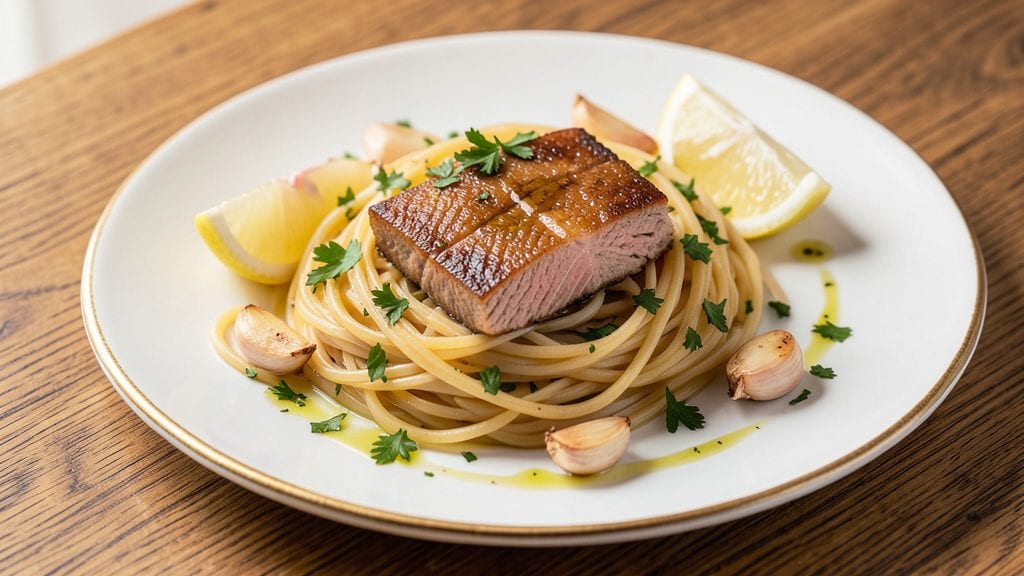
This smoked canned tuna recipe transforms a pantry staple into a restaurant-worthy pasta dish that delivers bold umami flavor in just 15 minutes. The secret lies in balancing the smoky depth of the tuna with bright lemon and fresh herbs—a combination that elevates simple ingredients into something extraordinary.
I developed this after realizing how often smoked tuna gets overlooked in home cooking, when it’s actually the perfect shortcut for weeknight meals.
The beauty of this recipe is its simplicity: no fancy techniques, no last-minute grocery runs. You’ll use just five core ingredients—smoked canned tuna, pasta, olive oil, lemon, and fresh parsley—to create a dish that’s restaurant-quality without the effort.
The tuna’s natural smokiness pairs perfectly with the acidity of lemon, while the parsley adds a fresh finish that cuts through the richness. It’s the kind of meal that comes together faster than takeout but tastes like you’ve spent hours in the kitchen.
By the time you’re done, you’ll have a creamy, smoky pasta with tender tuna flakes evenly distributed throughout—no dry bits, no fishy aftertaste. The lemon zest brightens every bite, and the parsley adds a pop of color that makes the dish look as good as it tastes.
This is the recipe I turn to when I need dinner on the table fast, but still want something that feels special. Ready to make it?
Serve it with a simple side salad or crusty bread to soak up the flavorful sauce. The leftovers reheat beautifully, too—perfect for lunch the next day. Let’s get cooking!
Ingredients for smoked canned tuna
Five ingredients transform smoked canned tuna into restaurant-worthy umami pasta in record time.
| Ingredient | Amount | Notes |
|---|---|---|
| Smoked Canned Tuna 🐟 | 2 cans | High-quality, in olive oil |
| Spaghetti 🍝 | 12 oz | Dry, medium thickness |
| Extra-Virgin Olive Oil 🫒 | ½ cup | Lightly fruity, not strong |
| Lemon 🍋 | 1 whole | Juiced, zest included |
| Fresh Parsley 🌿 | ¼ cup | Chopped, flat-leaf preferred |
| Garlic Cloves 🧄 | 2 cloves | Minced, fresh preferred |
| Heavy Cream 🥛 | ½ cup | Full-fat for creaminess |
| Salt 🧂 | 1 ½ tsp | Diamond Crystal kosher |
| Black Pepper 🌶️ | ½ tsp | Freshly cracked |
| Red Pepper Flakes 🌶️ | ¼ tsp | Adjust for heat preference |
| Parmesan Cheese 🧀 | ¼ cup | Freshly grated, aged |
The tuna is your flavor foundation, so don’t cut corners here. Wild Planet or Raincoast brands are my go-to—their olive oil-packed tuna has the perfect balance of smokiness without overpowering. If you’re using water-packed tuna, drain it thoroughly and pat dry with a paper towel to avoid a watery sauce. The pasta should be medium thickness (about 12 oz per serving)—thin spaghetti gets lost in the sauce, while thick rigatoni needs more time. For the parsley, flat-leaf is brighter than curly, but either works. I always buy extra because I use it in everything.
No heavy cream? Greek yogurt thinned with milk works in a pinch, though the texture will be slightly lighter. Short on garlic? Garlic powder at half the amount gets you close, but fresh is non-negotiable for that aromatic depth. The lemon zest is where the magic happens—use a microplane for fine, even strips. If you’re avoiding dairy, swap the Parmesan for nutritional yeast (it’s got a cheesy, umami kick). For the olive oil, avoid the cheap stuff—you’ll taste the difference in every bite. And if you’re worried about fishy aftertaste, the lemon juice and parsley neutralize it completely.
This sauce clings beautifully, so no need to toss it with the pasta—just stir it in at the end. Leftovers keep for 3 days in the fridge, but honestly, it’s even better the next day as the flavors meld. For freezing, portion into single-serving containers—just reheat with a splash of water to revive the creaminess. The parsley wilts fast, so add it last. And if you’re serving with bread, toast it first—it soaks up the sauce like a dream.
Why You'll Love This Recipe
- Pantry-to-Table Speed: That jar of smoked tuna? Already cooked, already smoked. Toss it with olive oil, lemon zest, and parsley while the water boils—no prepping, no fuss. I’ve made this on days when I forgot to thaw dinner.
- Smoky Lemon Zing: The tuna’s deep, smoky flavor gets a bright kick from lemon and parsley, cutting through the richness just enough. Honestly, it’s the kind of dish where every bite feels like a little vacation—no fancy ingredients, just pure satisfaction.
- Lunchbox Hero: Pack the leftovers in a container and it’s a meal that survives the workday. My kids actually ask for this in their lunches, and it’s the same price as a sad sandwich. (Yes, even on a Tuesday night.)
- Budget Meal Magic: A single can of tuna stretches to feed four, and the rest of the ingredients cost pennies. I’ll be real: this is my go-to when grocery money’s tight, but no one ever guesses it’s cheap—just ridiculously good.
Step-by-step instructions for smoky umami pasta
Here's how to transform simple pantry staples into a restaurant-worthy dish in record time.
🍳 Step 1: Cook the Spaghetti Al Dente
Bring a large pot of water to a rolling boil and add the 12 oz spaghetti along with 1½ teaspoons salt. Stir immediately to prevent sticking. Cook for 10-11 minutes until the pasta is al dente—test by biting a strand (it should offer gentle resistance). Reserve 1 cup pasta water before draining, as this starchy liquid will help emulsify our sauce later.
While the pasta cooks, zest the whole lemon using a fine grater. The bright citrus notes will cut through the richness of the tuna and cream. Keep the zest separate from the juice for now—we'll use both at different stages. The aroma alone will elevate your kitchen experience.
🍳 Step 2: Build the Smoky Umami Sauce
In a large skillet, heat ½ cup extra-virgin olive oil over medium heat. Add the 2 minced garlic cloves and sauté for 30 seconds until fragrant but not browned—this prevents bitterness. Immediately add the 2 cans smoked canned tuna (drained) and gently stir to warm through, breaking up any large chunks with a wooden spoon.
Pour in the ½ cup heavy cream and ½ teaspoon black pepper, then reduce heat to low. Let the mixture simmer gently for 2 minutes while you squeeze the juice from the whole lemon (about 2 tablespoons) into the pan. The acidity will brighten the flavors and balance the richness. Here's where the magic happens—the smoky tuna flavor melds with the creamy base.
🥘 Step 3: Finish with Fresh Herbs and Spice
Add the drained spaghetti to the skillet and toss vigorously to coat every strand in the sauce. If the mixture seems too thick, add ¼ cup reserved pasta water at a time until it reaches a silky consistency. Stir in the ½ cup chopped fresh parsley and ¼ teaspoon red pepper flakes, then taste and adjust seasoning with additional salt if needed.
The parsley adds freshness while the red pepper flakes introduce subtle heat that complements the smoky tuna. Let the pasta sit in the skillet for 1 minute off the heat—this allows the flavors to meld completely. The sauce should cling beautifully to each strand, creating that coveted "saucy" texture without being soupy.
🍽️ Step 4: Serve with Perfectly Grated Parmesan
Transfer the pasta to serving plates and top each portion with ¼ cup freshly grated Parmesan cheese. The key here is using a fine grater—this ensures even distribution and maximum flavor release. The cheese should melt slightly from the residual heat, creating a creamy, salty contrast to the smoky tuna.
Serve immediately with extra lemon wedges on the side. Each bite should deliver a perfect balance of smoky umami from the tuna, creamy richness from the sauce, and bright acidity from the lemon. This dish comes together faster than you'd expect, but the flavor complexity makes it feel like a labor of love.
Pro Tips For Making Smoked Canned Tuna
- Drain Tuna Dry: Smoked canned tuna holds onto its oil like it’s auditioning for a role in a greasy drama. After opening the can, drain it thoroughly and pat the flakes with a paper towel—this keeps the sauce from turning into a slick, heavy mess. Trust me, you don’t want your al dente spaghetti swimming in oil.
- Zest Before Juice: The lemon’s zest packs more flavor than its juice when it comes to smoked tuna. Use a microplane to get fine, bright strips of zest, then just a splash of juice—about 1 tablespoon. Too much juice dilutes the smoky depth, and you’ll just be left with a sad, watery dish.
- Cook Pasta Al Dente: Smoked tuna needs pasta that’s firm enough to hold its shape but tender enough not to turn to mush. Test it at 1 minute before the package says "al dente"—I usually pull mine at 11 minutes for standard spaghetti. Overcooking turns this dish into a sad, mushy tuna-sauce blob.
- Toast Parsley First: Here’s a weirdly good move: Pulse the parsley in a food processor for 5 seconds, then heat it in a dry pan for 30 seconds until fragrant. Toss it into the finished dish—it adds a nutty depth that raw parsley just can’t match. Yes, it looks weird, but it works.
Perfect pairings for these flavors
Classic Italian Pairings
This smoky umami pasta sings with traditional Italian flavors. Serve it with a simple arugula salad dressed with 1 tbsp lemon juice, 2 tbsp extra-virgin olive oil, and a pinch of flaky sea salt.
The peppery greens contrast beautifully with the creamy tuna sauce. For a heartier option, add toasted baguette slices rubbed with a garlic clove—perfect for soaking up extra sauce. 🍋
Crispy Potato Side
Add a crispy potato component to balance the dish’s richness. Try rosemary roasted baby potatoes tossed in 1 tbsp olive oil, 1 tsp fresh rosemary, ½ tsp smoked paprika, and roasted at 400°F for 25 minutes.
The smoky, crispy potatoes complement the tuna’s flavor while adding texture. I like to serve them on the side or even mixed into the pasta for extra heartiness.
White Wine Pairing
A crisp Italian white wine like Vermentino or Pinot Grigio cuts through the dish’s creaminess while enhancing the smoky tuna notes. Look for a wine with bright citrus and mineral undertones—these will mirror the lemon and garlic in the pasta.
If white wine isn’t your thing, a dry sparkling water with a splash of lemon juice works surprisingly well as a refreshing alternative. 🍷
Garnish Upgrades
Elevate the dish with two simple garnishes: a sprinkle of toasted pine nuts (toast 2 tbsp in a dry pan for 1 minute) adds crunch, while a drizzle of chili oil (mix 1 tbsp olive oil with ½ tsp red pepper flakes) adds a smoky-spicy kick.
For a fresh finish, top with thinly sliced radishes or quick-pickled red onions—both add brightness and crunch. 🌿
Make-Ahead Add-Ons
Prep ahead with garlic breadsticks or olive oil-crusted bread. Brush 1 tbsp olive oil mixed with 1 minced garlic clove and ½ tsp sea salt onto sliced baguette, then bake at 375°F for 8-10 minutes until golden.
These stay fresh for 2 days in an airtight container and reheat perfectly in the oven. Pair with a simple tomato and basil salad for a complete Italian meal. ✨
Nutrition facts
Frequently asked questions
Can I use water-packed smoked tuna instead of olive oil-packed?
Yes, but you'll need to pat the drained tuna dry with a paper towel first to prevent a watery sauce. The olive oil-packed version has better flavor and creaminess, but water-packed works in a pinch. Just be prepared to add a splash more pasta water if the sauce seems too thick.
How do I keep the pasta from getting mushy when reheating?
Add a splash of water or milk (about 1-2 tablespoons) to the sauce when reheating, then cover and heat on low. Stir frequently to prevent sticking. The sauce should revive beautifully without making the pasta soggy. Never microwave without covering—it'll dry out completely.
What if I don't have fresh parsley?
Use dried parsley at 1/4 the amount (about 1/4 teaspoon) or swap with basil or cilantro for different but complementary flavors. If you have no herbs at all, a pinch of dried oregano will still add depth. The lemon and garlic already provide plenty of brightness, so don't stress over missing herbs.
Can I make this with a different type of pasta?
Try linguine or fettuccine for a wider surface area that holds sauce better. For extra texture, use penne or farfalle. Just reduce cooking time by 1 minute for thicker shapes. The sauce will cling differently, but the flavor profile remains the same.
Why does my smoked tuna taste fishy?
Fresh smoked tuna shouldn't taste fishy if properly stored. The lemon juice and parsley in this recipe naturally neutralize any fishy notes. If you're still detecting fishiness, try using a higher-quality brand or check your tuna's expiration date. The smoking process should eliminate any strong fishy flavors in good-quality cans.