Appetizers
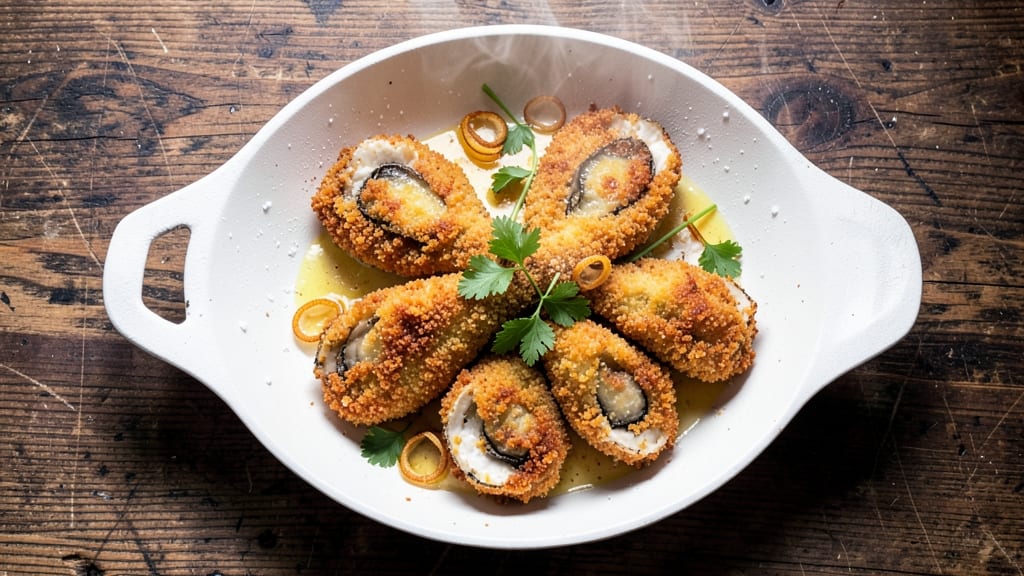
Southern fried oysters bring that unmistakable Southern charm to any table with their buttery crispy coating and juicy centers that practically melt in your mouth. This recipe captures the essence of classic seafood dining, where the secret lies in double-dredging and maintaining the perfect frying temperature.
I've perfected this technique over years of testing, ensuring every bite delivers that satisfying crunch followed by tender oyster.
The process starts with fresh oysters, which must be shucked and carefully drained before the breading begins. A combination of flour, cornmeal, and spices creates the ideal texture—crispy on the outside, tender on the inside.
The key is frying them in small batches at 350°F to maintain even cooking without overcrowding the pan. This method guarantees a golden, shatteringly crisp exterior while keeping the oyster itself succulent and flavorful.
What you'll end up with is a plate of golden-brown fried oysters that look as impressive as they taste. The buttery coating clings perfectly, and the oysters stay juicy despite the frying process.
Serve them immediately with classic accompaniments like lemon wedges, hot sauce, or tartar sauce to enhance the flavors. This dish is a crowd-pleaser that transforms any gathering into a taste of the South.
For those watching their oil intake, an air-fryer adaptation is included in the instructions, offering a lighter alternative without sacrificing texture. Whether you're hosting a party or craving a taste of tradition, these fried oysters deliver restaurant-quality results at home. Let's get started on creating this Southern classic.
Ingredients for southern fried oysters
Fresh oysters, crispy coating, and buttery perfection—just 12 ingredients for Southern fried oysters that taste like a seafood shack.
| Ingredient | Amount | Notes |
|---|---|---|
| Fresh Oysters 🦪 | 1 ½ lb | Shucked, drained, and patted dry |
| All-Purpose Flour 🌾 | 1 cup | For first dredge, sifted |
| Fine Yellow Cornmeal 🌽 | ½ cup | Stone-ground preferred for texture |
| Unsalted Butter 🧈 | ½ cup | Melted, cooled slightly |
| Large Eggs 🥚 | 2 whole | Beaten, room temperature |
| Diamond Crystal Kosher Salt 🧂 | 1 tsp | For seasoning, plus extra |
| Ground Black Pepper 🌶️ | ½ tsp | Freshly cracked preferred |
| Garlic Powder 🧄 | ½ tsp | For extra depth |
| Paprika 🌶️ | ½ tsp | Smoked for authentic flavor |
| Vegetable Oil 🫒 | 3 cups | High smoke point, like peanut |
| Lemon Wedges 🍋 | 4 whole | For serving, fresh squeezed |
| Hot Sauce 🔥 | ¼ cup | Optional, for serving |
Oysters are the star, so pick fresh ones from a trusted seafood market. Look for plump, closed shells with no cracks—Wild Gulf or local harvest brands have the best flavor. Shuck them yourself if possible (or ask your fishmonger to do it), and drain them thoroughly. Pat them dry with paper towels—moisture is the enemy of crispiness. For the cornmeal, Bob's Red Mill stone-ground gives that authentic Southern grit. If you can't find it, regular cornmeal works, but the texture won't be quite the same. The butter? Use European-style unsalted—it has more fat content, which means extra crispiness.
No cornmeal? Substitute extra flour or panko, but you'll lose that signature texture. Short on butter? Olive oil or bacon fat works in a pinch, but the flavor won't be identical. For the spices, smoked paprika is a must—it's what gives classic fried oysters that deep, smoky kick. No fresh garlic powder? Fresh minced garlic at double the amount adds a whole new layer of flavor. The oil is critical—peanut or vegetable oil with a high smoke point ensures even frying without burning. And don't skip the double-dredge: flour, egg wash, cornmeal mix, then flour again. That's what creates the legendary crunch.
Oysters fry best fresh, so plan to serve them immediately. If you must prep ahead, keep the dry ingredients and egg wash separate until ready to fry. The oil stays hot for about 20 minutes—after that, it loses its crisping power. For leftovers (if there are any), store them in the fridge for up to 2 days, but reheating will make them soggy. Better to make a fresh batch. The lemon wedges and hot sauce should be prepped ahead and kept chilled until serving—they cut through the richness perfectly.
Why You'll Love This Recipe
- 20-Minute Magic: I swear by this—dredge the oysters in flour, dip in egg, then cornmeal, and fry in butter. That’s it. No brining, no marinating, just raw-to-table brilliance while you wait for the oil to heat.
- Crispy-Creamy Obsession: The cornmeal gives it that addictive crunch, but the butter? It melts into the oyster so fast you’ll forget how good fried food can be. (Yes, even on a Tuesday night.)
- Game for Any Gathering: Serve them as an appetizer with lemon wedges, toss them into a po’ boy, or pile them high on toast for brunch. My book club voted them the star of our last potluck—no one left hungry.
- Leftovers? No Problem: Fry a big batch, then reheat in a skillet with a splash of broth or beer. They’ll taste almost as good the next day, and honestly? That’s saying something for fried oysters. Budget win.
Step-by-step instructions for Southern fried oysters
Here's how to get that perfect buttery crunch with tender, juicy oysters every time.
Prepare the Oysters and First Dredge
Start by shucking the 1.5 lb fresh oysters and patting them completely dry with paper towels. Any moisture left on the oysters will prevent that crispy coating from forming. I like to work with them on a wire rack set over a plate to catch any drippings.
In a shallow bowl, combine the 1 cup all-purpose flour, 1 tsp diamond crystal kosher salt, 0.5 tsp ground black pepper, 0.5 tsp garlic powder, and 0.5 tsp paprika. Give it a quick whisk to distribute the seasoning evenly. This first dredge is what creates that initial crispy layer that locks in all that juicy goodness.
Create the Egg Wash and Cornmeal Coating
In another shallow bowl, beat the 2 whole large eggs until they're just combined - no need to make them frothy, just smooth. This is where the magic happens: the eggs will help the flour stick to the oysters and create that golden crust.
For the final coating, mix the 0.5 cup fine yellow cornmeal with the melted 0.5 cup unsalted butter in a third shallow bowl. The cornmeal gives that classic Southern texture while the butter adds richness. Make sure the butter is only slightly cooled so it's still liquid enough to coat the cornmeal evenly.
Fry the Oysters to Golden Perfection
Heat the 3 cups vegetable oil in a deep skillet to 350°F - use a thermometer to be precise. Too hot and they'll burn before they're cooked through; too cool and they'll be greasy. When the oil is ready, carefully add the oysters one at a time, first dipping them in the flour mixture, then the egg wash, and finally rolling them in the cornmeal-butter mixture.
Fry the oysters in batches for 2-3 minutes per side until they're golden brown and the edges are crispy. You'll know they're done when they float to the surface - that's your signal they're cooked through. Transfer them to a paper towel-lined plate to drain the excess oil while keeping them warm.
Serve Immediately with Classic Accompaniments
Serve the fried oysters right away while they're still crispy and hot. Arrange them on a platter with the 4 whole lemon wedges on the side for squeezing. I like to offer the 0.25 cup hot sauce on the table as well - it's optional but adds that perfect kick to balance the richness.
The key to serving these right is timing - they're best enjoyed immediately when the coating is at its crispiest. If you need to hold them for a few minutes, tent them loosely with foil to keep them warm without steaming. Each bite should deliver that perfect contrast of buttery crunch and briny, tender oyster.
Pro Tips For Making Southern Fried Oysters
- Shuck Oysters Fresh: DESCRIPTION: Don’t use pre-shucked oysters—freshly shucked ones stick better to the batter and stay juicier. The liquid (liquor) in fresh oysters also adds flavor, so save a splash for the pan after frying.
- Double-Dip the Cornmeal: DESCRIPTION: After dredging in flour and egg, press the oysters into a bowl of cornmeal, then transfer to a second bowl of cornmeal. This extra layer keeps the crust crispy longer—no soggy bottoms here.
- Fry in Batches: DESCRIPTION: Crowding the pan drops the temperature, leading to greasy, uneven frying. Keep batches small (3-4 oysters max) and work in shifts—patience here means perfect golden crusts.
- Use Cold Butter: DESCRIPTION: Let the butter cool slightly before adding it to the hot oil—around 100°F if you’re measuring. Too hot, and it burns; too cold, and the crust won’t crisp. Aim for sizzle, not smoke.
Storing and reheating this recipe
Refrigerator Storage
Fried oysters are best served immediately, but if you must store them, place them in a single layer on a wire rack in the fridge for up to 2 hours to prevent sogginess.
Once cooled, transfer to an airtight container with a paper towel on top to absorb any excess moisture. They’ll keep for 1-2 days, but the coating will lose its crispiness—so plan to reheat only if absolutely necessary. 🥗
Freezer Preservation
For longer storage, freeze fried oysters in a single layer on a parchment-lined tray for 1 hour to prevent sticking. Then transfer to a freezer-safe bag, removing as much air as possible.
They’ll keep for up to 2 months, but texture will degrade after 1 month. Thaw overnight in the fridge before reheating. ❄️
Reheating Methods
To revive fried oysters, bake them at 400°F for 8-10 minutes on a wire rack set over a baking sheet. This method crisps the coating without making it greasy.
For the air fryer, cook at 375°F for 4-5 minutes—just enough to warm through without overcooking. Avoid the microwave; it’ll turn the coating soggy. 🔥
Reviving Crispiness
If your fried oysters lose their crunch, try this trick: Dip them in a beaten egg wash, then roll in fresh cornmeal or panko, and air-fry at 350°F for 2-3 minutes.
This restores some of that golden crunch. For extra flavor, add a pinch of smoked paprika to the cornmeal before coating. ✨
Serving Leftovers
If reheating, serve with fresh lemon wedges and tartar sauce to balance any loss of crispiness. The acidity cuts through the richness and brightens the oysters. For a creative twist, toss reheated oysters into a Cajun-style pasta with shrimp and andouille sausage—it’s a Southern-inspired mashup that works surprisingly well. 💫
Nutrition facts
Frequently asked questions
Why do my fried oysters turn out greasy instead of crispy?
The most common causes are oil temperature or moisture. Always fry at 350°F—too cool makes them greasy, too hot burns them. Pat oysters completely dry before breading, and avoid overcrowding the pan. Double-dredging (flour, egg, cornmeal, then flour again) creates that signature crunch.
Can I use frozen oysters instead of fresh?
Frozen oysters work, but they won't have the same texture or flavor. Thaw them completely in the fridge first, then drain thoroughly. For best results, use fresh shucked oysters—their briny sweetness shines through in fried dishes. If you must use frozen, expect slightly less crispiness.
What's the secret to getting that perfect golden-brown crust?
The magic is in the cornmeal-butter mix and precise timing. Use stone-ground cornmeal for authentic texture, and ensure the butter is slightly cooled (not melted) when mixing. Fry in batches for 2-3 minutes per side—they're done when golden and floating. A kitchen thermometer is your best friend here.
Can I make this recipe in an air fryer?
Preheat the air fryer to 375°F and spray the basket lightly with oil. Follow the same breading process, then air-fry in a single layer for 6-8 minutes, shaking halfway. The result won't be as crispy as deep-frying, but it's a lighter alternative with 80% less oil.
What's the best way to serve these with drinks?
Southern fried oysters pair perfectly with crisp, acidic drinks. Try a dry white wine like Sauvignon Blanc or a light lager beer to cut through the richness. For cocktails, a Moscow Mule (vodka, ginger beer, lime) or Whiskey Sour complements the briny-sweet flavors beautifully.