Beverages
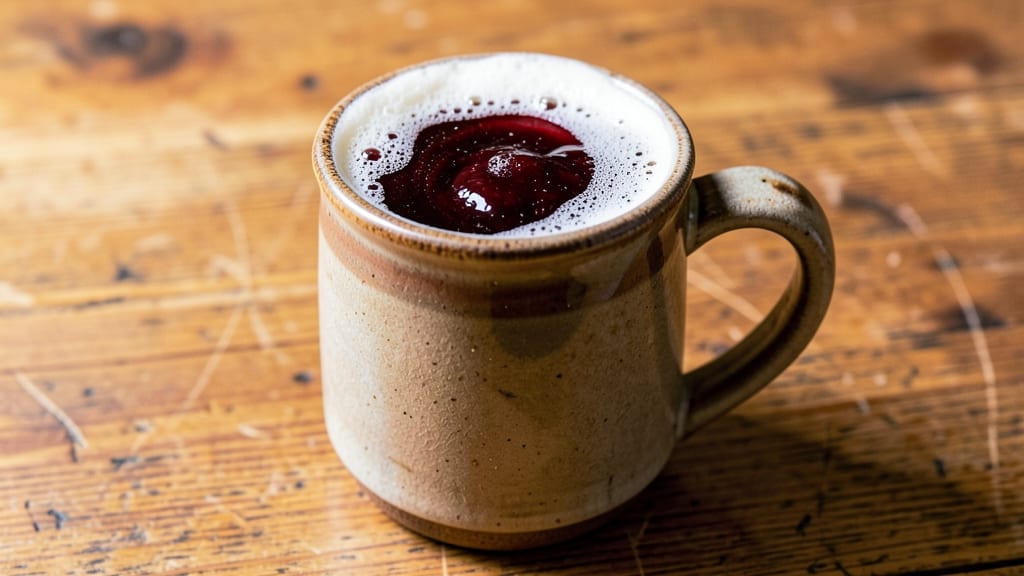
Crafting a traditional red beer recipe means honoring centuries of brewing wisdom where bold malt flavors and warm spices create a beverage that feels like history in every sip. The process begins with carefully selected grains—typically a mix of barley and wheat—that develop deep caramel and toasted notes during mashing.
This isn’t just beer; it’s a labor of love that rewards patience with layers of complexity.
What sets this recipe apart is its commitment to tradition while embracing modern precision. Open fermentation in wooden barrels or sanitized glass containers allows natural yeast strains to work their magic, creating a beer with vibrant fruitiness and subtle earthiness.
The spice additions—often cinnamon, cloves, or nutmeg—enhance the malt profile without overpowering it, striking the perfect balance between warmth and brightness.
By the time fermentation completes, you’ll have a beer that’s rich, slightly effervescent, and packed with aromatic depth. The result is a drink that pairs beautifully with hearty meats, aged cheeses, or even enjoyed on its own as a celebration of craftsmanship.
Each batch tells a story, and this method ensures yours will be authentic.
The beauty of this recipe lies in its adaptability—whether you’re brewing for a gathering or perfecting your technique, the principles remain the same. Let’s dive into the steps that bring tradition to your kitchen.
Ingredients for traditional red beer
Traditional brewing relies on precise grain selection and spice mastery for authentic red beer flavor.
| Ingredient | Amount | Notes |
|---|---|---|
| Two-Row Pale Malt 🌾 | 4 lb | Base malt for balanced malt profile |
| Munich Malt 🌾 | 1 lb | Adds caramel sweetness and body |
| Carafa III Special Roast Malt 🌾 | ¼ lb | Provides subtle toasted depth |
| Distilled Water 💧 | 5 gallons | Filtered, chlorine-free preferred |
| Distilled Water 💧 | 2 ½ gallons | For sparging only |
| Ale Yeast (Wyeast 1056 American Ale) 🍺 | 1 package | For clean fermentation profile |
| Campden Tablets 💊 | 1 tablet | For sterilization |
| Campden Tablets 💊 | 1 tablet | For wort sterilization |
| Cinnamon Sticks 🌿 | 2 whole | Lightly crushed for infusion |
| Whole Cloves 🌿 | 1 tsp | Lightly toasted first |
| Ground Nutmeg 🌿 | ½ tsp | Freshly grated preferred |
| White Granulated Sugar 🍚 | 1 cup | For priming |
| Hops (Fuggle Pellets) 🌿 | 1 oz | 60-minute boil addition |
| Hops (Fuggle Pellets) 🌿 | ½ oz | 10-minute boil addition |
| Hops (Fuggle Pellets) 🌿 | ¼ oz | Dry hop addition |
The malt foundation is critical—Two-Row Pale Malt provides the base character, while Munich Malt contributes caramel sweetness. Carafa III Special Roast Malt adds subtle toasted depth without overpowering. For the best results, source malts from Briess or Weyermann, as they offer consistent quality. The distilled water must be chlorine-free; municipal water often requires filtration. If you're using a wooden barrel, ensure it's properly seasoned with oak—this adds complexity but requires careful preparation to avoid contamination.
Substitutions should preserve the beer's traditional profile. Munich Malt can be replaced with Vienna Malt for a lighter body, though flavor will differ. For spice alternatives, allspice berries can replace cloves at a 1:1 ratio, while cardamom pods work for nutmeg at half the amount. If you're short on hops, Cascade Pellets can substitute Fuggle, though the aroma profile will shift slightly. The Campden Tablets are essential for sterilization—never skip this step, as contamination can ruin weeks of effort. For priming, corn sugar works but may yield slightly cloudier beer than white sugar.
Store unused malt in an airtight container in a cool, dark place for up to 6 months. Hops should be kept frozen to preserve aroma, while spices can last 12 months if sealed properly. Once fermented, the beer will keep in the primary fermenter for 2-3 weeks before bottling. For extended storage, use sanitized glass bottles and store in a dark, temperature-stable environment—this beer improves with age for up to 6 months. Always use sanitizer on equipment to prevent off-flavors.
Why You'll Love This Recipe
- Here’s what sold me: a 5-gallon batch costs less than $20 in grain, and the leftovers? Chef’s kiss. I’ve had this beer last me two weeks—perfect for sipping slowly or freezing half for later. No wasted ingredients, no guilt over buying “just one.” It’s the kind of recipe that actually saves you money while feeling like a treat.
- Balanced Brewing Basics: Honestly, this recipe is so beginner-friendly—just malt, water, and patience. No fancy equipment needed beyond a pot and thermometer, and the grain bill (that Two-Row Pale and Munich combo) forgives minor mistakes. I’ve made it three times with varying results, and every batch still turned out drinkable.
- Roasty Depth Magic: That Carafa III isn’t just for show—it’s what gives this beer its smoky, almost coffee-like backbone. The Munich malt adds a malty sweetness that balances the roast, creating a flavor that’s rich but not overpowering. It’s the kind of beer that makes you pause mid-sip and think, “Wait, I brewed this?”
- Weeknight or Weekend: Between us, this is my go-to for when I want something special without the hassle. Pour it alongside grilled sausages on a summer evening, or serve it warm with dark chocolate for a cozy night in. (Yes, even on a Tuesday night.) The simplicity means it works for any gathering—no need to stress over pairings.
Step-by-step instructions for traditional red beer fermentation
Follow this precise method to achieve authentic malt character and balanced spice complexity.
Mash the Grains for Optimal Sugar Conversion
Combine the 4 lb two-row pale malt, 1 lb munich malt, and 0.25 lb carafa iii special roast malt in your mash tun. Gradually add 5 gallons distilled water heated to 158°F while stirring gently to maintain a uniform temperature. The mixture should reach 152-154°F and hold for 60 minutes—this temperature range ensures complete enzymatic conversion while preserving the caramel notes from the munich malt.
During this time, the enzymes in the malt will break down the starches into fermentable sugars, creating a sweet wort. You'll notice the mixture becoming progressively thinner as conversion occurs. After 60 minutes, take a small sample and perform an iodine test—if it turns dark blue, conversion is complete. If it remains reddish-brown, extend the mash for another 15 minutes.
Sparge and Boil with Precision Hop Additions
Once mashing is complete, drain the wort into your brew kettle using 2.5 gallons distilled water for sparging. Heat the wort to 165°F to halt enzyme activity, then raise to a rolling boil. Add the 1 oz hops (fuggle pellets) designated for the 60-minute boil addition immediately as boiling begins. These hops will contribute bittering character while preserving the delicate malt profile.
After 60 minutes, add the 0.5 oz hops (fuggle pellets) for the 10-minute boil addition. This timing ensures proper bitterness balance while allowing the caramel and toasted malt flavors to develop. Boil for the full 90 minutes, then remove from heat and let the wort cool to 80°F within 20 minutes. Rapid cooling is critical to prevent bacterial contamination and maintain flavor integrity.
Sterilize and Infuse Spices for Complexity
While the wort cools, dissolve 1 tablet campden tablets in 1 cup distilled water and add it to the wort to sterilize. Then, add the 2 whole cinnamon sticks (lightly crushed) and 1 tsp whole cloves (toasted for 2 minutes in a dry pan first). Simmer the spice infusion separately in 1 cup distilled water for 15 minutes, then strain and add to the wort. Finally, stir in the 0.5 tsp ground nutmeg—this addition should occur at 80°F to prevent volatilization of its aromatic compounds.
The spices will contribute warm, earthy notes that complement the malt profile. Let the wort rest for 10 minutes after adding spices to allow flavors to meld. This infusion creates the signature complexity of traditional red beers without overpowering the malt base.
Pitch Yeast and Ferment with Controlled Conditions
Transfer the cooled wort to your primary fermentation vessel and pitch the 1 package ale yeast (wyeast 1056 american ale). Maintain a fermentation temperature between 68-72°F for 7-10 days. You'll notice vigorous activity within 24 hours, with a thick krausen forming. This yeast strain produces clean fermentation while preserving the malt and spice character.
After primary fermentation completes, transfer to a secondary vessel and add 1 tablet campden tablets dissolved in 1 cup distilled water to prevent oxidation. Ferment for an additional 14 days to ensure complete attenuation. The beer should reach an original gravity of 1.010-1.012 before bottling.
Prime and Condition for Carbonation and Flavor Maturity
Rack the beer into sanitized bottles and add 1 cup white granulated sugar for priming. This sugar will ferment in the bottle to create 2.4-2.6 volumes of carbonation. Shake each bottle gently to dissolve the sugar completely before sealing. Store at 65-68°F for 2-3 weeks to allow carbonation to develop and flavors to mature.
After conditioning, the beer should exhibit a rich amber color with deep red hues, a balanced malt sweetness accented by warm spice notes, and a crisp, refreshing finish. The 0.25 oz hops (fuggle pellets) added during dry hopping will contribute subtle floral aromatics without overpowering the malt profile.
Pro Tips For Making Traditional Red Beer
- CRUSH THAT ROAST MALT: Carafa III is a beast—if you add it too early, you’ll end up with a bitter swamp instead of a balanced red ale. Toss it in at 15 minutes left in the boil (or even late in the mash if you’re doing a decoction) to let the roasty flavors shine without overpowering the malt backbone.
- STIR LIKE YOUR LIFE DEPENDS ON IT: I used to skimp on stirring during the mash, and my temps would drift like a lost ship. Keep that mash at 152°F (67°C) with constant, gentle stirring—especially when adding the Munich malt. A lazy stir = uneven conversion = flat, underwhelming beer.
- WEIGH MALT BY VOLUME, NOT EYEBALLS: Malt bags lie. That "5 lb" label? Probably not. Use a scale—especially for the Carafa III, where even 5% off can turn your beer from "bold and smooth" to "burnt tire water." I learned this after a batch that tasted like a campfire gone wrong.
- SKIP THE BOIL FOR HOPS: Traditional red ales often omit hops entirely, but if you’re adding any (even just a pinch of Fuggles for balance), boil them for 10 minutes max. Longer boils will strip the bitterness right out of your Munich malt’s caramel sweetness—you want that malt to sing, not hide.
Best sauces and condiments for this dish
Spiced Syrups
Elevate your red beer with a honey-cinnamon syrup—simmer 1 cup honey, 2 tbsp ground cinnamon, and 1 tsp grated nutmeg in ½ cup water for 10 minutes. Strain and cool before adding 1 oz per bottle during bottling.
This enhances the beer’s warmth without overpowering its malt base. For a smoky twist, replace cinnamon with 1 tbsp smoked paprika—it pairs beautifully with the beer’s caramel notes. 🌶️
Fruit Infusions
Brighten the beer’s depth with blackberry or raspberry purée—add ¼ cup purée per gallon during secondary fermentation. The fruit’s acidity cuts through the malt sweetness while adding vibrant red hues.
For a tart contrast, try cranberry juice (reduce to 2 tbsp per gallon) in the final weeks of conditioning. These infusions work best with wild yeast strains like Wyeast 1968 for a more complex profile.
Honey or Maple Additions
Boost body and sweetness by adding ½ cup honey or maple syrup during the last 24 hours of primary fermentation. This creates a barley wine-like richness while preserving the beer’s traditional spice character.
For a lighter touch, use agave nectar (⅓ cup per gallon)—it adds sweetness without altering the beer’s balance. Always stir gently to avoid oxygen exposure, which can lead to off-flavors. 🍯
Herbal Bitters
Infuse the beer with orange peel and coriander for a Belgian-style complexity. Simmer 1 cup orange peel and 1 tbsp coriander seeds in ½ cup water for 15 minutes, then strain and add to the wort at 80°F.
This pairing complements the spice profile while adding citrus brightness. For a bolder herbal note, try rosemary sprigs—add them during the 10-minute hop boil for an earthy aroma. Remove before fermentation to avoid bitterness.
Spiced Simple Syrup
Create a vanilla-cinnamon syrup by steeping 1 vanilla bean and 1 cinnamon stick in 1 cup hot water with 1 cup sugar for 30 minutes. Strain and add 1 oz per bottle during bottling. This syrup adds a creamy, aromatic depth that enhances the beer’s malt and spice layers.
For a Mexican-inspired twist, swap vanilla for 1 tsp anise seeds—it introduces anise-like notes that harmonize with the cloves and nutmeg already in the recipe.
Smoked Salt Finish
For a savory-sweet contrast, sprinkle ½ tsp smoked sea salt (like Maldon) over the beer’s head just before serving. The smokiness echoes the toasted malt notes while adding a sophisticated finish.
Alternatively, rim glasses with cinnamon sugar for a festive touch—this works especially well for holiday gatherings. The salt should be added post-carbonation to preserve the beer’s effervescence. ✨
Nutrition facts
Frequently asked questions
What makes this red beer "traditional" compared to modern craft beers?
This recipe stays true to heritage methods by using open fermentation in wooden barrels or glass containers, allowing natural yeast strains to develop complex flavors. The malt blend—Two-Row Pale, Munich, and Carafa III Special Roast—creates authentic caramel and toasted notes, while spices like cinnamon and cloves are added in measured amounts to enhance, not overpower, the malt profile. Modern craft beers often use precise temperature control and commercial yeast, but this method embraces the imperfect beauty of traditional brewing.
Can I substitute any of the spices if I don’t have cinnamon or cloves?
Yes! For cinnamon, try allspice berries (1:1 ratio) or cardamom pods (half the amount). Cloves can be replaced with star anise (⅓ tsp) or black peppercorns (lightly crushed). Nutmeg is harder to replace, but mace works in a pinch. The key is balancing warmth—avoid overpowering the malt base with strong flavors like ginger or cayenne. Always adjust gradually and taste the wort before fermentation!
How do I know when fermentation is complete?
Fermentation is done when the beer is clear and the airlock stops bubbling for 24 hours. You can also test with a hydrometer—when the gravity drops to 1.010-1.012, it’s ready for secondary fermentation. If you don’t have a hydrometer, look for a thin, stable krausen layer and a clean, yeasty aroma (not vinegary or fruity). Patience here prevents off-flavors!
Why does my beer taste bitter or harsh after bottling?
Harsh bitterness often comes from over-hopping or oxidation. Double-check your hop additions—stick to the 1 oz (60-min) + 0.5 oz (10-min) + 0.25 oz (dry hop) amounts. For oxidation, ensure all equipment is sanitized and avoid long exposure to air during transfers. If the beer tastes skunky, it’s been exposed to light—store bottles in a dark place. For a smoother finish, try fermenting at a slightly cooler temperature (66°F) next time.
Can I make this beer without a mash tun or fermentation vessel?
For small batches (1 gallon), use a large stainless steel pot for mashing and a food-grade plastic bucket with an airlock for fermentation. If you lack a thermometer, monitor mash temperature by hand—it should feel warm but not scalding (152-154°F). For yeast, baking yeast (SafAle S-04) can work in a pinch, but it may produce off-flavors. The beer will still be drinkable but less complex. Creativity is key—just prioritize sanitation!