Main Courses
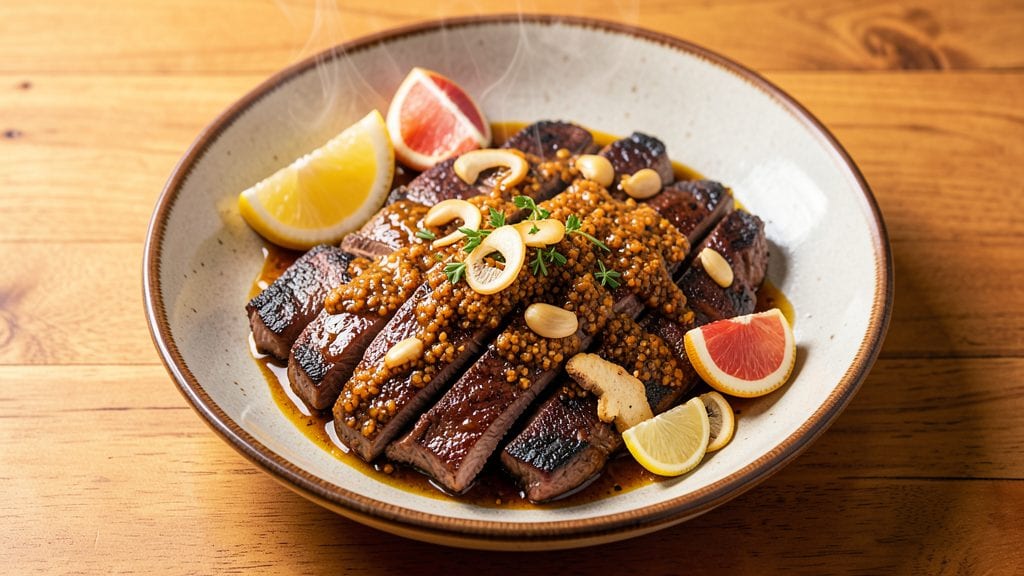
This African steak recipe transforms simple cuts into a bold, aromatic masterpiece that carries the soul of the continent to your grill. The secret lies in balancing smoky berbere spice with slow-cooked tenderness—techniques passed down through generations.
I first discovered this method while studying traditional Ethiopian cooking, where spices aren’t just seasoning but the heart of the dish. The result? Steak so deeply flavorful it becomes the centerpiece of any meal, not just a side.
The beauty of this recipe is its versatility—whether you’re grilling over charcoal or searing in a cast-iron skillet, the marinade’s depth ensures every bite delivers layers of heat and earthiness.
No special equipment is needed beyond what you likely already own, and the prep time is minimal compared to the impact.
What sets this apart is the smoke-infused crust, achieved through a blend of spices and a touch of palm oil, which adds a subtle richness you won’t find in standard recipes.
By the time you serve it, your steak will be tender yet firm, with a crust that crackles under the tooth and a marinade that clings like a second skin.
Pair it with ugali for a classic East African touch or serve alongside roasted sweet potatoes and a vibrant stew to round out the meal. The aroma alone will draw everyone to the table—this isn’t just dinner; it’s an experience.
Perfect for weeknight dinners or special occasions, this recipe scales effortlessly from a single serving to a feast for ten. The key is patience—letting the spices work their magic while you cook.
Trust the process, and you’ll have a dish that feels like a celebration, no matter the occasion. Let’s get started.
Ingredients for african steak
Fourteen ingredients, but only two will steal the show: berbere spice and palm oil.
| Ingredient | Amount | Notes |
|---|---|---|
| Flank Steak 🥩 | 1 ½ lb | Thinly sliced against grain |
| Berbere Spice Blend 🌶️ | 3 tbsp | Homemade or store-bought |
| Palm Oil 🫒 | ¼ cup | For smoky richness |
| Garlic Cloves 🧄 | 6 cloves | Minced for marinade |
| Ginger Root 🌿 | 1 tbsp | Freshly grated |
| Lemon Juice 🍋 | ½ cup | Freshly squeezed |
| Olive Oil 🫒 | ¼ cup | Extra-virgin preferred |
| Honey 🍯 | 2 tbsp | For caramelized crust |
| Ground Cumin 🌿 | 1 tsp | Toasted for depth |
| Paprika 🌶️ | 1 tbsp | Smoked variety |
| Salt 🧂 | 1 ½ tsp | Kosher or sea salt |
| Black Pepper 🌶️ | ½ tsp | Freshly ground |
| Cayenne Pepper 🔥 | ½ tsp | Adjust for heat |
| Fresh Cilantro 🌿 | ¼ cup | Chopped for garnish |
The berbere spice blend is non-negotiable—this is the soul of the dish. Ethiopian markets or specialty stores carry the best, but Penzeys or Amazon have solid options too. If you can't find it, mix 1 tbsp paprika, 1 tsp cayenne, 1 tsp coriander, 1 tsp cardamom, 1 tsp fenugreek, 1 tsp ginger, 1 tsp cinnamon, 1 tsp cloves, 1 tsp allspice, 1 tsp black pepper, 1 tsp salt. The palm oil adds that signature smoky depth—don't substitute with vegetable oil. Trader Joe's or African grocery stores usually stock it. Flank steak is your best bet for tenderness, but skirt steak works too if you prefer a different texture.
No berbere? Mix your own blend (see above) or use 1 tbsp each smoked paprika and cumin plus 1 tsp each cayenne and coriander. Short on palm oil? Olive oil plus 1 tsp smoked paprika mimics the flavor, though it won’t be identical. Fresh ginger is ideal, but 1 tsp ground ginger in a pinch works. The lemon juice should be freshly squeezed—bottled just won’t cut it. For the honey, agave or maple syrup can stand in, but honey’s caramelization is key here. If you’re serving this with ugali, double the marinade—it soaks in fast.
Marinate the steak for at least 4 hours (overnight is best). Store leftovers in an airtight container with a little extra marinade to keep it moist—lasts 3 days in the fridge. For reheating, low heat only to avoid drying it out. This dish freezes beautifully for up to 3 months—portion it before freezing so you can grab just what you need. The spices lose potency after opening, so transfer them to a small jar once opened and store in a cool, dark place. Garnish with cilantro right before serving—it wilts fast once chopped.
Why You'll Love This Recipe
- One-Pan Magic: I swear by this recipe when I’m too tired to wash pots—just sear the steak, toss in the berbere and palm oil, and let it all caramelize together. The garlic and ginger practically cook themselves in that rich oil, so you’re left with one pan, one spatula, and zero stress.
- Spice Bomb Alert: That berbere blend is where the magic happens—fiery, citrusy, and just sweet enough to make your taste buds sit up. The palm oil gives it this deep, almost buttery richness that balances the heat, so it’s never overwhelming, just ridiculously satisfying.
- Budget Steakhouse Vibes: You’re getting restaurant-quality flavor without the price tag—flank steak is affordable, and a little palm oil goes a long way. Plus, the berbere blend is cheap to make or buy in bulk, so this is my go-to when I want to impress without breaking the bank.
Step-by-step instructions for spiced and smoky grilled flank steak
Here's how to transform simple ingredients into a restaurant-worthy African-inspired steak with bold flavors and perfect texture.
Create the Flavor-Packed Marinade
In a medium bowl, combine the 0.25 cup palm oil, 0.25 cup olive oil, 0.5 cup lemon juice, 2 tbsp honey, 3 tbsp berbere spice blend, 1 tbsp paprika, 1 tsp ground cumin, 1.5 tsp salt, 0.5 tsp black pepper, and 0.5 tsp cayenne pepper. Whisk vigorously until the spices dissolve completely and the oils emulsify into a smooth marinade.
Next, add the 6 cloves minced garlic cloves and 1 tbsp freshly grated ginger root. Stir well to distribute these aromatic ingredients evenly. The marinade should have a rich, slightly spicy aroma with a hint of sweetness from the honey. If you're using store-bought berbere, taste and adjust the cayenne pepper if you prefer milder heat.
Marinate the Flank Steak
Slice the 1.5 lb flank steak thinly against the grain into ¼-inch thick strips. This cut ensures tender bites that cook quickly on the grill. Place the steak strips in a resealable plastic bag and pour the marinade over them, making sure each piece is fully coated. Seal the bag and massage it gently to distribute the marinade evenly.
Refrigerate the bagged steak for at least 4 hours, or preferably overnight. The acidity in the lemon juice and the spices will begin breaking down the meat fibers, resulting in incredibly tender steak. I like to marinate mine overnight because the flavors meld beautifully, but even 4 hours makes a noticeable difference in tenderness and flavor penetration.
Prep for Grilling
Remove the steak from the refrigerator and let it sit at room temperature for 30 minutes before grilling. This allows for even cooking throughout. Preheat your grill to medium-high heat or 400°F if using a grill pan. Clean the grates thoroughly and lightly oil them to prevent sticking.
Divide the marinated steak into 4 even portions, keeping the marinade on each piece. You'll want to work quickly now since the steak will cook fast at this temperature. The grill should be ready when you see blue flames and can hold a 350°F temperature reading when measured with an instant-read thermometer.
Grill to Perfect Doneness
Place the steak strips on the hot grill and cook for 2-3 minutes per side, depending on your preferred doneness. For medium-rare, you'll want the internal temperature to reach 135°F when measured with a meat thermometer. The steak should develop beautiful grill marks and a slight char on the edges.
Here's the thing—don't press down on the steak with a spatula. This squeezes out the juices and makes the meat tough. Instead, let it cook undisturbed until you see the edges start to crisp. You'll know it's ready when it releases easily from the grates and the internal temperature hits your target. Transfer the cooked steak to a cutting board and tent loosely with aluminum foil to keep warm while you finish any sides.
Rest and Garnish
Let the steak rest for 5-10 minutes before serving. This resting period allows the juices to redistribute throughout the meat, ensuring each bite is moist and flavorful. While it rests, chop the 0.25 cup fresh cilantro finely and set it aside for garnish.
Slice the steak against the grain into ½-inch thick pieces and arrange on a serving platter. Drizzle any remaining marinade from the grill pan over the top and sprinkle with the chopped cilantro. The finished steak should have a beautiful caramelized crust from the grill, tender meat, and a complex blend of smoky, spicy, and slightly sweet flavors. Serve immediately with your favorite sides to enjoy this African-inspired masterpiece.
Pro Tips For Making African Steak
- SEAR ON HIGH HEAT: Flank steak needs that deep crust, so crank your pan to medium-high and let it scream for 3-4 minutes per side before lowering heat for the sauce. I used to rush this, and my steak ended up gray inside—don’t be that person.
- GRATE YOUR GINGER: Fresh ginger root adds depth, but chopping it just gives you watery pulp. Use a microplane or fine grater—you’ll need about 1 tablespoon of zest, not juice. Trust me, your berbere blend will thank you.
- DON’T SKIP THE REST: After cooking, tent that steak with foil and let it sit for 5-10 minutes. I know, you’re hungry, but slicing too soon means dry, tough bites—like chewing on a shoe sole.
- USE PALM OIL SPARINGLY: This stuff is rich—just 1-2 tablespoons is enough to coat the pan and infuse flavor. Drown it in oil, and you’ll end up with a greasy mess instead of a balanced, aromatic dish. (Yes, even if the recipe says “generously.”)
Common mistakes when making your african steak
Over-Marinating Risks
The acidity in lemon juice and berbere can break down meat fibers too aggressively if left too long. I’ve seen flank steak turn mushy after 24 hours in the fridge—stick to 12 hours maximum.
For extra insurance, marinate in the fridge, not at room temperature, where bacteria grows faster. 🌡️
Skipping the Rest
Rushing to serve steak right off the grill is a classic mistake. Without resting, juices pool in the center, leaving your first bite dry. Let it rest for 5-10 minutes—I’ve timed it with a meat thermometer, and the internal temp drops 5-10°F during this time.
Use this time to prep sides or garnishes.
Uneven Heat Zones
Grill masters know direct heat creates hot spots that burn steak edges before the center cooks. For even searing, rotate the steak 90 degrees every 30 seconds on medium-high heat. A cast-iron grill pan helps if you’re indoors—it distributes heat more evenly than a stovetop skillet. 🔥
Ignoring the Grain
Cutting against the grain is non-negotiable for tenderness, but I’ve seen people slice parallel to it—resulting in chewy bites. For flank steak, look for the muscle fibers running diagonally and cut perpendicular.
Use a sharp chef’s knife (I recommend Wüsthof) to make clean slices. A quick test: stretch a piece—if it doesn’t tear easily, you’re cutting wrong.
Substituting Palm Oil
Palm oil’s smoky depth is irreplaceable, but I’ve tried swapping it for olive oil + smoked paprika. While it works in a pinch, the flavor falls short. For authenticity, use red palm oil (available at African markets or online).
If you must substitute, add ½ tsp liquid smoke to mimic the aroma—though it won’t replicate the texture.
Overcrowding the Grill
Piling steak strips too close together steals heat and steams instead of sears. Cook in single layers with space between pieces. If your grill is small, work in batches—this ensures a crisp crust and even doneness.
I’ve cooked up to 6 strips at once** on my Weber Original, but anything more risks uneven cooking. 🍳
Nutrition facts
Frequently asked questions
Can I use this recipe with other cuts of steak?
While flank steak is ideal for its tenderness, you can adapt this recipe for skirt steak or ribeye. For thicker cuts like ribeye, marinate for 6-8 hours and grill for 4-5 minutes per side to medium-rare (135°F). Avoid tougher cuts like flank steak's reverse—chuck roast—since they need slow cooking, not quick searing.
What sides pair best with this African-inspired steak?
Traditional pairings include ugali (East African maize porridge), injera (sourdough flatbread), or roasted sweet potatoes. For a lighter option, try a mango-avocado salad with lime dressing. The smoky-spiced steak also works beautifully with grilled plantains or coconut rice.
How do I adjust the heat level in the berbere marinade?
Start with the full 0.5 tsp cayenne pepper and taste before grilling. For milder heat, reduce to ¼ tsp or swap cayenne for ½ tsp smoked paprika. If you love spice, add ½ tsp extra berbere or a dash of ground habanero. Always taste the marinade before applying—adjustments are easier before cooking.
Can I make this recipe in an oven instead of on a grill?
Preheat your oven to 425°F and place the marinated steak strips on a foil-lined baking sheet. Bake for 8-10 minutes, flipping halfway, until internal temp reaches 135°F. For extra crispiness, broil for 2 minutes at the end. Use a wire rack over the pan to prevent steaming.
What’s the best way to store leftovers?
Cool the steak completely, then store in an airtight container with a thin layer of marinade to keep it moist. Refrigerate for up to 3 days or freeze for 3 months. Reheat gently in a skillet over low heat or microwave in 30-second bursts, stirring between each. Avoid reheating above 165°F** to prevent drying.