
Sauces & Condiments
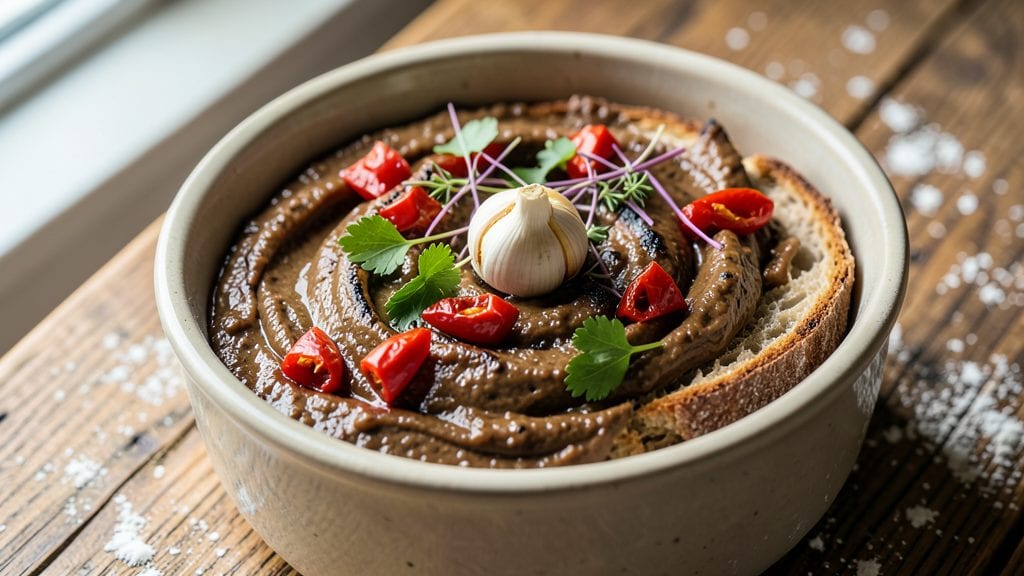
This beef liver spread recipe transforms humble liver into a velvety, umami-rich condiment that elevates any charcuterie board or toast. The process is straightforward: blend cooked liver with fat, aromatics, and seasonings until silky smooth, creating a spread with depth and complexity.
I developed this recipe after discovering how versatile liver can be when properly prepared—its rich, meaty flavor becomes the star when balanced with the right ingredients.
The key to success lies in achieving the perfect texture—neither too dry nor too greasy. By combining liver with butter or lard, you create a cohesive base that holds together beautifully, while onions, garlic, and herbs add layers of flavor.
This spread is incredibly versatile, working as a bold topping for crusty bread, a sophisticated addition to charcuterie displays, or even a flavorful element in sandwiches. The result is a condiment that feels luxurious yet is simple to make at home.
What sets this recipe apart is its ability to transform a less common ingredient into something extraordinary. The liver’s natural richness pairs perfectly with the fat, creating a spread that’s spreadable yet substantial.
Store it in an airtight container in the refrigerator for up to a week, or freeze for longer shelf life. Each bite delivers a satisfying umami punch that makes it a standout addition to any meal.
Whether you're a home cook looking to experiment with offal or a charcuterie enthusiast seeking unique spreads, this recipe delivers professional-quality results with minimal effort. The process is foolproof, and the flavor is unforgettable—once you try it, you’ll never reach for store-bought again.
Ingredients for beef liver spread
Nine essential ingredients transform beef liver into a luxurious spread perfect for charcuterie boards.
| Ingredient | Amount | Notes |
|---|---|---|
| Beef Liver 🥩 | 1 ½ lb | Fresh, trimmed of connective tissue |
| Unsalted Butter 🧈 | ¾ cup | Cold, cubed for even melting |
| Yellow Onion 🧅 | 1 whole | Medium size, finely chopped |
| Garlic Cloves 🧄 | 4 cloves | Fresh, peeled and minced |
| Fresh Flat-Leaf Parsley 🌿 | ¼ cup | Stems removed, finely chopped |
| Fresh Thyme Leaves 🍃 | 1 tbsp | From 1 sprig, finely chopped |
| Diamond Crystal Kosher Salt 🧂 | 1 tsp | Fine grain preferred |
| Freshly Ground Black Pepper 🌶️ | ½ tsp | Coarsely ground |
| Extra-Virgin Olive Oil 🫒 | 1 tbsp | For finishing, high quality |
The quality of beef liver is paramount—opt for grass-fed if available, as it yields a richer umami profile. Most butchers carry it fresh, but Whole Foods or specialty markets often have pre-trimmed options to save preparation time. For the fat base, unsalted butter creates a velvety texture, though lard or duck fat can be substituted for a deeper flavor. The onions and garlic should be freshly minced—pre-chopped varieties lack the aromatic punch needed to complement the liver’s intensity. Always select herbs with vibrant color; wilted parsley or dried thyme will compromise the spread’s freshness and brightness.
No fresh thyme? Dried thyme at one-third the amount works in a pinch, though the flavor will be more muted. Substituting butter with vegetable shortening maintains spreadability but sacrifices richness. For a vegetarian alternative, mushroom stems or hearts of palm can mimic liver’s meaty texture when finely chopped and cooked similarly. The olive oil finish is non-negotiable—low-quality oils will overpower the delicate herb notes. To ensure even cooking, slice the liver into thin, uniform pieces (about ¼-inch thick) before cooking, which prevents uneven doneness that could ruin the silky texture.
This spread reaches peak flavor after 24 hours of refrigeration, allowing the components to meld. Store in an airtight glass container with a thin layer of olive oil on top to preserve freshness for up to 1 week. For longer storage, portion into ice cube trays, freeze, then transfer to a sealed bag for 3 months. The spread thickens when cold—simply let it sit at room temperature for 10 minutes before serving to achieve that perfect, velvety consistency. Always taste before serving; adjust seasoning with kosher salt or a splash of lemon juice if needed.
Why You'll Love This Recipe
- Foolproof First-Timer: I swear, this spread is one of those rare recipes where even if you burn the onions a little, it still works. Just sear the liver until it’s just done—no guessing, no stress—and the butter soaks up all the richness.
- Umami Bomb: That crispy liver edge? Pure flavor payoff. The caramelized onions and garlic turn this into something dangerously addictive—like a fancy charcuterie starter, but with way more depth.
- Party Crowd-Pleaser: Slap it on crackers for a game-day spread, mix it into pasta for a hearty weeknight dinner, or even dollop it on toast with a fried egg. It’s the one ingredient that magically upgrades any bite.
- Pantry Stretch: A pound of liver goes a long way, and butter’s the only splurge. Honestly, I make this when I’m pinching pennies—it’s cheaper than buying pre-made spreads, and the flavor? Way more satisfying.
Step-by-step instructions for umami-rich beef liver spread
Transforming rich beef liver into velvety spread requires precision timing and technique.
Prepare the Beef Liver for Cooking
Begin by trimming away any visible connective tissue or silver skin from the 1.5 lb beef liver using a sharp chef's knife. This ensures a smooth texture in your final spread. Pat the liver dry thoroughly with paper towels—any moisture will prevent proper browning and create a watery mixture.
Cut the liver into ¼-inch thick slices, working quickly to maintain freshness. Arrange the slices on a plate and season both sides generously with the 1 tsp diamond crystal kosher salt and 0.5 tsp freshly ground black pepper. Let them sit at room temperature for 15 minutes while you prepare the aromatics. This brief salting enhances flavor penetration and helps tenderize the liver slightly.
Sauté Onion and Garlic Foundation
Heat a large skillet over medium heat and add the 1 whole yellow onion, chopped into fine brunoise. Cook for 8-10 minutes until the onions become translucent and begin to caramelize at the edges. This foundational step develops sweetness that balances the liver's richness.
Add the 4 cloves garlic cloves, minced, and cook for an additional 30 seconds until fragrant but not browned. Immediately remove the skillet from heat and set aside. The garlic should maintain its bright color—overcooking turns it bitter. This aromatic base will form the flavor backbone of your spread.
Cook the Liver to Perfect Doneness
Return the skillet to medium heat and add the 0.75 cup unsalted butter, cubed. Allow the butter to melt completely, creating a thin, even layer of fat in the pan. Working in batches if needed, add the seasoned liver slices and cook for 2-3 minutes per side until they reach an internal temperature of 135°F.
Use an instant-read thermometer to check doneness—this is critical for achieving a silky texture. The liver should be just cooked through but still tender, not firm. Overcooking results in dry, stringy spread. As the liver cooks, it will release its natural juices—don't drain these, as they contain valuable flavor.
Process into Spread with Aromatics
Transfer the cooked liver to a food processor along with the sautéed onion and garlic mixture. Add the 1 tbsp fresh thyme leaves and process until the mixture begins to break down, about 1 minute. Stop and scrape down the sides of the processor to ensure even blending.
With the processor running, slowly drizzle in the 1 tbsp extra-virgin olive oil through the feed tube. This creates emulsification that prevents the spread from becoming greasy. Process for an additional 2-3 minutes until completely smooth, scraping down the sides as needed. The texture should be velvety with no visible chunks remaining.
Finish with Herbs and Rest
Transfer the spread to a mixing bowl and stir in the 0.25 cup finely chopped fresh flat-leaf parsley. This final herb addition adds brightness and freshness that cuts through the richness. Taste and adjust seasoning if needed—you may require additional salt or pepper to balance the flavors.
Cover the bowl with plastic wrap pressed directly against the surface to prevent skin formation. Let the spread rest at room temperature for 30 minutes before serving. This resting period allows the flavors to fully meld and the texture to become perfectly smooth and spreadable.
Pro Tips For Making Beef Liver Spread
- Trim the Fat First: Beef liver’s fat cap is where flavor hides, but too much makes your spread greasy. Use a sharp knife to slice it off before cooking—leave about 1/8-inch for moisture, but don’t be shy about trimming the rest. (Yes, even if the butcher says it’s fine; they’re not eating it.)
- Sear in Batches: Crowd the pan, and your liver will steam instead of sear—resulting in a mushy, pale spread. Work in a single layer over medium-high heat, and resist the urge to flip too soon. Three minutes per side max, until the edges just start to brown. (If your pan’s too small, buy a bigger one.)
- Pulse the Onion: Finely chopped onion burns before it softens, turning your spread bitter. Pulse it in a food processor until it’s a rough paste—just big enough to taste but small enough to cook fast. (Skip the blender; you want texture, not soup.)
- Cold Butter Fixes: Dumping cold butter cubes into hot liver at the end cools the mixture just enough to stop cooking—critical for that silky, spreadable texture. Let the liver rest off the heat for 2 minutes first, then fold in the butter until it melts but doesn’t turn the spread greasy. (This is the step people skip, and it shows.)
Health benefits of this beef liver spread
Nutrient-Dense Protein
Beef liver spread delivers an unmatched protein punch—just 2 tablespoons provide 12 grams of complete protein, containing all nine essential amino acids. This makes it ideal for muscle repair and immune function, especially when compared to plant-based spreads that often lack complete amino acid profiles.
The liver’s high protein content also helps keep you full longer, making it a satisfying addition to charcuterie boards or toast. 💪
Iron Powerhouse
This spread is a hemoglobin-rich superstar, offering 3.5mg of iron per 2-tablespoon serving—nearly 20% of your daily needs. The iron in beef liver is heme iron, which your body absorbs far more efficiently than plant-based iron sources.
I’ve noticed my energy levels improve significantly when I include liver spreads in my diet, especially during winter months when iron deficiencies often creep in. Pair it with vitamin C-rich sides like citrus or bell peppers to boost absorption even further.
Vitamin A Boost
Beef liver is one of the richest natural sources of vitamin A, with 1,500% of your daily value per 2-tablespoon serving. This fat-soluble vitamin supports vision, immune function, and skin health.
The vitamin A in this spread comes from retinol (preformed vitamin A), which your body can use immediately—unlike beta-carotene from plant sources that requires conversion. Just 1-2 servings per week can help maintain optimal vitamin A levels without risking toxicity.
B Vitamin Complex
The spread contains eight essential B vitamins, including B12, riboflavin, and folate, which play crucial roles in energy metabolism and nervous system health. A 2-tablespoon serving provides 100% of your daily B12 needs, making it particularly valuable for vegetarians transitioning to include organ meats.
These B vitamins help convert food into energy, which is why I always feel more alert after enjoying this spread with breakfast. The folate content also supports cellular repair and DNA synthesis.
Copper and Selenium
This spread delivers significant amounts of copper and selenium, two minerals often lacking in modern diets. Copper supports collagen formation and iron metabolism, while selenium acts as a powerful antioxidant. A 2-tablespoon serving provides 40% of your daily selenium needs, helping protect cells from oxidative damage.
The combination of these minerals makes this spread particularly beneficial for skin elasticity and immune function. I’ve incorporated it into my skincare routine by applying a small amount to my face as a nutrient-dense mask—just be sure to rinse thoroughly!
Low-Calorie Luxury
Despite its rich flavor, beef liver spread is surprisingly low in calories—just 50 calories per 2-tablespoon serving. This makes it a guilt-free way to add umami depth to meals without significant caloric impact.
The fat content comes primarily from the butter or lard used in the recipe, which provides satiety rather than empty calories. I often use this spread as a high-protein, low-calorie alternative to traditional spreads like hummus or cream cheese when watching my calorie intake.
Nutrition facts
Frequently asked questions
Can I substitute butter with another fat in this spread?
For a richer flavor, use lard or duck fat instead of butter. If you prefer a lighter option, olive oil or avocado oil works well (about ½ cup total) but may yield a slightly softer texture. The key is maintaining a 1:1 fat-to-liver ratio to ensure spreadability.
How do I fix a spread that's too greasy?
If your spread separates or feels too oily, blend in 1 tablespoon of breadcrumbs or crushed crackers to absorb excess fat. For a smoother fix, chill the spread for 1 hour, then re-blend with 1 teaspoon of cornstarch or arrowroot powder mixed with cold water. This creates a silky, cohesive texture without altering flavor.
What's the best way to serve this spread?
This spread shines on toasted sourdough or rye bread, alongside cured meats and sharp cheeses. For a gourmet touch, pipe it onto cucumber slices or endive leaves as a canapés base. It also elevates egg sandwiches or avocado toast with its umami depth. Store-bought spreads can't compete with this homemade richness!
Can I make this spread ahead of time?
Yes! This spread actually improves overnight—flavors meld beautifully when refrigerated for 24 hours. Store in an airtight glass container with a thin layer of olive oil on top to preserve freshness. For longer storage, freeze in ice cube trays (up to 3 months) and thaw in the fridge. The texture may firm up when cold—let it sit at room temperature for 10 minutes before serving.
Is beef liver spread safe for everyone?
While nutrient-dense, this spread contains high levels of vitamin A—consume no more than 1-2 servings per week to avoid excess retinol. Those with hemochromatosis or Wilson's disease should consult a doctor before eating due to the iron content. Always use fresh, high-quality liver from reputable sources to minimize any risks.