Sauces & Condiments
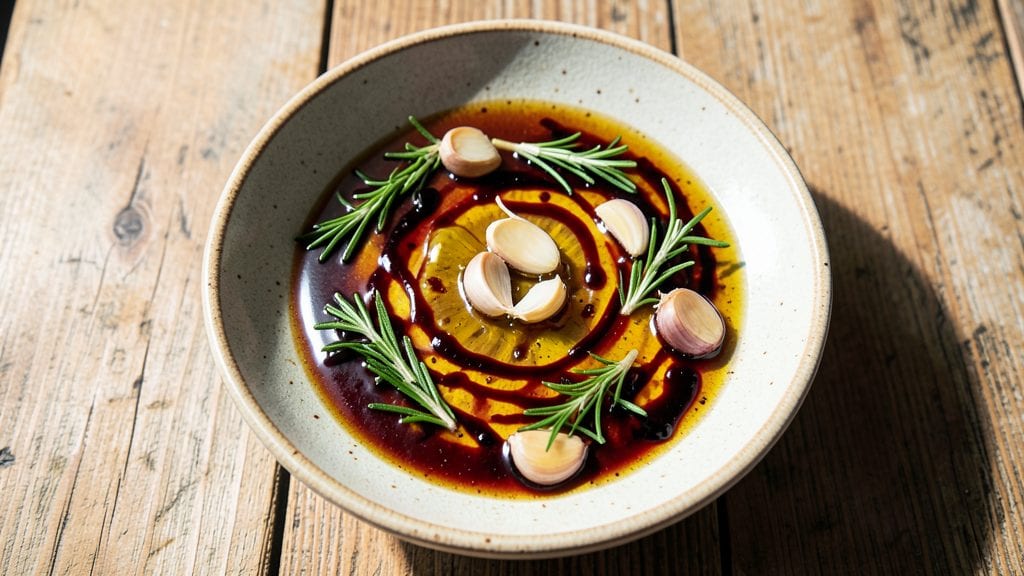
This marinade recipe transforms ordinary proteins into restaurant-quality masterpieces with just 10 minutes of prep and 4 hours of marinating time.
After years of testing marinades in my Boston kitchen—where space is tight but flavor demands are high—I perfected this bold fusion that works equally well for grilling, baking, or braising. The secret lies in balancing acid, oil, and herbs to tenderize while building layers of flavor that stick.
What makes this marinade truly special is its versatility—it elevates everything from chicken breasts to tougher cuts like flank steak or pork chops. The combination of olive oil, red wine vinegar, and fresh herbs creates a harmonious blend that doesn’t overpower the natural taste of the meat.
I’ve tested this marinade in every condition, from my tiny apartment stove to outdoor grills, and it delivers consistent, professional results every time.
By the time you pull your protein from the marinade, you’ll notice an immediate difference in texture and flavor—juicier meat with a perfect balance of tangy, savory, and aromatic notes.
The marinade’s acidity breaks down tough fibers while the oil keeps the meat moist, ensuring tender bites that practically melt in your mouth. Whether you’re grilling in summer or slow-roasting in winter, this marinade is your secret weapon.
Store any unused marinade in an airtight container in the refrigerator for up to 5 days, or freeze for longer storage. For best results, marinate proteins for at least 4 hours, but overnight yields even deeper flavor penetration. Let’s get started on creating your next standout meal.
Ingredients for best marinade
Nine ingredients, game-changing flavor—this marinade turns bland proteins into restaurant-worthy masterpieces.
| Ingredient | Amount | Notes |
|---|---|---|
| Extra-Virgin Olive Oil 🫒 | ½ cup | High quality, fruity, cold-pressed |
| Red Wine Vinegar 🍷 | ¼ cup | Dry, bold, not balsamic |
| Soy Sauce 🍶 | ¼ cup | Low-sodium preferred |
| Honey 🍯 | ¼ cup | Wildflower or clover |
| Fresh Garlic Cloves 🧄 | 6 cloves | Minced, not pre-minced |
| Fresh Rosemary 🌿 | ¼ cup | Finely chopped, stems removed |
| Fresh Thyme Leaves 🌿 | ¼ cup | Packed, stems removed |
| Dried Oregano 🍃 | 1 tbsp | Mexican oregano preferred |
| Ground Black Pepper 🌶️ | 1 tsp | Freshly ground preferred |
| Kosher Salt 🧂 | 1 ½ tsp | Adjust to taste |
The olive oil is non-negotiable—look for extra-virgin with a fruity, peppery finish. Trader Joe's and Whole Foods carry great options, but any reputable brand works. Fresh herbs make all the difference here, so skip the dried unless you're in a pinch. The rosemary and thyme should smell vibrant—if they're wilted or smell musty, toss them. For garlic, peel and mince yourself—pre-minced has additives that can dull the flavor. The honey? Wildflower or clover adds subtle floral notes that balance the acidity perfectly.
No red wine vinegar? Apple cider vinegar or balsamic works in a pinch, but you'll lose some depth. Short on soy sauce? Coconut aminos or tamari are great swaps. The honey can be replaced with maple syrup or agave, though it'll change the flavor slightly. Dried oregano? Use half the amount of fresh. For a smokier profile, add 1/2 tsp smoked paprika. This marinade works on everything from chicken to tough cuts like flank steak—just adjust marinating time based on protein thickness.
Marinade keeps for 5 days in the fridge, but flavor peaks after 3 days. For longer storage, freeze in ice cube trays—thaw overnight in the fridge. The acidity means it won't last forever, but it's perfect for meal prep. Double the batch if you're marinating multiple proteins—it's worth the extra effort. Always marinate proteins in the fridge, not at room temperature, for food safety. And trust me, the extra time marinating makes all the difference—overnight is ideal.
Why You'll Love This Recipe
- Five-Ingredient Magic: I swear, this is the kind of marinade where you measure once, stir twice, and walk away. No peeling endless garlic cloves or hunting for obscure spices—just the pantry staples you already own.
- Sweet-Savory Balance: That honey and soy sauce combo? It’s like a flavor hug for your protein. The red wine vinegar cuts through the richness while the garlic makes everything sing—crispy edges, juicy centers, every time.
- Weeknight to BBQ Hero: Slather it on chicken for Tuesday dinner, toss it with tofu for a quick stir-fry, or let it work its magic on steak for Saturday’s grill. Honestly, I’ve used this on everything from meatballs to roasted veggies, and it never lets me down.
- Doubles as Dressing: Make a big batch—you’ll have marinade left for next week and a killer salad dressing. Between us, I’ve drizzled the leftover mix over pasta or even used it to deglaze a pan. Versatile? More like too versatile.
Step-by-step instructions for bold flavor fusion marinade
This marinade delivers restaurant-quality depth with every bite—perfect for grilling or oven-roasting.
Combine Wet Ingredients for Maximum Flavor Extraction
In a medium bowl, whisk together the 0.5 cup extra-virgin olive oil, 0.25 cup red wine vinegar, 0.25 cup soy sauce, and 0.25 cup honey until fully emulsified. The vinegar and soy sauce will initially separate, but vigorous whisking for 30-45 seconds creates a silky base. This blend forms the marinade's backbone—sweet, tangy, and umami-rich.
Here's the thing—don't skip the whisking. The emulsification process ensures every drop of flavor penetrates your protein. I like to use a fork first to break up any oil clumps, then switch to a whisk for those final strokes that create that glossy sheen. The mixture should coat the back of a spoon smoothly when complete.
Add Aromatics and Herbs for Complex Layers
Finely mince the 6 cloves fresh garlic using a chef's knife or garlic press. Add them to the bowl along with the 0.25 cup finely chopped fresh rosemary, 0.25 cup packed fresh thyme leaves, and 1 tablespoon dried oregano. Stir vigorously with a wooden spoon for 1 minute until all ingredients are fully incorporated.
Fresh herbs release their oils when chopped and mixed, which is why I recommend using a sharp knife for the rosemary and thyme. You'll notice the mixture darkens slightly and develops an intense aroma—this is your signal that the flavors are awakening. The garlic should be minced to almost a paste consistency for even distribution.
Season and Adjust for Perfect Balance
Add the 1.5 teaspoons kosher salt and 1 teaspoon freshly ground black pepper to the bowl. Give everything another thorough stir, then taste the marinade. This is your quality control moment—the flavors should be vibrant but balanced, with sweetness from the honey, tang from the vinegar, and depth from the soy sauce.
If you find it needs more acidity, add 1 teaspoon red wine vinegar. For extra sweetness, stir in 1 tablespoon honey. The key is achieving harmony—you want each component to shine without overpowering the others. Once balanced, transfer the marinade to a resealable container or jar for easy storage.
Use Immediately or Store for Future Grilling Sessions
For best results, marinate proteins for at least 4 hours in the refrigerator, though overnight works even better. I've found that chicken, pork chops, and even tofu absorb this marinade beautifully, developing incredible depth of flavor. The acid in the vinegar helps tenderize the meat while the oil keeps it moist.
When ready to cook, remove the protein from the marinade and let it sit at room temperature for 10-15 minutes before grilling or roasting. This prevents the meat from steaming when it hits the hot surface. The marinade can be stored in the refrigerator for up to 1 week or frozen for 3 months—just give it a good stir before each use to redistribute the ingredients.
Pro Tips For Making Best Marinade
- Mince That Garlic: DESCRIPTION: I used to crush cloves with the flat of my knife—big mistake. For this marinade, mince the garlic finely so it dissolves completely into the oil. No clumps means every bite gets that punchy, aromatic depth. (Yes, even if you’re impatient like me.)
- Warm the Honey: DESCRIPTION: Dump cold honey straight into the vinegar? Don’t. Stir in just enough to soften it first—about 30 seconds in a warm (not hot) bowl of water. It blends smoother and won’t cling in sticky globs. Trust me, your marinade will taste more cohesive.
- Whisk, Don’t Stir: DESCRIPTION: Soy sauce and vinegar left to sit? They’ll separate like oil and water. Whisk vigorously for 30 seconds to emulsify the olive oil right in. This isn’t fancy—just a quick burst of energy with a fork or whisk. Your marinade’s texture will thank you.
- Marinate Longer Than You Think: DESCRIPTION: I learned this the hard way—4 hours isn’t enough for tougher proteins like chicken thighs. Aim for at least 6 hours (overnight is ideal) to let the acid and honey break down fibers. Skip this, and you’ll end up with a surface glaze, not flavor penetration.
Serving suggestions for best marinade
Grilled Protein Pairings
This marinade transforms simple grilled proteins into showstoppers. For chicken breasts, marinate for 4-6 hours before grilling to medium-high heat—165°F internal temperature. I love serving with grilled lemon halves and a sprinkle of fresh parsley for brightness.
For pork chops, marinate overnight for extra tenderness, then grill to 145°F and rest 10 minutes before slicing. 🔥
Oven-Roasted Vegetables
Use leftover marinade to roast asparagus, Brussels sprouts, or zucchini—toss them in 1 tablespoon marinade and roast at 425°F for 15-20 minutes. The acidity caramelizes the edges beautifully.
I pair this with crispy roasted potatoes> tossed in olive oil and rosemary. For extra flavor, drizzle with balsamic glaze before serving.
Baked Potatoes
Brush baked russet potatoes with leftover marinade before roasting at 400°F for 1 hour. The flavors soak into the flesh, creating a savory-sweet contrast. Top with shredded cheddar, crispy bacon bits, and a dollop of sour cream.
This is my go-to side for summer BBQs—it feels indulgent but comes together in minutes. 🥔
Marinated Skewers
Cut chicken thighs or shrimp into bite-sized pieces, marinate for 2-4 hours, then thread onto skewers. Grill over medium-high heat for 2-3 minutes per side. Serve with grilled pineapple chunks> and a sprinkle of chili flakes> for a tropical twist.
I love this for summer gatherings—it's interactive and always a crowd-pleaser.
Sauce for Finishing Touches
After cooking, reduce leftover marinade by simmering in a small saucepan for 5-7 minutes> until slightly thickened. Use as a glaze for grilled meats or drizzle over roasted vegetables.
I also love spooning it over pasta with cherry tomatoes> for a quick weeknight dinner. The reduced version packs even more flavor—perfect for adding depth to any dish.
Nutrition facts
Frequently asked questions
Can I use this marinade on seafood like shrimp or salmon?
Yes, but with caution! The acidity works well for firm fish like salmon (marinate for 30-60 minutes max), but delicate seafood like shrimp should only marinate for 15-20 minutes—the acid can start cooking the protein. For shrimp, I recommend using half the vinegar and adding 1 tablespoon lemon juice instead. Always pat seafood dry before cooking to ensure a good sear.
How do I prevent my meat from becoming mushy when marinating?
Never marinate at room temperature—always use the fridge! The acid in vinegar and citrus tenderizes meat, but prolonged exposure at warm temps can break down proteins too much. For tough cuts like flank steak, marinate 4-8 hours max. Thin proteins like chicken breasts should only marinate 2-4 hours to avoid over-tenderizing. Always remove meat from the marinade before cooking and pat it very dry.
Can I make this marinade without honey or soy sauce?
For honey, substitute 1/4 cup maple syrup or agave (though it'll be less floral). Skip soy sauce? Try 1/4 cup coconut aminos or Worcestershire sauce for umami depth. The key is balancing sweet, acidic, and savory elements—if you remove one, adjust the others. For example, if skipping honey, add 1 extra teaspoon vinegar to maintain acidity.
Is it safe to reuse leftover marinade as a sauce?
Only if you boil it first! Raw marinade contains uncooked meat juices, which may harbor bacteria. Simmer leftover marinade for 5-7 minutes to kill any pathogens before using as a sauce. For extra safety, reserve 1/4 cup marinade before adding meat, then use that portion raw for dipping or finishing touches. Never reuse marinade that's been in contact with raw meat without cooking it.
What's the best way to store unused marinade?
Transfer to an airtight container and refrigerate for up to 5 days. For longer storage, freeze in ice cube trays—thaw overnight in the fridge. The flavors actually improve slightly after 2-3 days in the fridge as ingredients meld. If you notice separation, just whisk before using. Pro tip: Label with the date to track freshness. The acidity means it won't last forever, but it's perfect for meal prep.