Salads
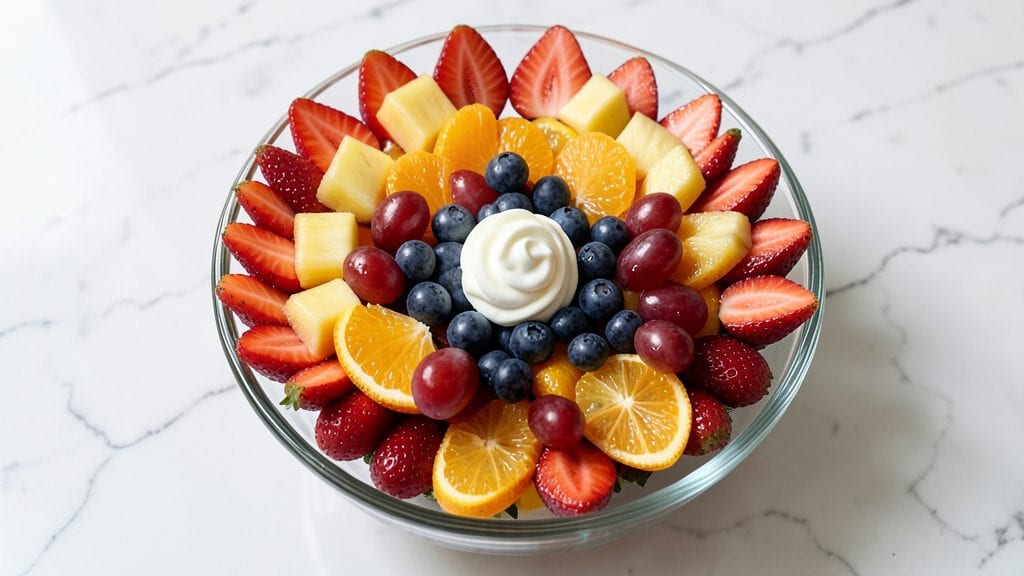
Betty Crocker’s fruit salad recipe delivers the perfect balance of bright citrus, juicy berries, and a touch of sweetness that’s as quick to make as it is refreshing. This classic dish transforms simple fruit into a vibrant, family-friendly centerpiece that works for picnics, potlucks, or a light dessert.
The secret lies in cutting fruit at the last minute to preserve texture and pairing it with a light yogurt-honey dressing that ties everything together.
What makes this recipe special is its flexibility—use seasonal fruit like strawberries, pineapple, and oranges in summer, or swap in apples and pears for a cozy fall twist. The dressing is optional but adds a creamy, tangy contrast that elevates the salad from ordinary to extraordinary.
With just 15 minutes of prep, you’ll have a dish that’s bright, healthy, and ready to impress.
Each bite offers a mix of textures—crisp citrus segments, tender berries, and juicy chunks—that burst with natural sweetness. The yogurt dressing adds a velvety finish, while optional toppings like granola or coconut flakes introduce a satisfying crunch.
This is the kind of fruit salad that disappears fast, leaving everyone asking for seconds.
Perfect for meal prep or last-minute gatherings, this recipe scales easily and keeps well in the fridge for up to 3 days. Whether you’re serving it at a summer barbecue or as a light afternoon treat, Betty Crocker’s fruit salad is a timeless classic with modern appeal. Let’s get started!
Ingredients for betty crocker fruit salad
Bright citrus, juicy berries, and a creamy honey dressing make this salad a vibrant centerpiece.
| Ingredient | Amount | Notes |
|---|---|---|
| Strawberries 🍓 | 1 lb | Hull and slice in half |
| Pineapple Chunks 🍍 | 1 cup | Fresh or canned, drained |
| Oranges 🍊 | 2 whole | Navel, peeled and segmented |
| Blueberries 🫐 | ½ cup | Fresh or frozen, thawed |
| Red Seedless Grapes 🍇 | 1 cup | Halved, stems removed |
| Plain Greek Yogurt 🥛 | ½ cup | Full-fat for creaminess |
| Honey 🍯 | 2 tbsp | Wildflower preferred |
| Lemon Juice 🍋 | 1 tbsp | Freshly squeezed |
| Granulated Sugar 🍚 | 1 tbsp | Optional, adjust to taste |
| Fresh Mint Leaves 🌿 | ¼ cup | Chopped, optional garnish |
| Toasted Coconut Flakes 🥥 | ¼ cup | Sweetened, optional topping |
| Vanilla Extract 🌸 | ½ tsp | Pure, for dressing depth |
| Salt 🧂 | ¼ tsp | Fine sea salt |
The fruit selection is key—opt for seasonal varieties to keep costs down and flavors fresh. Strawberries should be firm with bright green tops, while pineapple should be ripe but not mushy. Oranges work best when they yield slightly to gentle pressure. For berries, blueberries and grapes should be plump and dry. If using frozen fruit, thaw it in the fridge overnight to preserve texture. Trader Joe's and Whole Foods often carry pre-cut fruit that saves time, though fresh is always better. For the dressing, full-fat Greek yogurt ensures a rich, velvety texture—low-fat versions can make the salad taste thin. Local honey adds depth, but any honey will work in a pinch.
No pineapple? Mango chunks or peaches bring similar juiciness, though texture differs slightly. Swapping oranges for tangerines or mandarins keeps the citrus profile bright. If berries are out of season, frozen raspberries or blackberries (thawed) work well—just pat them dry to avoid sogginess. The dressing can be made vanilla-free if you dislike the flavor, but the extract adds a subtle warmth that balances the tartness. For a dairy-free option, substitute Greek yogurt with coconut yogurt or silken tofu blended with lemon juice. If you prefer a lighter dressing, reduce the honey to 1 tbsp and add 1 tsp maple syrup instead.
Fruit salad shines when prepped last-minute—citrus and berries oxidize quickly, so assemble just before serving for the crispiest texture. Store the dressing separately in an airtight container for up to 5 days in the fridge. The fruit itself keeps 2-3 days, though berries soften faster. For meal prep, portion toppings separately—granola and coconut flakes lose crunch when refrigerated. If making ahead, add dressing just before serving to prevent sogginess. This salad reheats beautifully for 20 seconds in the microwave if you need to warm it slightly, though it’s best enjoyed chilled.
Why You'll Love This Recipe
- Here’s what sold me: I can use whatever fruit’s on sale or about to go bad. A few overripe strawberries? Toss ’em in. A half-eaten pineapple? Perfect. The blueberries last days in the fridge, and the grapes? They keep for ages. It’s my budget-friendly way to eat fresh without breaking the bank.
- No Chopping Nightmare: I’ll be real—some fruit salads require knife work that feels like surgery. This one? Just toss in pre-cut strawberries, pineapple chunks, and grapes. The oranges? Peel and segment them once, then let the kids (or your lazy self) pull them apart. Done.
- Sweet-Tart Magic: That first bite of juicy strawberries against the bright tang of pineapple? Chef’s kiss. The blueberries add little bursts of earthiness, while the grapes tie it all together—like a flavor party where everyone’s invited. Honestly, it’s the kind of sweet that doesn’t make me regret dessert.
- Picnic to Potluck: Between us, this salad is my go-to for everything. Pack it in a cooler for a beach day, bring it to a BBQ (yes, even on a Tuesday night), or serve it at a holiday spread—it’s always a crowd-pleaser. The grapes stay plump, the pineapple doesn’t get soggy, and the oranges add a pop of color.
Step-by-step instructions for Betty Crocker's fruit salad recipe
This vibrant fruit salad combines fresh citrus and berries with a creamy yogurt dressing for a refreshing, balanced dish.
Prepare and Combine the Fresh Fruit
Begin by washing all the fruit thoroughly under cold water to remove any dirt or residue. Using a sharp knife, hull and slice the 1 lb strawberries in half, removing stems. For the 2 whole oranges, peel them using a vegetable peeler or sharp knife, then segment them carefully, removing any seeds or white pith. Cut the 1 cup red seedless grapes in half and remove the stems. If using frozen blueberries, thaw them first, then add the 0.5 cup blueberries to the mix.
Place all prepared fruit in a large mixing bowl. Add the 1 cup pineapple chunks, making sure they're drained well if using canned pineapple. Gently toss everything together with your hands or a large spoon, being careful not to crush the berries or grapes. This step ensures even distribution of flavors while preserving the natural texture of each fruit component.
Create the Yogurt Dressing
In a small bowl, combine the 0.5 cup plain Greek yogurt, 2 tbsp honey, 1 tbsp lemon juice, 1 tbsp granulated sugar, 0.5 tsp vanilla extract, and 0.25 tsp salt. Use a whisk to blend these ingredients until smooth and fully incorporated. The dressing should have a creamy consistency with a slightly sweet and tangy flavor profile.
Taste the dressing and adjust the sweetness or acidity if needed. If you prefer a more pronounced citrus flavor, add an extra splash of lemon juice. For those who prefer less sweetness, you can reduce the honey slightly. This dressing serves as the perfect balance to the fresh fruit flavors while adding a creamy texture to the salad.
Mix the Dressing with the Fruit
Pour the yogurt dressing over the fruit mixture in the large bowl. Using a large spoon or your hands, gently fold everything together until the dressing is evenly distributed throughout the fruit. Be careful not to overmix, as this could cause the fruit to break down and lose its natural texture. The salad should have a glossy appearance from the dressing while maintaining the distinct colors of each fruit component.
Let the fruit salad sit at room temperature for 10-15 minutes before serving. This brief resting period allows the flavors to meld together, creating a harmonious taste experience. The acidity from the lemon juice and yogurt will also help soften the fruit slightly, enhancing its natural sweetness.
Garnish and Serve
Before serving, chop the 0.25 cup fresh mint leaves into small pieces and sprinkle them evenly over the top of the fruit salad. Lightly toast the 0.25 cup toasted coconut flakes in a dry skillet over medium heat for 1-2 minutes, stirring constantly, until they're golden brown. Allow them to cool slightly, then sprinkle them over the fruit salad just before serving.
Serve the fruit salad immediately in individual bowls or as a refreshing side dish. The combination of bright citrus flavors, sweet berries, and creamy yogurt dressing creates a visually appealing and delicious dish that's perfect for any occasion. The mint and toasted coconut flakes add a final touch of freshness and crunch, enhancing the overall texture and flavor profile.
Pro Tips For Making Betty Crocker Fruit Salad
- CHILL THE STRAWBERRIES FIRST: I learned this the hard way—tossing room-temperature strawberries into the mix makes the whole salad watery fast. Pop them in the fridge for 10 minutes before cutting, or even better, rinse them in ice water after hulling. That crispness stays longer, and your salad won’t turn into a soggy mess by lunchtime.
- CUT ORANGES DRY: Oranges are sneaky—if you slice them wet, they’ll bleed juice everywhere and turn your fruit salad into a syrup bath. Pat the peel dry with a paper towel before zesting, then slice after you’ve removed all the segments. No one wants a bowl of orange juice with a few fruit bits floating in it.
- DON’T SKIP THE GRAPE RINSE: Red seedless grapes come coated in wax or preservatives, and those grapes will make your salad taste like plastic if you don’t clean them. Toss them in a colander with cold water, swirl them around, then drain. Two minutes of effort saves you from wondering why your fruit salad tastes off.
- USE COLD PINEAPPLE: This isn’t just about temperature—it’s about texture. Fresh pineapple chunks straight from the can or board are softer and release more juice, turning your salad into a mushy puddle. Stash them in the freezer for 20 minutes before adding, or use pre-chilled canned pineapple (drained well). Your salad will stay bright and bite-sized.
Troubleshooting this recipe
Fruit Oxidation Fix
Citrus and berries darken quickly when exposed to air, ruining that fresh, vibrant look. To prevent browning, toss cut fruit with 1 tbsp lemon juice or 1 tbsp apple cider vinegar immediately after slicing.
For extra protection, sprinkle with ½ tsp ascorbic acid powder (found in baking aisles) or store in an airtight container with a paper towel to absorb excess moisture. 🍊
Soggy Fruit Solution
If your fruit salad loses its crispness after mixing, the dressing is likely too wet. Reduce the yogurt to ¼ cup and add 1 tbsp honey instead of 2 tbsp to thicken it.
For an extra crunch, fold in ¼ cup granola or toasted nuts right before serving. Avoid pre-mixing dressings—always combine them last minute to keep fruit firm.
Uneven Dressing Distribution
When the dressing pools at the bottom instead of coating the fruit evenly, your fruit might be too dry or the bowl too large. Try using a smaller bowl (like a Pyrex measuring cup) to mix the dressing first, then fold it into the fruit in batches.
For extra cling, add ½ tsp xanthan gum to the dressing—it thickens without altering flavor. Stir gently with a silicone spatula to distribute evenly.
Citrus Bitterness Issue
If your oranges or grapefruit taste bitter, you’ve likely included too much of the white pith. Peel only the outermost layer and use a Y-peeler to remove segments cleanly.
For extra sweetness, marinate citrus slices in 1 tbsp honey + 1 tsp orange juice for 10 minutes before adding to the salad. Navel oranges are the sweetest choice—avoid grapefruit if bitterness is a concern.
Dressing Too Thin
A watery dressing usually means too much yogurt or not enough sweetener. Fix it by whisking in 1 tbsp cornstarch mixed with 1 tsp cold water to thicken, or add 1 tbsp chia seeds (soaked in water for 5 minutes) for a natural gel-like texture.
For a tangier fix, stir in ½ tsp Dijon mustard—it adds body without altering flavor.
Frozen Fruit Texture Problems
Frozen fruit often turns mushy when thawed improperly. Always thaw berries in the fridge overnight (never at room temperature) and pat them completely dry with a paper towel before adding to the salad.
For extra crispness, freeze fruit on a tray first to prevent clumping, then transfer to a bag. If using canned pineapple, drain thoroughly and press between paper towels to remove excess syrup.
Nutrition facts
Frequently asked questions
Can I make this fruit salad ahead of time?
It's best to assemble the salad just before serving to keep the fruit crisp. However, you can prep the dressing up to 5 days ahead and store it in an airtight container. For the fruit, cut it 1-2 hours before serving and store in separate containers with a sprinkle of lemon juice to prevent browning. The toppings like granola or coconut flakes should be added fresh for maximum crunch.
What fruits can I substitute if I don't have strawberries or oranges?
For strawberries, try peaches, mango, or kiwi. Replace oranges with tangerines, mandarins, or papaya for a tropical twist. If berries are out of season, frozen raspberries or blackberries work well—just thaw and pat them dry to avoid sogginess. The key is balancing sweet and tart flavors.
How do I keep the fruit from turning brown?
Citrus and berries oxidize quickly when exposed to air. Toss freshly cut fruit with 1 tbsp lemon juice or 1 tbsp apple cider vinegar right after slicing. Store in an airtight container with a paper towel to absorb excess moisture. For extra protection, sprinkle with ½ tsp ascorbic acid powder (found in baking aisles).
Is the dressing necessary, or can I serve the fruit plain?
The dressing adds a creamy, tangy contrast that balances the sweetness of the fruit, but it’s optional! If you prefer a lighter option, skip it or drizzle with just honey and lemon juice. For extra protein, serve with a side of Greek yogurt or a sprinkle of granola on top. The salad still tastes great without it!
Can I make this recipe dairy-free?
Yes! Swap the Greek yogurt for coconut yogurt or silken tofu blended with lemon juice. Use coconut milk yogurt for a richer texture. For the dressing, ensure all ingredients are dairy-free, and adjust sweetness as needed. The fruit will still shine on its own if you prefer to skip the dressing entirely.