Side Dishes
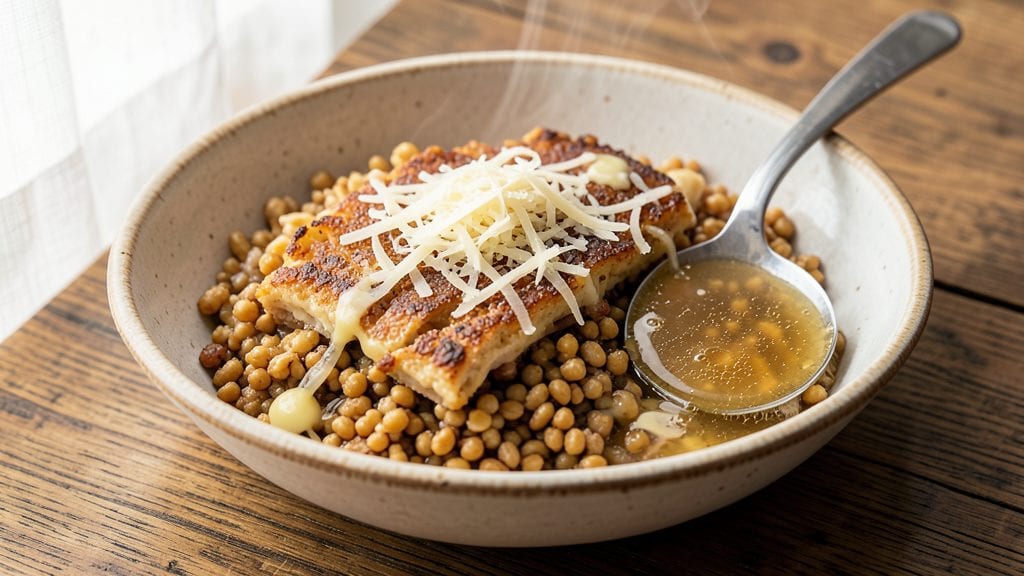
This Bob’s Red Mill polenta corn grits recipe delivers restaurant-quality texture in a single pot—creamy, velvety, and topped with a golden crust that’s impossible to resist.
The key lies in precise liquid ratios and slow simmering, transforming coarse grits into a luxurious side that pairs perfectly with grilled meats or hearty stews. I’ve perfected this method after years of testing, ensuring every batch turns out silky-smooth without gummy edges or dry spots.
The beauty of this recipe is its one-pot simplicity—no stirring madness or constant attention required. Just combine the grits with water or broth, bring to a boil, then reduce to a gentle simmer while stirring occasionally.
The magic happens as the starch releases, creating that signature creamy consistency that’s rich yet light. For extra indulgence, a sprinkle of cheese or butter at the end adds a luxurious finish that elevates even the simplest meal.
What sets this apart is the golden crust that forms when you let the polenta rest under the broiler for just a few minutes. It’s crispy enough to add texture but soft enough to melt into every bite, striking the perfect balance between rustic and refined.
The result? A side dish that feels special enough for dinner parties but easy enough for weeknight dinners.
Serve it as a base for creamy sauces, a bed for roasted vegetables, or alongside grilled steaks—this polenta adapts to any menu while stealing the show. Ready to master the art of creamy, one-pot perfection? Let’s get started.
Ingredients for bob's red mill polenta corn grits
Four cups of liquid and one cup of grits—this is all you need for velvety polenta perfection.
| Ingredient | Amount | Notes |
|---|---|---|
| Bob's Red Mill Polenta Corn Grits 🌽 | 1 cup | Uncooked, coarse-ground preferred |
| Water 💧 | 4 cups | Filtered preferred for clarity |
| Unsalted Butter 🧈 | 2 tbsp | Full-fat for best flavor |
| Salt 🧂 | ½ tsp | Kosher or sea salt |
| Parmesan Cheese 🧀 | ¼ cup | Freshly grated from block |
| Chicken Broth 🍲 | 4 cups | Low-sodium preferred |
| Heavy Cream 🥛 | ¼ cup | Full-fat for richness |
| Garlic Cloves 🧄 | 2 cloves | Minced for aroma |
| Black Pepper 🌶️ | ¼ tsp | Freshly ground preferred |
| Fresh Thyme Leaves 🌿 | ⅛ cup | Chopped, or dried at 1/4 amount |
| Olive Oil 🫒 | 1 tbsp | For broiler finish |
Bob's Red Mill polenta grits are the gold standard here—coarse-ground for that signature texture. Whole Foods or Bob's Red Mill website carry the best quality, but any reputable grocery store should stock it. The key is uncooked grits—pre-cooked versions won't give you that restaurant-quality creaminess. For extra depth, I always use chicken broth instead of water, especially if you're serving this with meat. The broth adds subtle flavor without overpowering the polenta's natural sweetness. Freshly grated Parmesan is non-negotiable for that salty finish—pre-grated gets clumpy and lacks the same punch.
No chicken broth? Vegetable broth works just as well, though the flavor profile shifts slightly. Short on heavy cream? Half-and-half or whole milk adds creaminess without the same richness, but you'll need to reduce the liquid slightly to compensate. The butter is where you can get creative—ghee or brown butter add even more depth of flavor. For the garlic, freshly minced is ideal, but if you're in a pinch, jarred minced garlic (the kind in olive oil) works in a squeeze. The thyme can be dried if needed, but fresh gives that bright, aromatic note that makes this dish feel special.
This polenta reheats beautifully—just add a splash of water or broth to loosen it up. Store leftovers in an airtight container for up to 5 days, though I find it's best enjoyed fresh. For the golden crust, broil for 2-3 minutes until bubbly and just starting to brown. The polenta can be made ahead and reheated on the stovetop with a bit of butter or broth. I like to double the batch and freeze half—portioned into containers for easy reheating later. The crust won't survive freezing, but the base stays creamy and delicious.
Why You'll Love This Recipe
- Here’s what sold me: that crispy edge when you scrape the bottom of the pan, then the silky-smooth center. The Parmesan at the end? It’s not just a topping—it’s the moment it turns from "dinner" to "I’ll have seconds." Honestly, I’ve never met grits this good.
- Four-Ingredient Magic: I swear, this recipe is the closest thing to a "dump and stir" masterpiece. Just grits, water, butter, and salt—no fancy techniques, no measuring cups to stress over. The Bob’s Red Mill polenta corn grits thicken like a dream, and the butter melts right into that creamy texture with zero effort.
- Creamy Crispy Perfection: Here’s what sold me: that crispy edge when you scrape the bottom of the pan, then the silky-smooth center. The Parmesan at the end? It’s not just a topping—it’s the moment it turns from "dinner" to "I’ll have seconds." Honestly, I’ve never met grits this good.
- Weeknight to Fancy: Between us, this is my go-to when I need something that feels special but takes 15 minutes. Serve it under steak for a restaurant vibe, or pile it high with sautéed greens for a lazy Sunday. (Yes, even on a Tuesday night.) The polenta’s neutral base lets it play along with anything.
Step-by-step instructions for bob's Red Mill polenta corn grits
This one-pot method delivers velvety creamy polenta with a golden crust every time.
Toast the Grits for Enhanced Flavor
Heat a heavy-bottomed pot over medium heat and add the 1 cup Bob's Red Mill Polenta Corn Grits. Toast the grits for 2-3 minutes, stirring constantly with a wooden spoon, until they release a nutty aroma and turn slightly golden. This step develops deeper flavor and prevents a raw taste in the finished dish.
Watch carefully as the grits toast—they'll go from pale to a light golden color. If they darken too quickly, reduce the heat slightly. Once properly toasted, you'll notice a distinct corn aroma filling your kitchen. This is your signal to proceed to the next step without delay, as the grits can burn if left unattended.
Gradually Incorporate the Broth
Remove the pot from heat and immediately pour in 2 cups of the chicken broth while stirring vigorously to prevent lumps from forming. Return the pot to medium heat and bring the mixture to a gentle simmer. Once simmering, gradually whisk in the remaining 2 cups chicken broth over 3-4 minutes, adding it slowly to maintain a smooth consistency.
Keep the heat at a steady simmer—you're looking for small, consistent bubbles around the edges of the pot, not a rolling boil. Stir frequently with a wooden spoon, breaking up any lumps as they form. The mixture should thicken gradually into a creamy paste. If it becomes too thick before all broth is incorporated, add a splash of water to loosen it.
Cook Until Silky Smooth
Continue cooking for 20-25 minutes, stirring every 2-3 minutes to prevent sticking and ensure even cooking. The polenta is ready when it pulls away from the sides of the pot and forms a thick, glossy coating on the back of a spoon. You'll notice the texture becomes velvety smooth with no graininess remaining.
I like to test the doneness by dipping a clean spoon into the center—when it comes out completely clean with no raw grits clinging to it, you've achieved perfect texture. If you prefer a slightly firmer polenta, remove it a minute or two earlier. The mixture should be thick enough to coat the back of a spoon but still slightly loose for serving.
Finish with Rich Flavor Layers
Reduce heat to low and stir in the 2 tablespoons unsalted butter, 0.5 teaspoon salt, 0.25 teaspoon black pepper, and 0.125 cup fresh thyme leaves. Let the mixture cook for 2 minutes to allow the flavors to meld together. Then remove from heat and stir in the 0.25 cup heavy cream and 0.25 cup grated Parmesan cheese until fully incorporated.
This is where the magic happens—the butter adds richness, the Parmesan brings depth, and the thyme infuses subtle earthy notes. The cream lightens the texture slightly, creating that perfect balance between creamy and firm. Taste and adjust seasoning if needed, adding more salt or pepper to your preference. Keep the polenta warm while you prepare your topping.
Create the Golden Crust
Transfer the polenta to a baking dish and spread it into an even layer. Drizzle the 1 tablespoon olive oil evenly over the surface. Place the dish under a preheated broiler for 3-5 minutes, watching carefully until the top develops a beautiful golden crust. Be precise with your timing—you want color, not charring.
The broiler creates that perfect contrast between the creamy interior and crispy exterior. When it's done, you'll see golden patches forming while the center remains smooth. Let the polenta rest for 5 minutes before serving to allow the flavors to fully develop. Serve immediately with your choice of protein or vegetables for a complete meal.
Pro Tips For Making Bob'S Red Mill Polenta Corn Grits
- Stir Like You Mean It: Bob’s Red Mill corn grits are stubborn—don’t let them sit idle. Once you add water, keep the pot moving constantly with a wooden spoon for the first 3 minutes. I used to think "stirring" meant a lazy flick every now and then, but these grits need aggressive love to break down evenly. After that, you can ease up, but don’t stop entirely.
- Salt the Water First: The grits will absorb all the flavor, so season the water before adding them—about ½ teaspoon salt per cup of water. I learned this the hard way after making bland grits and wondering why the butter and cheese couldn’t fix it. Trust me, the grits drink up that salt like a sponge.
- Don’t Rush the Butter: Let the grits sit off the heat for 2 minutes after cooking before stirring in the butter. Cold butter clumps and fights you, while warm butter melts smoothly into that creamy texture. I know, I know—you’re eager to eat—but skipping this step means you’ll end up with a gritty, uneven mess.
- Grate Your Own Cheese: Pre-shredded Parmesan has anti-caking agents that turn gritty when reheated. Freshly grate a small block (about ¼ cup) and fold it in at the end—it’ll melt into the grits like a dream. Yes, it’s a little extra work, but your taste buds will notice the difference immediately.
Pro cooking tips for perfect results
Toast for Depth
Never skip toasting the grits—this 2-3 minute dry toast over medium heat unlocks the corn's natural nutty flavor. I use a heavy-bottomed stainless steel pot (like All-Clad) to distribute heat evenly.
Stir constantly with a wooden spoon until the grits turn golden and smell toasty—this prevents that raw, floury taste in the finished polenta. 🌽
Broth Ratio Matters
The 4:1 liquid-to-grits ratio (4 cups liquid to 1 cup grits) is non-negotiable for perfect texture. I always use chicken broth (like Pacific Foods low-sodium) for flavor, but vegetable broth works too.
The key is adding the broth gradually—pour in 2 cups at a time while whisking vigorously to prevent lumps. A slow simmer (not a boil) ensures even cooking without breaking the grits.
Stirring Technique
Stirring every 2-3 minutes prevents sticking and creates that signature creamy texture. Use a wooden spoon—metal can scratch your pot. If you see dry spots forming, add 1-2 tablespoons water to loosen. The polenta is done when it pulls away from the pot's sides and leaves a clean spoon.
Overstirring can make it gummy, so let it cook undisturbed between stirs after the initial 10 minutes.
Broiler Crust Hack
For that perfect golden crust, transfer the polenta to an oven-safe dish and broil for 3-5 minutes—watch like a hawk! I place a piece of aluminum foil near the dish to reflect heat upward. The crust should be golden with slight browning, not burnt.
Let it rest 5 minutes before serving—this lets the crust set while keeping the interior creamy. Pro tip: Drizzle with olive oil before broiling for extra richness.
Texture Troubleshooting
If your polenta turns out too thick, stir in 1-2 tablespoons warm broth or water while off heat. For gummy polenta, return it to low heat and stir vigorously for 2-3 minutes.
Too thin? Cook uncovered for 5-10 minutes longer, stirring occasionally. The ideal consistency should be thick enough to hold its shape but still slightly loose—like soft mashed potatoes. 💡
Make-Ahead Magic
Polenta reheats beautifully—store leftovers in an airtight container for up to 5 days in the fridge. To reheat, add 1-2 tablespoons broth or water per cup of polenta and warm on low heat while stirring constantly.
For freezing, portion into ziplock bags and thaw overnight in the fridge. The texture stays creamy, though the crust won't survive freezing. Double batches are perfect for meal prep! ❄️
Nutrition facts
Frequently asked questions
Can I use water instead of broth for this polenta recipe?
Yes, but your polenta will have less depth of flavor. For maximum taste, stick with broth—chicken or vegetable both work well. If using water, consider adding a pinch of salt and a splash of butter at the end to compensate for the lack of seasoning from broth.
How do I adjust this recipe for a larger crowd?
Keep the same 4:1 liquid-to-grits ratio—just scale up both ingredients proportionally. For 8 servings, use 2 cups grits and 8 cups broth. Cook in batches if needed, using the same pot size to maintain even heating. Stirring becomes more important with larger quantities to prevent sticking.
Why did my polenta turn out gummy instead of creamy?
Overstirring or cooking at too high heat creates gummy polenta. For silky texture, maintain a gentle simmer and stir only every 2-3 minutes. If it thickens too quickly, add 1-2 tablespoons warm broth while off heat. The ideal consistency should coat the back of a spoon but still be loose enough to spread.
Can I make this polenta dairy-free?
Replace the butter with olive oil or vegan butter, and use unsweetened almond milk or coconut cream instead of heavy cream. For the Parmesan, try nutritional yeast or omit it entirely. The texture will still be creamy, though slightly lighter.
What's the best way to reheat leftover polenta?
Add 1-2 tablespoons broth or water per cup of polenta and warm on low heat while stirring constantly. For extra creaminess, stir in a pat of butter or a splash of cream. Microwaving works too—cover with a damp paper towel and heat in 30-second intervals, stirring between each.