
Soups & Stews
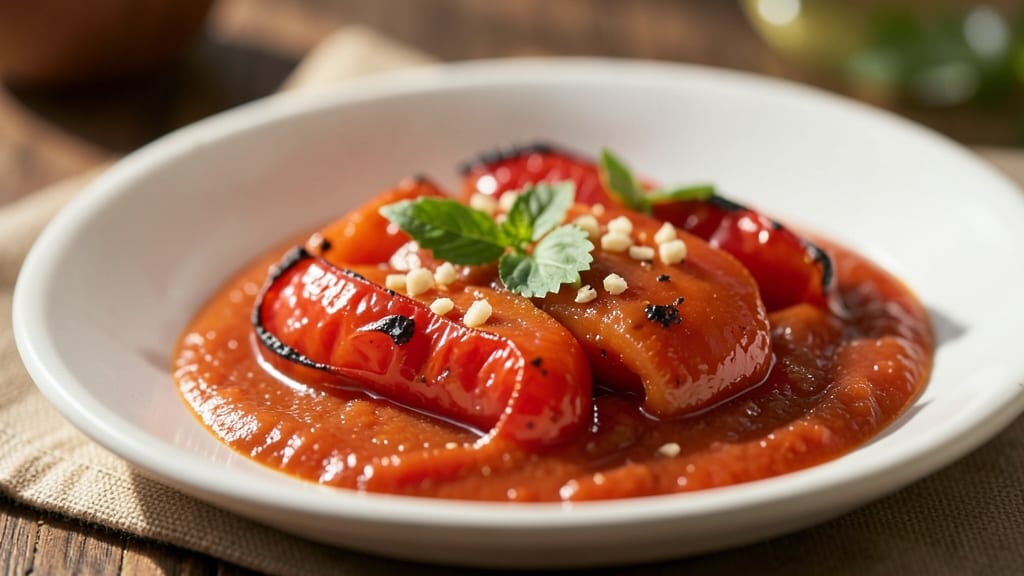
This calamari and tomato recipe delivers crispy, golden squid paired with a vibrant Italian sauce that balances acidity and sweetness perfectly. The secret lies in properly cleaning the squid and achieving that signature crunch through quick, high-heat cooking.
I've perfected this technique over years of testing, ensuring every bite remains tender inside while developing a satisfying exterior.
What sets this dish apart is the tomato sauce—simmered just enough to concentrate its natural sweetness while retaining a bright, tangy finish. Traditional Roman-style frying ensures the squid stays crispy, but I've adapted the method for home kitchens using simple tools.
The result? A restaurant-quality dish that takes less than 30 minutes to prepare, perfect for weeknight dinners or impressing guests.
The combination of crispy calamari and rich tomato sauce creates a harmonious balance of textures and flavors—crunchy squid meets velvety sauce with every bite. The sauce clings beautifully to the squid, enhancing its natural sweetness while adding depth through garlic and herbs.
This dish proves that seafood doesn't have to be complicated to taste extraordinary.
Serve with crusty bread to soak up every last drop of that bright Italian sauce, or pair with a simple arugula salad for a complete meal. The technique scales easily, so whether you're cooking for two or feeding a crowd, this recipe delivers consistent, professional results every time.
Ingredients for calamari tomato
Crispy calamari meets vibrant Italian sauce—just 12 ingredients for restaurant-quality results.
| Ingredient | Amount | Notes |
|---|---|---|
| Fresh Calamari Tubes 🦑 | 1 ½ lb | Cleaned, tentacles attached, patted dry |
| Extra-Virgin Olive Oil 🫒 | 1 ½ cups | High-quality, fruity, for frying |
| San Marzano Crushed Tomatoes 🍅 | 28 oz | Canned, no salt added |
| Garlic Cloves 🧄 | 6 cloves | Fresh, thinly sliced |
| Fresh Basil Leaves 🌿 | ½ cup | Packed, large leaves preferred |
| Red Bell Pepper 🌶️ | 1 whole | Medium, diced |
| White Wine 🍷 | ½ cup | Dry, chilled |
| Diamond Crystal Kosher Salt 🧂 | 1 ½ tsp | Fine grain for seasoning |
| Ground Black Pepper 🌶️ | ½ tsp | Freshly cracked |
| Lemon Juice 🍋 | 1 tbsp | Freshly squeezed |
| All-Purpose Flour 🌾 | ¼ cup | For dredging |
| Fresh Parsley 🌿 | ¼ cup | Chopped, for garnish |
The calamari quality makes all the difference. Fresh, never frozen, is essential—look for vibrant pink tubes at specialty seafood markets or high-end grocery stores like Whole Foods. The tentacles should be firm, not rubbery. If you can't find fresh, high-quality frozen calamari works in a pinch, but thaw it thoroughly in the fridge overnight. For the olive oil, Californian or Italian brands like Bertolli or Filippo Berio deliver the fruity notes needed for proper frying. The San Marzano tomatoes are non-negotiable—their natural sweetness and low acidity create the perfect sauce base. Trader Joe's carries them at a reasonable price, or check the international aisle at larger supermarkets.
No white wine? Substitute with additional tomato juice or chicken broth, but the acidity will differ slightly. Fresh basil is ideal, but dried basil at one-third the amount works if you're in a bind. For the red bell pepper, any color works, but red provides the best visual contrast. The flour dredge is crucial—use low-protein all-purpose flour for the lightest crust. If you're short on time, cornstarch mixed with flour (half and half) creates an even crispier texture. The lemon juice brightens the sauce, so never skip it—even if you're not a fan of citrus, the acidity balances the richness of the olive oil.
Fresh calamari keeps best in the fridge for 2 days if properly cleaned and stored in an airtight container with a paper towel. The sauce can be made up to 3 days ahead and reheated gently—just add a splash of water if it thickens too much. For frying, maintain oil temperature at 350°F using a thermometer; if it's too hot, the calamari burns before cooking through. The sauce reheats beautifully, so double the batch—it's perfect over pasta or as a dipping sauce for crusty bread. Store leftovers in the fridge for up to 4 days, but the calamari is best enjoyed fresh.
Why You'll Love This Recipe
- No-Chop Needed: I swear by this—just slice the calamari tubes into rings (no peeling, no fuss) and toss them straight into the pan. The San Marzano tomatoes do all the heavy lifting while you sip your wine.
- Taste Like a Taverna: That first bite of crispy calamari with the sweet, juicy tomatoes and fresh basil? It’s the kind of dish that makes you close your eyes. The garlic sizzles just enough to wake up every flavor without overpowering.
- Weeknight to Party Fix: Serve it with crusty bread for a lazy Tuesday dinner or plop it on a platter for game night. The same simple prep works for both—just adjust the portions. (Yes, even on a Tuesday night.)
- Leftovers That Don’t Suck: Unlike most fried seafood, this keeps well for a day or two. Reheat gently in a pan with a splash of water, and it’s just as good—maybe even better—because the flavors meld overnight. Budget win.
Step-by-step instructions for crispy calamari with Italian tomato sauce
Here's the method to achieve perfectly golden calamari paired with a vibrant, balanced tomato sauce.
Prepare and Dredge the Calamari
Pat the 1.5 lb fresh calamari tubes completely dry with paper towels, ensuring no moisture remains on the surface. This step is critical for achieving that signature crispy texture. Using a sharp chef's knife, make a shallow slit along one side of each tube to help it open flat during cooking.
In a shallow bowl, combine the 0.25 cup all-purpose flour with 1 tsp of the 1.5 tsp diamond crystal kosher salt and 0.25 tsp of the 0.5 tsp ground black pepper. Lightly dredge each calamari tube in this mixture, tapping off any excess. Work in batches to maintain even coating. The flour creates a delicate crust that will brown beautifully during frying.
Fry the Calamari Until Golden
Heat 1 cup of the 1.5 cups extra-virgin olive oil in a deep skillet over medium-high heat until the oil reaches 350°F—it should shimmer gently when tested with a wooden chopstick. Fry the dredged calamari in batches for 1-2 minutes per side until they develop a deep golden brown color. Avoid overcrowding the pan to maintain proper heat.
Transfer the fried calamari to a paper towel-lined plate and sprinkle immediately with the remaining 0.5 tsp ground black pepper. The calamari should be crispy to the touch but still tender inside. Keep them warm while you prepare the sauce, but don't let them sit too long or they'll lose their crispness.
Build the Tomato Sauce Base
In the same skillet (with the remaining 0.5 cup extra-virgin olive oil), add the 6 cloves sliced garlic cloves and the 1 whole red bell pepper diced into small pieces. Sauté over medium heat for 3-4 minutes until the garlic is fragrant and the peppers begin to soften. Add the 28 oz san marzano crushed tomatoes and stir well to combine.
Pour in the 0.5 cup chilled white wine and scrape up any browned bits from the bottom of the pan. This deglazing step captures all the flavor you've built. Let the sauce simmer gently for 10-12 minutes until it thickens slightly, stirring occasionally. The sauce should coat the back of a spoon but remain vibrant in color.
Finish and Combine
Remove the sauce from heat and stir in the 0.5 cup packed fresh basil leaves and the 1 tbsp freshly squeezed lemon juice. Season with the remaining 0.5 tsp diamond crystal kosher salt. Let the sauce steep for 5 minutes to allow the flavors to meld together. The acidity from the lemon juice will brighten the tomatoes while the basil adds freshness.
Return the crispy calamari to the skillet with the sauce and toss gently to coat. The residual heat will warm the calamari through without making them soggy. Garnish with the 0.25 cup chopped fresh parsley just before serving. The contrast between the crispy calamari and the velvety tomato sauce creates a perfect balance of textures and flavors.
Pro Tips For Making Calamari Tomato
- Cut Squid Lengthwise: Split each tube open like a zipper—this keeps them flat, cooks faster, and soaks up the tomato sauce better. I used to leave them whole, and they’d curl up like little question marks, half-drowning in their own juices.
- Sear First, Simmer Second: Hit the calamari in a screaming-hot pan with olive oil for 30 seconds per side until golden—don’t wait for the tomatoes. Afterward, toss in the crushed tomatoes and garlic, then let it all bubble gently. Rushed batches turn rubbery; patience here makes the difference.
- Crush Garlic Like Mad: No mincing, no chopping—smash those cloves flat with the side of your knife first, then crush them into a paste. This prevents bitter almond notes and melts the flavor straight into the oil. I learned this after burning my tongue on a half-raw clove.
- Reserve That Oil: After searing the calamari, pour off all but 1 tablespoon of that golden, garlic-infused oil before adding tomatoes. The leftover oil is liquid flavor—drizzle it over the finished dish or use it to finish pasta. Waste not, want not.
Perfect pairings for calamari tomato
Crispy Bread Pairing
Serve your calamari with warm, crusty focaccia bread—its airy texture soaks up the tomato sauce beautifully. I like to brush slices with extra-virgin olive oil and sprinkle with flaky sea salt before baking at 375°F for 15 minutes.
The bread's slight chewiness contrasts perfectly with the squid's crispiness, creating a satisfying bite. 🥖
Bright Arugula Salad
A simple arugula salad with lemon vinaigrette cuts through the richness of the dish. Toss 4 cups baby arugula with 2 tbsp olive oil, 1 tbsp fresh lemon juice, and ½ tsp honey for balance.
Top with ¼ cup shaved Parmesan and 2 tbsp toasted pine nuts for crunch. The peppery greens refresh your palate between bites of calamari. 🥗
Italian White Wine
Pair your calamari with a crisp Vermentino from Sardinia—its citrus notes complement the tomato sauce's acidity. For a budget-friendly option, try Pinot Grigio from Alto Adige. Avoid bold reds like Chianti, which can overpower the delicate flavors. Serve chilled at 50°F to enhance the dish's brightness. 🍷
Beer Pairing
A light Italian lager like Peroni or Moretti balances the dish's richness without competing. For craft beer lovers, a Belgian witbier (like Hoegaarden) adds subtle spice and citrus. Avoid heavy IPAs—they’ll overwhelm the sauce's delicate flavors. Serve at 45°F for the best experience. 🍺
Spicy Kick Option
Add ½ tsp red pepper flakes to the sauce for heat lovers, or serve spicy Calabrian chili paste on the side. For a smoky twist, drizzle with 1 tsp white truffle oil just before serving. Both options elevate the dish without altering the original recipe. 🌶️
Dessert Contrast
End the meal with lemon sorbet or limoncello granita to cleanse your palate. The bright citrus notes mirror the lemon in the sauce, creating a cohesive dining experience. For a richer finish, try affogato—espresso poured over vanilla gelato. The contrast is refreshing after the savory calamari. 🍋
Nutrition facts
Frequently asked questions
Why does my calamari turn rubbery instead of crispy?
Overcooking or improper drying causes rubbery calamari. Always pat the squid completely dry before frying, and cook at 350°F for just 1-2 minutes per side. If the oil isn't hot enough, the exterior burns before the inside cooks through. Work in small batches to maintain proper heat.
Can I use frozen calamari in this recipe?
Frozen calamari works but requires extra care. Thaw it overnight in the fridge, then pat extra dry—frozen squid retains more moisture. For best results, soak the thawed calamari in cold water for 10 minutes before dredging to remove any ice crystals. The texture won't be identical to fresh, but it's still delicious.
How do I make the tomato sauce less acidic?
Simmer the sauce longer (15-20 minutes) to reduce acidity, or add 1 tsp sugar or ½ tsp honey while cooking. For extra richness, stir in 1 tbsp tomato paste at the start. The lemon juice at the end should be ½ tbsp or less if you prefer a milder flavor.
What's the best way to reheat leftovers?
Reheat the sauce and calamari separately to avoid sogginess. Warm the sauce in a saucepan over low heat for 3-4 minutes, then gently toss the calamari in a dry skillet over medium heat for 30 seconds per side to restore crispiness. Add a splash of water to the sauce if it thickens too much.
Can I substitute wine in the sauce?
Yes! Use ½ cup tomato juice or chicken broth as a substitute, but the sauce will be slightly less complex. For depth, add 1 tsp balsamic vinegar or ½ tsp soy sauce to mimic wine's umami. The dish will still taste great—just with a different flavor profile.