
Sauces & Condiments
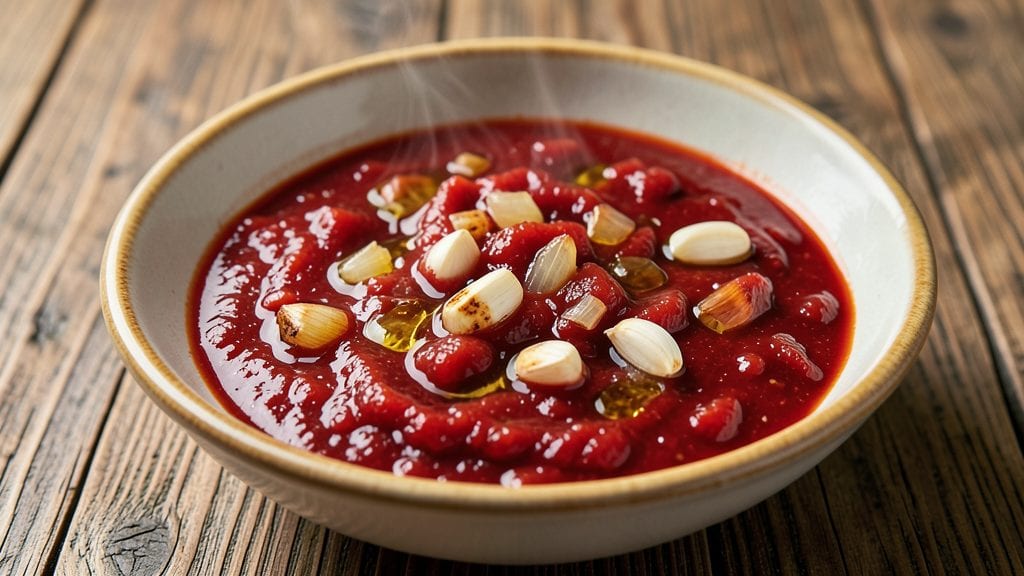
A cooked tomato salsa sauce recipe transforms simple canned tomatoes into a rich, thick sauce that elevates everything from tacos to pasta. This isn't your basic salsa—it's a simmered, concentrated flavor bomb that builds depth through slow cooking and pantry staples.
I developed it during a particularly busy week when I needed something restaurant-quality without the fuss, and it's been my secret weapon ever since.
The beauty of this sauce lies in its versatility and foolproof technique. With just 15 minutes of active prep and 30 minutes of simmering, you'll create a sauce that's thick enough to cling to noodles or crispy fries, yet still bright enough to stand alone as a dip.
The key is balancing acidity and sweetness through careful seasoning, while letting the tomatoes break down into a velvety consistency that's impossible to resist.
What you'll end up with is a sauce that's deeply aromatic from the garlic and onion, slightly sweet from the tomatoes, and perfectly balanced with a touch of acidity from the vinegar.
It's the kind of sauce that makes you want to slather it on everything—grilled meats, roasted vegetables, or even as a marinade. The best part? It keeps beautifully in the fridge for up to a week, so you can make a big batch and enjoy it all week long.
This sauce works as a marinade, a topping, or even a base for soups. Whether you're prepping for a dinner party or just want to add depth to your weeknight meals, this recipe delivers professional results with minimal effort. Let's get started—your taste buds will thank you.
Ingredients for cooked tomato salsa sauce
Nine pantry staples transform canned tomatoes into restaurant-quality sauce.
| Ingredient | Amount | Notes |
|---|---|---|
| Canned San Marzano Tomatoes 🍅 | 28 oz | Crushed by hand for texture |
| Yellow Onion 🧅 | 1 whole | Diced, medium size preferred |
| Garlic Cloves 🧄 | 4 cloves | Minced, fresh preferred |
| Extra-Virgin Olive Oil 🫒 | ¼ cup | High quality, fruity |
| Apple Cider Vinegar 🍎 | 1 tbsp | Balances sweetness |
| Granulated Sugar 🍬 | 1 tbsp | Adjust to taste |
| Salt 🧂 | 1 tsp | Kosher or sea salt |
| Ground Cumin 🌿 | ½ tsp | Toasted for depth |
| Smoked Paprika 🌶️ | ½ tsp | Adds subtle smokiness |
| Fresh Cilantro 🌿 | ¼ cup | Chopped, stems removed |
San Marzano tomatoes are the secret weapon here—they're sweeter and less acidic than regular canned tomatoes, giving you that velvety texture without extra sugar. Trader Joe's and Whole Foods carry them, but any high-quality canned tomatoes work in a pinch. The onion and garlic are non-negotiable for depth—don't skip the mincing, even if it takes a minute. For the spices, Penzeys or bulk bins at natural food stores give you the freshest cumin and paprika, but the grocery store stuff works fine if it's not ancient. Quick test: if your spices smell like dust, toss them. Fresh cilantro adds brightness, but dried works at half the amount if you're out.
No San Marzano tomatoes? Crushed tomatoes in a 28-oz can are fine—just add an extra pinch of sugar. Vinegar too sour? Substitute lemon juice at the same amount. Want more smokiness? Swap smoked paprika for regular paprika plus a pinch of cayenne. The sugar is key here—it balances the acidity and helps thicken the sauce. If you're using very sweet tomatoes, you might not need any, but I always add it. For a smoother sauce, blend half the batch before mixing it back in—it's a game changer. The olive oil matters too—use something you'd actually drizzle on bread, not the cheap stuff.
This sauce keeps beautifully—1 week in the fridge or 6 months frozen. I always make double because it disappears fast. Store it in an airtight container with a thin layer of olive oil on top to preserve the color. Freeze in ice cube trays for single-serving portions—perfect for quick meals. Reheat gently on the stove or microwave until just warmed through. The longer it sits, the better it gets—flavors meld like magic. Trust me, you'll want to make this weekly.
Why You'll Love This Recipe
- No-Chop Nightmare: I swear by this sauce because it’s the only time I can leave the onion and garlic whole—just peel, crush with my palm, and toss in. The San Marzano tomatoes melt down into something silky without any fuss, and honestly? That’s my kind of magic.
- Umami Bomb: The slow simmer with apple cider vinegar and olive oil transforms simple canned tomatoes into something rich and layered. That first bite where the acidity cuts through the sweetness? It’s the kind of flavor that makes you pause mid-bite, like, "Wait, is this just tomatoes?"
- Pantry Staple Power: This sauce is my meal-prep MVP—it’s the base for pasta, a quick braise for proteins, or even a dip with crusty bread. I’ll be real: I’ve had it three nights in a row, and my family still begs for more. (Yes, even on a Tuesday night.)
- Budget-Friendly Luxury: For under $5, I get enough sauce to feed four people, with leftovers that taste just as good reheated. The San Marzano tomatoes might seem like a splurge, but one can stretches farther than you’d think—especially when you’re not wasting anything.
Instructions for cooked tomato salsa sauce
Here's how to transform simple pantry staples into a rich, flavorful sauce that elevates everything from tacos to grilled meats.
Sauté the Aromatics
Heat the 0.25 cup extra-virgin olive oil in a medium saucepan over medium heat. Add the 1 whole yellow onion, diced into ¼-inch pieces, and cook for 5-6 minutes until softened and translucent. You'll know it's ready when the onion edges begin to turn golden around the edges.
Lower the heat to medium-low and add the 4 cloves minced garlic. Cook for 30-45 seconds until fragrant—this is where the foundation of your sauce's flavor develops. Don't let the garlic brown, or it will turn bitter. I stir constantly during this step to prevent burning while ensuring even cooking.
Build the Sauce Base
Pour in the 28 oz canned San Marzano tomatoes (crushed by hand if not already). Add the 1 tbsp apple cider vinegar, 1 tbsp granulated sugar, 1 tsp salt, 0.5 tsp ground cumin, and 0.5 tsp smoked paprika. Stir everything together until the spices are fully dissolved and the mixture is uniform.
Bring the sauce to a gentle simmer over medium heat. Let it cook uncovered for 15-20 minutes, stirring occasionally. You're looking for the sauce to reduce slightly and develop a thick, syrupy consistency. The sauce should coat the back of a spoon when you lift it—this indicates proper reduction without burning.
Simmer to Perfection
Once the sauce has thickened, reduce the heat to low and let it simmer gently for another 10-15 minutes. This slow cooking allows the flavors to meld together beautifully. Taste the sauce and adjust the seasoning if needed—you might need a little more salt or sugar depending on your tomatoes.
Here's where the magic happens: the smoked paprika and cumin should be noticeable but not overpowering. The apple cider vinegar balances the sweetness of the tomatoes, while the extra-virgin olive oil adds richness. If the sauce becomes too thick, add 1-2 tablespoons of water to loosen it to your desired consistency.
Finish and Serve
Remove the sauce from heat and let it cool slightly for 5 minutes. Stir in the 0.25 cup chopped fresh cilantro, reserving a few sprigs for garnish. The cilantro adds a bright, fresh finish that cuts through the richness of the sauce.
Taste one final time and adjust the seasoning if necessary. Serve the sauce warm or at room temperature. It pairs beautifully with grilled meats, tacos, or even as a dip for tortilla chips. The sauce will keep in the refrigerator for up to 5 days, and the flavors actually deepen over time—so make extra if you can!
Pro Tips For Making Cooked Tomato Salsa Sauce
- Sear the Onion First: I learned this the hard way—skip the soft, mushy onion and cook it in olive oil over medium heat until it’s deep golden, almost caramelized, before adding tomatoes. That sweet, concentrated flavor is the backbone of the sauce, and it won’t dissolve into nothingness like it does if you toss it in raw.
- Crush Garlic with a Knife: Minced garlic burns faster than you think, and you don’t want that bitter hit ruining your sauce. Instead, smash the cloves with the flat side of your knife, peel them, then chop finely—this keeps them from turning to ash while still releasing their flavor.
- Simmer, Don’t Boil: Low and slow is your friend here. A rolling boil reduces the tomatoes into a watery sludge, but a gentle simmer (just tiny bubbles at the edges) lets the flavors meld without losing texture. After 20 minutes, you’ll notice the difference—richer, thicker, and way more balanced.
- Vinegar Last, Not First: Sounds weird, but it works: Add the apple cider vinegar at the very end, just before tasting. If you toss it in early, the acidity will break down the tomatoes too fast, turning your sauce into a thin, tangy mush. A splash at the end brightens the flavor without wrecking the texture.
Best sauces and condiments for these flavors
Classic Pairings
This sauce is a game-changer for grilled meats—I love using it as a marinade for skirt steak or chicken thighs before grilling. The smoky depth pairs perfectly with charred proteins. For tacos, spread it on warm corn tortillas with crumbled queso fresco and pickled onions. 🌶️
Unexpected Uses
Think beyond tacos! Use it as a base for pasta sauce—toss with pappardelle and top with pecorino cheese. It also elevates roasted potatoes or grilled vegetables like eggplant or zucchini. I even drizzle it over avocado toast for a brunch upgrade.
Dipping Sauce
Serve it warm as a dip with tortilla chips or pita bread. The thick texture holds up perfectly, and the smoky-sweet balance makes it irresistible. For extra flair, add a dollop of sour cream or Greek yogurt on top. It’s a crowd-pleaser at parties!
Freezer-Friendly
Freeze portions in ice cube trays for easy single-serving use later. Thaw in the fridge overnight, then reheat gently on the stove. The sauce thickens slightly after freezing, so add a splash of water if needed. I keep a stash in my freezer for quick weeknight meals.
Global Twists
For an Italian touch, stir in 1 tsp dried oregano and serve with grilled sausage. For a Mexican-inspired kick, add ½ tsp cayenne pepper and serve with black beans. The possibilities are endless—let your taste buds guide you!
Pro Tips
If the sauce tastes too acidic, balance it with a pinch more sugar. For extra richness, stir in 1 tbsp butter at the end. And if you love texture, blend half the batch before mixing it back in for a silky-smooth version.
Trust me, this sauce deserves a spot in your weekly rotation. 💫
Nutrition facts
Frequently asked questions
Can I make this sauce without fresh cilantro?
If you don't have fresh cilantro, use 1 teaspoon dried cilantro or ½ teaspoon dried oregano instead. For a different flavor profile, try ½ teaspoon dried basil or a pinch of red pepper flakes for heat. The sauce will still taste delicious—just with a slightly different herbal note.
How do I adjust the thickness of the sauce?
For a thicker sauce, simmer uncovered for an extra 5-10 minutes to reduce further. If it gets too thick, stir in 1-2 tablespoons of water or tomato juice to loosen it. For a smoother texture, blend half the batch before mixing it back in. The ideal consistency should coat the back of a spoon but still be pourable.
Can I use this sauce as a marinade?
Yes! This sauce makes an excellent marinade for grilled chicken, steak, or shrimp. Let the protein soak for at least 30 minutes (or up to 4 hours in the fridge) for maximum flavor. The acidity from the vinegar helps tenderize the meat, while the spices add depth. Just don’t use it for acidic meats like salmon, as the vinegar could overpower them.
Why does my sauce taste too sweet or sour?
If your sauce tastes too sweet, reduce the sugar to ½ teaspoon next time or add a splash of lemon juice to brighten it. For a sour flavor, balance it with a pinch more sugar or a tiny bit of honey. Taste as you go—adjusting while cooking is easier than fixing it later. The key is finding harmony between the tomatoes, vinegar, and sweetness.
How long can I store this sauce in the fridge?
This sauce keeps for up to 7 days in an airtight container in the fridge. For longer storage, freeze it for up to 6 months. To preserve freshness, add a thin layer of olive oil on top before sealing. The flavors actually improve over time, so it’s perfect for meal prep! Just thaw in the fridge overnight.