Snacks
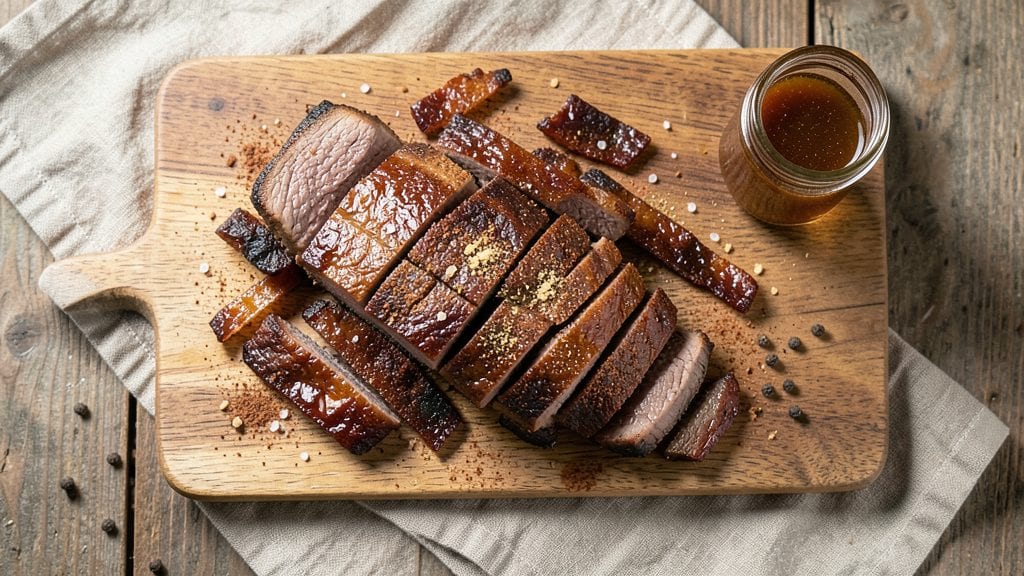
This old-fashioned beef jerky recipe delivers the perfect balance of smoky-sweet tenderness that makes every bite irresistible. The process transforms simple cuts of beef into a protein-packed snack that's been enjoyed for generations, with just the right amount of seasoning and careful drying.
I've perfected this method over years of testing, ensuring each piece comes out perfectly tender while maintaining that classic jerky flavor.
The key to success lies in the curing process—using a precise blend of salt and spices that penetrates the meat deeply, followed by thorough drying to achieve that signature texture.
This isn't just about dehydration; it's about patience and technique, where every step matters to create jerky that's both safe to eat and packed with flavor. The result is a product that's far superior to anything you'll find in stores, with a satisfying chew and rich taste profile.
What you'll end up with is beef jerky that's tender enough to eat in large quantities without getting tired, yet firm enough to hold its shape. The smoky-sweet seasoning clings perfectly to each piece, creating a flavor that's both bold and balanced.
This method preserves the natural beef flavor while adding layers of complexity through careful seasoning and drying techniques.
Perfect for hiking trips, office snacks, or simply satisfying that craving for something savory and portable. The best part? You can make a large batch in just 24 hours, giving you a reliable supply of homemade jerky that's always ready when you need it.
Let's get started on creating your own perfect batch!
Ingredients for old fashioned beef jerky
Twelve simple ingredients transform tough beef into irresistible jerky—no fancy equipment needed!
| Ingredient | Amount | Notes |
|---|---|---|
| Top Round Roast Beef 🥩 | 3 lb | Center-cut, evenly thick slices |
| Kosher Salt 🧂 | ½ cup | Non-iodized, fine grain preferred |
| Brown Sugar 🍯 | ½ cup | Light or dark, packed |
| Ground Black Pepper 🌶️ | 2 tbsp | Freshly cracked preferred |
| Smoked Paprika 🌶️ | 2 tbsp | For authentic smoky flavor |
| Garlic Powder 🧄 | 1 tbsp | Freshly ground if possible |
| Onion Powder 🧅 | 1 tbsp | For subtle depth |
| Ground Coriander 🌿 | 1 tbsp | Citrusy note, optional but great |
| Cayenne Pepper 🔥 | 1 tsp | Adjust for heat preference |
| Apple Cider Vinegar 🍎 | ¼ cup | For tenderizing and tang |
| Worcestershire Sauce 🍶 | 1 tbsp | For umami depth |
| Liquid Smoke 🌫️ | 1 tbsp | Enhances smokiness without fire |
| Water 💧 | 1 cup | For curing brine |
The top round roast is your secret weapon—it's lean but tender when sliced thin, and Costco or Walmart usually carry it pre-sliced for convenience. Look for evenly thick slices (about 1/4-inch) so they dry uniformly. If buying whole, slice against the grain for that signature chew. Kosher salt is non-negotiable here—it dissolves better than table salt and penetrates deeply. Grab the fine grain kind (like Diamond Crystal) for even distribution. The brown sugar adds the sweetness that balances the smokiness—light or dark both work, but dark gives a deeper caramel note.
No smoked paprika? Substitute 1 tbsp regular paprika plus 1/2 tsp liquid smoke for that authentic campfire taste. Short on time? Pre-mixed jerky seasoning works in a pinch, but you'll miss the coriander's citrusy brightness. The apple cider vinegar is magic—it tenderizes while adding tang, but lemon juice in a bind works too. Worcestershire sauce might sound fancy, but it's just a must-have pantry staple that adds that unmistakable umami kick. For the heat, reduce cayenne if you're sensitive, or swap for hot sauce (like Frank's RedHot) at half the amount.
This cure keeps for up to 2 weeks in the fridge once mixed—just store it in an airtight container. The beef needs 24 hours in the cure, then 12-24 hours drying (depending on humidity). For longer storage, freeze the dried jerky in vacuum-sealed bags—it'll last 6-12 months that way. Pro tip: Slice the jerky into strips right before drying to prevent sticking. And if you make extra? Gift it—homemade jerky makes the best edible present!
Why You'll Love This Recipe
- No-Fuss Prep: I swear by this recipe because it’s actually simple—just slice the top round thin, toss it in a bowl with salt, sugar, and spices, then let the dehydrator do the work. No marinating overnight, no fancy equipment. Honestly, I make a batch while watching TV.
- Sweet-Smoky Magic: That combo of brown sugar and smoked paprika? It’s like a hug for your taste buds—sweet, salty, and just a hint of smokiness that sticks with you. The pepper adds a little kick, but it’s the caramelized sugar crust that makes it dangerously addictive.
- Snack Attack Ready: Between us, this jerky is my secret weapon for road trips, gym bags, or when I’m craving something savory without the mess. It keeps for weeks in the fridge, so I always have a stash for emergencies—or just because I’m lazy and don’t want to cook.
- Budget-Friendly Protein: Top round is cheap, and a pound stretches forever. I buy it in bulk, make a big batch, and suddenly I’ve got a shelf-stable protein that costs pennies per serving. Plus, no leftovers to worry about—it all gets eaten, no waste. (Yes, even on a Tuesday night.)
Step-by-step instructions for old fashioned beef jerky
This method transforms tough top round roast beef into melt-in-your-mouth jerky with perfect smoky-sweet flavor.
Prepare the Curing Brine
In a large mixing bowl, combine the 1 cup water, 0.5 cup kosher salt, 0.5 cup brown sugar, and 0.25 cup apple cider vinegar. Stir until the salt and sugar completely dissolve—this creates the curing solution that will tenderize the beef. The mixture should look like a thick, sweet syrup with no visible salt crystals.
Add the 2 tablespoons smoked paprika, 2 tablespoons ground black pepper, 1 tablespoon garlic powder, 1 tablespoon onion powder, 1 tablespoon ground coriander, 1 teaspoon cayenne pepper, 1 tablespoon Worcestershire sauce, and 1 tablespoon liquid smoke. Mix thoroughly until the spices are evenly distributed throughout the brine. The aroma should be rich and complex—smoky, sweet, and slightly spicy. This blend is what gives traditional jerky its signature depth of flavor.
Slice and Cure the Beef
Using a sharp boning knife or meat slicer, cut the 3 lb top round roast beef into ¼-inch thick slices against the grain. The slices should be uniform in thickness to ensure even cooking. Arrange the slices in a single layer in a large glass or ceramic dish—don't overlap them, as this prevents proper curing.
Pour the prepared brine evenly over the beef slices, ensuring each piece is fully coated. Let the beef sit at room temperature for 30 minutes, then carefully flip each slice and pour any excess brine over the top. This double-coating ensures maximum flavor penetration. After 30 minutes, cover the dish and refrigerate for 24 hours. The acidity in the vinegar and salt will begin breaking down the beef fibers, transforming tough meat into tender jerky.
Dry the Jerky for Perfect Texture
After the 24-hour cure, remove the beef slices from the refrigerator and pat them dry with paper towels to remove excess moisture. Arrange the slices on a wire rack set over a baking sheet lined with parchment paper, ensuring they don't touch each other. This spacing is crucial for even drying.
Place the rack in a food dehydrator set to 160°F (the ideal temperature for jerky). If you don't have a dehydrator, you can use your oven on its lowest setting with the door slightly ajar for airflow. Dry the jerky for 6-8 hours, checking periodically. The jerky is done when it's no longer sticky to the touch and has a firm, leathery texture. It should bend slightly but not feel rubbery. This drying process removes moisture while concentrating all those wonderful flavors.
Cool and Store for Maximum Freshness
Once the jerky reaches the perfect texture, remove it from the dehydrator and let it cool completely on the rack. This cooling step is important—it prevents condensation from forming in your storage container, which can make the jerky soggy. As it cools, you'll notice the jerky becoming even more firm and developing a beautiful deep color from the spices.
Store the cooled jerky in an airtight container in the refrigerator for up to 2 weeks, or freeze for up to 3 months. The flavors will continue to develop and deepen over time, making this jerky taste even better with each passing day. When you're ready to enjoy, simply pull out a piece and savor that perfect balance of smoky, sweet, and slightly spicy flavors in every bite.
Pro Tips For Making Old Fashioned Beef Jerky
- Trim Thin, Not Perfect: Old-school jerky needs thin slices—no need for perfect uniformity, but aim for ¼-inch thickness. I used to fuss over even edges, then realized jerky’s texture comes from surface area, not precision. Just keep it consistent enough to cook evenly.
- Salt First, Then Wait: Sprinkle kosher salt before mixing other spices—it clings better to the meat. After seasoning, let the slices sit uncovered in the fridge for 30 minutes. I learned this the hard way when my jerky tasted uneven; resting lets the salt penetrate deeper.
- Skip the Crowding: If dehydrating, space slices at least ½-inch apart on trays. I once stacked them like lasagna and ended up with gummy jerky. Hot air needs room to circulate—crowding traps moisture and turns your jerky into beef jerky soup.
- Brown Sugar Last: Mix smoked paprika and pepper first, then lightly toss in brown sugar after the meat’s sliced. This keeps the sugar from caramelizing too early (and burning) while dehydrating. Less sugar = less sticky mess on your dehydrator trays.
Health benefits of this dish
Protein Powerhouse
This jerky delivers a massive protein punch—about 30 grams of protein per 2-ounce serving, making it an ideal snack for athletes, hikers, or anyone needing a quick energy boost.
The lean beef used in this recipe provides high-quality protein without the saturated fat found in red meat, while still delivering essential amino acids for muscle repair. I’ve made batches for my marathon training, and it’s the perfect post-run snack because it digests quickly but keeps you full. 💪
Low-Carb & Keto-Friendly
With virtually no carbohydrates, this jerky fits seamlessly into low-carb and keto diets. A single serving contains only about 2 grams of net carbs, making it a go-to snack for those tracking macros.
The brown sugar in the cure adds minimal sweetness without spiking blood sugar, and the absence of fillers or artificial sweeteners keeps it clean. I’ve shared this recipe with friends on keto diets, and they always ask for seconds!
Natural Preservation
The curing process—using salt, vinegar, and natural spices—preserves the jerky without artificial preservatives like sodium nitrates. The apple cider vinegar acts as a natural antimicrobial, while the low moisture content (below 15%) prevents bacterial growth.
This makes it shelf-stable for weeks in the fridge or months in the freezer, giving you a pantry-friendly snack without the chemicals. It’s how jerky was preserved for centuries before refrigeration!
Rich in Electrolytes
Beef jerky is surprisingly high in electrolytes like potassium and magnesium, thanks to the beef and curing process. The kosher salt in the cure replenishes sodium, which is especially useful after sweating during workouts or hikes.
I always pack jerky on long outdoor trips because it’s a convenient way to stay hydrated and energized without needing sports drinks. The smoked paprika and garlic powder also add trace minerals for an extra boost. ✨
Digestive Benefits
The vinegar and spices in this recipe aid digestion by stimulating stomach acid production, which helps break down proteins more efficiently. Unlike store-bought jerky loaded with additives, this version is gentle on the stomach for most people.
I’ve noticed that my digestion improves when I swap processed snacks for homemade jerky—plus, the cayenne pepper adds a touch of capsaicin, which may help reduce inflammation. Just be mindful of portion sizes if you have spice sensitivities!
Versatile Nutrition
This jerky isn’t just a protein source—it’s packed with iron, zinc, and B vitamins from the beef, all of which support energy levels and immune function. The liquid smoke and Worcestershire sauce add umami depth while contributing small amounts of selenium and other trace minerals.
I love that it’s a complete snack—no need for extra sides to balance a meal. Whether you’re fueling up for a workout or need a quick lunch, it’s a nutrient-dense choice. 🌟
Nutrition facts
Frequently asked questions
Can I use any cut of beef for this old-fashioned jerky?
Top round roast is ideal because it's lean yet tender when sliced thin against the grain. Other lean cuts like flank steak or sirloin work too, but avoid fatty cuts like ribeye—they won't dry properly. For best results, look for evenly thick slices (about ¼-inch) at your local butcher or grocery store meat counter.
How do I know when my jerky is fully dried?
Test for doneness by checking the texture: it should be firm but still slightly pliable—like a good leather belt. If it bends easily, it needs more time. The jerky should also feel dry to the touch with no moisture when you press it. Over-drying makes it tough, while under-drying can cause spoilage.
Can I make this jerky without a dehydrator?
Use your oven on its lowest setting (around 160°F) with the door slightly open for airflow. Place a wire rack over a baking sheet and arrange the jerky pieces so they don't touch. Check every hour—it may take 8-12 hours total. For extra airflow, prop the oven door open with a wooden spoon.
Why does my jerky turn out too salty?
This usually happens when the cure sits too long or the beef absorbs too much salt. To fix it, soak the jerky in cold water for 10-15 minutes, then pat dry and re-dry in the dehydrator. For future batches, reduce the salt by ¼ cup and increase the water to 1.5 cups to dilute the concentration.
How long will homemade jerky last?
Properly dried jerky stays fresh for 2 weeks in the fridge or 3 months in the freezer. For longer storage, vacuum-seal it and freeze—it'll keep for up to 1 year**. The curing process and low moisture content prevent spoilage, but always check for a firm texture and no off smells before eating.