Snacks
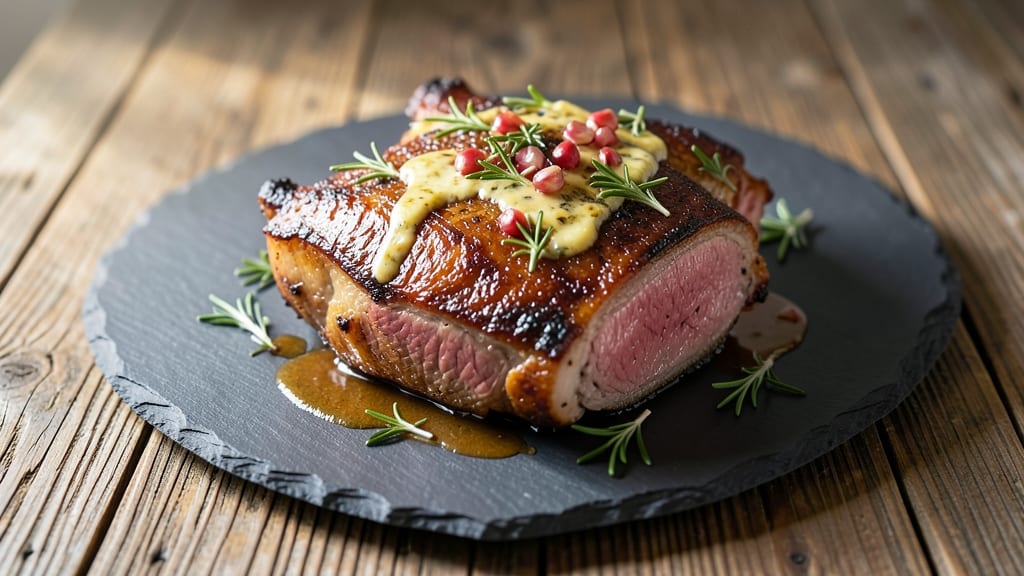
This oven roasted butterflied leg of lamb recipe transforms a typically time-consuming dish into a foolproof one-hour masterpiece—perfect for special occasions or weeknight dinners. The butterflying technique ensures even cooking and maximum tenderness, while a savory herb crust locks in flavor and creates a golden, caramelized exterior.
I developed this method after years of experimenting with lamb, and it consistently delivers restaurant-quality results at home.
The secret lies in precise preparation: butterflying the lamb exposes more surface area for even seasoning and faster cooking, while the herb crust (made with fresh rosemary, thyme, and garlic) infuses every bite with aromatic depth.
A high-heat oven finish ensures a crispy exterior without drying out the meat, making this recipe simple yet impressive—ideal for both beginners and seasoned cooks.
By the time it emerges from the oven, you’ll have a tender, juicy center with a perfectly crisped crust, ready to be sliced into elegant portions. The herb crust adds a fragrant, savory contrast that elevates the natural richness of the lamb, while the butterflying guarantees no tough, undercooked edges.
This dish pairs beautifully with roasted vegetables or a fresh salad, making it a complete, restaurant-worthy meal.
Whether you’re hosting a dinner party or treating yourself to a luxurious meal, this recipe delivers professional results with minimal effort. The technique is straightforward, and the flavor is undeniable—once you try it, you’ll never go back to traditional roasting methods. Let’s get started!
Ingredients for oven roasted butterflied leg of lamb
Precision-cut lamb, aromatic herbs, and a crisp herb crust create this luxurious yet effortless roast.
| Ingredient | Amount | Notes |
|---|---|---|
| Leg of Lamb (French Style) 🐑 | 4 lb | Bone-in, butterflied to 1-inch thickness |
| Unsalted Butter 🧈 | ½ cup | Cold, cubed for herb crust |
| Fresh Rosemary 🌿 | ¼ cup | Finely chopped, organic preferred |
| Fresh Thyme 🌿 | ⅛ cup | Leaves only, stems removed |
| Garlic Cloves 🧄 | 6 cloves | Minced, high-quality preferred |
| Diamond Crystal Kosher Salt 🧂 | 1 ½ tbsp | Coarse grain for seasoning |
| Freshly Ground Black Pepper 🌶️ | 1 tsp | Cracked peppercorns preferred |
| Extra-Virgin Olive Oil 🫒 | 2 tbsp | For basting, high-quality |
| Red Wine 🍷 | ½ cup | Dry, bold variety like Cabernet |
| Fresh Lemon Juice 🍋 | 1 tbsp | Bright, freshly squeezed |
| Fresh Parsley 🌿 | ⅛ cup | Chopped, for garnish |
| Yellow Onion 🧅 | 1 whole | Thinly sliced, for serving |
| Baby Carrots 🥕 | 1 lb | Whole, for roasting |
| Fresh Mint Leaves 🍃 | 0.1 cup | Optional, for garnish |
The lamb is the foundation, so prioritize quality. French-style leg of lamb with visible marbling yields the best results—Whole Foods or local butcher shops carry the finest cuts. Butterflying transforms this traditionally slow-cooking cut into a quick, even roast. If you can't find pre-butterflied lamb, request a 4-pound bone-in leg and ask your butcher to butterfly it to 1-inch thickness. The herb crust relies on fresh, fragrant rosemary and thyme—avoid dried substitutes here, as their flavor won't match the depth of fresh. For garlic, organic cloves from the produce section have the most intense flavor, and mincing them finely ensures even distribution throughout the crust.
No fresh herbs? Dried rosemary and thyme at half the amount will work, though the texture won't be as luxurious. Substituting white wine for red wine lightens the flavor profile slightly, but a bold dry red like Cabernet Sauvignon remains ideal. For the butter crust, vegetable shortening can replace butter in a pinch, though it lacks the same richness. If you're short on time, pre-minced garlic from the refrigerated section saves 5 minutes of prep—just drain it thoroughly to avoid excess moisture. The lemon juice brightens the dish, so bottled lemon juice is acceptable if fresh isn't available, though it lacks the same zesty punch.
This recipe reheats beautifully—simply cover with foil and warm in a 350°F oven for 10-15 minutes. The lamb keeps well in the fridge for 3-4 days when stored in an airtight container, though it's best enjoyed within 48 hours for peak tenderness. For longer storage, vacuum-seal portions and freeze for up to 3 months. The herb crust can be prepped ahead and stored in the fridge for 24 hours before use, making this a perfect make-ahead meal for dinner parties. Garnish with fresh parsley and mint just before serving to maintain vibrant color and aroma.
Why You'll Love This Recipe
- One-Pan Magic: I swear by this trick—just butter, herbs, and garlic on a single tray. No extra pans, no mess, and that juicy lamb practically carves itself once it’s done.
- Crispy-Creamy Perfection: The butter bastes into a golden crust while keeping the inside tender—like a fancy restaurant bite at home. That rosemary-thyme aroma? Chef’s kiss.
- Weeknight to Weekend: Same recipe feeds my book club Tuesday or my in-laws Sunday. Slice it thin for sandwiches or serve it whole—no stress, just flexibility.
- Leftovers That Don’t Suck: Honestly, I make this knowing I’ll eat it again. The flavor only gets better after a day, and it reheats like a dream (foil packet, 10 minutes). Budget win.
Step-by-step instructions for oven roasted butterflied leg of lamb
Here's the method for achieving melt-in-your-mouth lamb with a fragrant herb crust every time.
Prepare the Herb Butter Crust
In a food processor, combine the 0.5 cup unsalted butter, 0.25 cup fresh rosemary, 0.125 cup fresh thyme, 6 cloves garlic cloves, 1.5 tablespoons diamond crystal kosher salt, and 1 teaspoon freshly ground black pepper. Pulse until the mixture reaches a coarse, paste-like consistency with visible herb flecks. This texture ensures even distribution while maintaining flavor impact.
Transfer the herb butter to a small bowl and cover with plastic wrap. Press the wrap directly onto the surface to prevent drying. Chill in the refrigerator for 30 minutes while you prepare the lamb. The cold butter will firm up slightly, making it easier to handle and preventing premature melting during roasting. This step is crucial for creating that signature crispy crust while keeping the interior perfectly tender.
Season and Sear the Lamb
Remove the 4 lb leg of lamb from the refrigerator and pat it dry thoroughly with paper towels. This drying step is essential for achieving a good sear and crispy crust. Place the lamb on a cutting board and spread the chilled herb butter mixture evenly over all surfaces, pressing gently to adhere. Use your hands to work the butter into the natural crevices of the butterflied lamb.
Heat your oven to 425°F while you prepare the lamb for searing. In a large oven-safe skillet, heat 2 tablespoons extra-virgin olive oil over medium-high heat until shimmering. Place the lamb in the skillet, fat-side down, and sear for 4-5 minutes until a deep golden crust forms. Flip carefully and sear the other side for another 3-4 minutes. The lamb should develop a rich, caramelized color and release easily from the pan when ready.
Roast to Perfect Medium-Rare
Transfer the seared lamb to a roasting pan and place it on a rack to allow air circulation. Pour the 0.5 cup red wine into the skillet and scrape up any browned bits from the bottom using a wooden spoon. This deglazing step captures maximum flavor that will baste the lamb during roasting. Pour the wine reduction over the lamb.
Roast the lamb in the preheated 425°F oven for 25-30 minutes. For medium-rare doneness, the internal temperature should reach 130-135°F when measured at the thickest part of the meat using a meat thermometer. The lamb is ready when it reaches this temperature and the juices run clear when pierced with a skewer. Rotate the pan halfway through cooking if your oven has hot spots to ensure even browning.
Rest and Prepare Accompaniments
Remove the lamb from the oven and transfer it to a warm cutting board. Tent loosely with aluminum foil and let it rest for 15-20 minutes. This resting period is critical for allowing the juices to redistribute throughout the meat, preventing them from pooling on the cutting board. During this time, prepare the accompaniments by tossing the 1 lb baby carrots and 1 whole yellow onion (thinly sliced) with 1 tablespoon extra-virgin olive oil, 1 tablespoon fresh lemon juice, 0.125 cup fresh parsley, and a pinch of salt. Roast these vegetables at 400°F for 20-25 minutes until tender and caramelized.
While the lamb rests, prepare a simple parsley-mint garnish by combining 0.125 cup fresh parsley and 0.1 cup fresh mint leaves with a squeeze of lemon juice. This bright garnish will complement the rich flavors of the lamb beautifully. When ready to serve, slice the lamb against the grain into ½-inch thick portions and arrange on plates with the roasted vegetables and garnish.
Serve with Confidence
Each serving should yield approximately 1 lb of lamb per person, accompanied by the roasted vegetables. The herb crust should be crisp and fragrant, while the interior remains succulent and pink in the center. The red wine reduction basting the lamb during roasting adds depth of flavor, balancing the richness of the meat. Serve immediately with the vibrant parsley-mint garnish to enhance both presentation and flavor.
This method delivers perfectly tender lamb with a crispy herb crust every time, making it ideal for special occasions or impressive weeknight dinners. The key lies in proper preparation, precise temperature control, and allowing adequate resting time for optimal texture and flavor.
Pro Tips For Making Oven Roasted Butterflied Leg Of Lamb
- SEAR FIRST, THEN ROAST: Hit the lamb with a screaming-hot pan before it goes into the oven—this locks in flavor and builds that golden crust you’re after. I used to skip this, and the roasted lamb always tasted flat by comparison. A quick 2-3 minutes per side on max heat does the trick.
- BUTTERFOLD THE HERBS: Mix chopped rosemary, thyme, and minced garlic directly into the softened butter before spreading it on the lamb. This ensures every bite gets herby, garlicky richness—not just the surface. (Yes, even if it looks like a messy paste—it works.)
- DON’T OVERCOOK THE CENTER: Pull the lamb out when the internal temp hits 130°F (54°C)—it’ll climb another 5-10°F while resting. After burning three batches, I finally learned: medium-rare is the sweet spot for butterflied lamb. Use a meat thermometer; guesswork ruins everything.
- REST UNDER FOIL: Tent the lamb with foil for 10-15 minutes after roasting—this traps heat and keeps it juicy. I know, I know, you want to slice it immediately, but cutting too soon turns tender meat into dry disappointment. (Your future self will thank you.)
Troubleshooting your oven roasted butterflied leg of lamb
Uneven Cooking Fix
If your butterflied lamb cooks unevenly, the issue is likely thickness inconsistencies or oven hot spots. First, ensure your lamb is uniformly butterflied to 1-inch thickness—ask your butcher to trim any thicker sections.
For ovens with hot spots, rotate the roasting pan halfway through cooking (every 12-15 minutes). I also recommend placing a baking sheet under the roasting rack to prevent heat loss through the pan. 🌡️
Dry or Tough Meat
Overcooking is the #1 cause of dry lamb. Use a meat thermometer and remove the lamb immediately when it hits 130-135°F for medium-rare. If your lamb turns out tough, try brining it for 30 minutes in a solution of 1 cup water + 1 tbsp kosher salt before cooking.
For extra moisture, baste the lamb with pan juices every 10 minutes during roasting. The herb butter crust also helps lock in juices—don’t skip chilling it before applying!
Crust Not Crispy
A soft herb crust usually means the butter melted too soon. Ensure your herb butter is chilled for 30 minutes before applying, and pat the lamb completely dry before searing. For extra crispiness, broil the lamb for 2-3 minutes at the end of cooking (watch closely to avoid burning).
I also recommend using European-style butter (like Plugrá)—it has a higher fat content that crisps better than standard butter. 🔥
Herb Butter Separating
If your herb butter looks greasy or separated, the butter was too warm when mixed. Always chill the herb butter mixture before applying it to the lamb. For a smoother texture, pulse the herbs in a food processor for 10-15 seconds before adding the butter.
If separation still occurs, mix in 1 tsp cornstarch to help bind the ingredients. This trick works like a glue for the crust!
Lamb Sticking to Pan
Lamb releases easily when properly seared, but if it sticks, your pan wasn’t hot enough. Heat your oven-safe skillet until it’s smoking hot before adding oil. Use high-heat oil (like avocado or grapeseed oil) with a high smoke point (500°F+).
If sticking happens, don’t force it—let the lamb rest in the pan for 1-2 minutes to render fats before flipping. A well-seasoned cast-iron skillet (like Lodge) also helps prevent sticking. 💡
Temperature Fluctuations
Oven temperature swings can ruin your lamb’s doneness. Preheat your oven for at least 30 minutes before cooking, and use an oven thermometer to confirm it’s at 425°F.
If your oven runs hot or cold, adjust the temperature by 25°F (e.g., set to 400°F if your oven reads 425°F). For even cooking, place the lamb on a wire rack in a roasting pan—this allows air to circulate and prevents steam buildup. 🌡️
Nutrition facts
Frequently asked questions
Why does butterflying the lamb make it cook faster?
Butterflying creates a thinner, more uniform cut that exposes more surface area to heat. This allows the lamb to reach perfect medium-rare doneness in just 25-30 minutes at 425°F—about half the time of a traditional roast. The even thickness also ensures consistent cooking throughout, eliminating tough edges.
Can I use a different cut of lamb for this recipe?
While this recipe is designed for a 4 lb bone-in leg of lamb, you could adapt it for a shoulder or loin chop by adjusting cooking times. For chops, sear first then finish in the oven for 8-10 minutes at 425°F. However, the butterflying technique works best with the leg's natural shape—other cuts may not benefit as much from this method.
How do I know when the lamb is fully cooked?
Use a meat thermometer for accuracy—remove the lamb when it reaches 130-135°F for medium-rare. The juices should run clear when pierced with a skewer, and it should feel slightly springy to touch. Overcooking by even 5°F can make the lamb dry, so pull it out promptly.
What's the best way to reheat leftovers?
Wrap slices in foil and warm in a 350°F oven for 10-15 minutes or until heated through. Avoid microwaving—it can dry out the meat. For extra moisture, add a splash of red wine or beef broth to the pan before reheating. Leftovers keep well for 3-4 days when stored properly.
Can I make this ahead of time for a dinner party?
Prepare the herb butter crust up to 24 hours ahead and store it chilled. For the lamb itself, cook it to 125°F internal temp (just below medium-rare), then refrigerate. Reheat in a 325°F oven for 15-20 minutes until it reaches 130-135°F. The crust will crisp up beautifully when reheated.