Side Dishes
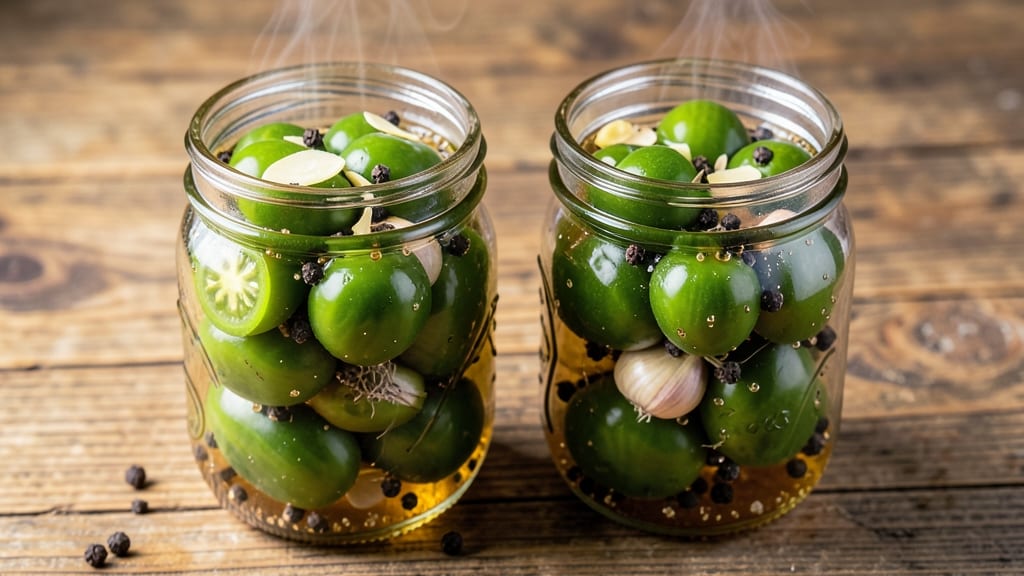
This pickled green cherry tomatoes recipe delivers a tangy, vinegar-bright crunch that transforms ordinary tomatoes into a restaurant-worthy condiment. The process is surprisingly simple—just 10 minutes of active work yields jars of vibrant, flavorful pickles that keep for weeks.
I developed this method after realizing how often I reached for store-bought pickles, only to find them lacking the fresh, bright acidity of homemade versions.
The key lies in balancing vinegar, sugar, and spices to create a brine that preserves while enhancing the tomatoes' natural sweetness. Sterilized jars ensure safety, and the right proportion of vinegar guarantees that tangy crunch we all love.
This isn't just a side dish—it's a versatile condiment that elevates sandwiches, salads, or even charcuterie boards with minimal effort.
What you'll end up with is a batch of glossy, vinegar-kissed tomatoes that stay crisp for weeks, their bright green color preserved beautifully. The flavor profile is sharp yet balanced, with just enough sweetness to complement the acidity.
Perfect for meal prep or gifting, these pickles are a game-changer for anyone who appreciates homemade condiments.
Use them to top burgers, mix into salads, or serve alongside grilled meats—this recipe delivers restaurant-quality crunch without the fuss. Let’s get started on creating your own jar of bright, tangy goodness.
Ingredients for pickled green cherry tomatoes
Nine simple ingredients transform humble tomatoes into restaurant-quality pickles with vibrant crunch.
| Ingredient | Amount | Notes |
|---|---|---|
| Green Cherry Tomatoes 🍅 | 2 lbs | Firm, unblemished, 1-inch size |
| White Vinegar 💧 | 2 cups | Distilled, 5% acidity preferred |
| Granulated Sugar 🍚 | 1 cup | White or raw, no substitutes |
| Diamond Crystal Kosher Salt 🧂 | 1 tbsp | Not table salt, for proper brine |
| Garlic Cloves 🧄 | 6 cloves | Thinly sliced, peeled |
| Black Peppercorns 🌶️ | 1 tsp | Crushed lightly, not powdered |
| Mustard Seeds 🌿 | 1 tsp | Yellow or brown preferred |
| Red Pepper Flakes 🌶️ | ½ tsp | Adjust for heat preference |
| 16-Ounce Mason Jars 🥫 | 2 jars | Wide-mouth, sterilized required |
| Fresh Dill Sprigs 🌿 | 4 whole | Optional, for aromatic touch |
The tomatoes make all the difference—bright green, firm, and about 1-inch in diameter—so grab the freshest at your local farmers market or Whole Foods produce section. I always pick up organic heirloom varieties when in season, but regular green cherry tomatoes work perfectly too. The vinegar should be white distilled vinegar (5% acidity) for that classic tang—apple cider vinegar works but gives a slightly sweeter profile. Sterilizing your jars is non-negotiable: boil them for 10 minutes or run through a dishwasher's sanitize cycle. Trust me, this step prevents future headaches.
No Diamond Crystal kosher salt? Morton kosher salt works too—just measure carefully since it's denser. Running short on mustard seeds? 1/2 tsp ground mustard in a pinch, though whole seeds add better texture. Want extra heat? Add cayenne pepper to the red pepper flakes. The garlic can be minced instead of sliced if you prefer, but I like those thin slices for visual appeal. Fresh dill adds a lovely aroma, but if you're out, 1/2 tsp dried dill works in a bind. Pro tip: Trader Joe's sells pre-sterilized jars if you hate the boiling process—just toss them in the trash after use.
These pickles stay crisp for 4-6 weeks in the fridge, assuming your jars are properly sealed. The vinegar acts as a natural preservative, but always check the liquid level before sealing—there should be at least 1/2 inch of brine above the tomatoes. For gifting, I use amber glass jars from Amazon—they protect the color better. If you make extra, freeze individual portions in ice cube trays for quick snacking. The flavor actually improves after the first week as everything melds together.
Why You'll Love This Recipe
- No-Fuss Prep: I swear by this recipe because it’s basically hands-off after the initial chop. Toss those plump green tomatoes into jars, dump in the vinegar-sugar brine with a couple of garlic cloves, and let time do the work. Honestly, the hardest part is deciding which jar to open first.
- Tangy-Sweet Magic: That perfect balance of crisp vinegar, just-right sugar, and the faintest garlic punch? It’s like summer in a jar. The tomatoes stay crunchy while soaking up the bright, zesty flavor—no mushy texture here, just pure satisfaction with every bite.
- Party Snack Hero: Between us, these are my go-to for charcuterie boards, picnic spreads, or even a last-minute appetizer. They keep for weeks, so you’re always covered whether it’s a weekday lunch or a weekend gathering. (Yes, even on a Tuesday night.)
- Budget Stretch: A single batch stretches across salads, sandwiches, or straight from the jar for months. I buy tomatoes in bulk when they’re cheap, and the vinegar-salt-sugar mix costs pennies. It’s my secret weapon for making simple meals feel fancy without breaking the bank.
Step-by-step instructions for pickled green cherry tomatoes
Here's how to create vibrant, tangy pickled tomatoes that keep their crunch and burst with flavor.
Sterilize Jars and Prepare Tomatoes
Begin by sterilizing the two 16-ounce mason jars and their lids in boiling water for 5 minutes. This ensures a proper seal and prevents spoilage. While they sterilize, rinse the 2 pounds of green cherry tomatoes thoroughly and remove any stems. I like to make a small slit on the blossom end of each tomato—this allows the pickling liquid to penetrate more deeply, ensuring every bite has that bright vinegar tang.
Don't skip the sterilization step, even if it seems unnecessary. The acidity in the vinegar preserves the tomatoes, but proper jar preparation prevents any potential contamination. Once sterilized, let the jars cool on a clean kitchen towel—you'll fill them immediately after cooling to maintain their heat.
Create the Pickling Brine
In a medium saucepan, combine the 2 cups of white vinegar, 1 cup of granulated sugar, and 1 tablespoon of diamond crystal kosher salt. Bring the mixture to a boil over medium-high heat, stirring constantly until the sugar and salt fully dissolve. This creates the perfect balance of sweetness and acidity that defines great pickled tomatoes.
While the brine heats, lightly crush the 1 teaspoon of black peppercorns and 1 teaspoon of mustard seeds in a mortar and pestle or small bowl. Add these to the boiling brine along with the 0.5 teaspoon of red pepper flakes and 6 thinly sliced garlic cloves. Let the mixture simmer for 3-4 minutes to infuse the flavors. The liquid should be clear and slightly syrupy—this ensures proper preservation and flavor distribution.
Pack and Preserve the Tomatoes
Carefully pack the sterilized jars with the prepared green cherry tomatoes, leaving about 1 inch of headspace at the top. Add 2 of the whole fresh dill sprigs to each jar—they'll add a bright, herbal note that complements the vinegar perfectly. Pour the hot pickling brine over the tomatoes, ensuring each tomato is fully submerged. The headspace is crucial; it prevents the jars from sealing improperly.
Use a wooden spoon or non-metallic utensil to gently press down on the tomatoes, making sure they stay submerged. The brine should cover the tomatoes by at least ½ inch. If needed, add a small piece of parchment paper to weigh them down, but avoid using metal objects that could react with the vinegar.
Seal and Cool the Jars
Seal the jars tightly with their sterilized lids and rings. Place the jars on a cooling rack or towel and let them cool completely at room temperature. This gradual cooling process helps create a proper vacuum seal, which is essential for long-term preservation. You'll hear a satisfying "ping" as the jars seal—this confirms they're ready for storage.
Once fully cooled, store the jars in a dark, cool place for at least 24 hours before opening. This resting period allows the flavors to meld and the tomatoes to fully absorb the pickling liquid. The result will be tomatoes with a perfect balance of tangy, slightly sweet, and herby flavors—ideal for sandwiches, salads, or snacking straight from the jar.
Store and Enjoy
After the 24-hour resting period, your pickled green cherry tomatoes are ready to enjoy. They'll keep in the refrigerator for up to 3 months, though they're likely to disappear much sooner. The tomatoes should retain their vibrant green color and crisp texture, with a bright, vinegar-forward flavor that cuts through rich dishes beautifully.
I love using these in charcuterie boards, alongside grilled meats, or tossed into fresh salads for a pop of acidity. The mustard seeds add a subtle crunch, while the dill and garlic infuse the vinegar with depth. Each bite delivers that perfect balance of sweet, tangy, and herby notes that make homemade pickles so rewarding.
Pro Tips For Making Pickled Green Cherry Tomatoes
- STERILIZE JARS FIRST: I learned this the hard way—skipping sterilization leads to cloudy brine and spoiled tomatoes. Boil jars in simmering water for 10 minutes (even if you’re using them straight from the dishwasher), then keep them hot until packing. Cold jars + hot liquid = science experiment you don’t want to win.
- USE FIRM, UNBROKEN TOMATOES: Soft or bruised tomatoes turn mushy in brine. Pick ones that dent slightly when squeezed but bounce back—like a tennis ball, not a stress ball. Skip the "perfect" ones; aim for uniformly firm, unblemished fruit. (Yes, even if they’re not all the same size—variation looks pretty.)
- SALT THE BRINE LIBERALLY: Diamond Crystal kosher salt measures differently than table salt—use the full 1 tablespoon per quart called for. I used to eyeball it and ended up with bland, watery pickles. Taste the brine before sealing; if it’s not noticeably salty, add more. (Your future self will notice the difference.)
- PACK TOMATOES TIGHTLY: Loose tomatoes in jars = wasted space and weak flavor infusion. Stand them upright in the jar first, then press down firmly with a wooden spoon until the brine covers them completely. No gaps, no regrets. (Pro move: Add a peeled garlic clove to each jar while they’re packed—it slides in easier.)
Wine and beer pairings for pickled green cherry tomatoes
Crisp White Wine
A dry Riesling from Germany or Alsace is my go-to pairing for these pickles—its bright acidity mirrors the vinegar's tang while the crisp mineral notes cleanse your palate. Look for a Kabinett-level Riesling with 8-10% ABV like Dr. Loosen Blue Slate or Trimbach Riesling.
The slight sweetness in these wines actually enhances the pickles' sweet-tart balance, creating a harmonious contrast. Serve chilled at 45-50°F to fully appreciate their refreshing qualities. 🍷
Herbal Gin Cocktail
For a festive twist, mix 2 oz of gin (I prefer Hendrick's or Tanqueray No. TEN) with ½ oz fresh lemon juice and ½ oz simple syrup. Add 3-4 pickled tomatoes as a garnish and muddle lightly to release their juices.
Top with chilled sparkling water and serve over ice. The botanicals in gin complement the dill and mustard seeds in the pickles beautifully. 🌿
Light Lager Balance
A German Pilsner like Warsteiner or Stella Artois provides the perfect neutral canvas to highlight the pickles' complex flavors. The subtle malt sweetness in these lagers balances the vinegar's sharpness while their effervescence cuts through the tomatoes' texture.
For a craft option, try a Belgian Witbier like Hoegaarden—its coriander notes pair surprisingly well with the mustard seeds. Serve at 40-45°F to maintain crispness. 🍺
Sparkling Wine Elevation
For special occasions, pair with Prosecco or Cava—their delicate bubbles and slight sweetness create a luxurious contrast. I recommend La Marca Prosecco or Freixenet Cordon Negro Cava, both under $15.
The acidity in these sparkling wines enhances the pickles' tang while their effervescence makes each bite feel celebratory. Serve well-chilled at 38-42°F for optimal refreshment. ✨
Beer Pairing Tips
When pairing beer with pickles, always opt for low-hopped styles to avoid bitterness clashes. A Witbier or Kolsch works beautifully, while IPAs or stouts will overpower the delicate tomato flavors. For a non-alcoholic option, try San Pellegrino Aranciata—its citrus notes complement the vinegar perfectly.
Remember, the key is balance: the drink should enhance, not compete with, the pickles' bright acidity. 💡
Seasonal Variations
In summer, I reach for Sauvignon Blanc with its citrusy notes, while winter calls for a dry Riesling or Pinot Noir to stand up to richer dishes. For spicy versions (with extra red pepper flakes), a Gewürztraminer with its lychee sweetness provides a soothing contrast.
Always adjust serving temperatures—warmer climates allow slightly warmer wines, while cooler weather calls for extra chill. 🌡️
Nutrition facts
Frequently asked questions
Why do my pickled tomatoes turn mushy instead of staying crisp?
Overcrowding the jars or using soft tomatoes causes mushiness. Always leave 1 inch of headspace and choose firm, unblemished green cherry tomatoes. The hot brine should fully submerge them—if not, add more liquid. Sterilizing jars properly also prevents spoilage that leads to soft texture.
Can I use red cherry tomatoes instead of green ones?
Yes, but the color and flavor will differ. Green tomatoes have a tart, grassy profile that works perfectly with vinegar. Red tomatoes will become slightly softer and sweeter after pickling. For best results, stick to green for that classic tangy crunch. If you must use red, add an extra ½ teaspoon of red pepper flakes for heat balance.
How long do these pickles actually last in the fridge?
Properly preserved pickles stay crisp and flavorful for 3-4 months when refrigerated. The vinegar acts as a natural preservative, but always check the liquid level—it should cover the tomatoes by at least ½ inch. If the liquid becomes cloudy or smells off, discard immediately. For longer storage, freeze individual portions in ice cube trays.
Can I adjust the spice level in the recipe?
For milder pickles, reduce red pepper flakes to ¼ teaspoon or omit them entirely. Want extra heat? Add ½ teaspoon cayenne pepper or 1 teaspoon crushed chili flakes. The mustard seeds and garlic already provide depth, so focus on balancing the vinegar's sharpness with your preferred spice level. Taste the brine before pouring—it should be tangy but not overpowering.
What’s the best way to use these pickles beyond snacking?
These pickles shine in charcuterie boards, sandwiches (like banh mi or Reubens), and salads for a bright acidity boost. Chop them into antipasto platters or mix into pasta salads for a tangy twist. They also elevate grilled meats like steak or chicken, cutting through richness. For a creative touch, blend a few into homemade Bloody Mary mix—the dill and garlic add depth!