
Main Courses
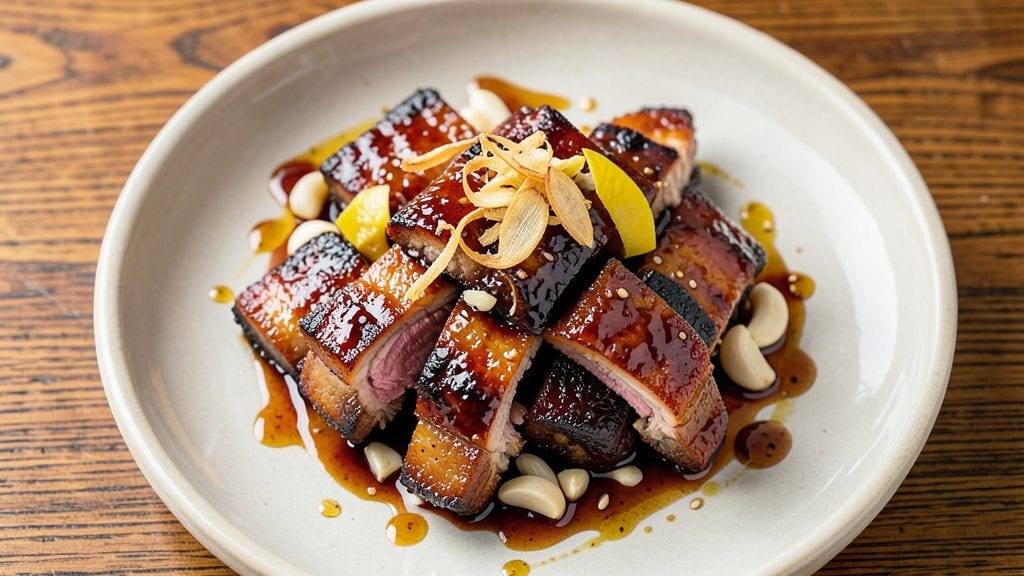
Master this stir-fry spare ribs recipe—where quick, sizzling heat transforms tough meat into velvety bites with just the right wok technique. The secret lies in a sweet-chili glaze that caramelizes beautifully while keeping the meat juicy, not dry.
This isn’t your typical slow-cooked ribs; it’s a quick, high-heat stir-fry that delivers restaurant-quality results in under an hour.
What sets this recipe apart is the marinating process, where a blend of soy sauce, brown sugar, and garlic tenderizes the ribs while building deep flavor.
The stir-fry itself happens in a screaming-hot wok or cast-iron skillet, where the ribs sear to a golden crust in minutes—no long smoker sessions required. The sweet-chili glaze, reduced to a glossy finish, adds a sticky, tangy contrast that cuts through the richness of the meat.
By the time you’re done, you’ll have ribs that are tender enough to pull apart with a fork yet still hold their shape, all coated in a glossy, slightly charred glaze. The aroma alone—smoky, sweet, and umami-packed—will have everyone at the table asking for seconds.
This dish works as a standalone meal or pairs perfectly with steamed jasmine rice and quick-pickled vegetables for a complete, balanced plate.
The beauty of this method is its versatility: swap the glaze for a spicy sriracha version or a honey-ginger twist, depending on your mood. Whether you’re feeding a crowd or treating yourself to a weekend project, these stir-fry ribs deliver satisfaction without the hours in the kitchen.
Let’s get cooking—your taste buds will thank you.
Ingredients for stir fry spare ribs
Quick marinade, high-heat sear, and sticky-sweet glaze—this stir-fry transforms tough ribs into fork-tender bites.
| Ingredient | Amount | Notes |
|---|---|---|
| Spare Ribs 🍖 | 2 lb | Baby back or St. Louis style, cut into 1-inch chunks |
| Soy Sauce 🍶 | ½ cup | Low-sodium preferred for balance |
| Brown Sugar 🍚 | ⅓ cup | Packed, light or dark |
| Garlic Cloves 🧄 | 6 cloves | Minced, fresh preferred |
| Ginger Root 🌿 | 1 tbsp | Freshly grated, not powdered |
| Sesame Oil 🫒 | 1 tbsp | Toasted, for aroma |
| Sweet Chili Sauce 🍯 | ⅓ cup | Store-bought or homemade |
| Honey 🍯 | 2 tbsp | Wildflower preferred |
| Rice Vinegar 🍶 | 1 tbsp | White or seasoned |
| Neutral Oil 🫒 | 2 tbsp | Vegetable or canola for high heat |
| Green Onions 🧅 | 3 whole | Thinly sliced, white and green parts |
| Sesame Seeds 🌾 | 1 tbsp | Toasted for garnish |
| Salt 🧂 | 1 tsp | Kosher or sea salt |
| Black Pepper 🌶️ | ½ tsp | Freshly ground |
The ribs are the star, so don’t cut corners here. Baby back ribs are leaner and cook faster than St. Louis style, but both work—just adjust cooking time by 1-2 minutes. Grab them from the butcher counter if possible; they’ll have better marbling. If pre-cut, look for uniform chunks (about 1-inch) so they cook evenly. The secret to tender ribs? Marinate overnight—the soy and sugar work their magic while you sleep. If you’re short on time, at least 30 minutes in the fridge helps.
Sweet chili sauce can be tricky—some brands are sweeter than others. Maesri or Huy Fong are reliable, but check the label. Too sweet? Add a splash of rice vinegar to balance. No sesame oil? Toasted peanut oil works in a pinch (just skip the seeds). The garlic and ginger are non-negotiable for flavor, but if you’re in a rush, garlic powder and ground ginger at half the amount will do. For extra smokiness, add a dash of smoked paprika to the marinade. And trust me on the honey—wildflower or clover adds depth that regular honey can’t match.
Marinated ribs keep 2 days in the fridge, covered. The glaze can be made ahead and reheated—just add a splash of water to loosen. For serving, keep ribs warm in a 200°F oven while you finish the glaze. These reheat beautifully—just toss them in a hot pan with a little oil and glaze. Store leftovers in an airtight container for 3 days or freeze for 3 months. Pro tip: Double the glaze recipe—it’s perfect over rice or as a dipping sauce.
Why You'll Love This Recipe
- One-Pot Magic: I swear by this recipe—just ribs, a splash of soy, a spoonful of brown sugar, and a quick sizzle in the pan. No boiling, no brining, no waiting hours. Honestly, the only prep is chopping garlic and ginger, and that’s it.
- Sweet-Savory Balance: That caramelized brown sugar glaze? It’s the star. The soy cuts through the richness while the garlic and ginger add layers of warmth—like a hug in a bowl. Not too sweet, not too salty, just right.
- Leftover Goldmine: Make a double batch and thank me later. These ribs reheat like a dream—crispy edges soften just enough to stay tender. Pack them for lunches or freeze half for when you’re too tired to cook. (Yes, even on a Tuesday night.)
- Budget-Friendly Feast: Spare ribs are cheaper than you think, and this method stretches them further than slow-cooking ever could. A pound feeds four easily, and the ingredients? Most are already in your pantry. My wallet and my family both win.
Step-by-step instructions for wok-seared spare ribs
Here's how to achieve melt-in-your-mouth tenderness with a perfect caramelized glaze.
Prep and Marinate the Spare Ribs
Cut the 2 lb spare ribs into 1-inch chunks, removing any large pieces of membrane or excess fat. In a large bowl, combine the ribs with 0.5 cup soy sauce, 0.33 cup packed brown sugar, 6 minced garlic cloves, 1 tablespoon freshly grated ginger root, 1 tablespoon toasted sesame oil, and 0.5 teaspoon black pepper. Mix thoroughly until every piece is evenly coated.
Let the ribs marinate for at least 30 minutes at room temperature, or up to 2 hours in the refrigerator. This step is crucial for tenderizing the meat and building deep flavor. The longer they marinate, the more flavor they'll absorb, but even 30 minutes makes a noticeable difference. Real talk: Don't skip this—it's what transforms tough ribs into tender morsels.
Wok-Sear the Ribs for Maximum Tenderness
Heat a wok or large skillet over high heat until it's smoking hot. Add 2 tablespoons neutral oil and let it shimmer for 30 seconds. Working in batches if needed, add the marinated ribs and sear undisturbed for 2-3 minutes per side until deeply browned and caramelized. You're looking for a rich, golden crust that develops quickly at this heat level.
Once all ribs are seared, remove them from the wok and set aside. This high-heat searing creates a flavorful crust while keeping the meat tender inside. If your wok isn't hot enough, the ribs will steam instead of sear—you'll know it's ready when the oil dances and sizzles vigorously when the ribs hit the pan.
Build the Sweet-Chili Glaze
In the same wok, reduce heat to medium and add 0.33 cup sweet chili sauce, 2 tablespoons honey, and 1 tablespoon rice vinegar. Stir constantly for 2-3 minutes until the mixture thickens slightly and begins to bubble. The sauce should coat the back of a spoon and develop a glossy sheen.
Here's the thing—this is where the magic happens. The combination of sweet chili sauce and honey creates a perfect balance of tangy, sweet, and spicy flavors that complement the ribs beautifully. If the sauce starts to stick, add 1-2 tablespoons of water to loosen it, but don't over-dilute or you'll lose that perfect consistency.
Finish and Garnish
Return the seared ribs to the wok and toss gently to coat them evenly in the glaze. Cook for an additional 2-3 minutes until the sauce clings to the ribs and they're fully heated through. The internal temperature should reach 165°F for safe consumption, but the ribs should be tender well before that point thanks to our marinating and searing.
Transfer the ribs to a serving platter and garnish with 3 thinly sliced green onions and 1 tablespoon toasted sesame seeds. The green onions add a fresh contrast to the rich, sweet-savory ribs, while the sesame seeds provide a delightful crunch and nutty aroma. Serve immediately while the ribs are hot and the glaze is still glossy—this dish doesn't wait well.
Pro Tips For Making Stir Fry Spare Ribs
- CUT RIB MEATY BITS FIRST: Spare ribs are stubborn—don’t fight them whole. Trim the silverskin and connective tissue first, then cut each rib into 2-inch chunks between the bones. This keeps the meat tender and lets it cook faster in the stir-fry. (Yes, it’s messy, but your wok will thank you.)
- SALT THE RIB CHUNKS 30 MINUTES EARLY: Toss the ribs with 1 teaspoon of salt and let them sit uncovered in the fridge while you prep. This seasons the meat deeply and draws out moisture, so they caramelize better later. I learned this the hard way—dry ribs stick to the pan like glue.
- START WITH SMALL GARLIC SLICES: Mince the garlic too fine, and it burns before the ribs are done. Instead, slice 4-5 cloves into thin half-moons—big enough to see, small enough to cook fast. Same goes for ginger: julienne it into matchsticks. (Your nose will smell victory.)
- LOWER THE HEAT AFTER 2 MINUTES: The ribs need a screaming-hot wok to sear at first, but after 2 minutes, drop the heat to medium-high. This prevents burning the brown sugar and soy sauce while letting the ribs finish cooking through. I used to rush this, and the sauce turned bitter—don’t be that person.
Dietary considerations for stir fry spare ribs
Gluten-Free Adaptations
Traditional soy sauce contains gluten, but you can easily swap it for tamari or a gluten-free soy sauce like San-J Tamari. I’ve tested this substitution and found it works perfectly—just ensure all other ingredients are certified gluten-free. The ribs stay tender, and the flavor remains rich and umami-packed. 🌟
Low-Sodium Options
If you’re watching your sodium intake, use low-sodium soy sauce or reduce the amount to ¼ cup while adding 1 teaspoon fish sauce for depth. The ribs still absorb enough flavor, and the glaze stays balanced. I’ve found that Red Boat Fish Sauce adds a subtle, savory complexity without overpowering.
Dairy-Free Considerations
This recipe is naturally dairy-free, but always double-check your sweet chili sauce for hidden additives. Some brands include whey or milk powder. For extra richness, stir in 1 tablespoon coconut aminos during marinating—it enhances the umami without dairy. The texture and flavor remain identical to the original.
Spicy Variations
For a kick, add 1 tablespoon sriracha or ½ teaspoon cayenne pepper to the glaze. I recommend starting with ½ teaspoon cayenne and adjusting to taste—it’s easy to overdo it! If you’re sensitive to heat, swap cayenne for 1 teaspoon gochujang (Korean chili paste) for a smoother spice profile.
Vegetarian Substitutes
While ribs aren’t vegetarian, you can mimic the texture with extra-firm tofu or mushroom blends. Press and cube 1 block tofu, marinate it in the same sauce (without honey), and pan-fry until crispy. The glaze still clings beautifully, and the dish delivers a satisfying, umami-rich bite. 💛
Nutrition facts
Frequently asked questions
Can I use frozen spare ribs in this stir-fry?
Fresh ribs work best for this quick-cooking method, but frozen ribs can work if thawed properly. Place them in the fridge overnight or use the quick-thaw method (sealed in a bag submerged in cold water for 1 hour). Pat them completely dry before marinating—excess moisture prevents proper searing. For best results, use ribs that were frozen fresh, not pre-marinated frozen ribs from the grocery store.
How do I prevent the ribs from drying out during stir-frying?
The marinade and high-heat sear work together to keep ribs tender. Never overcrowd the wok—cook in batches if needed. Also, keep the ribs moving constantly after adding them back to the wok with the glaze to prevent sticking and uneven cooking. The 2-3 minute sear time per side is critical—don't rush this step. If ribs feel slightly undercooked, return them to the wok for 30 seconds with a splash of water to steam them gently.
Can I make this recipe without a wok?
A heavy-bottomed cast-iron skillet works perfectly—it retains heat just like a wok. If you don't have either, use a large stainless steel or nonstick skillet, but preheat it on high for 5 minutes before adding oil. The key is getting that pan screaming hot to create the proper sear. A griddle also works well for larger batches.
What's the best way to reheat leftover stir-fry ribs?
Reheat in a dry skillet over medium heat for 3-4 minutes, tossing occasionally, until warmed through. Add 1 teaspoon oil and a splash of water to prevent drying. For extra flavor, brush with a little extra glaze while reheating. Microwaving works in a pinch (covered for 1 minute), but the texture won't be as good. These ribs reheat beautifully—just avoid high heat that can make them tough.
How can I make this recipe spicier?
Add ½ teaspoon red pepper flakes or 1 tablespoon sriracha to the glaze for immediate heat. For deeper spice, include 1 teaspoon gochujang (Korean chili paste) in the marinade. Start with less—you can always add more later. If using fresh chili peppers, remove seeds for milder heat. The sweetness in the glaze balances the spice beautifully.